Emergency Chimney Repair in Los Angeles: When to Call DD Chimney Cleaning Immediately
Did you know that a staggering 30% of all house fires in the United States start in or spread from the chimney and fireplace? In a city like Los Angeles, where cozy nights by the fire are cherished despite the mild climate, this statistic can be particularly alarming. Understanding the signs that your chimney is in distress is paramount to ensuring the safety of your home and loved ones.
At DD Chimney Cleaning, serving the diverse neighborhoods of Los Angeles from Santa Monica to Pasadena, we understand that chimney issues don’t always adhere to a convenient schedule. Sometimes, what seems like a minor problem can escalate into a serious emergency. This post is designed to equip you with the knowledge to identify these critical situations and know precisely when to pick up the phone and call for immediate assistance.
Myth vs. Fact: Recognizing Chimney Emergencies in the City of Angels
Many homeowners in Los Angeles, perhaps accustomed to milder winters and less frequent fireplace use than in other parts of the country, might underestimate the potential dangers lurking within their chimney systems. Let’s debunk some common myths and highlight the critical facts that could save your home from disaster.
Myth #1: “My chimney looks fine from the outside, so it must be okay.”
Fact: This is one of the most dangerous misconceptions. A significant amount of chimney damage occurs internally, hidden from casual view. Issues like creosote buildup, cracked flue liners, or compromised masonry can develop silently, posing a severe fire hazard and even leading to carbon monoxide leaks. For instance, the intricate network of vents and flues within older homes in areas like Silver Lake or Highland Park might seem robust, but a professional inspection is the only way to truly assess their integrity.
Consider the intense heat generated by a roaring fire. This heat can exacerbate even small cracks, allowing embers to escape into your attic or walls – a recipe for disaster. Furthermore, the acidic nature of creosote, a byproduct of burning wood, can slowly eat away at the internal components of your chimney, weakening them over time. Regular visual inspections are good, but they are no substitute for the expert eye of a certified chimney professional who knows what to look for, both inside and out.
Myth #2: “A little smoke in the house is just normal when the fireplace hasn’t been used in a while.”
Fact: Smoke entering your home is never normal and is a significant red flag. This often indicates a blockage or a problem with the chimney’s draft. Blockages can range from bird nests and debris accumulated over time, especially in trees common in areas like the San Gabriel Valley, to more severe structural issues. A blocked chimney prevents the proper venting of smoke and dangerous gases like carbon monoxide. If you’re experiencing this, it’s not just an inconvenience; it’s an immediate safety concern.
Carbon monoxide is a colorless, odorless gas that can cause severe illness and even death. If your chimney isn’t venting correctly, these toxic gases can seep into your living space. Imagine enjoying a brisk evening in your Studio City home, only to be unknowingly exposed to this silent killer. Prompt attention to a smoking chimney is crucial for the air quality and health within your household.
Myth #3: “I only need to worry about chimney problems when I’m actively using the fireplace.”
Fact: Chimneys are constantly exposed to the elements, even when not in use. Rain, wind, and seismic activity (a very real concern in Los Angeles) can all contribute to structural damage. For example, heavy rains, which can occur even in our sunny climate, can seep into the mortar and bricks, causing them to deteriorate over time, especially in older, unsealed chimneys found in historic neighborhoods. Furthermore, fluctuating temperatures can lead to expansion and contraction of materials, creating subtle cracks that can widen with time.
Consider the impact of strong Santa Ana winds on your chimney. These can dislodge loose bricks or chimney caps, creating an immediate structural hazard. A chimney cap is designed to prevent rain, animals, and debris from entering, but if it’s damaged or missing, the chimney is left vulnerable. This isn’t just about fire safety; it’s also about the structural integrity of your home, especially crucial in earthquake-prone zones.
Myth #4: “My chimney was inspected last year, so I’m good for another few years.”
Fact: While regular inspections are vital, a single inspection doesn’t provide a permanent shield against future problems. Depending on usage frequency, weather patterns, and the age of your chimney, conditions can change rapidly. A severe storm, a small animal infestation that creates a blockage, or even minor shifting of your home’s foundation can create new issues between scheduled inspections. For homeowners who enjoy using their fireplaces for ambiance or supplemental heat, particularly in the cooler months in areas like Burbank or Glendale, more frequent checks might be warranted.
Think of it like maintaining your car. You wouldn’t assume your tires will be perfectly fine for three years after a single check. Likewise, your chimney system requires ongoing vigilance. If you notice any new symptoms – unusual smells, sounds, or visible deterioration – don’t wait for your next scheduled appointment. It’s better to be proactive and call for an assessment sooner rather than later.
Signs of an Imminent Chimney Emergency in Los Angeles
Recognizing the symptoms of an emergency is critical. Here are the tell-tale signs that demand immediate attention from a professional chimney service in Los Angeles:
1. Visible Cracks or Deterioration
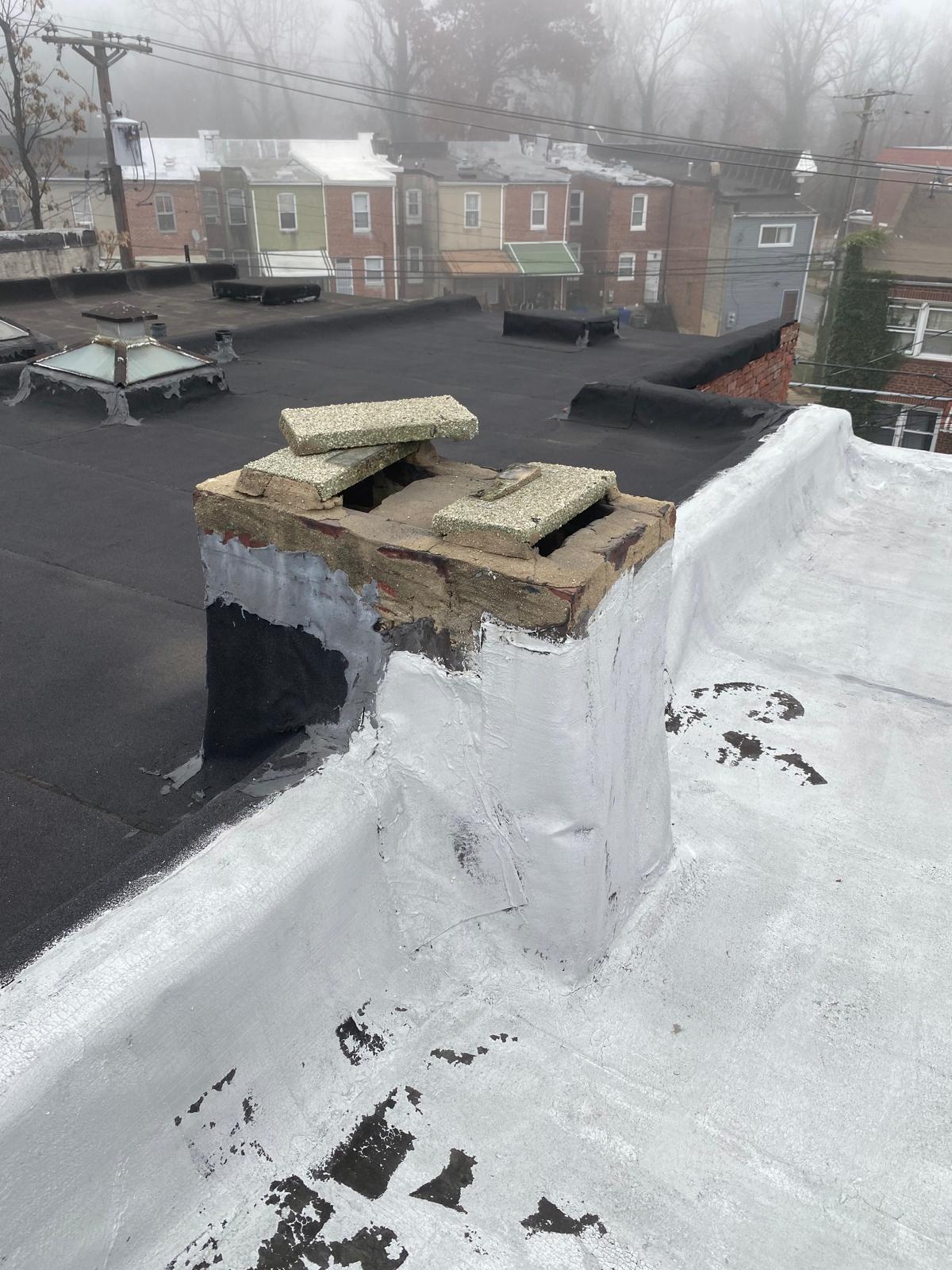
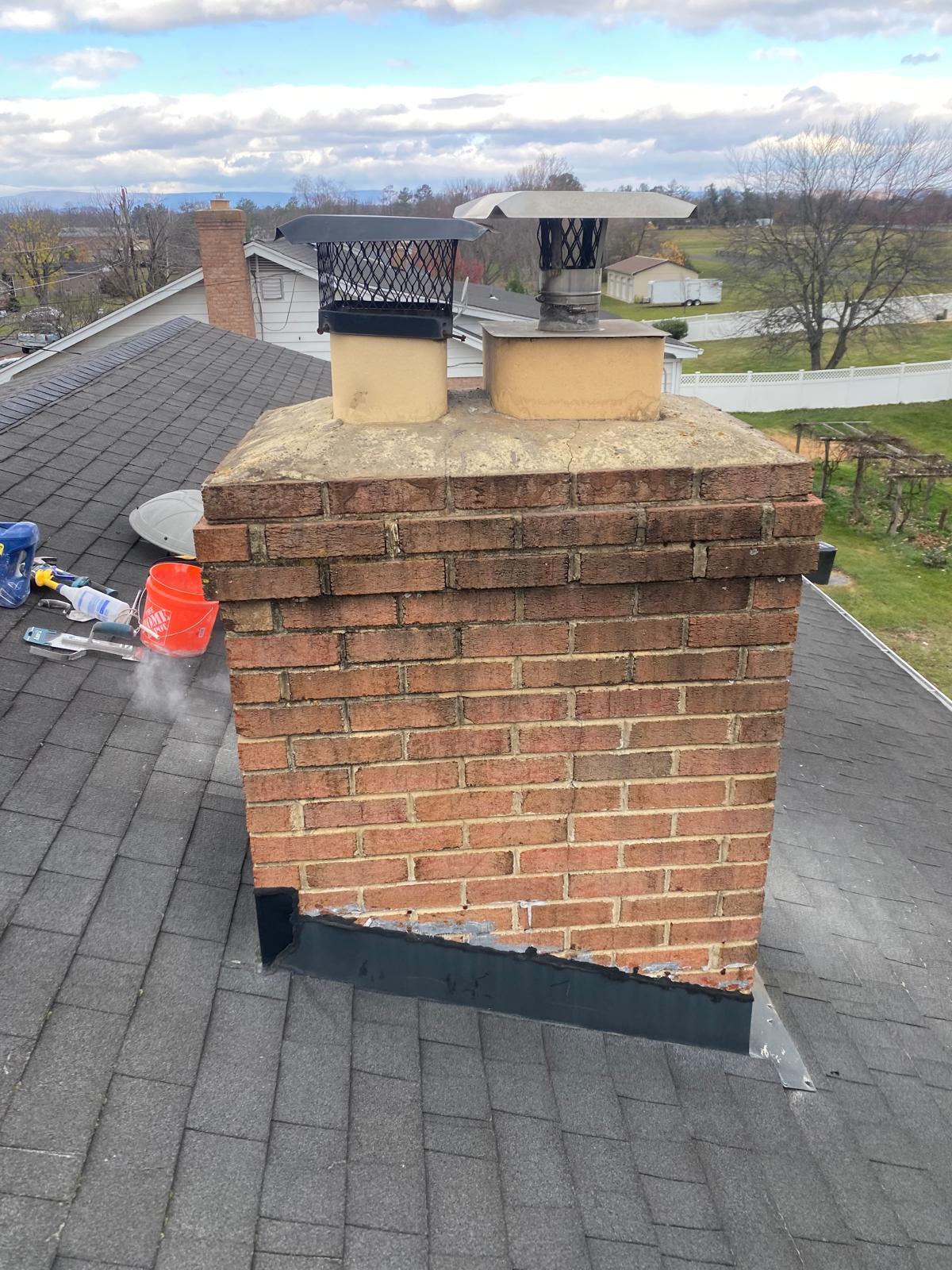
What to look for: Examine the exterior masonry of your chimney. Are there cracks in the bricks or mortar? Is the mortar crumbling and falling out? Is the chimney leaning or unstable?
Why it’s an emergency: Cracks can allow heat and embers to escape, igniting nearby combustibles. A leaning chimney indicates a serious structural issue that could lead to collapse. This is especially critical for homes in earthquake-prone regions of Southern California.
2. Soot or Creosote Buildup Beyond the Norm
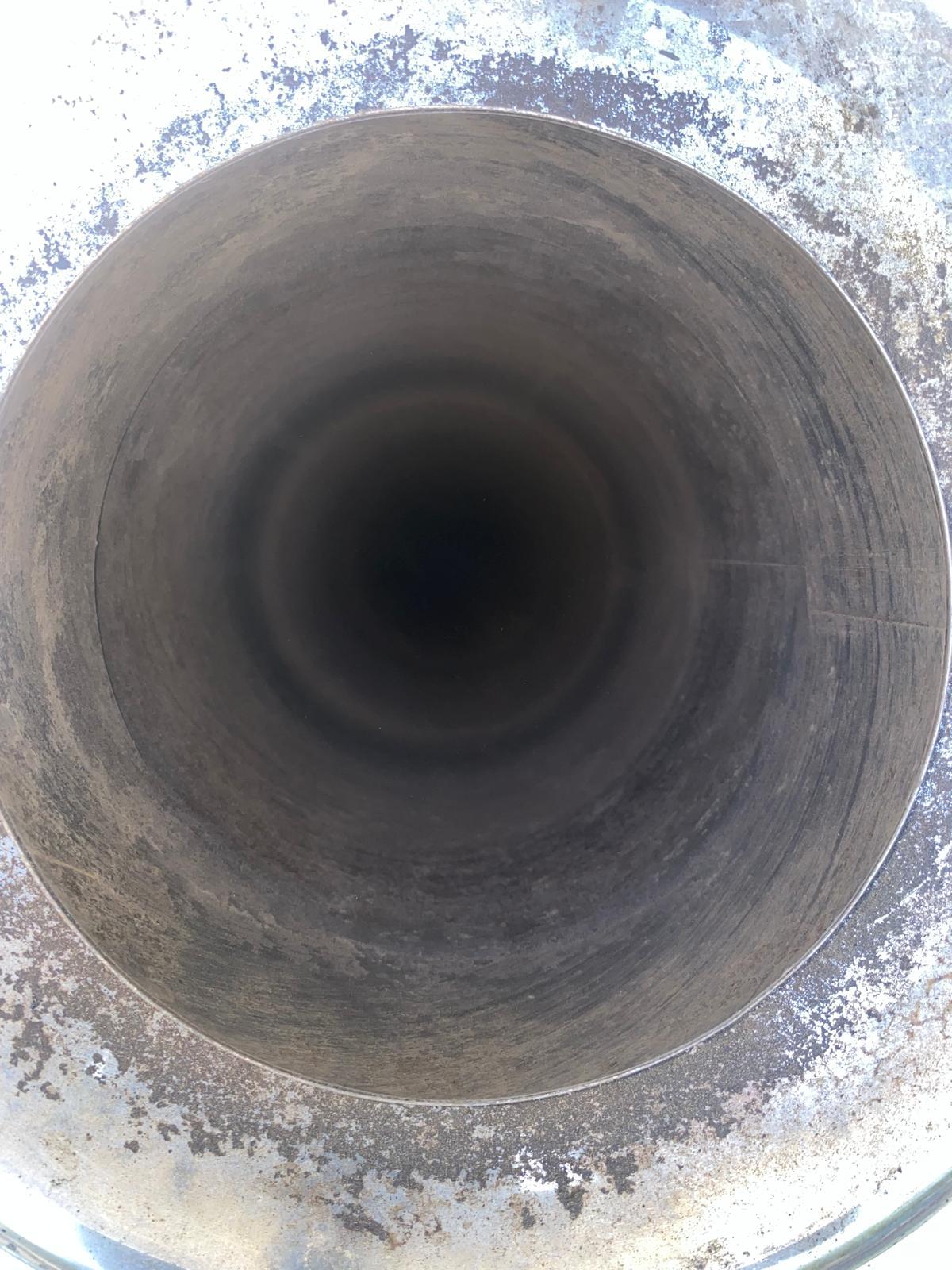
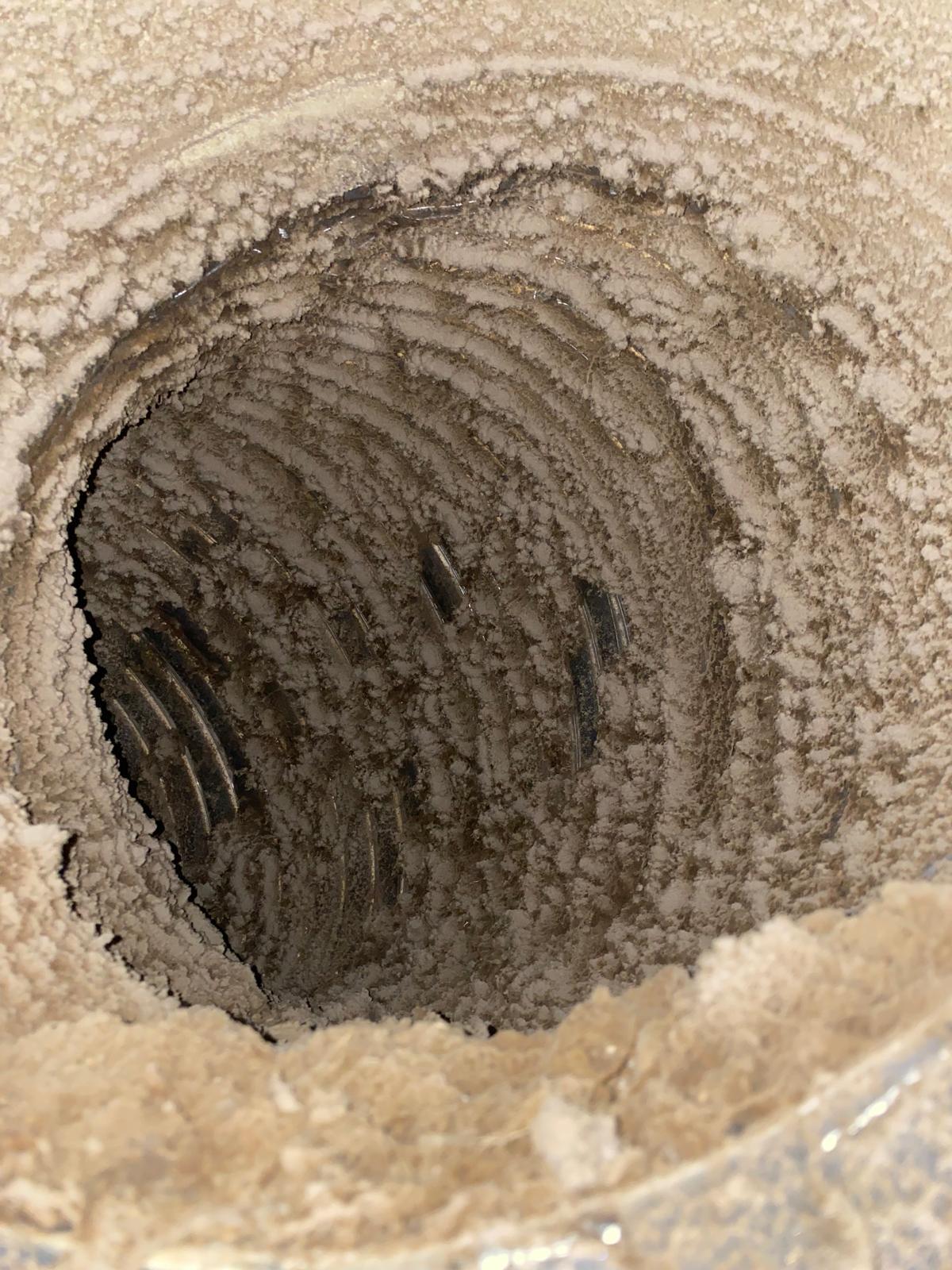
What to look for: While some creosote is normal in a frequently used chimney, excessive, thick, or glazed-over creosote is a major concern. You might see large amounts of black, tar-like deposits inside the flue.
Why it’s an emergency: Creosote is highly flammable. A thick buildup can easily ignite, causing a dangerous chimney fire that can spread to your home. This buildup can happen faster than you think, especially if you’re burning unseasoned wood.
3. Water Stains or Efflorescence
What to look for: Observe any white, powdery deposits on the exterior masonry (efflorescence) or dark stains indicating water penetration. Water stains inside your home, particularly around the fireplace or on the ceiling above it, are also a serious warning.
Why it’s an emergency: Water damage weakens the chimney’s structure over time. It can freeze and expand in colder temperatures, causing bricks and mortar to crack and deteriorate. It can also lead to mold growth and further damage to your home’s interior. Addressing water intrusion is vital for the long-term health of your chimney, especially in coastal areas like Santa Monica where humidity can be a factor.
4. Unusual Smells or Noises
What to look for: Any persistent, acrid smell like burning rubber, strong mustiness, or even the smell of animals (indicating a potential nest) emanating from the fireplace or chimney area warrants investigation. Strange noises like scratching, rustling, or dripping could also be cause for concern.
Why it’s an emergency: Acrid smells often indicate an active fire or smoldering material within the chimney. Musty smells can point to moisture problems and potential mold. Animal nests can create blockages, preventing proper ventilation and posing a fire risk if flammable nesting materials are involved.
5. Chimney Fires (The Most Critical Emergency)
What to look for: You might hear loud popping or cracking noises from the chimney, see flames or sparks shooting from the top, or experience excessive smoke filling your home. The exterior of the chimney might feel unusually hot to the touch.
Why it’s an emergency: This is a clear and present danger. A chimney fire can rapidly spread to your home. Immediate action is required to mitigate the risk.
When Every Second Counts: Contact DD Chimney Cleaning
If you encounter any of the emergency signs listed above, do not hesitate. Your immediate response can prevent severe damage, injury, or loss of your Los Angeles home. At DD Chimney Cleaning, we offer prompt and reliable emergency chimney repair services. Our certified technicians are equipped to handle a wide range of urgent situations, from sudden blockages to structural failures and suspected chimney fires. We understand the unique challenges of maintaining chimneys in the diverse climate and architecture of Los Angeles County, from the Hollywood Hills to the South Bay.
Don’t wait for a small issue to become a catastrophic event. Prioritize your family’s safety and the longevity of your home. We are dedicated to providing swift, professional, and trustworthy service when you need it most. Whether it’s an unexpected creosote fire, a sudden crack discovered after a strong wind, or persistent smoke entering your living space, DD Chimney Cleaning is your go-to emergency solution.
Frequently Asked Questions about Chimney Emergencies
Q1: “I think I have a chimney fire. What should I do immediately?”
A1: If you suspect a chimney fire, your first and most crucial step is to call 911. While waiting for the fire department, close all doors to the fire area and evacuate your home. Do not try to extinguish the fire yourself, as this can be dangerous and ineffective. Once the fire department has addressed the immediate threat, contact DD Chimney Cleaning at (833) 339-6803 for a thorough inspection and repair to prevent future occurrences. If you’re also looking for air duct cleaning help, this helpful resource is a trusted provider.
Q2: “What is creosote, and why is it so dangerous?”
A2: Creosote is a black, tar-like residue that forms when wood doesn’t burn completely. It’s essentially unburned fuel. This sticky substance clings to the inside of your chimney flue. When heated, creosote is highly flammable, and even a small spark can ignite it, leading to a chimney fire. The more creosote you have, the higher your risk of a dangerous fire. For related services, Top Locksmith CA offers excellent solutions.
Q3: “How often should my chimney be inspected, even if I don’t use it often?”
A3: The Chimney Safety Institute of America (CSIA) recommends at least an annual inspection for all chimneys, regardless of usage frequency. Even unused chimneys can be affected by environmental factors like rain, wind, animal nesting, and debris accumulation, which can lead to blockages or structural damage. For fireplaces used regularly, more frequent inspections might be necessary.
Q4: “Can I clean my chimney myself to avoid emergency calls?”
A4: While some minor debris can be removed, deep cleaning and inspection of a chimney system require specialized tools, knowledge, and safety equipment. Professional chimney sweeps are trained to identify hidden dangers, assess the structural integrity, and thoroughly remove flammable creosote. Attempting to clean a chimney yourself without proper expertise can be ineffective and, more importantly, dangerous. For safety and peace of mind, it’s always best to trust the professionals at DD Chimney Cleaning for proper maintenance and emergency repairs.
Don’t let chimney problems cast a shadow of worry over your Los Angeles home. When you suspect an issue, especially one that feels urgent, immediate action is your best defense. For prompt, professional, and reliable emergency chimney repair services, trust the experts at DD Chimney Cleaning. We are here to ensure your fireplace is safe and functional for your enjoyment throughout the year.
Call us now at (833) 339-6803. Your safety is our priority.
Related Services: Chimney Cleaning | Chimney Inspection | Chimney Repair | Fireplace Cleaning