Your carbon monoxide detector, a beacon of modern home safety, might be a ticking time bomb, lulling you into a perilous false sense of security. This isn’t hyperbole; it’s a stark reality for countless Los Angeles homeowners who inadvertently entrust their lives to a device designed to signal a catastrophe that, with proper maintenance, might never escalate. The very existence of such a detector often obscures the foundational preventative measures necessary to keep its alarm from ever sounding. An unmaintained chimney, for instance, operates as a silent conspirator in this dangerous scenario, converting a cozy fireplace into a potential conduit for a deadly gas. In a city like ours, where the crisp evening air can still beckon us towards the warmth of a hearth, understanding this nuanced threat is not merely advisable – it is critically imperative.
The Invisible Threat: Understanding Carbon Monoxide
Carbon monoxide (CO) is often branded the “silent killer,” and for chillingly valid reasons. It is an odorless, colorless, and tasteless gas, making it utterly undetectable by human senses. Born from incomplete combustion, CO molecules are dangerously efficient at binding to hemoglobin in your blood, effectively hijacking your red blood cells and preventing them from carrying oxygen to vital organs and tissues. This oxygen deprivation can quickly lead to severe illness, permanent brain damage, and even death, often before the victim even realizes they are in danger. The symptoms, initially vague, mimic those of the flu: headaches, nausea, dizziness, fatigue. In a multi-occupant household, everyone’s general malaise might be misinterpreted as a shared bug, not a shared poisoning.
While various household appliances can produce CO, a frequently used yet unmaintained chimney represents a significant and often overlooked vector. In Los Angeles, with its diverse architectural landscape ranging from historic Craftsman bungalows to sprawling suburban homes, fireplaces are a cherished amenity. Whether nestled in a rustic cabin-style home in the canyons or a vintage Hollywood Hills residence, a fireplace offers ambiance. However, without a clear and unobstructed pathway for combustion byproducts, including CO, to exit the home, these gases can readily backdraft into living spaces. Even with the milder winters typical of Southern California, the occasional use of a fireplace can create a hazardous accumulation if the flue is compromised.
Your Chimney: More Than Just a Smoke Stack
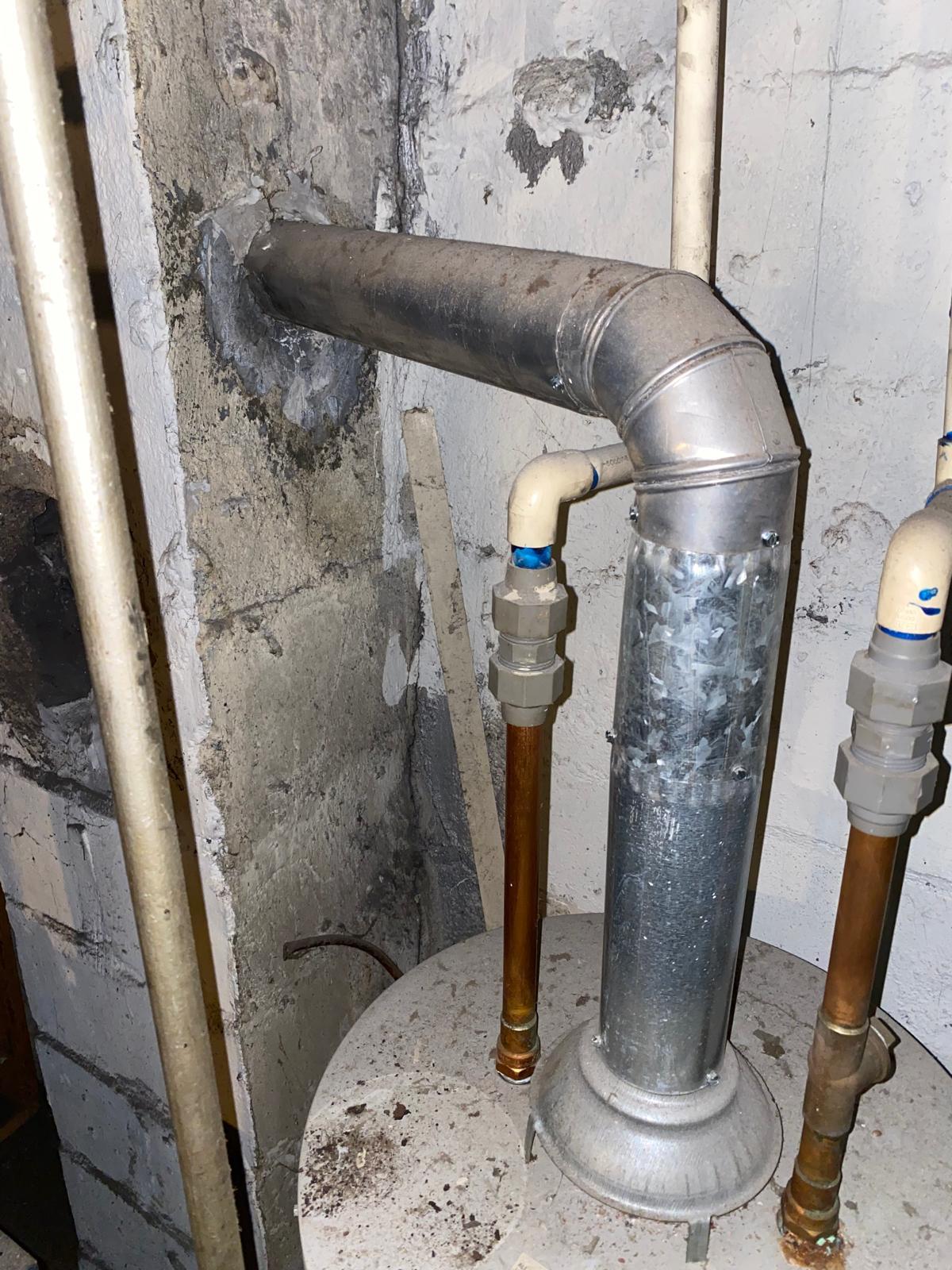
A chimney is far more than a simple tube designed to vent smoke; it is a meticulously engineered system crucial for the safe operation of any fireplace or combustion appliance. Its primary function is to create a negative pressure environment – a “draft” – that draws combustion gases, smoke, creosote, and the highly dangerous carbon monoxide, up and out of your home. This process relies on a clean, intact flue lining and an unobstructed pathway. When any part of this system fails, the efficiency of the draft plummets, and exhaust gases have no choice but to spill back into your living area.
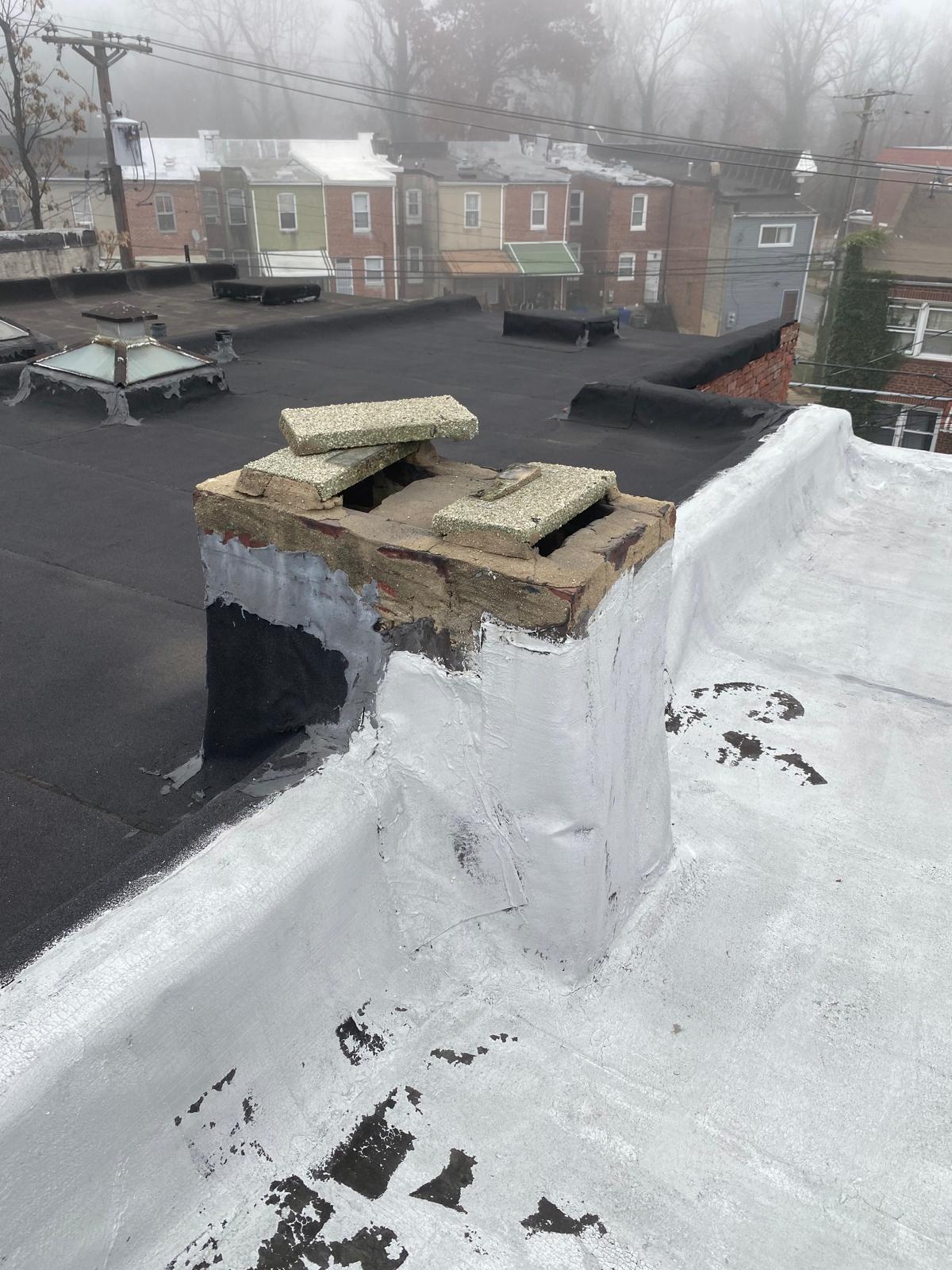
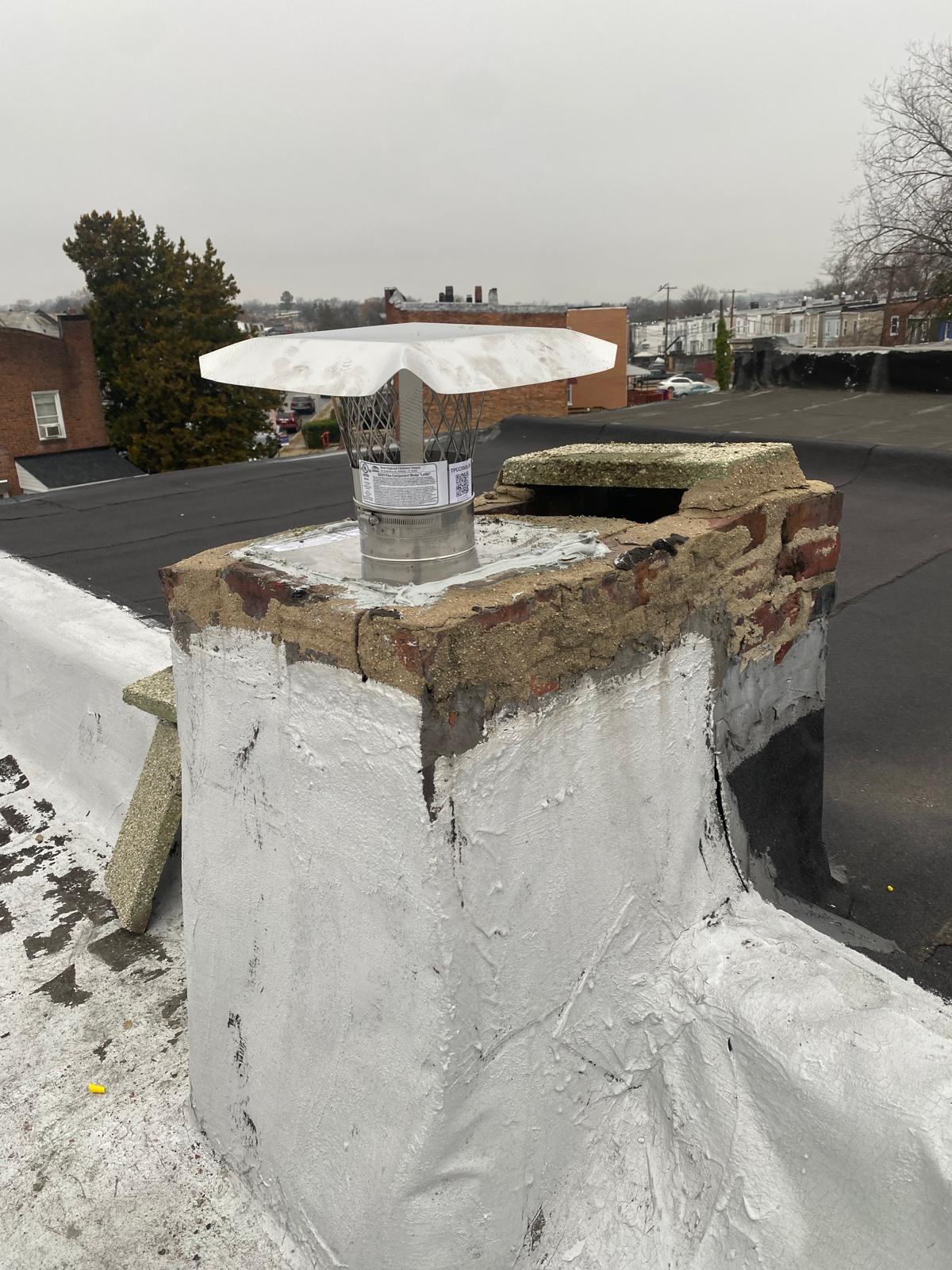
Over time, regular fireplace use leads to the buildup of creosote, a highly flammable byproduct of wood combustion. Creosote comes in various forms, from a powdery soot to a tar-like, hardened glaze, each posing distinct challenges. Beyond creosote, blockages can arise from unexpected sources: animal nests (common in the urban sprawl of Los Angeles where critters seek warm, sheltered spaces), falling debris, or even the deterioration of the chimney structure itself. Cracks in the flue liner, damaged mortar joints, or a faulty damper can further compromise the chimney’s integrity, creating direct pathways for CO to infiltrate your home. It’s a delicate balance that, when disrupted, becomes an immediate threat.
The DIY Approach to Chimney Maintenance: A Calculated Risk?
The spirit of self-reliance is strong in homeowners across Los Angeles. From gardening to home repairs, many prefer the satisfaction and perceived cost savings of tackling projects themselves. Chimney maintenance might seem like another item to add to the DIY list, perhaps after watching a few online videos or purchasing an inexpensive brush kit. However, when it comes to the intricate and safety-critical functions of a chimney, the DIY approach introduces a level of risk that few truly comprehend until it’s too late.
The Allure of Self-Reliance
The motivation to perform DIY chimney maintenance is often rooted in perceived efficiency and cost savings. Homeowners may believe a quick brush-through will suffice, or that they can identify obvious blockages themselves. The idea of saving a few hundred dollars on a professional service can be incredibly appealing, especially in a high-cost-of-living area like Los Angeles. There’s a certain pride in taking care of your home, and some might even view it as a relatively straightforward task, unaware of the hidden complexities and critical safety implications.
The Hidden Dangers & Overlooked Complexities
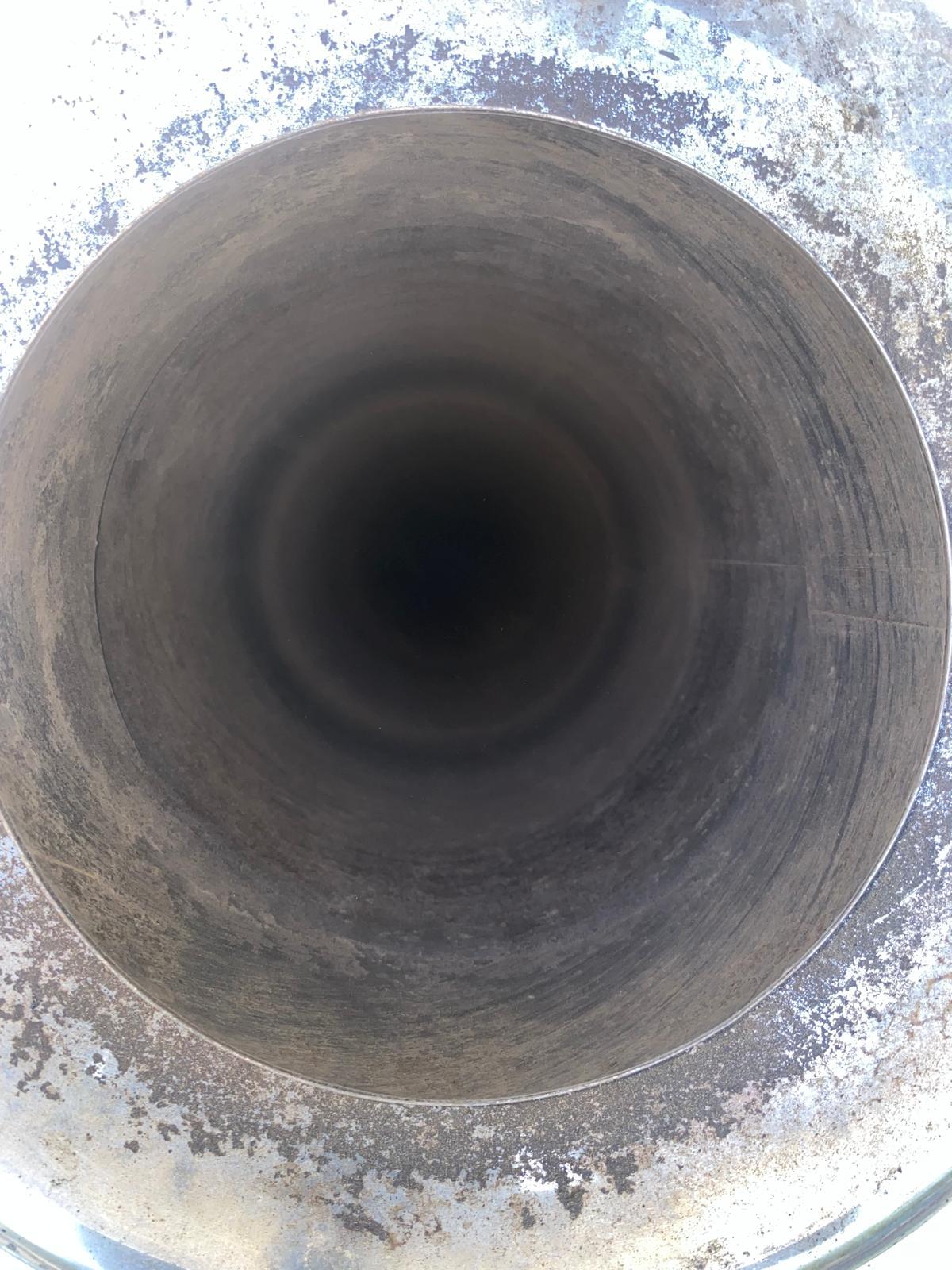
However, the DIY route for chimney care harbors significant and often invisible dangers. Firstly, homeowners rarely possess the specialized tools required for a thorough inspection. This isn’t just about a brush; it includes professional-grade cameras that can navigate the entire length of the flue, inspecting every inch for cracks, spalling, or hidden blockages that are utterly impossible to see from below or above. A mere visual check from the ground or roof only scratches the surface, leaving critical defects unaddressed.
Secondly, without expert knowledge, homeowners can easily misdiagnose or completely miss serious issues. Is that a minor crack, or a severe breach in the flue liner that could allow hot gases and carbon monoxide to seep into your walls or attic? Is that merely soot, or dangerous, hardened third-degree creosote requiring specialized removal techniques? Attempting to scrape stubborn creosote without proper tools can damage the flue liner, turning a maintenance task into a costly repair and creating a new pathway for hazards. Furthermore, working on a roof carries inherent risks of falls and injuries, a risk not to be understated. For properties in hilly areas of LA, like those overlooking Griffith Park or the Hollywood sign, roof access can be particularly treacherous. The perceived savings can quickly evaporate in emergency medical bills or catastrophic home damage.
The Professional Path: Uncompromising Safety and Expertise
Entrusting your chimney maintenance to certified professionals transcends a simple cleaning service; it’s an investment in the safety, longevity, and structural integrity of your home. A professional chimney sweep brings an unparalleled level of expertise, specialized equipment, and adherence to safety standards that no DIY attempt can replicate.
Beyond the Brush: What a Certified Chimney Sweep Provides
A certified chimney sweep’s approach begins with a comprehensive inspection, far surpassing what any homeowner can achieve. Professionals perform different levels of inspection (Level 1 for routine checks, Level 2 for property changes or sale, Level 3 for serious damage), each employing specific techniques. They use high-definition cameras to navigate the entire length of the flue, scrutinizing every joint, every surface for minute cracks, deterioration, or subtle blockages. They identify not just obvious creosote but also assess its type and stage, crucial for determining the most effective and safest removal method. This often involves specialized vacuums to ensure complete containment of soot and debris, preventing it from contaminating your living spaces.
Moreover, professionals are adept at identifying structural weaknesses, deteriorating mortar joints, or issues with the chimney crown that could allow water intrusion, leading to further damage. They are also trained to spot less obvious issues like improper damper function, inefficient flue design for your particular appliance, or animal intrusions – a common occurrence in the diverse Los Angeles ecosystem, where birds, raccoons, and squirrels seek refuge in chimneys. Their expertise ensures that all components of your chimney system are working in harmony to safely vent combustion byproducts, critically including carbon monoxide, out of your home. This also means adherence to national fire safety standards (like NFPA 211) and local building codes, offering an unassailable layer of protection that DIY cannot provide.
The Peace of Mind Investment
The decision to hire a professional is ultimately an investment in peace of mind. The financial outlay for a certified chimney sweep pales in comparison to the potential costs of carbon monoxide poisoning, chimney fires, extensive home repairs, or the invaluable cost of human life. A professional service safeguards your home against devastating chimney fires by thoroughly removing flammable creosote. More importantly, it acts as your primary defense against the silent, insidious threat of carbon monoxide, ensuring that dangerous gases are safely expelled and never permitted to re-enter your living environment. This proactive approach not only protects your family’s health and safety but also prolongs the life of your chimney system, enhancing your home’s value and ensuring its safe operation for years to come. In Los Angeles’ dynamic real estate market, a well-maintained chimney is a testament to a well-cared-for home. Many of our readers also trust professional air duct cleaning Los Angeles for their home service needs.
Prevention is Paramount: Don’t Wait for the Alarm
The most effective strategy against carbon monoxide poisoning and chimney fires is vigilant prevention. Do not wait for your CO detector to sound its shrill alarm, signaling that a dangerous concentration of gas is already present. Instead, adopt a proactive stance on chimney maintenance. Regular, annual inspections and cleanings by a certified professional are not merely a suggestion; they are a fundamental component of responsible homeownership, particularly if you use your fireplace frequently during those occasional cool LA evenings. Beyond professional services, ensure you have functioning carbon monoxide detectors installed on every level of your home, especially near sleeping areas. These devices are your critical last line of defense, but their purpose should be to serve as a backup, not the primary monitor of your chimney’s health.
Frequently Asked Questions About Chimney Safety & Carbon Monoxide
Q1: How often should I have my chimney inspected/cleaned?
A: The Chimney Safety Institute of America (CSIA) recommends that chimneys serving wood-burning appliances be inspected at least once a year. This annual inspection allows professionals to assess creosote buildup, identify potential blockages, and catch any structural deterioration before it becomes a major safety hazard. Cleaning should be done as needed, typically when creosote buildup reaches 1/8 inch or more.
Q2: Can a chimney really cause CO poisoning even if I only use my fireplace occasionally?
A: Absolutely. Even infrequent use can lead to dangerous levels of creosote accumulation or allow animals to build nests. If the flue is blocked or damaged, even a single fire can produce enough carbon monoxide to backdraft into your home, posing a severe risk. The “silent killer” doesn’t differentiate between frequent and occasional users.
Q3: What are the main signs my chimney might be unsafe or blocked?
A: Key warning signs include smoke entering your home instead of going up the chimney, difficulty getting a fire started or keeping it burning, a strong smell of smoke even when the fireplace isn’t in use, a visible buildup of creosote (black, flaky, or tar-like substance)