Your chimney is secretly costing you a fortune in utility bills, even when you’re not using it.
It might sound counter-intuitive, especially here in sunny Los Angeles where winter fires are more of a cozy occasional luxury than a daily necessity. But the reality is, a neglected chimney isn’t just a fire hazard; it’s a silent energy vampire, relentlessly siphoning away your carefully paid-for heating and cooling. We understand. You’re constantly looking for ways to make your home more comfortable, more sustainable, and less expensive to run. The thought of an overlooked architectural feature draining your wallet is frustrating, to say the least. But what if we told you that addressing this often-forgotten part of your home could lead to significant savings and a more efficient living space? It’s not about magic; it’s about physics and proper maintenance.
The Unseen Drain: How a Dirty Chimney Erodes Energy Efficiency
Whether you’re battling the occasional cool snap in December or the relentless heatwaves that define our Los Angeles summers, your home’s thermal envelope is constantly at work. Your chimney, if not properly maintained, can become a significant weak point in this system. It acts as an open invitation for conditioned air to escape and unconditioned air to intrude, forcing your HVAC system to work overtime.
Heating season: When warmth escapes and cold creeps in
When you do light a fire to take the chill off a crisp Hollywood Hills evening, a dirty chimney compounds the problem. A buildup of creosote and soot creates resistance in the flue, impeding the natural draft. This means:
- Reduced Heat Transfer: Your fire won’t burn as efficiently, producing less heat for the same amount of fuel. More heat goes up the chimney (ineffectively) rather than into your living space.
- Increased Fuel Consumption: To compensate for the poor heat output, you burn more wood, driving up costs.
- Creosote Insulation: Layers of creosote act as an insulator, but in the wrong way. They absorb heat rather than allowing it to radiate into your home, essentially “stealing” warmth.
- Backdrafting: In severe cases, poor draft can cause smoke and even dangerous carbon monoxide to spill back into your home, forcing you to open windows and lose even more heat.
Cooling Season: The Stack Effect and Unwanted Air Intrusion
Perhaps the most overlooked energy drain in our climate is the impact of a dirty chimney during the long cooling season. The “stack effect” is a phenomenon where warm air rises, creating a pressure differential that can pull cooler, conditioned air out of your home through leaks and openings, including the chimney flue. A dirty or improperly sealed chimney exacerbates this:
- Exaggerated Stack Effect: A clear, unimpeded flue acts like a natural exhaust system for your interior air. As cool air is pulled out the top, it creates a negative pressure that draws in unconditioned, often hotter, humid air from outside through other gaps in your home’s structure.
- Convective Heat Transfer: Even when not in use, the materials in a dirty chimney, especially if exposed to the sun, can absorb and radiate heat into your home, particularly into upper stories, making your AC system work harder to overcome this constant influx of warmth.
- Compromised Dampers: Soot and debris can prevent your chimney damper from closing completely. Even a small gap allows a continuous exchange of air, letting your precious cool air escape and hot Los Angeles air infiltrate. Imagine leaving a window slightly ajar all summer – that’s effectively what an ill-fitting or obstructed damper does.
DIY Chimney Cleaning: A False Economy?
In our increasingly do-it-yourself culture, the idea of tackling home maintenance tasks oneself can be incredibly appealing. “Why pay someone when I can just do it myself and save a few bucks?” It’s a sentiment many Angelenos share, especially with the cost of living. However, when it comes to chimney cleaning, this mindset can lead to a dangerous and ultimately more expensive outcome, particularly when energy efficiency is a key concern.
The Allure of the Home Kit
Online tutorials and hardware store kits promise a straightforward solution: a brush, a rod, and a little elbow grease. The immediate savings seem obvious, and the satisfaction of a job “well done” is enticing. For minor soot accumulation from very infrequent use, perhaps, some might see a negligible risk. But for anything beyond the lightest dusting, the DIY approach quickly shows its limitations.
The Hidden Costs & Risks of DIY
Attempting to clean your chimney yourself often falls into the category of a false economy. The perceived initial savings are often dwarfed by the potential for costly damage, persistent energy waste, and significant safety hazards.
1. Ineffectiveness and Incomplete Cleaning
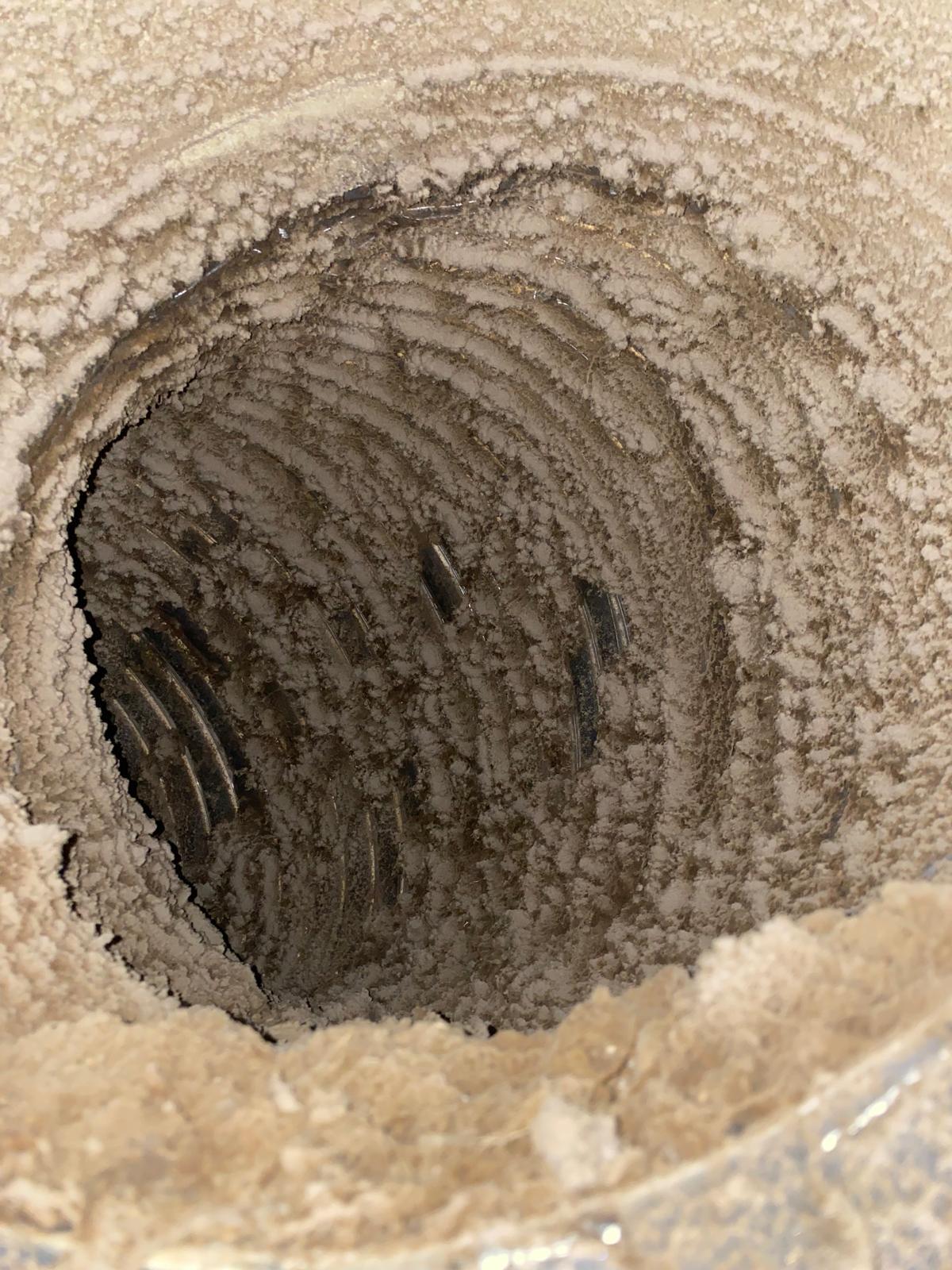
Unlike a professional who can assess the type and amount of buildup (ranging from fluffy soot to glazed, hard-as-rock creosote), a DIY enthusiast often lacks the specific tools and expertise. A generic brush might only skim the surface, leaving behind crucial layers of creosote that continue to:
- Impede Draft: The primary reason for energy inefficiency remains, forcing your HVAC or fireplace to struggle.
- Retain Heat (or Cold): The insulating effect of creosote persists, contributing to heat loss in winter and heat gain in summer.
- Pose a Fire Risk: The most dangerous aspect; even a thin layer of highly flammable creosote can ignite.
2. Damage Risk: A Costly Mistake
Without proper training, it’s alarmingly easy to damage critical components of your chimney structure. Shoving a brush too forcefully or using the wrong type of equipment can:
- Crack Flue Liners: These liners are essential for containing heat, smoke, and gases. A crack can lead to carbon monoxide leaking into your home or sparks igniting combustible materials in your walls – a nightmare scenario in any Los Angeles home.
- Harm Dampers: Forcing a brush against a damper can bend or break it, preventing a complete seal. This directly translates to energy loss, as conditioned air escapes and unconditioned air enters year-round, impacting both your heating and cooling bills.
- Dislodge Mortar: Compromising the structural integrity of your chimney can lead to more extensive and expensive repairs down the line, far outweighing any initial DIY savings.
3. Safety Hazards: Beyond Energy Loss
This is arguably the most critical aspect. Energy efficiency is important, but safety comes first. DIY chimney cleaning comes with substantial risks:
- Chimney Fires: If you miss significant creosote buildup, you’ve done little to prevent a chimney fire, which can quickly spread to your entire home. Given LA’s wildfire concerns, any fire risk is taken extremely seriously.
- Carbon Monoxide Poisoning: A blocked or damaged flue can lead to this odorless, colorless killer entering your living space. Professionals not only clean but inspect for proper ventilation.
- Falls and Injuries: Working on roofs, especially steep ones common in some parts of Los Angeles, is inherently dangerous without proper safety equipment and training.
The notion of DIY cleaning saving money on energy bills is flawed because an inadequately cleaned or damaged chimney continues to be an energy drain, alongside presenting severe safety concerns. It’s not a solution; it’s a deferral of the real problem, potentially escalating the cost and risk.
The Professional Edge: Why DD Chimney Cleaning is an Investment in Efficiency and Safety
Opting for a professional chimney cleaning service like DD Chimney Cleaning isn’t merely about scrubbing soot; it’s a comprehensive approach to home safety, longevity, and, crucially, energy efficiency. When you trust your chimney to experienced professionals, you’re investing in true peace of mind and tangible savings.
Comprehensive Assessment Beyond the Soot
Unlike a DIY attempt, a professional cleaning begins with a thorough inspection. Our certified technicians at DD Chimney Cleaning serving the greater Los Angeles area don’t just look for creosote; they meticulously examine:
- Flue Liner Integrity: Identifying cracks, missing sections, or deterioration that could compromise safety and allow heat/cold transfer.
- Dampers and Seals: Ensuring your damper closes tightly, preventing air leakage in either heating or cooling seasons.
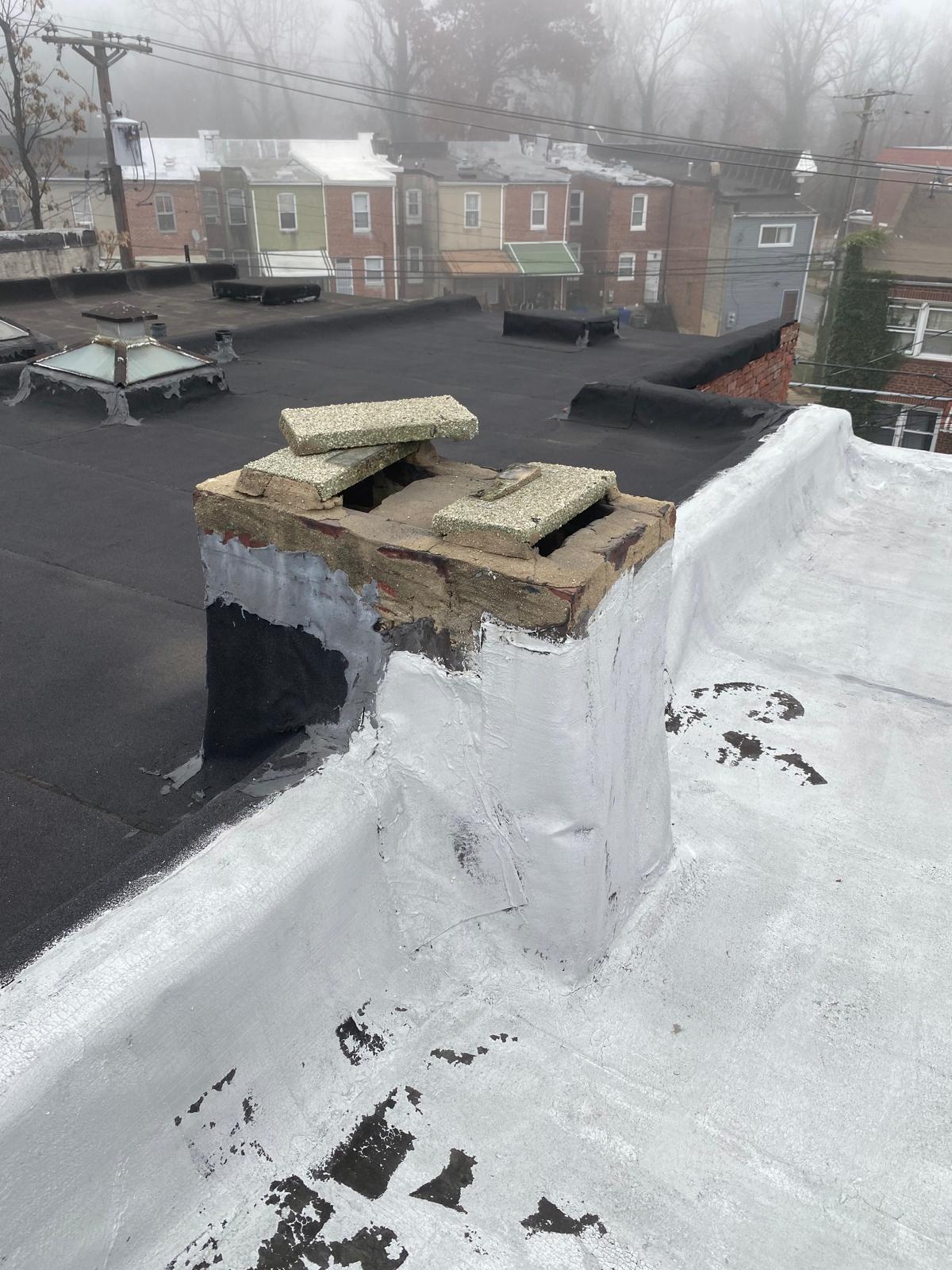
- Chimney Cap/Crown Condition: Checking for damage that could allow moisture intrusion (leading to inefficiency and damage) or bird/animal nests that block ventilation and trap heat.
- Overall Structure: Looking for masonry deterioration, spalling bricks, or other issues that affect your chimney’s insulation value and air-tightness.
This initial assessment is critical for understanding the overall energy performance of your chimney system. For related services, duct duct ccleaning llc offers excellent solutions.
Thorough Cleaning with Specialized Tools
Professional technicians utilize a range of specialized brushes, rods, vacuums, and even camera systems that homeowners simply don’t have access to or expertise in using. This ensures:
- Complete Creosote Removal: Addressing all three stages of creosote effectively, from powdery soot to hardened, tar-like glazed creosote that poses the highest fire risk and impedes air flow most severely.
- Blockage Clearing: Identifying and safely removing common blockages like animal nests, leaves, or construction debris that obstruct proper venting and airflow, turning your chimney into a significant thermal bridge.
- Dust-Free Process: Using powerful, filtered vacuums to contain soot and debris, keeping your Los Angeles home clean during the process.
Ensuring Optimal Draft for Year-Round Comfort
A professionally cleaned chimney ensures optimal draft, which is paramount for energy efficiency in all seasons:
- Heating: A clear flue allows smoke and byproducts to exit efficiently, encouraging a hotter, cleaner burn that transfers more heat into your home rather than up the flue. Less fuel, more warmth.
- Cooling: A well-sealed and clean flue means your damper can create an airtight seal when not in use. This prevents the “stack effect” from drawing cooled air out and hot, humid L.A. air in, significantly reducing your AC’s workload and energy consumption.
Long-Term Savings and Peace of Mind
While there’s an upfront cost for professional cleaning, the long-term benefits far outweigh it:
- Reduced Utility Bills: By preventing energy loss through a compromised chimney, your heating and cooling systems operate more efficiently, directly leading to lower monthly bills. This is especially true in our climate where AC runs for months on end.
- Extended System Life: When your HVAC isn’t constantly overworking due to energy leaks, it experiences less wear and tear, extending its lifespan and delaying costly replacements.
- Reduced Repair Costs: Early detection of minor issues prevents them from becoming major, expensive problems.
- Enhanced Safety: The most priceless benefit. A clean, inspected chimney drastically reduces the risk of chimney fires and carbon monoxide intrusion, protecting your family and your Los Angeles property.
For homes across Los Angeles, from Santa Monica to Pasadena, a professionally maintained chimney is a vital component of a truly energy-efficient and safe household.
FAQ: Your Questions on Chimneys, Efficiency, and Cleaning Answered
Q1: How often should my chimney be cleaned for optimal energy efficiency?
A1: For optimal energy efficiency and safety, the National Fire Protection Association (NFPA) recommends annual inspections of all chimneys, fireplaces, and vents. Cleaning should be done as needed based on the inspection, typically once a year if you use your fireplace regularly (even a few times during a Los Angeles winter) or if there’s significant creosote buildup or blockage. Even if rarely used, debris or animal nests can accumulate, so an annual check is still prudent to ensure proper sealing for cooling efficiency.