\n
One common, yet critical, misstep Los Angeles homeowners make after a chimney inspection is simply filing away the report without truly understanding its contents. An inspection report isn’t just paperwork; it’s a diagnostic blueprint for your home’s fireplace system, detailing its health, safety, and operational efficiency. Ignoring or misinterpreting it can lead to costly repairs, diminished performance, or, worse, significant safety hazards. This guide is designed to cut through the jargon, helping you grasp common findings and equip you with realistic expectations for repair estimates in the bustling LA market.
\n\n
Understanding Your Chimney Inspection Report: Key Sections
\n\n
Your report typically categorizes the inspection based on its scope, each level revealing a different depth of analysis. Knowing which level was performed clarifies what information to expect.
\n\n
Level 1 Inspection: The Basic Visual Check
\n
- \n
- What it is: This is a routine inspection, often performed during a regular chimney cleaning. It involves a visual scan of readily accessible portions of the chimney interior and exterior, the fireplace, and connections.
- Focus: Checking for basic soundness of the chimney structure and flue, proper appliance connections, and a clear flue pathway. It aims to determine if the system is free from obvious obstructions and creosote buildup.
- When it’s done: Annually with cleaning, or if you haven’t altered your system and experienced no known issues.
- What to expect in the report: Mentions of creosote accumulation levels, general structural integrity of accessible parts, and basic operational observations. Minimal detail beyond surface findings.
\n
\n
\n
\n
\n\n
Level 2 Inspection: When More Detail is Required
\n
- \n
- What it is: A more comprehensive examination, including all Level 1 requirements plus a visual inspection of the internal surfaces and joints of the flue liner, often using a specialized chimney camera. This also includes accessible portions of the attic, crawl space, and exterior structure.
- Focus: Detecting hidden damage, structural compromises, blockages, or changes that might not be visible externally. Crucial for understanding the full health of your chimney system.
- When it’s done:\n
- \n
- Upon sale or transfer of property, a standard requirement in Los Angeles real estate transactions.
- After an operational malfunction or external event like a minor earthquake (common in Southern California) or a chimney fire.
- When making changes to the heating appliance or flue type.
- Before relining or making other significant chimney system modifications.
\n
\n
\n
\n
\n
- What to expect in the report: Detailed findings on flue liner integrity (cracks, gaps), internal structural issues, evidence of water intrusion, obstruction specifics, and often photographic or video evidence. This report forms the basis for most repair recommendations.
\n
\n
\n
\n
\n\n
Level 3 Inspection: The Invasive Examination
\n
- \n
- What it is: This is the most thorough and invasive inspection, typically performed only when a Level 2 inspection reveals a serious hazard or concealed deficiency that cannot be fully assessed otherwise. It involves removing components of the chimney or building structure as needed.
- Focus: Pinpointing the exact nature and extent of severe structural damage, often requiring partial demolition for full visual access.
- When it’s done: Very rarely, only when a Level 1 or 2 inspection strongly indicates a hidden, severe problem requiring physical access beyond normal scope to diagnose and plan repair.
- What to expect in the report: Explicit details of severe structural flaws, extensive damage, or safety compromises, usually accompanied by a clear remediation plan.
\n
\n
\n
\n
\n\n
Common Chimney Inspection Findings and Repair Insights
\n\n
Understanding these typical issues will help you interpret your DD Chimney Cleaning report and anticipate necessary actions. Repair estimates below are approximate for the Los Angeles area and can vary significantly based on material, complexity, and specific contractor rates.
\n\n
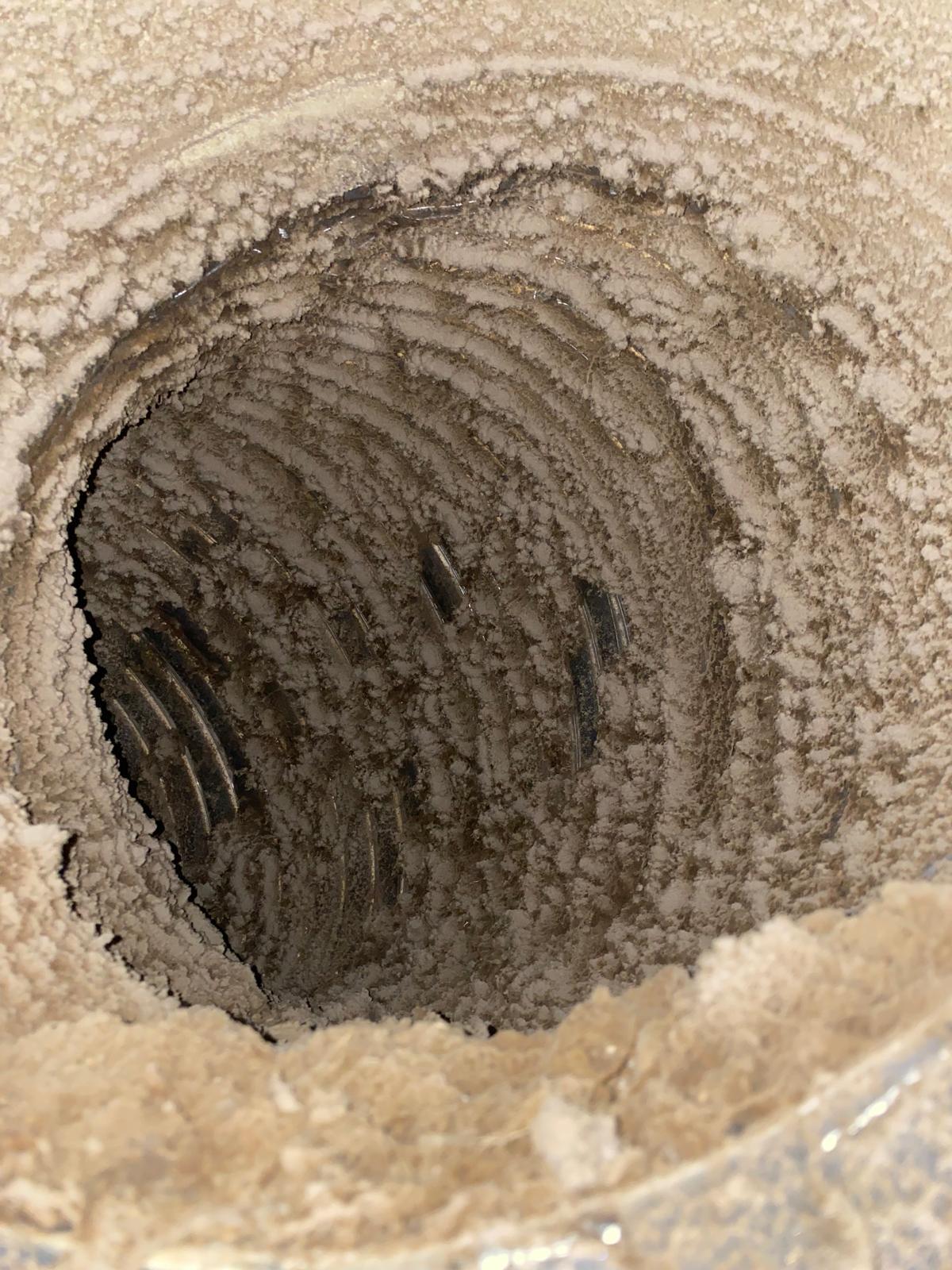
Creosote Buildup
\n
- \n
- What it is: A highly flammable residue from burning wood, accumulating inside the flue. It ranges from a flaky, sooty substance (Level 1) to a hard, glazed, tar-like deposit (Level 3), which is extremely difficult to remove and poses a high fire risk.
- Why it matters: Major cause of chimney fires. Impedes proper draft, reducing fireplace efficiency.
- Repair/Action: Professional chimney sweeping. For severe, glazed creosote, specialized chemical treatments and intense mechanical agitation may be required.
- LA Estimate: Standard sweeping from $150 – $350. Specialized creosote removal can range from $400 – $800+ depending on severity and methods.
\n
\n
\n
\n
\n\n
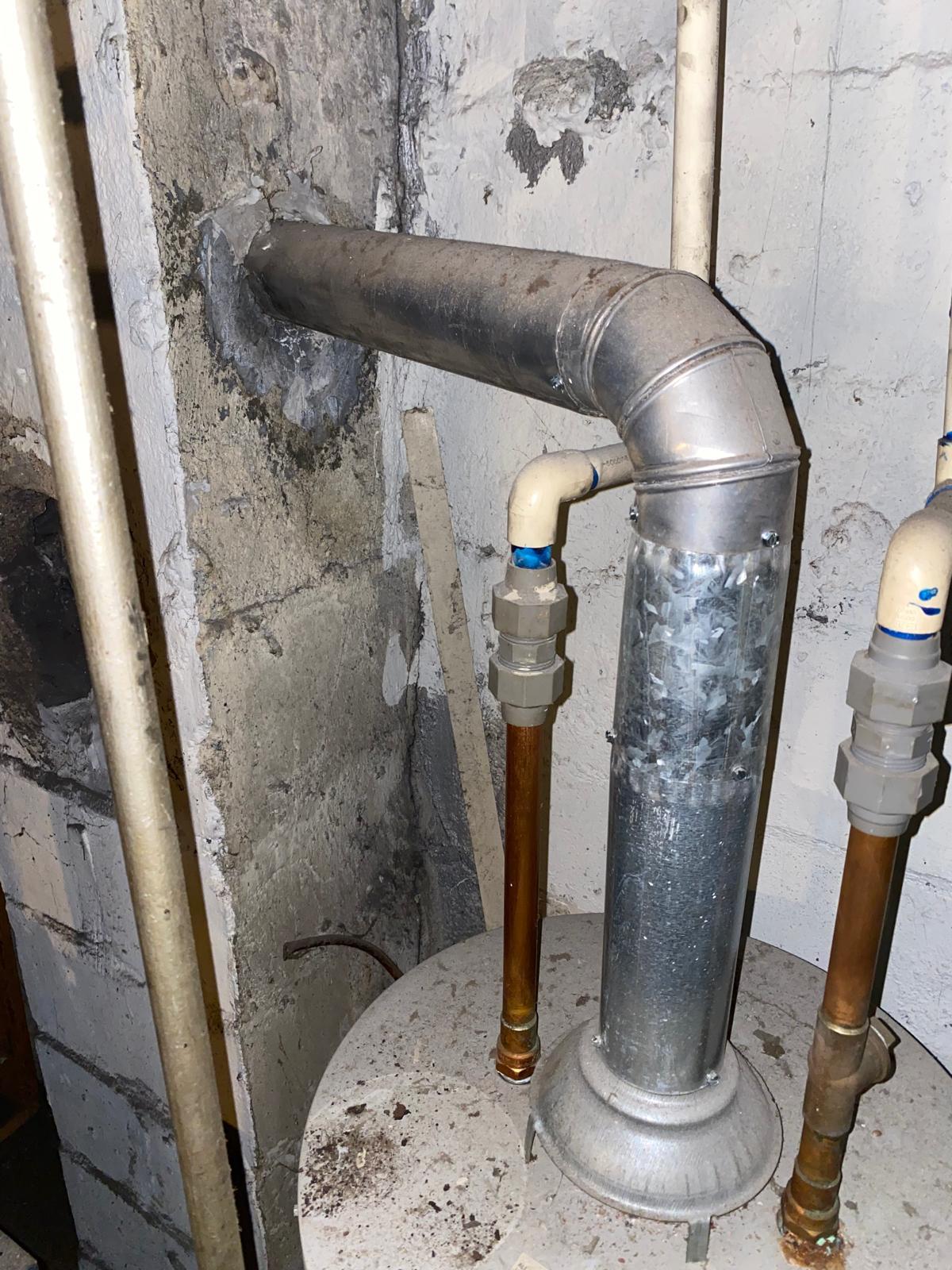
Damaged Flue Liner
\n
- \n
- What it is: Cracks, spalling, gaps, or deterioration of the clay tile, metal, or cast-in-place liner system within the chimney.
- Why it matters: A compromised liner allows heat and dangerous combustion byproducts (carbon monoxide, smoke) to escape into your home’s structure, posing fire and health hazards. Crucial for containing heat and guiding exhaust safely.
- Repair/Action:\n
- \n
- Minor cracks/gaps: Sectional repair or patching may be feasible.
- Extensive damage: Relining the entire flue. Options include stainless steel liners (most common for LA homes), cast-in-place liners, or specialized coating systems.
\n
\n
\n
- LA Estimate:\n
- \n
- Minor repairs: $300 – $800.
- Full stainless steel liner installation (including material, labor, and insulation for a standard 20-30 ft chimney): $2,500 – $6,000+, depending on liner diameter and complexity.
\n
\n
\n
\n
\n
\n
\n
\n\n
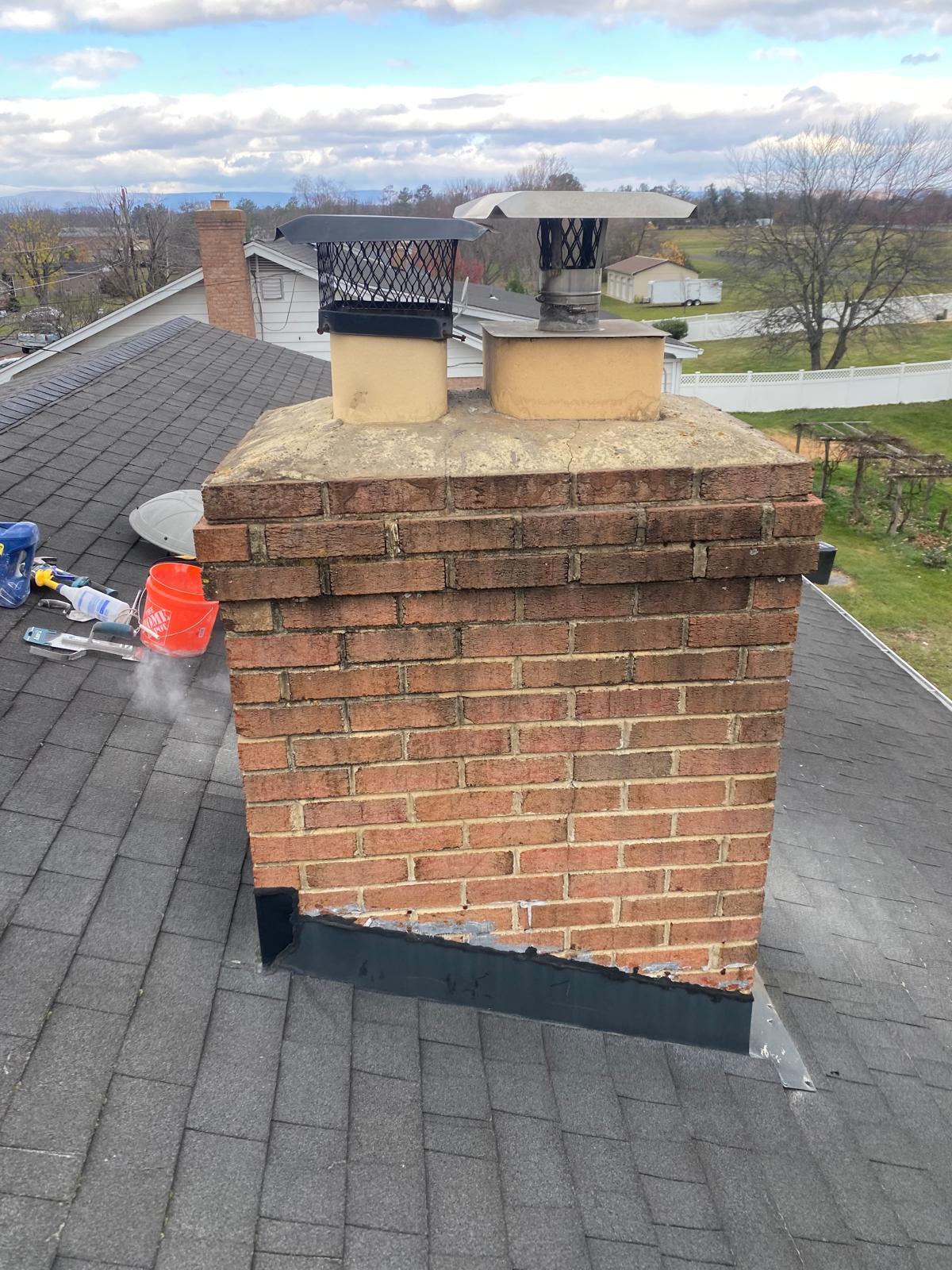
Cracked Chimney Crown
\n
- \n
- What it is: The concrete slab at the very top of the chimney, designed to shed water away from the flue and chimney structure. Cracks allow water penetration.
- Why it matters: Water seeping into the chimney masonry causes accelerated deterioration, spalling bricks, and can lead to extensive internal damage. This is particularly relevant in LA during our wet season.
- Repair/Action:\n
- \n
- Minor cracks: Application of a sealant or crown coat.
- Major cracking/deterioration: Full crown replacement.
\n
\n
\n
- LA Estimate:\n
- \n
- Sealant/coating: $250 – $600.
- Full crown replacement: $800 – $2,500+, depending on size, accessibility, and material.
\n
\n
\n
\n
\n
\n
\n
\n\n
Missing or Damaged Chimney Cap/Spark Arrestor
\n
- \n
- What it is: The protective cover at the top of the chimney. The spark arrestor is a mesh screen that prevents embers from escaping.
- Why it matters: A missing or damaged cap allows rain, animals (like birds and squirrels common in LA’s suburban areas), and debris to enter the flue, causing blockages and water damage. A spark arrestor is a critical fire safety component, especially in high fire-risk zones like many parts of Los Angeles.
- Repair/Action: Installation of a new, appropriately sized, and code-compliant chimney cap with an integrated spark arrestor.
- LA Estimate: $150 – $450 for standard galvanized or stainless steel caps, installed. Custom or larger caps may exceed this.
\n
\n
\n
\n
\n\n
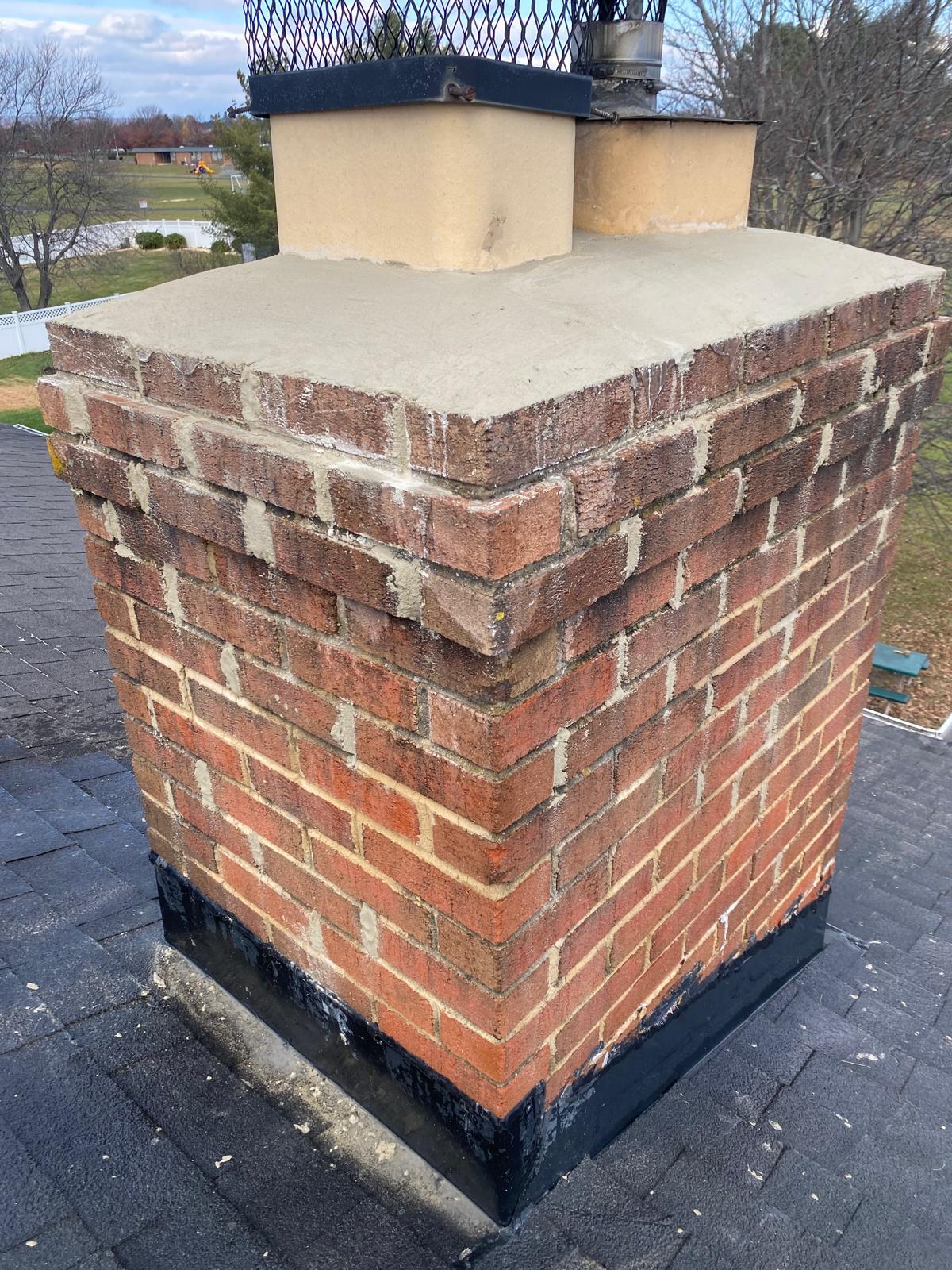
Mortar Joint Deterioration (Spalling Bricks)
\n
- \n
- What it is: The mortar between bricks or stones wears away over time due to weather exposure, age, or poor initial construction. Spalling refers to bricks flaking or breaking apart due to moisture freezing and expanding within them.
- Why it matters: Weakens the structural integrity of the chimney, making it unstable. Allows water penetration, exacerbating damage and accelerating internal decay.
- Repair/Action:\n
- \n
- Tuckpointing: Grinding out old, damaged mortar and replacing it with new mortar.
- Brick replacement: For severely spalled or crumbling bricks.
- Rebuilding: In extreme cases, sections or the entire chimney stack may need to be rebuilt.
\n
\n
\n
\n
- LA Estimate:\n
- \n
- Tuckpointing (per lineal foot or small section): $30 – $70/linear foot. A typical repair might be $500 – $2,500+ depending on extent.
- Rebuilding (per foot, highly variable): $150 – $400+ per lineal foot for chimney stack, possibly totaling $3,000 – $10,000+ for a significant portion.
\n
\n
\n
\n
\n
\n
\n
\n\n
Water Intrusion/Damaged Flashing
\n
- \n
- What it is: Water entering the chimney system or your home where the chimney meets the roofline. Damaged flashing (the metal sheets sealing this junction) is the primary culprit. Rust on metal components indicates water presence.
- Why it matters: Leads to extensive damage: rotted wood framing, compromised attic insulation, deteriorated masonry, and potential mold growth. Significant property damage can ensue if neglected.
- Repair/Action: Repair or replacement of the chimney flashing. Could also involve masonry waterproofing if the brick is excessively porous.
- LA Estimate:\n
- \n
- Flashing repair: $300 – $800 (minor resloping/sealing).
- Full flashing replacement: $700 – $2,000+, depending on chimney size, roof pitch, and material.
- Masonry waterproofing: $300 – $700.
\n
\n
\n
\n
\n
\n
\n
\n
\n\n
Obstructions
\n
- \n
- What it is: Anything blocking the flue, such as animal nests (birds, raccoons common in urban LA), leaves, debris, or fallen masonry.
- Why it matters: Prevents proper venting of smoke and carbon monoxide, forcing dangerous gases back into your home. Increases the risk of chimney fires by trapping heat.
- Repair/Action: Physical removal of the obstruction, often requiring specialized tools and techniques. Following removal, a thorough cleaning is usually performed. Installation of a chimney cap can prevent recurrence.
- LA Estimate: $200 – $600+ for professional removal, often combined with a basic sweep. More complex animal removals may require specialized pest control.
\n
\n
\n
\n
\n\n
Damaged Firebox
\n
- \n
- What it is: Cracks, missing mortar, or deteriorating firebrick within the firebox, the interior chamber where fires are built.
- Why it matters: Compromises the structural integrity of the firebox, allowing extreme heat to transfer to combustible materials behind and around it, creating a severe fire hazard to your LA home.
- Repair/Action:\n
- \n
- Minor cracks/mortar: Tuckpointing or patching of firebrick and mortar.
- Extensive damage: Partial or full rebuilding of the firebox using new firebrick and high-temperature mortar.
\n
\n
\n
- LA Estimate:\n
- \n
- Minor firebox repairs: $400 – $1,200.
- Partial to full firebox rebuild: $1,500 – $4,000+, depending on size and material.
\n
\n
\n
\n
\n
\n
\n
\n\n
Navigating Repair Estimates in Los Angeles
\n\n
Los Angeles is a diverse and dynamic market, and chimney repair costs reflect this. Factors influencing your final estimate include the age and complexity of your chimney, ease of access (e.g., steep roofs, tight spaces), the specific materials chosen, and local permitting requirements for major structural work. Always request a detailed, written estimate clearly outlining labor, materials, and scope of work from any professional. Consider getting multiple quotes to ensure competitive pricing for quality work.
\n\n
Frequently Asked Questions About Chimney Inspections and Repairs
\n\n
Here are direct answers to common queries for LA homeowners. Speaking of home maintenance, visit their website provides top-quality air duct cleaning, chimney services & dryer vent cleaning. Many of our readers also trust Air Duct Cleaning in Los Angeles for their home service needs.
\n\n
Q1
Our Chimney Services:
Professional chimney cleaning and chimney inspection services available nationwide. Our CSIA-certified technicians serve Chicago, New York, Boston, Houston, and hundreds of cities nationwide. Call (833) 339-6803 for a free inspection.
Our Chimney Services:
Professional chimney cleaning and chimney inspection services available nationwide. Our CSIA-certified technicians serve Chicago, New York, Boston, Houston, and hundreds of cities nationwide. Call (833) 339-6803 for a free inspection.