\n
Did you know that the cozy warmth radiating from your fireplace in a chilly Los Angeles evening isn’t just a simple flame? It’s a miniature furnace, generating intense heat that, without proper protection, could slowly but surely compromise the very structure of your home. That’s where refractory panels come in – the unsung heroes of your firebox, silently shielding your chimney from extreme temperatures. They’re essential for anyone in LA who loves a good fire, ensuring safety and efficiency.
\n\n
What Exactly Are Refractory Panels, Anyway?
\n
Think of refractory panels as super-tough, heat-resistant liners for the inside walls of your fireplace’s firebox. They’re typically made from a special blend of ceramic fibers, clay, and other heat-tolerant materials, molded into sturdy slabs. Their main job is twofold: first, they act as a thermal barrier, reflecting heat back into the firebox to promote more complete combustion (meaning a more efficient fire and less creosote buildup!). Second, and perhaps even more critically, they protect the underlying masonry or metal shell of your chimney from direct exposure to temperatures that can reach well over 1000 degrees Fahrenheit.
\n\n
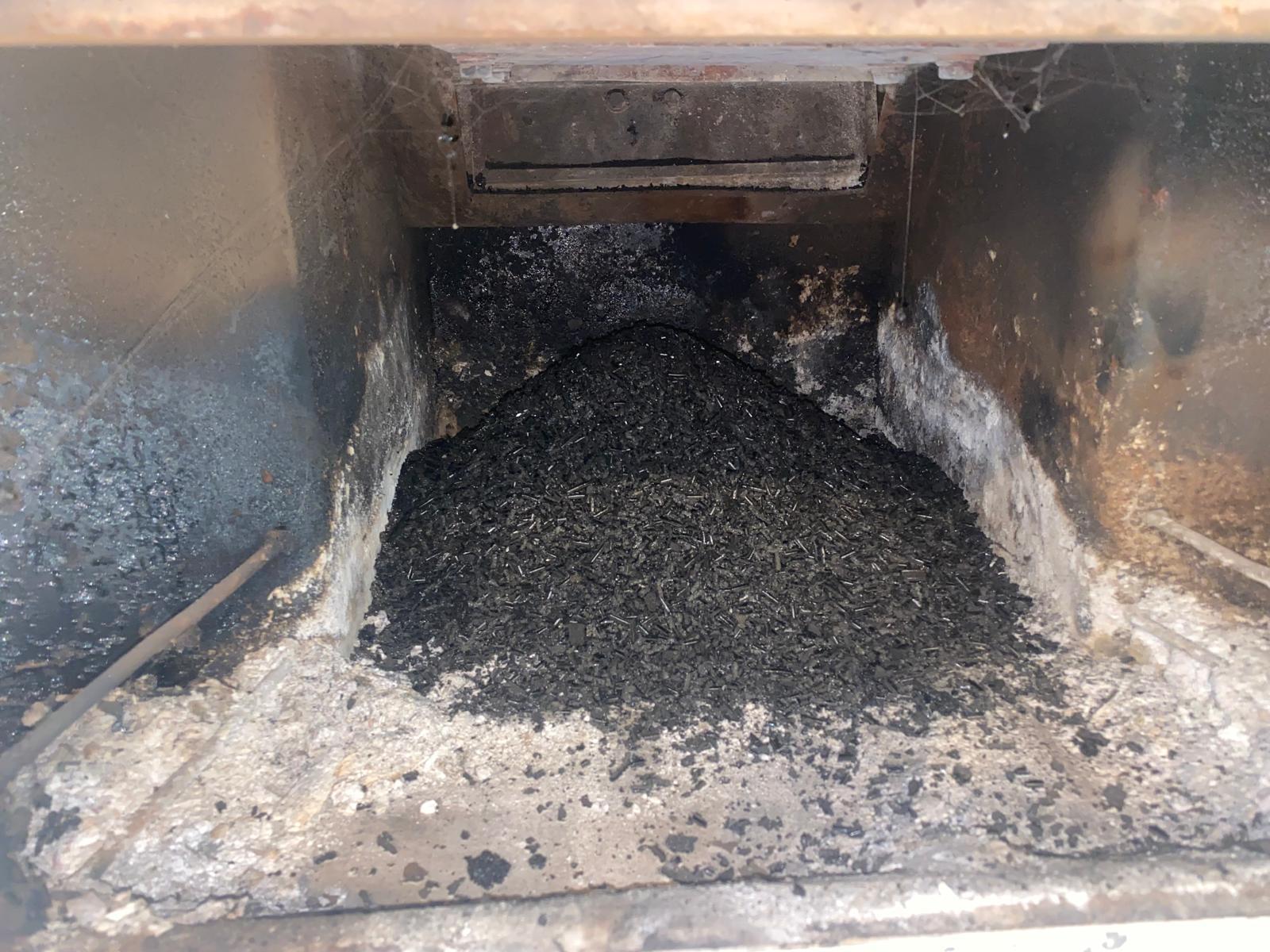
Without intact refractory panels, those extreme temperatures would directly hit your firebox’s brick or metal, leading to cracks, erosion, and ultimately, structural damage. For homes across Los Angeles, from the historic craftsman bungalows to modern hillside estates, maintaining these panels is crucial for both the longevity of your fireplace and the safety of your family. A small crack in these panels might seem minor, but it’s a direct pathway for heat and even embers to reach combustible materials within your home’s walls. We’re talking about a serious fire hazard, not just a cosmetic flaw.
\n\n
DIY Refractory Panel Replacement: Rolling Up Your Sleeves in LA
\n
When you spot a cracked or deteriorating refractory panel, the first thought for many handy Angelenos might be, “Can I fix this myself?” It’s a natural inclination, especially with the abundance of online tutorials and hardware stores scattered from the Valley to the South Bay. Let’s explore what tackling this project yourself entails.
\n\n
The Appeal of DIY: Saving a Buck in Southern California
\n
Let’s be honest, living in Los Angeles can be expensive! The idea of saving some money by doing a repair yourself is always tempting. For many, a DIY project offers a sense of accomplishment and control over their home’s maintenance. Replacing refractory panels might seem like a straightforward cut-and-fit job, especially if the panels are just cracked and not completely disintegrated. Plus, who doesn’t love a weekend project, especially if it means avoiding a service call?
\n\n
What You’ll Need (and Why it’s More Than Just a Hammer)
\n
If you’re going the DIY route, you’ll need more than just basic tools. Here’s a quick rundown:
\n
- \n
- New Refractory Panels: These aren’t one-size-fits-all. You’ll need to accurately measure your existing panels or firebox dimensions.
- Safety Gear: Heavy-duty gloves, safety glasses, a dust mask (for cutting panels, which can release silica dust), and possibly a respirator.
- Measuring Tape & Straight Edge: Precision is key for a snug fit.
- Cutting Tools: A circular saw with a masonry blade or a specialized abrasive saw is often necessary for cutting dense refractory material. A utility knife might work for very thin, softer panels, but don’t count on it.
- Adhesive/Mortar: High-temperature refractory cement or mortar, specifically designed for fireplace applications. Regular mortar won’t cut it.
- Chisels, Hammer, & Pry Bar: For carefully removing old, stubborn panels.
- Shop Vacuum: To clean up all that soot and debris.
\n
\n
\n
\n
\n
\n
\n
\n
Remember, dealing with fireplace components always involves some dirt and dust. Protecting your floor and furniture around the fireplace is a must, unless you want to redecorate with a fine layer of soot!
\n\n
The DIY Process: A Step-by-Step (But Tricky) Guide
\n
- \n
- Preparation & Cleanup: Thoroughly clean out the firebox. Remove any ash, debris, and existing loose panel pieces.
- Panel Removal: Carefully remove the old panels. They might be mortared in or simply held by gravity. Take photos as you go to remember the orientation.
- Measurement & Template: Measure the space for each new panel meticulously. Create cardboard templates if needed, especially for irregularly shaped panels or those with cutouts for grates/dampers.
- Cutting New Panels: This is where it gets challenging. Using the appropriate saw, carefully cut your new refractory panels to size. Work in a well-ventilated area, wear all your safety gear, and remember that masonry dust can be a health hazard.
- Installation: Apply high-temperature refractory cement to the back of the new panels and press them firmly into place. Ensure a tight fit with minimal gaps. Some panels interlock or slide into channels.
- Curing: Allow the cement to cure completely according to the manufacturer’s instructions, which can take several days, before starting a fire.
\n
\n
\n
\n
\n
\n
\n\n
The Risks of a DIY Job: More Than Just a Little Soot
\n
While the DIY approach might save you some initial cash, it comes with significant risks that could cost you far more in the long run:
\n
- \n
- Safety Hazards: Improperly installed panels create pathways for heat, flames, or sparks to escape the firebox. This can lead to a chimney fire, or worse, a house fire that compromises your beautiful Los Angeles home. Silica dust from cutting can cause respiratory issues.
- Incorrect Materials: Using the wrong type of panel or mortar can lead to premature failure or inability to withstand high temperatures, defeating the purpose entirely.
- Poor Fit & Gaps: Even small gaps or a loose fit can allow heat to bypass the panels, damaging the underlying structure and reducing efficiency. This can also lead to dangerous carbon monoxide leaks if your chimney system isn’t airtight.
- Structural Damage: If you’re not careful during removal or installation, you could inadvertently damage the surrounding masonry or flue liner, leading to more expensive repairs.
- Voided Warranties: DIY repairs, especially if not done to code or industry standards, can sometimes void existing warranties on your fireplace or chimney components.
\n
\n
\n
\n
\n
\n\n
Going Pro: Why Trusting Experts Like DD Chimney Cleaning Makes Sense
\n
For something as critical as your fireplace’s safety barrier, isn’t peace of mind worth the investment? This is where professional expertise truly shines, offering not just a repair but a comprehensive solution designed for the unique demands of homes here in Los Angeles.
\n\n
The Professional Advantage: Peace of Mind for Your LA Home
\n
When you call in seasoned professionals, you’re not just getting someone to swap out a few panels. You’re bringing in a team with years of experience, specialized tools, and a deep understanding of chimney systems and fire safety regulations. For DD Chimney Cleaning, our priority is always the safety and well-being of our Los Angeles neighbors.
\n\n
What a Professional Service Entails: Beyond Just Panels
\n
A professional refractory panel replacement or repair service involves a thorough process:
\n
- \n
- Detailed Inspection: Before any work begins, a certified chimney technician will conduct a comprehensive inspection of your entire firebox and chimney system. They’re looking for the root cause of panel damage, not just the symptom. This might include issues with the flue, damper, or even external chimney integrity.
- Accurate Diagnosis & Material Selection: We’ll identify the extent of the damage and determine the correct type of refractory panels or repair materials needed for your specific fireplace model and usage. We use only high-quality, UL-listed, and durable materials designed to withstand extreme temperatures.
- Expert Installation: Our technicians are trained in precise measurement, cutting, and installation techniques. They ensure every panel fits snugly, with no dangerous gaps, using the correct high-temperature refractory cements and adhering to all safety codes and manufacturer specifications.
- Code Compliance: Professional services ensure your fireplace repair meets all local Los Angeles building codes and safety standards, which can be complex and ever-changing.
- Holistic System Check: During the service, other potential issues within your chimney system might be identified and addressed, from creosote buildup in the flue to chimney cap repairs, ensuring your entire system functions safely and efficiently.
- Clean and Efficient Work: We pride ourselves on clean work, minimizing disruption to your home. We’ll protect your living space and leave it spotless once the job is done.
\n
\n
\n
\n
\n
\n
\n\n
The True Value: Safety, Longevity, and Your Family’s Well-being
\n
Ultimately, choosing a professional like DD Chimney Cleaning for your refractory panel needs is an investment in safety and peace of mind. You’re not just replacing panels; you’re safeguarding your home against potential fire hazards, extending the life of your fireplace, and ensuring your family can enjoy those cozy fires without worry. In a bustling city like Los Angeles, knowing your home is safe provides invaluable comfort. For related services, learn more offers excellent solutions.
\n\n
Frequently Asked Questions About Refractory Panels
\n\n
Q1: How often do refractory panels need replacing?
\n
A1: The lifespan of refractory panels varies widely depending on how often you use your fireplace, the type of wood you burn, and the quality of the panels. Generally, with regular use, they might need inspection every 1-3 years and potential replacement every 5-10 years. However, if you notice significant cracks, crumbling, or deterioration, they should be inspected immediately, regardless of age.
\n\n
Q2: Can I just patch a cracked refractory panel?
\n
A2: Minor surface cracks might sometimes be patched with high-temperature refractory cement. However, deep or structural cracks often indicate that the panel’s integrity is compromised and patching might only be a temporary cosmetic fix. For safety and durability, replacement is usually the recommended long-term solution, especially if the cracks are large, multiple, or extend through the panel. We recommend checking out Air Duct Cleaning in Los Angeles for additional air duct cleaning needs.
\n\n
Q3: Are all refractory panels the same?
\n
A3: No, they are not. Refractory panels come in various thicknesses, densities, and material compositions. Some are designed for specific fireplace models or fuel types. The choice depends on the heat output of your fireplace and the overall design. Using the correct type of panel is crucial for optimal protection and efficiency.
\n\n
Q4: What’s the biggest risk if I ignore damaged refractory panels?
\n
A4: The biggest risk is a house fire. Damaged panels expose the combustible materials within your home’s walls (like framing and insulation) to extreme heat, sparks, and even direct flames. This significantly increases the chance of a chimney fire or a structural fire, which can be devastating for any Los Angeles homeowner.
\n\n
Don’t let cracked refractory panels turn your cozy fireplace into a safety concern. Protect your home and loved ones by ensuring your firebox is properly shielded. For expert chimney cleaning, inspection, and refractory panel replacement in Los Angeles, trust the professionals at DD Chimney Cleaning. We’re here to keep your fires burning safely and efficiently. Give us a call today for peace of mind!
\n
Contact DD Chimney Cleaning at (833) 339-6803 for a safe and professional chimney service.
Our Chimney Services:
Professional chimney cleaning and chimney inspection services available nationwide. Our CSIA-certified technicians serve Chicago, New York, Boston, Houston, and hundreds of cities nationwide. Call (833) 339-6803 for a free inspection.