Have you ever considered what might be lurking in your Los Angeles chimney, beyond the common furry and feathered invaders?
The Unseen Obstructions: Beyond Critters in Your Los Angeles Chimney
When we discuss chimney blockages, the immediate thought often drifts to the raccoons, birds, or squirrels that might have taken up residence within the warm confines of your flue. While these natural inhabitants certainly pose a significant threat to the safe operation of your fireplace, they represent only a fraction of the potential obstructions that can compromise your chimney’s integrity and your home’s safety. Here in the vibrant, sprawling metropolis of Los Angeles, with its unique climate and architectural styles, a multitude of less obvious culprits can contribute to a blocked chimney. Understanding these hidden dangers is crucial for every homeowner, from the historic homes of Pasadena to the modern dwellings in Santa Monica. At DD Chimney Cleaning, we pride ourselves on our comprehensive approach to chimney care, delving deeper than the surface to identify and resolve all potential issues. This article will explore these lesser-known causes, empowering you with the knowledge to protect your home.
The Buildup of Creosote: A Silent Threat
Perhaps the most insidious and common blockage, apart from animal nests, is the gradual accumulation of creosote. This dark, tar-like substance is a byproduct of incomplete combustion, a phenomenon that occurs when wood or other fuel doesn’t burn cleanly. The unburned particles and gases in the smoke condense on the cooler interior surfaces of the chimney liner, creating a flammable residue. In Los Angeles, where many homes still utilize wood-burning fireplaces, the regular use of these features, especially with seasoned firewood, will inevitably lead to some creosote buildup. However, certain factors can exacerbate this problem significantly.
Factors Contributing to Excessive Creosote Buildup:
- Incomplete Combustion: This occurs when there’s insufficient oxygen reaching the fire. This can be due to a poorly designed fireplace, restricted airflow, or a chimney that is too short or too narrow for the amount of fuel being burned. In older homes, especially those that may not have been updated with modern ventilation systems, this is a more prevalent concern.
- Burning Unseasoned or Wet Wood: Wet wood contains a higher moisture content, which requires a significant amount of heat to evaporate before the wood can begin to burn effectively. This process results in cooler flue temperatures and significantly more unburned particles in the smoke, leading to rapid creosote deposition. While seasoned hardwood is readily available, the temptation to use readily accessible but improperly dried wood can be strong.
- Frequent Smoldering Fires: Fires that burn at low temperatures for extended periods, often referred to as smoldering fires, are prime culprits for creosote. These fires don’t reach the high temperatures necessary for complete combustion, allowing more creosote to form. While some may prefer a gentle warmth in the cooler Los Angeles evenings, this practice contributes to internal chimney contamination.
- Improper Chimney Design: A chimney that is not properly designed or constructed can lead to downdrafts and inefficient airflow, promoting incomplete combustion and, consequently, increased creosote buildup. This is particularly relevant in older homes where building codes and best practices may have differed.
The danger of creosote is twofold. Firstly, it is highly flammable and can ignite, leading to a dangerous chimney fire that can spread to the rest of your home. Secondly, a thick layer of creosote acts as an insulator, reducing the chimney’s ability to draft properly, which can cause smoke and dangerous gases like carbon monoxide to back up into your living space. The statistics are stark: creosote is a leading cause of residential fires nationwide, and its presence is often underestimated by homeowners.
The Menace of Soot and Ash Accumulation
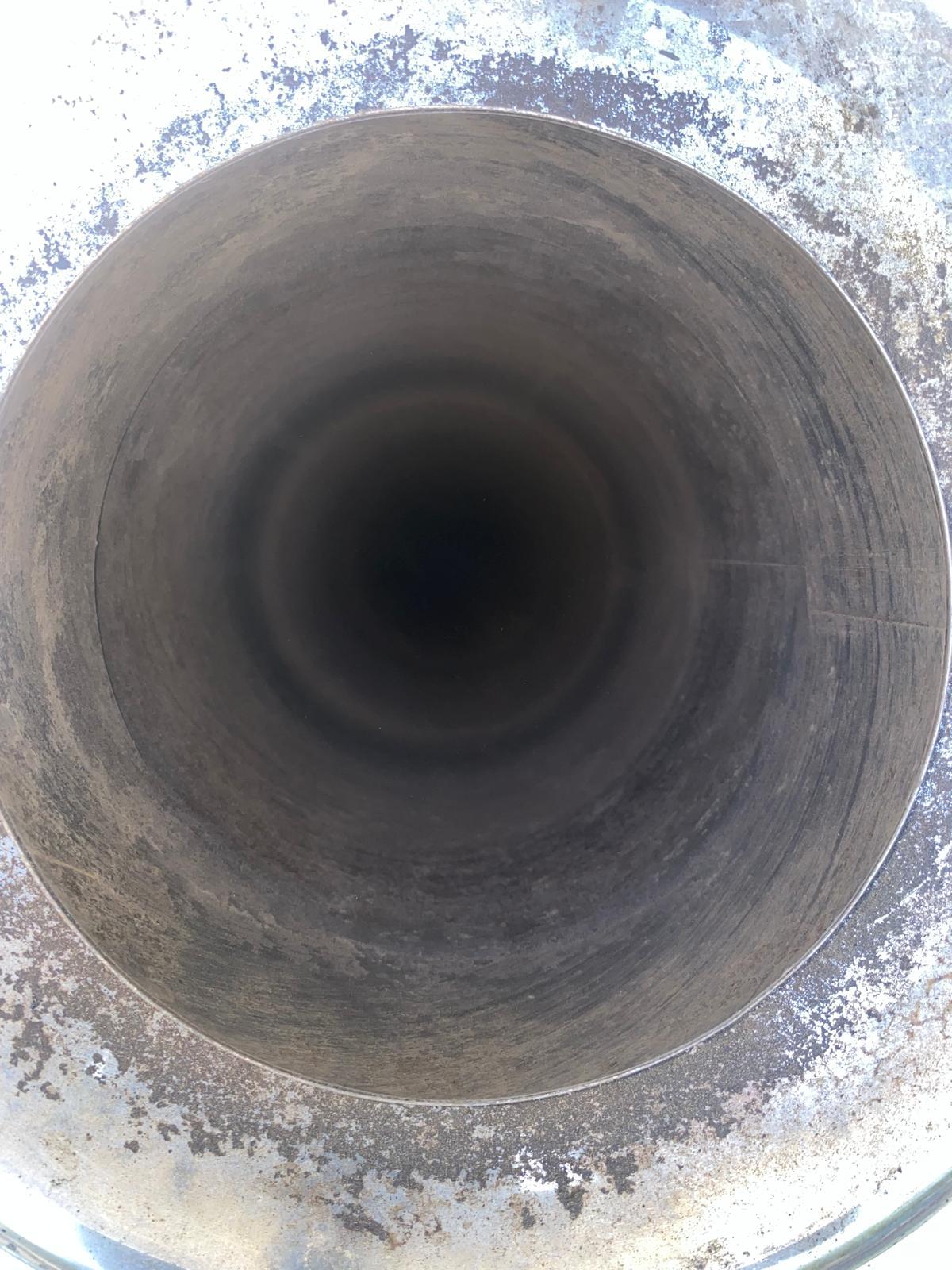
While creosote is a sticky, tar-like substance, soot and ash are the drier byproducts of combustion. Over time, these fine particles can accumulate on the walls of the chimney and within the smoke chamber. Unlike creosote, which is a significant fire hazard, dense layers of soot and ash primarily act as a physical obstruction. This buildup restricts airflow, hindering the chimney’s ability to vent smoke and gases effectively. Imagine trying to breathe through a thick blanket; that’s the effect a heavy ash accumulation can have on your fireplace.
Understanding the Impact of Soot and Ash:
- Reduced Draft Efficiency: As the volume of soot and ash increases, it narrows the passageway for smoke. This leads to a weaker draft, meaning smoke is less likely to be drawn up the chimney and more likely to escape into the room. This can result in smoky fireplaces and the unpleasant odor of burning wood permeating your home.
- Increased Risk of Fire Hazards: While not as volatile as creosote, a large accumulation of dry soot and ash can still be combustible. In the presence of a strong draft and high temperatures, these materials can ignite, although typically with less intensity than a creosote fire.
- Compromised Aesthetics: Beyond the functional issues, heavy soot and ash deposits can stain and damage the interior of your fireplace and chimney, detracting from its aesthetic appeal.
Regular chimney cleaning, such as the services offered by DD Chimney Cleaning in Los Angeles, is essential to remove these dry particulate accumulations. We utilize specialized tools to ensure thorough removal, restoring optimal performance to your chimney system.
The Unforeseen Culprits: Structural Debris and Deterioration
Beyond the direct results of fires, the structural integrity of the chimney itself can lead to blockages. Over time, exposure to the elements, seismic activity – a concern in our region – and general wear and tear can cause parts of the chimney to deteriorate, leading to falling debris that obstructs the flue.
Common Structural Issues Leading to Blockages:
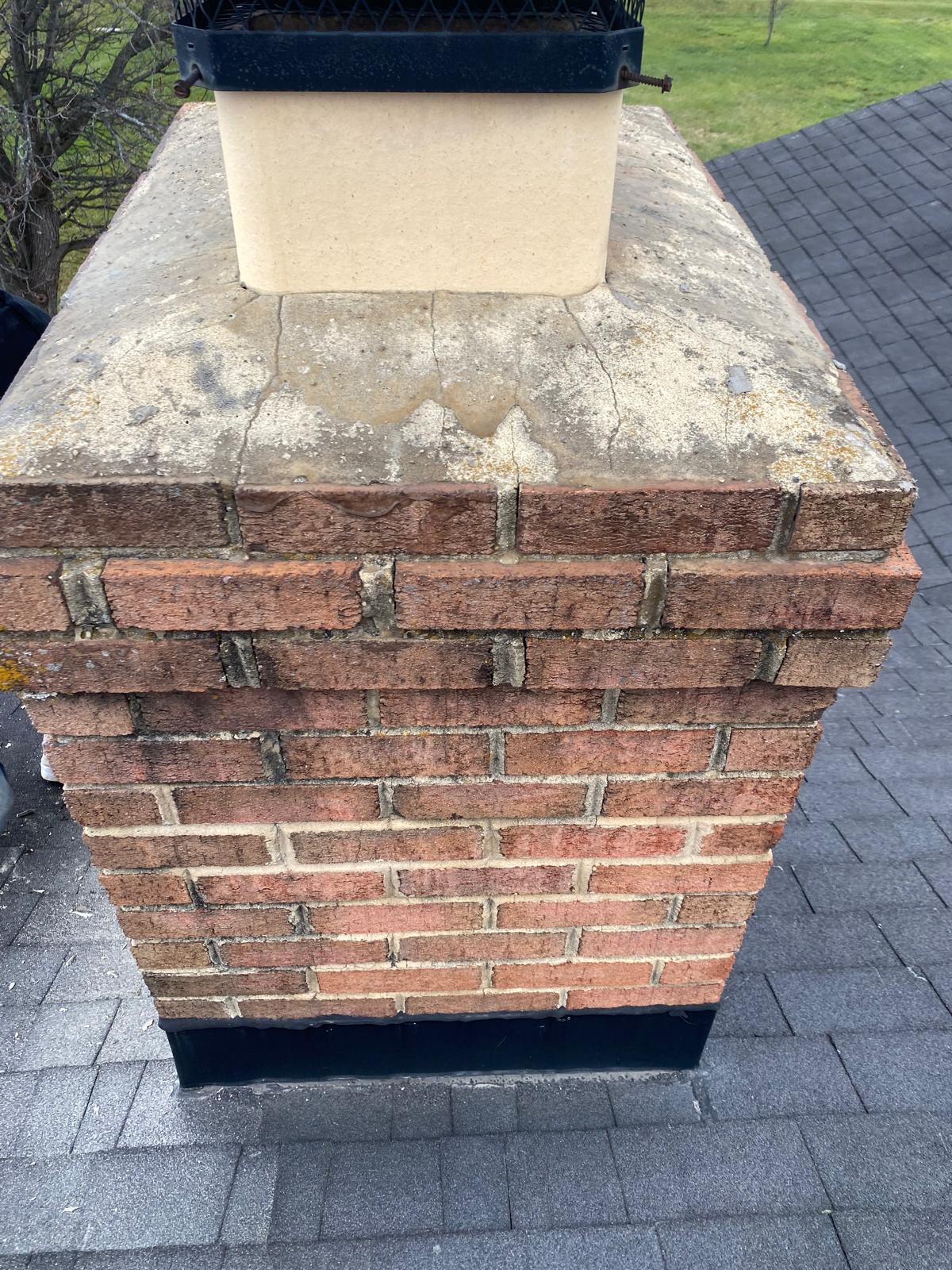
- Deteriorating Mortar Joints: The mortar that binds the bricks of your chimney together can crumble and erode, especially in older structures. Loose mortar can fall into the flue, creating significant obstructions. In Los Angeles, extreme temperature fluctuations and occasional seismic tremors can accelerate this process.
- Cracked or Broken Chimney Liner: Many modern chimneys are lined with refractory clay tiles or stainless steel to protect the masonry from the intense heat and corrosive gases. If these liners crack or break, pieces can fall and obstruct the chimney. This is a critical safety issue, as an intact liner is vital for preventing heat transfer to combustible materials in your walls.
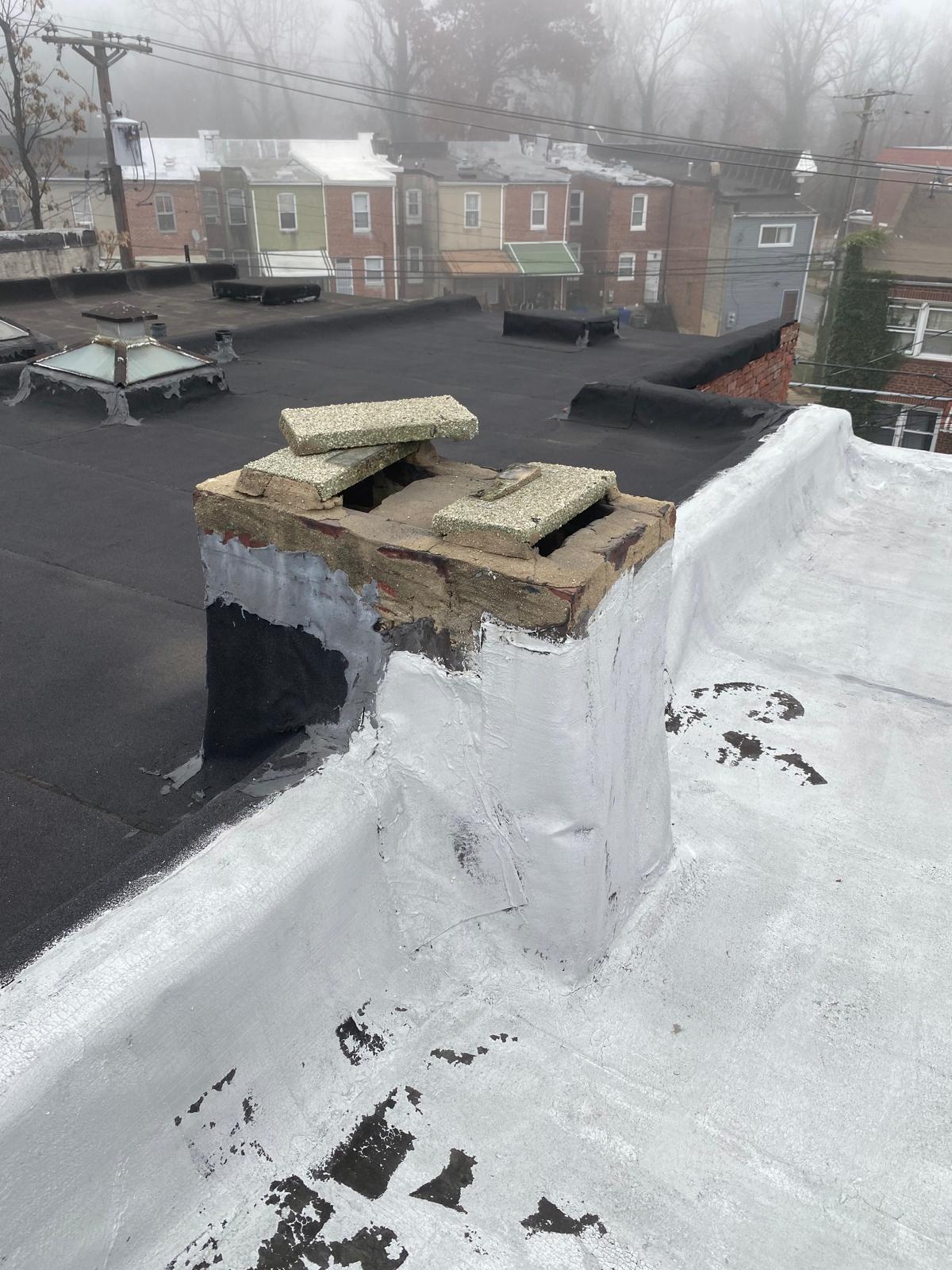
- Damaged Chimney Cap: The chimney cap is designed to keep out rain, snow, and debris. However, if the cap becomes damaged, dislodged, or if its mesh screen becomes clogged, it can fail to perform its function. Loose pieces of the cap itself, or debris that bypasses a damaged cap, can fall into the flue.
- Animal Nesting Materials (Beyond Whole Nests): While we often think of animals as creating whole nests, their nesting materials, such as leaves, twigs, and insulation, can break down and form dense blockages over time, even if the animal has long since departed.
- Construction Debris: In older homes, or homes that have undergone renovations, small amounts of construction debris such as stray bricks, mortar chips, or even discarded building materials can inadvertently find their way into the chimney and become lodged.
These structural issues require expert diagnosis. A thorough chimney inspection is paramount to identifying these problems before they escalate into dangerous blockages. DD Chimney Cleaning employs certified technicians who can assess the condition of your chimney and recommend appropriate repairs.
The Hidden Menace of Poor Draft and Venting
A poorly functioning chimney can lead to blockages not through direct accumulation of debris, but by failing to vent effectively in the first place. This often manifests as smoke backing up into the home, but it can also contribute to subtle obstructions over time.
Factors Affecting Chimney Draft:
- Chimney Height and Diameter: The chimney must be appropriately sized for the fireplace it serves. If it’s too short or too narrow, it won’t create sufficient draft to pull smoke effectively. This can cause smoke to linger in the flue, promoting condensation and accelerating creosote buildup.
- Obstructions in the Flue: Even minor obstructions, such as a small amount of loose debris or an improperly installed damper, can impede airflow and negatively impact the draft.
- Pressure Differences: In a tightly sealed, energy-efficient home – common in modern Los Angeles construction – negative air pressure can occur. Exhaust fans, bathroom vents, or even clothes dryers can create a vacuum that pulls air out of the house. If the chimney doesn’t have a strong enough draft to overcome this, smoke can be drawn back into the home instead of up the flue. This is a complex issue that requires a nuanced understanding of building dynamics.
- External Wind Conditions: While less of a direct blockage cause, strong prevailing winds can sometimes affect chimney draft, especially in areas with unique topographical features or tall surrounding buildings. A poorly designed chimney might be more susceptible to these external influences, leading to downdrafts that can push smoke and unburned particles back down into the flue.
Addressing poor draft issues often involves a combination of cleaning, inspection, and sometimes modifications to the chimney system or ventilation. It’s a problem that requires a professional eye to diagnose accurately.
The Unexpected Intrusion: Bird and Rodent Droppings
While we often associate animal intrusions with complete nests, the droppings of birds and rodents, especially when they accumulate over time, can form dense, solid blockages within the chimney. Think of pigeons roosting or rats nesting in the upper portions of the flue, their waste contributing to a compacted mass that restricts airflow.
The Impact of Fecal Matter Accumulation:
- Physical Obstruction: Over extended periods, dried droppings can solidify and become difficult to remove, creating a barrier to smoke and gas passage.
- Health Hazards: Bird and rodent droppings can carry various diseases and bacteria, posing a health risk when disturbed. The decomposition of this organic matter can also create unpleasant odors.
- Attracting Further Pests: The presence of droppings can, unfortunately, attract other pests, perpetuating the cycle of contamination.
It’s crucial to remember that even seemingly minor accumulations of droppings can have a significant impact on chimney performance and safety. Regular cleaning and sealing of potential entry points are essential preventative measures. This is a common problem, even in cities far from the natural landscapes like DD Chimney Cleaning in Pittsburgh, but the dense urban environment of Los Angeles presents unique challenges with wildlife adaptation.
FAQ: Addressing Your Chimney Blockage Concerns
Q1: How often should my chimney be cleaned in Los Angeles?
A: The Chimney Safety Institute of America (CSIA) recommends annual inspections for all chimneys, regardless of fuel type. Cleaning frequency depends on usage. For fireplaces used regularly, at least once a year is recommended. For wood-burning stoves or inserts, when 1/8 inch of creosote or soot has accumulated, it’s time for cleaning. For gas appliances, annual inspection is crucial, but actual cleaning might be less frequent unless specific issues arise.
Q2: What are the signs that my chimney is blocked?
A: Common signs include smoke backing up into your living space, an unusual odor when the fireplace is not in use, visible soot stains around the fireplace opening, a lack of warm air coming from the fireplace, or difficulty getting the fire to draw properly. Strange noises from the chimney area can also indicate an obstruction.
Q3: Can I clean my chimney myself? If you’re also looking for air duct cleaning help, best air duct cleaning in Los Angeles is a trusted provider. Speaking of home maintenance, valleyroofingca.com provides top-quality roofing.
A: While minor soot removal might seem feasible, deep blockages, creosote buildup, and structural issues require specialized tools and expertise. Attempting a DIY chimney cleaning can be dangerous and often ineffective, potentially leading to damage or missed hazards. Professional chimney sweeps are trained to identify and address a wide range of problems, ensuring your chimney is safe and functional.
Q4: What is the difference between creosote and soot?
A: Creosote is a highly flammable, tar-like residue formed from incomplete combustion, posing a significant fire hazard. Soot is a dry, powdery byproduct of burning fuel, and while it can reduce airflow, it is less volatile than creosote. Both contribute to blockages and require professional removal.
Q5: How can I prevent animal blockages in my chimney?
A: The most effective preventative measure is installing a properly fitted chimney cap with mesh screening. Regularly inspect your chimney cap and the top of your chimney for any damage or signs of animal activity. Sealing any potential entry points around the exterior of your home can also help.
Q6: Is it safe to use my fireplace if I suspect a blockage?
A: Absolutely not. Using a fireplace with a suspected blockage is extremely dangerous. It can lead to smoke and carbon monoxide poisoning, as well as an increased risk of chimney fires. If you suspect a blockage, do not use your fireplace and contact a professional chimney sweep immediately.
Don’t Let Hidden Blockages Compromise Your Los Angeles Home’s Safety
The safety and efficiency of your fireplace depend on a clear and unobstructed chimney. While common culprits like animal nests often come to mind, the reality is that a multitude of less obvious factors can lead to dangerous blockages. From the silent buildup of creosote and soot to the insidious deterioration of chimney structure and the subtle impacts of poor drafting, these unseen threats require vigilance and professional attention. Ignoring these issues can have severe consequences, including fire hazards and the potential for carbon monoxide poisoning. Just as the diverse climate and architecture across the United States present unique challenges – from the damp winters in Michigan, where DD Chimney Cleaning in Detroit addresses specific needs – Los Angeles’s unique environment also demands tailored expertise.
Your home’s fireplace should be a source of warmth and comfort, not a hidden danger. Regular, professional chimney inspections and cleanings are the most effective way to ensure your chimney system operates safely and efficiently. Our certified technicians at DD Chimney Cleaning are equipped with the knowledge and tools to identify and resolve all types of chimney blockages, ensuring peace of mind for you and your family.
For a thorough inspection and cleaning of your chimney in the Los Angeles area, trust the experts. Call DD Chimney Cleaning today at (833) 339-6803 to schedule your appointment and breathe easy knowing your home is protected.
Our Chimney Services:
Professional chimney cleaning and chimney inspection services available nationwide. Our CSIA-certified technicians serve Chicago, New York, Boston, Houston, and hundreds of cities nationwide. Call (833) 339-6803 for a free inspection.