Did you know that the tiny fissures and hairline cracks you might spot on your Los Angeles chimney could be the first whispers of a dangerously deteriorating structure? It’s easy to dismiss them as cosmetic blemishes, especially with the dazzling sunshine and iconic landscapes of our beautiful city, from the Hollywood Hills to the bustling streets of Downtown LA. However, these seemingly insignificant imperfections are a stark warning sign, often overlooked by homeowners who understandably focus on more pressing, visible issues. Ignoring them is like ignoring a small leak in your roof – it might seem minor now, but it can escalate into a catastrophic flood if left unchecked, leading to structural failure, fire hazards, and significant financial burdens.
The Silent Threat: How Small Chimney Cracks Escalate
In a city where the weather can swing from scorching heatwaves to occasional heavy rains, your chimney is constantly subjected to a barrage of environmental stresses. Extreme temperature fluctuations, the relentless California sun, and moisture infiltration all contribute to the wear and tear of masonry. When a chimney is constructed, it’s a complex system designed to safely channel combustion byproducts away from your home. The bricks, mortar, and flue liner work in harmony to achieve this critical function. A small crack, no matter how minuscule, represents a breach in this protective shield.
The Cascade of Compromise
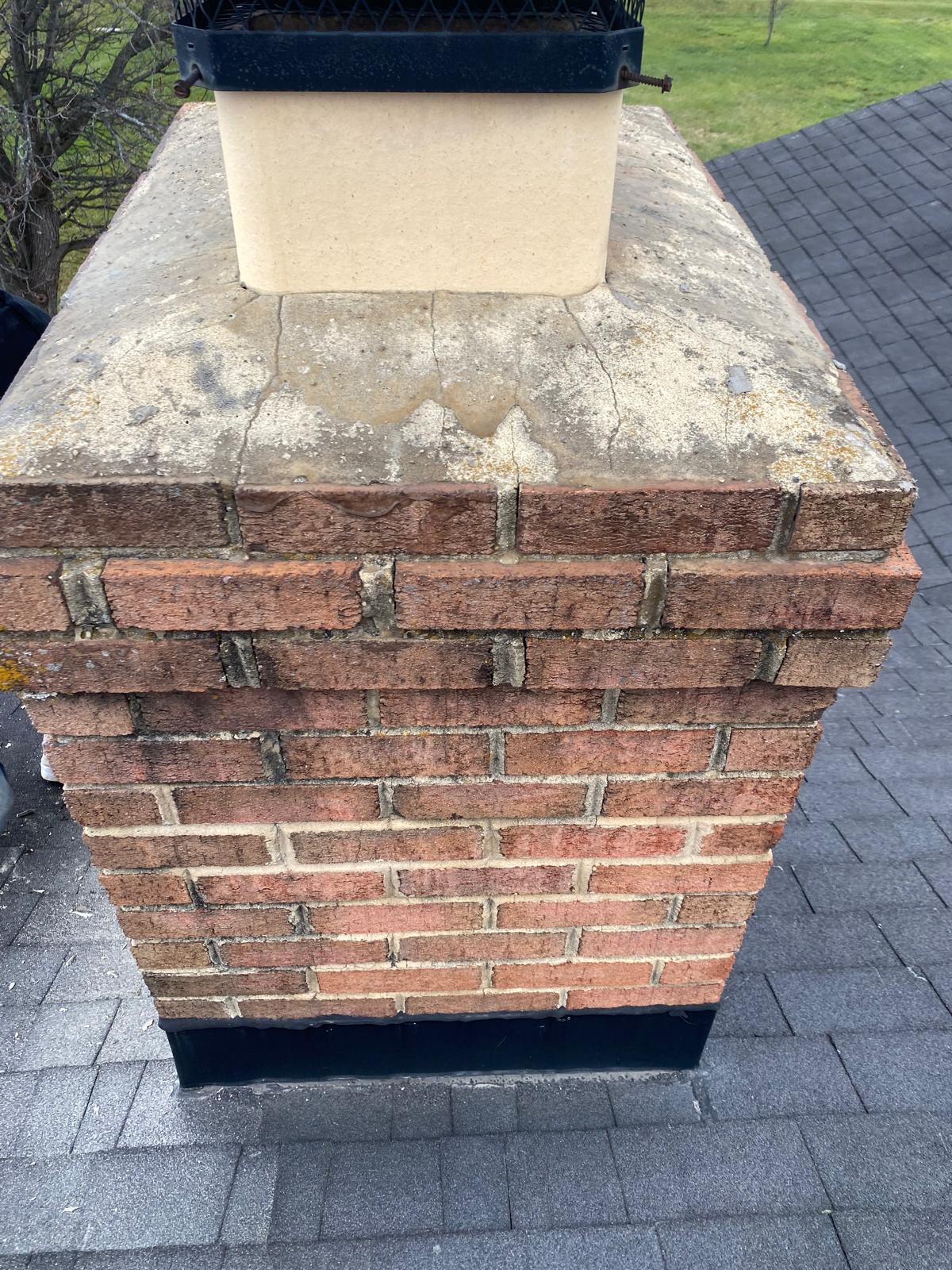
When rain or condensation seeps into a hairline crack, it doesn’t just stay there. During colder periods, this trapped moisture can freeze and expand, widening the crack. This freeze-thaw cycle, though less extreme in Los Angeles than in colder climates, still occurs and can be exacerbated by inconsistent heating and cooling patterns. Over time, these expanding cracks weaken the mortar, making it more susceptible to crumbling. The bricks themselves can begin to spall, or chip away, further compromising the chimney’s structural integrity. This process isn’t instantaneous; it’s a slow, insidious decay that steadily degrades the chimney from the inside out, leaving a ticking time bomb above your home.
Beyond Aesthetics: The Functional Fallout
The dangers extend far beyond mere aesthetics. A cracked chimney compromises its ability to effectively vent smoke and harmful gases like carbon monoxide. These toxic byproducts can then leak back into your home, posing a severe health risk to you and your family. Carbon monoxide is an odorless, colorless gas that can cause disorientation, illness, and, in high concentrations, death. According to the U.S. Fire Administration, nearly 20,000 chimney fires occur annually, with structural failures being a significant contributing factor. Ignoring a small crack is like leaving your front door ajar for these invisible dangers.
Unveiling the Risks: A Deeper Dive into Chimney Deterioration
Homeowners in the diverse neighborhoods of Los Angeles, from the coastal breezes of Santa Monica to the inland communities, often don’t realize the intricate engineering involved in their chimneys. A well-maintained chimney is not just a decorative feature; it’s a vital part of your home’s safety infrastructure. The flue liner, often made of clay tile or metal, is the primary barrier against intense heat and corrosive byproducts. Even a small crack in the flue liner can expose the chimney’s outer structure to these damaging elements, accelerating its decline.
The Fire Hazard You Can’t See
Creosote, a highly flammable tar-like substance, is a natural byproduct of burning wood. When it builds up inside a chimney, it creates a significant fire hazard. If the flue liner is compromised by cracks, hot creosote deposits can come into direct contact with the chimney’s brick and mortar, and potentially even the surrounding attic space or framing if the structural integrity is severely degraded. This can easily ignite a chimney fire, which can spread rapidly and devastate a home. While Los Angeles is known for its dry climate, the risk of uncontrolled fires, both from within and without, is a constant concern.
Structural Weakness: A Domino Effect
Cracks in the chimney aren’t just holes; they are points of weakness. Over time, these weaknesses can propagate, leading to larger structural issues. The chimney might start to lean, bricks can loosen and fall, or even the entire chimney could become unstable. This isn’t just an aesthetic problem; it’s a safety hazard. Loose bricks can fall and injure people or damage property below. A leaning or unstable chimney poses a severe risk of collapse, particularly during earthquakes, which are a significant concern for residents throughout Southern California. Think of the majestic Griffith Observatory, a landmark built with robust masonry – even such structures require constant vigilance to ensure their stability.
Moisture Intrusion: The Unseen Enemy
Los Angeles experiences periods of rain, and even dew can contribute to moisture. When cracks allow water to penetrate the chimney, it can saturate the porous masonry. As mentioned, the freeze-thaw cycle can exacerbate this, but even without freezing, saturated bricks and mortar are weaker. Furthermore, this moisture can seep into your home, leading to water damage, mold growth, and even structural rot within your walls. This is a silent menace that can undermine the very foundation and integrity of your house.
Why DIY Inspections Fall Short: The Expert Eye You Need
In a city like Los Angeles, with its diverse housing stock ranging from historic Craftsman bungalows in Pasadena to modern high-rises, chimneys come in all shapes and sizes. Many homeowners might try to perform a cursory visual inspection of their chimney, perhaps from a window or with binoculars. While this is a good starting point, it’s often insufficient to detect the subtle but critical issues that a professional can identify. The complex, internal components of a chimney require specialized knowledge and tools for proper assessment.
The Limitations of a Casual Glance
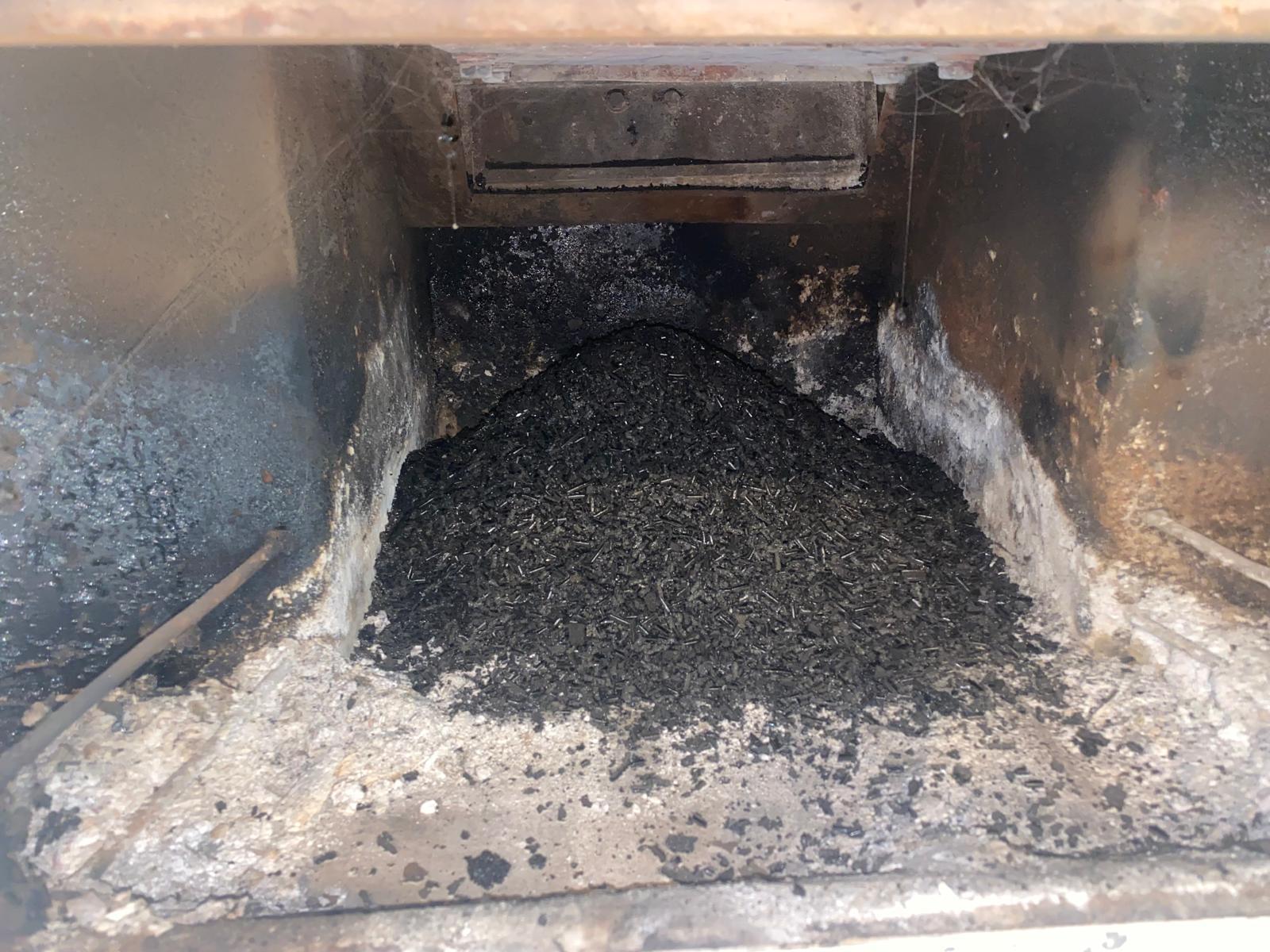
Hairline cracks, particularly those on the interior flue liner, are incredibly difficult, if not impossible, to spot from the ground or even from an interior room. These cracks are often hidden behind smoke chamber soot and grime. Furthermore, a homeowner may not have the expertise to differentiate between cosmetic damage and structural compromise. What appears to be a minor chip in mortar might actually be a symptom of a more significant underlying issue, such as widespread water damage or a failing flue liner. Even with diligent cleaning, a thorough internal inspection requires specialized equipment.
The Power of Professional Tools and Training
Certified chimney sweeps, like the experienced professionals at DD Chimney Cleaning in Los Angeles, are equipped with advanced tools such as chimney inspection cameras. These cameras allow for a detailed examination of the entire flue system, from top to bottom, revealing cracks, blockages, and deterioration that would otherwise go unnoticed. They are trained to recognize the subtle signs of wear and tear that can indicate potential hazards. Their knowledge base extends to understanding the specific types of chimneys common in Southern California, including those susceptible to seismic activity and the effects of the coastal air. This level of diagnostic capability is simply not available to the average homeowner.
The Cost of Neglect vs. The Investment in Prevention
Opting for professional inspections might seem like an added expense, but it’s a critical investment in preventing far more costly repairs down the line. Addressing a small crack early on could prevent a complete chimney rebuild, which can cost tens of thousands of dollars. It’s a proactive approach that safeguards your home and your family’s well-being. Consider the potential medical costs associated with carbon monoxide poisoning or the devastating financial loss from a home fire. These are risks that far outweigh the cost of regular chimney maintenance. Just as businesses in Cleveland rely on thorough maintenance for their infrastructure, your home’s chimney deserves the same level of professional attention.
The Long-Term Repercussions: More Than Just a Repair Bill
The impact of neglecting small chimney cracks extends beyond immediate repair costs. It can have far-reaching consequences for your home’s value, your family’s health, and even your insurance coverage. In a competitive real estate market like Los Angeles, potential buyers are increasingly savvy and will likely have a professional home inspection. A deteriorated chimney can be a significant red flag, potentially scaring off buyers or leading to a drastically reduced offer. This highlights the importance of maintaining your home’s structural integrity at all times.
Diminished Property Value and Marketability
A visibly neglected chimney, or one flagged for structural issues during a sale, can significantly devalue your property. Home buyers in areas like the San Fernando Valley, where home values are closely watched, will see this as a major point of concern. A potential buyer might factor in the cost of extensive repairs or even a full rebuild, using it as leverage to negotiate the price. Addressing chimney issues proactively can ensure your home remains attractive and retains its market value, avoiding costly surprises when you decide to sell.
Insurance Implications: A Potential Void
Homeowner’s insurance policies often have clauses regarding the maintenance of the property. If a fire or structural damage occurs due to a pre-existing, unaddressed chimney problem, your insurance company may deny your claim. This could leave you responsible for the entire cost of repairs or rebuilding, a financial catastrophe for any homeowner, particularly in an expensive region like Los Angeles. Maintaining your chimney isn’t just about safety; it’s about ensuring your insurance coverage remains valid when you need it most. Just as comprehensive maintenance is crucial for businesses in bustling cities like Pittsburgh, a proactive approach to home maintenance ensures your safety net remains intact.
Health and Safety: Non-Negotiables
The most critical repercussion of ignoring chimney cracks is the direct threat to your health and safety. The risk of carbon monoxide poisoning from inadequate venting is a grave concern. Similarly, the increased likelihood of a chimney fire can have devastating consequences for your family and your home. These are not issues to be taken lightly. A home should be a sanctuary, and a compromised chimney undermines that fundamental principle. The peace of mind that comes with knowing your chimney is safe and functioning correctly is invaluable.
When to Act: Recognizing the Urgency in Los Angeles
The signs of a chimney in distress can be subtle, but recognizing the urgency is key to preventing disaster. In Los Angeles, with its unique climate and seismic considerations, vigilance is paramount. It’s not just about what you see; it’s about understanding the cumulative effects of time, weather, and usage.
Visual Cues to Watch For: Beyond the Obvious
While small cracks are the focus, other visual indicators can signal underlying problems. These include:
- Deteriorated mortar: Look for crumbling, flaking, or missing mortar between bricks.
- Spalling bricks: Bricks that are chipping, peeling, or have lost their surface layer.
- Soot or water stains: Unusual stains on the exterior or interior of the chimney, especially near the top or around openings.
- Leaning chimney: If your chimney appears to be tilting, this is a serious structural issue.
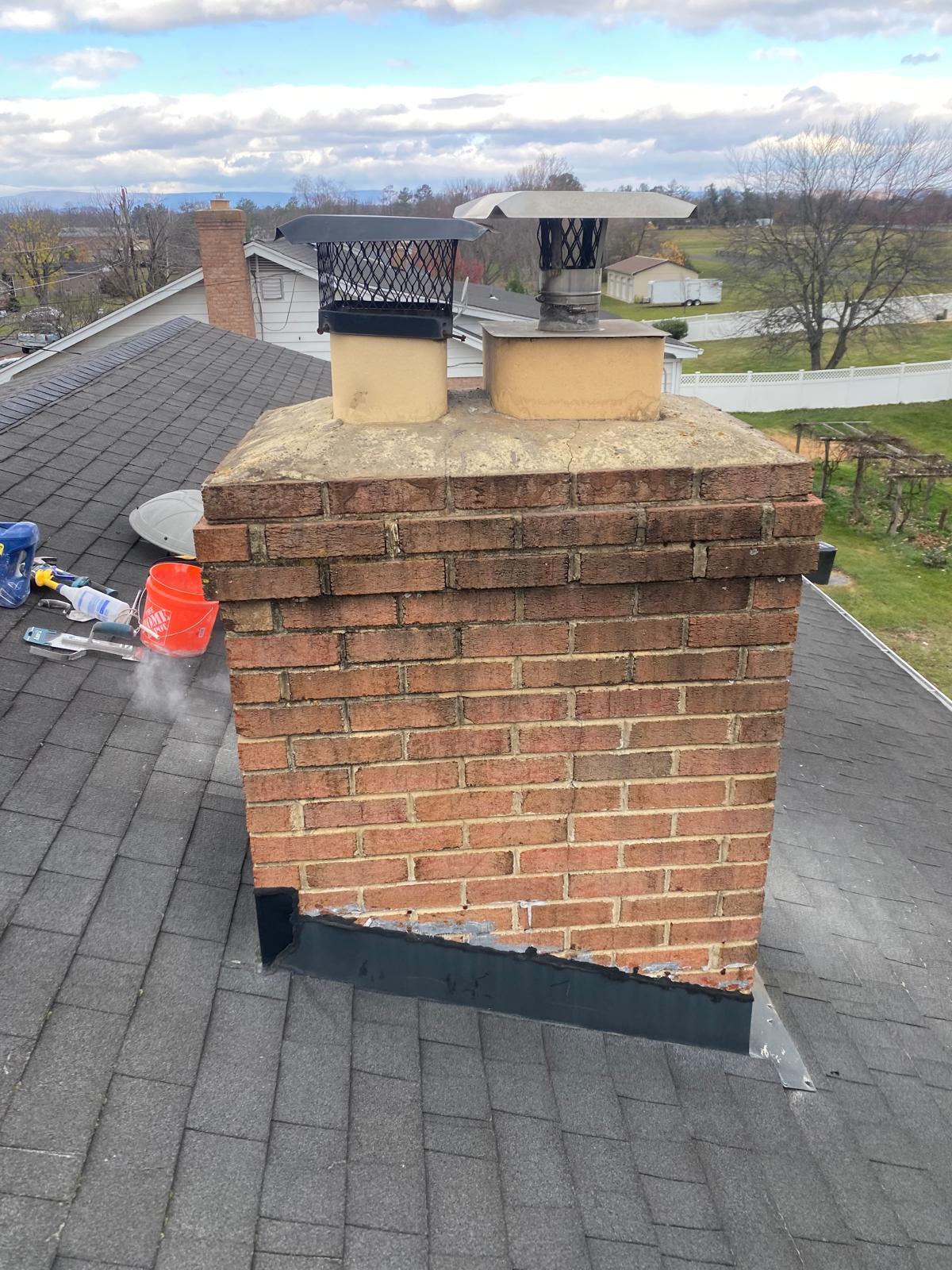
- Damaged chimney cap or crown: These are the first lines of defense against water and debris.
These visible signs often accompany, or are a result of, the smaller, less apparent cracks that we’ve discussed. Ignoring them is essentially ignoring the advanced stages of deterioration.
Beyond the Visual: Performance Indicators
Pay attention to how your fireplace or wood-burning stove is performing. If you notice:
- Smoke backing up into the room: This is a strong indicator of a venting issue, often caused by blockages or liner damage.
- Difficulty starting fires or maintaining a good draft: A weakened chimney structure can impact airflow.
- Unpleasant odors: Foul smells coming from the fireplace can indicate creosote buildup or blockages.
These performance issues are direct results of a chimney that is not functioning as it should, and cracks are often a primary culprit.
The Importance of Regular Professional Inspections
The most reliable way to ensure your chimney is safe is through regular professional inspections. For most homes in Los Angeles, an annual inspection is recommended, especially if you use your fireplace frequently. During these inspections, professionals like those at DD Chimney Cleaning in Los Angeles will conduct a thorough visual and potentially camera inspection, identifying any nascent issues like small cracks before they become major problems. This proactive approach is the cornerstone of chimney safety and longevity, ensuring your home remains protected from the elements and potential hazards.
FAQ: Your Chimney Crack Concerns Answered
Q1: How often should I have my chimney inspected in Los Angeles?
We recommend annual chimney inspections for all homes in Los Angeles, especially if you use your fireplace or wood-burning stove regularly. Even if you only use it occasionally, a yearly check-up ensures that any environmental factors like moisture or settling haven’t caused issues.
Q2: Can a small crack really cause a fire?
Yes, absolutely. A small crack in the flue liner can allow intense heat from burning creosote to reach the chimney’s structure, potentially igniting nearby combustible materials and leading to a devastating fire. Furthermore, cracks can compromise the chimney’s ability to vent effectively, leading to dangerous creosote buildup.
Q3: Is it safe to use my fireplace if I see small cracks?
It is strongly advised *not* to use your fireplace if you suspect or have observed cracks. Using it can exacerbate the damage, spread creosote into weakened areas, and increase the risk of fire or carbon monoxide leaks into your home. Immediate professional assessment is critical.
Q4: What causes cracks in a chimney?
Cracks can be caused by a variety of factors, including: rapid temperature fluctuations (thermal expansion and contraction), moisture infiltration and freeze-thaw cycles, structural settling of the house, chimney fires, improper construction or repairs, and general aging of the masonry materials.
Q5: How are chimney cracks repaired?
The repair method depends on the location and severity of the crack. Small cracks in mortar may be repointed. Cracks in the flue liner can often be repaired using specialized chimney repair compounds, sealants, or by installing a metal or stainless steel liner. In cases of severe damage, relining the entire chimney or even rebuilding sections may be necessary. This is where professional expertise is essential.
Q6: Will my homeowner’s insurance cover chimney repairs?
Coverage can vary significantly. While insurance may cover damage from sudden and accidental events like a chimney fire, they may *not* cover repairs for gradual deterioration or damage resulting from a lack of maintenance. It’s crucial to consult with your insurance provider and maintain your chimney to ensure coverage remains valid. Speaking of home maintenance, Los Angeles Air Duct Cleaning provides top-quality air duct cleaning.
Don’t Let Small Cracks Lead to Catastrophe!
In the vibrant and dynamic city of Los Angeles, maintaining your home’s safety and integrity is paramount. Those seemingly insignificant cracks on your chimney are not just cosmetic flaws; they are urgent signals of a system that is under stress and at risk of failure. The potential consequences – from dangerous fires and toxic gas leaks to costly structural damage and diminished property value – are far too significant to ignore. Proactive care is not just a recommendation; it’s a necessity.
Don’t wait for a minor issue to escalate into a major disaster. Your home, your family’s safety, and your peace of mind are on the line. Call DD Chimney Cleaning today for a professional inspection and ensure your chimney is safe, sound, and ready to protect your home.
For expert chimney assessment and repair in Los Angeles, call DD Chimney Cleaning at (833) 339-6803. Your safety is our priority.
Our Chimney Services:
Professional chimney cleaning and chimney inspection services available nationwide. Our CSIA-certified technicians serve Chicago, New York, Boston, Houston, and hundreds of cities nationwide. Call (833) 339-6803 for a free inspection.