As the cool, crisp air of a Southern California autumn begins to whisper through the canyons of Los Angeles, a familiar desire often sparks within homeowners: the urge to gather around a warm, inviting hearth. For many in our sprawling metropolis, the fireplace represents more than just a decorative element; it’s a focal point of family life, a source of cozy evenings, and a potential sanctuary during those rare chilly nights. Yet, with the passage of time, many of these cherished architectural features have fallen victim to dated designs, accumulated soot, and potential safety hazards. Fortunately, the dream of transforming a tired, neglected fireplace into a dazzling centerpiece is not only achievable but can also significantly enhance your home’s value and your family’s safety. This is where expert fireplace renovation, guided by professionals like DD Chimney Cleaning, becomes not just a luxury, but a wise investment for Los Angeles residents.
The Underrated Potential of Your Los Angeles Fireplace
Los Angeles, a city renowned for its sunshine and vibrant lifestyle, might not be the first place that comes to mind when thinking about roaring fires. However, the reality is that many homes, from the historic bungalows of Pasadena to the modern estates of Beverly Hills, boast fireplaces. These structures, often built decades ago, were designed with aesthetics and functionality in mind, but the materials, styles, and building codes of yesteryear may not meet today’s standards for safety, efficiency, or visual appeal. A neglected fireplace can be more than just an eyesore; it can be a silent threat. Creosote, a highly flammable byproduct of burning wood, can build up within the chimney flue, posing a significant fire risk. According to the Chimney Safety Institute of America (CSIA), hundreds of chimney fires occur annually in the United States, often due to lack of proper maintenance and inspection. In a city as densely populated as Los Angeles, preventing such incidents is paramount.
Beyond safety concerns, a dated fireplace can actively detract from your home’s overall aesthetic. Outdated brickwork, crumbling mortar, uninspired mantels, and inefficient fireboxes can make even the most beautifully appointed living room feel drab. But what if we told you that your fireplace could be the stunning focal point it was always meant to be? Fireplace renovation isn’t just about aesthetics; it’s about breathing new life into a functional element of your home, ensuring it’s safe, efficient, and beautiful. It’s about reclaiming a space for warmth, comfort, and memorable gatherings. For those in Los Angeles looking to embark on such a transformation, understanding the scope of possibilities and the importance of professional guidance is the first crucial step. This process can range from simple cosmetic upgrades to complete structural overhauls, and the impact on your home’s ambiance and value can be profound.
Understanding the Anatomy of a Fireplace: More Than Just Bricks and Mortar
Before embarking on a renovation journey, it’s essential to understand the fundamental components of your fireplace and chimney system. This knowledge will empower you to have more informed discussions with renovation professionals and make better decisions for your specific needs. Think of your chimney as your home’s lungs, expelling smoke and combustion byproducts safely away from your living space. Conversely, a poorly maintained or designed chimney can lead to dangerous situations.
- The Firebox: This is the chamber where the fire is built. Its size, shape, and material (typically firebrick) are designed to withstand intense heat and safely contain the flames. An aging firebox might have cracked bricks or deteriorating mortar, compromising its integrity.
- The Damper: Located just above the firebox, the damper is a metal plate that controls airflow. When open, it allows smoke to escape up the chimney. When closed, it prevents drafts and heat loss when the fireplace is not in use. A malfunctioning damper can lead to smoke backing up into the room or significant energy loss.
- The Throat: This is the narrow passage between the firebox and the smoke chamber. It’s a critical area where airflow converges before entering the smoke chamber.
- The Smoke Chamber: A transitional area that funnels smoke and gases from the throat into the flue. It’s often shaped like a funnel to facilitate this transition.
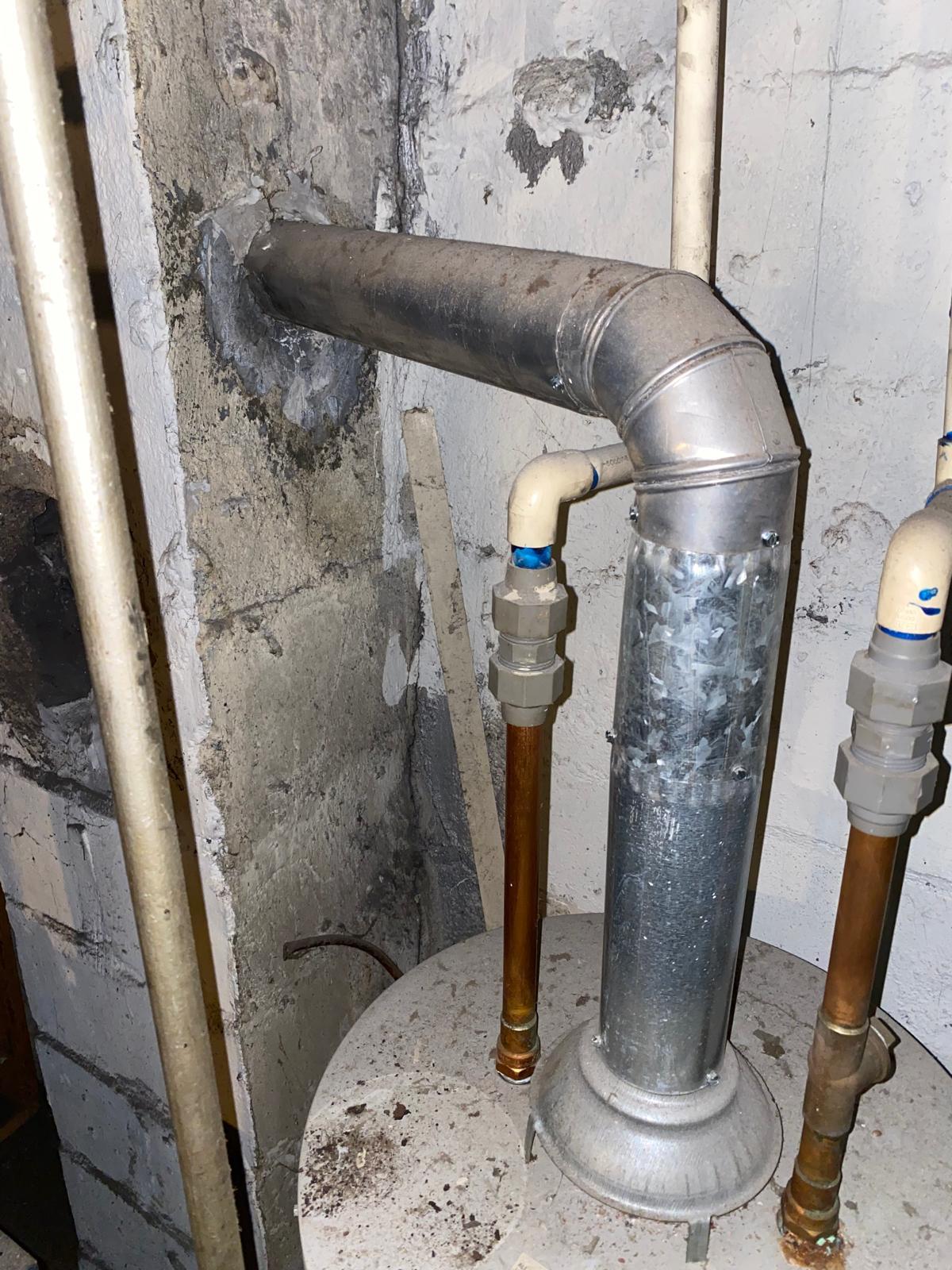
- The Flue: The vertical passage within the chimney that carries smoke and gases to the outside. It can be constructed of masonry or metal. The integrity of the flue lining is crucial for preventing heat transfer to surrounding combustible materials.
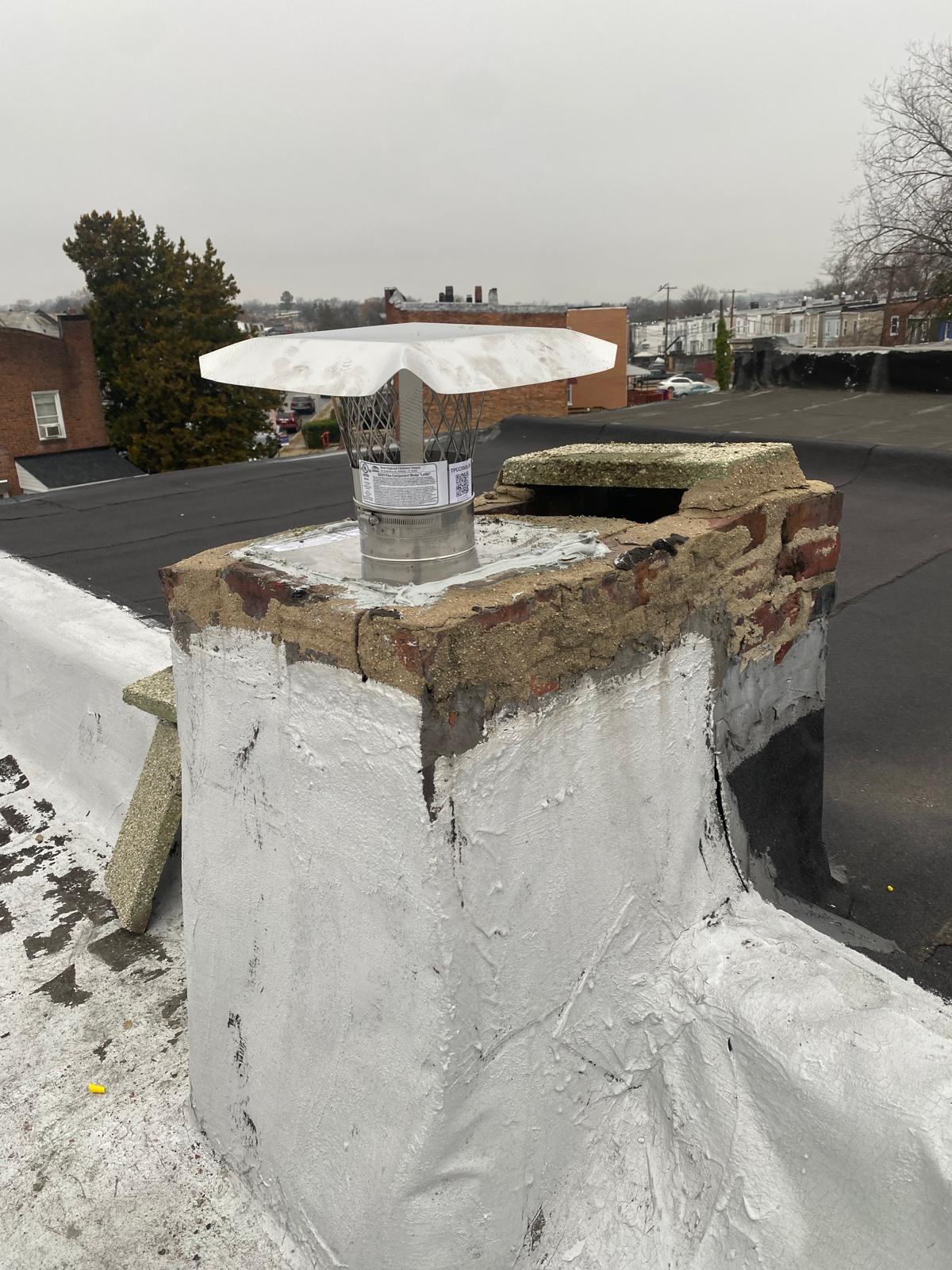
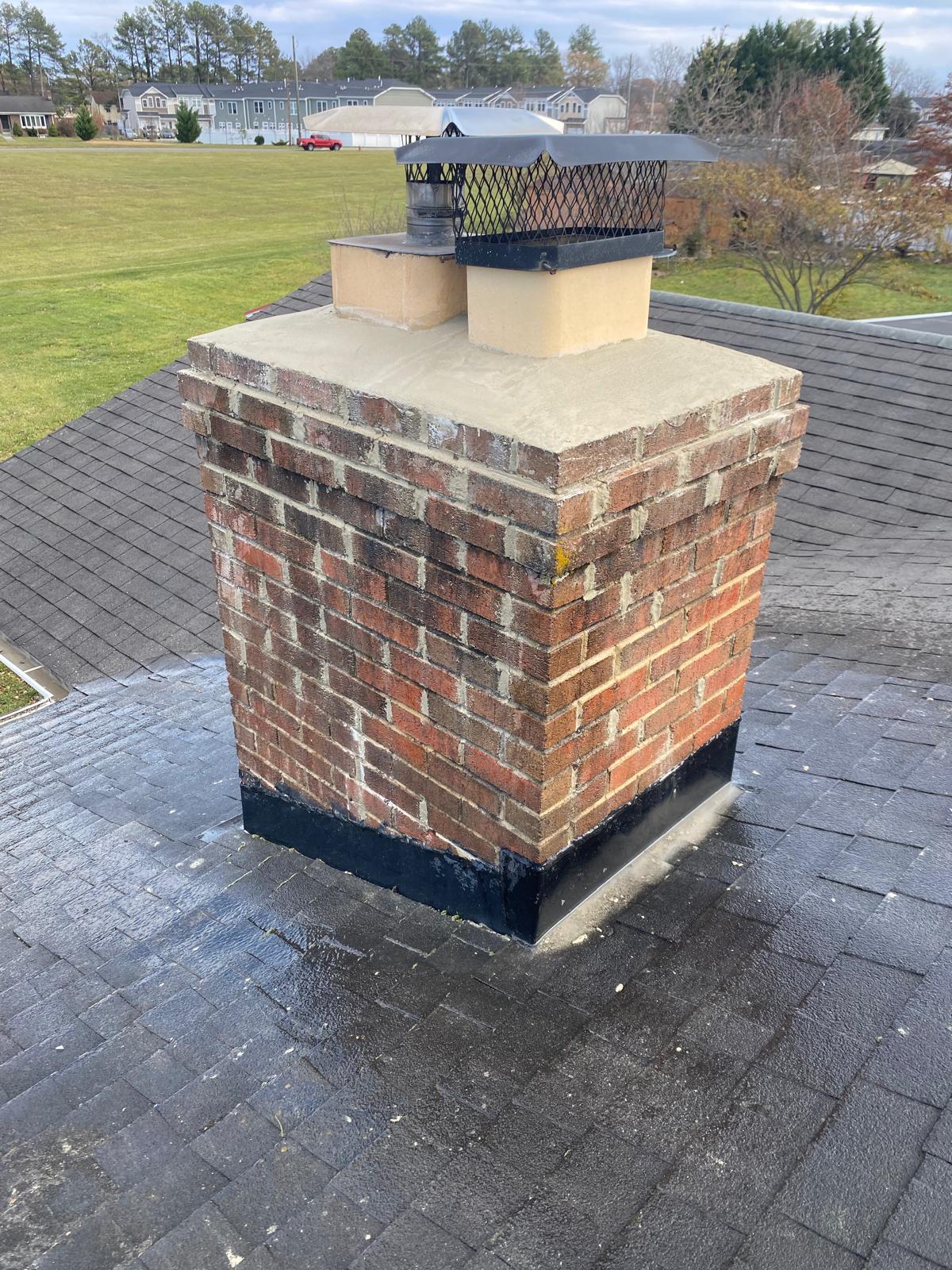
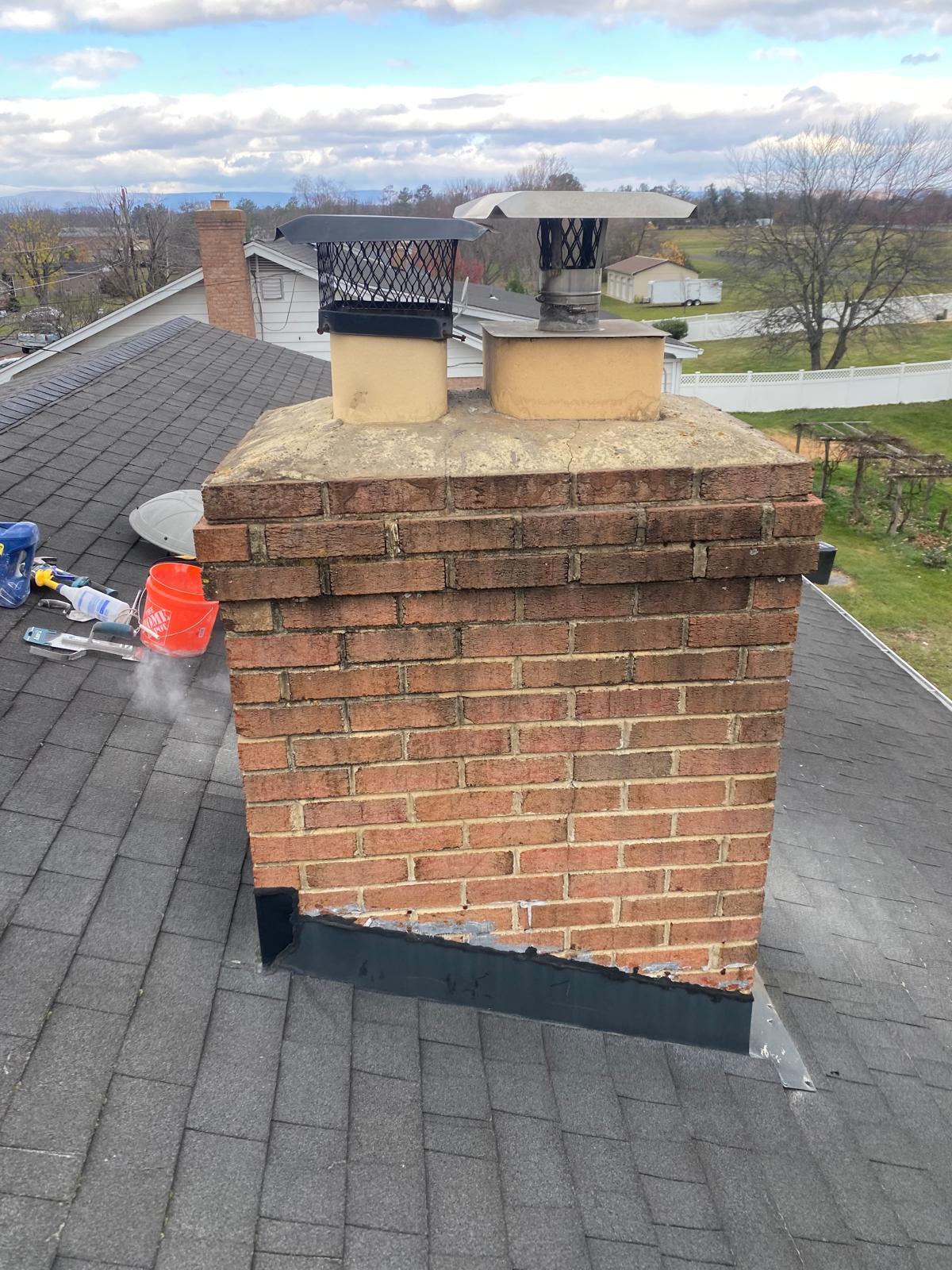
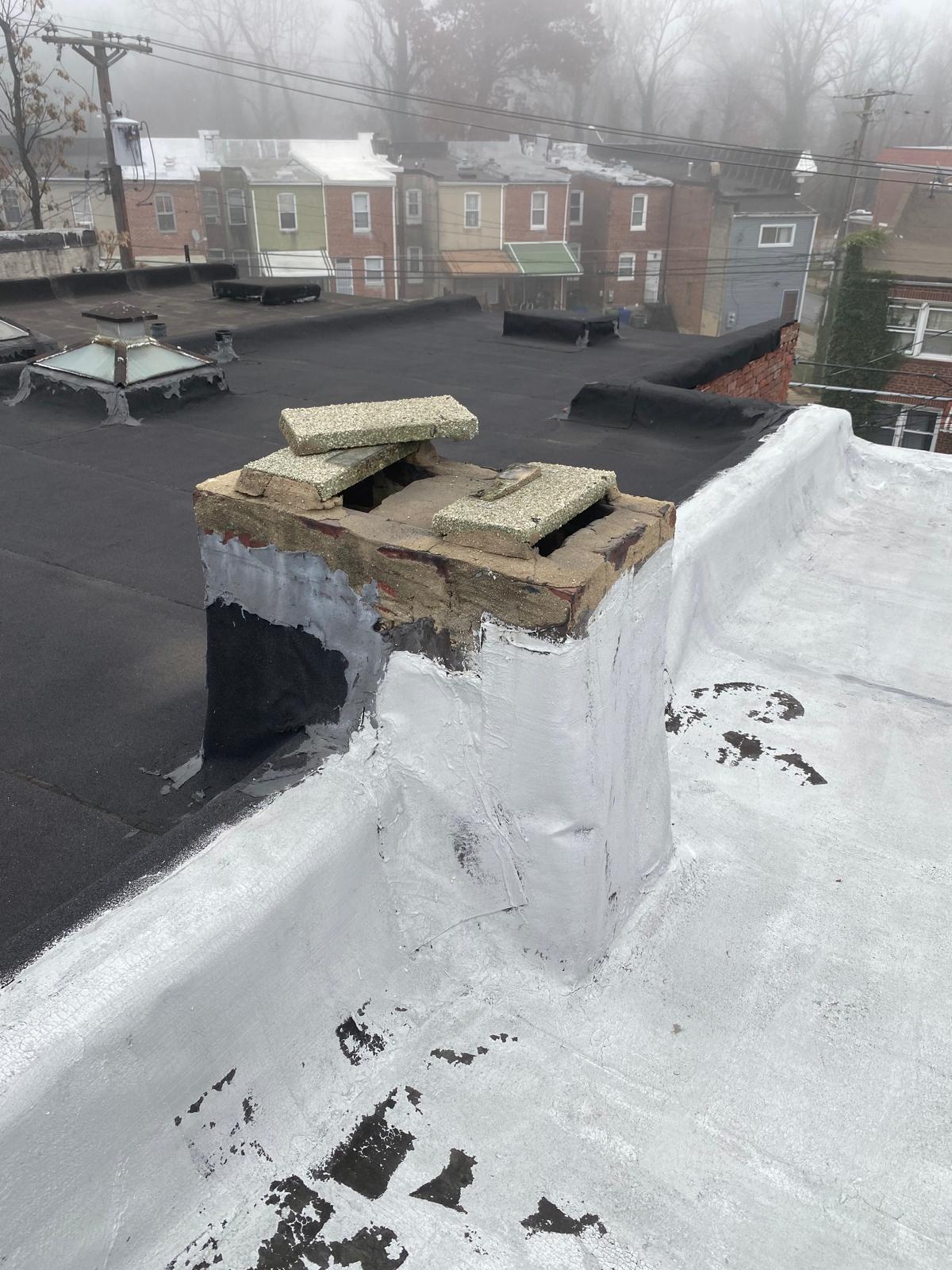
- The Chimney Crown (or Concrete Slab): The protective cap on top of the chimney, designed to shed water away from the flue and masonry. A cracked crown can allow water to seep into the chimney structure, leading to significant damage.
- The Chimney Cap: A metal covering fitted to the top of the chimney flue, often with mesh to prevent animals and debris from entering.
- The Hearth: The non-combustible area in front of and surrounding the fireplace opening, designed to catch sparks and embers.
- The Mantelpiece and Surround: The decorative elements that frame the fireplace opening, often made of wood, stone, or tile.
Each of these components plays a vital role in the safe and efficient operation of your fireplace. Neglect in any one area can compromise the entire system. For instance, a cracked flue lining, a common issue in older homes, significantly increases the risk of a house fire. According to the National Fire Protection Association (NFPA), chimney and fireplace systems are a leading cause of residential fires. Regular inspections, like those performed by certified professionals at DD Chimney Cleaning in Los Angeles, are paramount to identifying and addressing these issues before they escalate.
The “Before & After” Transformation: Realistic Renovation Scenarios
When homeowners in Los Angeles consider fireplace renovation, their motivations are diverse. Some are driven by safety concerns, others by a desire to update a home’s aesthetic, and many by a combination of both. The term “renovation” itself can encompass a wide spectrum of work, from minor aesthetic tweaks to major structural alterations. Understanding these different levels of transformation can help you envision the possibilities for your own home.
Scenario 1: The Cosmetic Refresh – Breathing New Life into Existing Structures
For many Los Angeles residents, their fireplace is structurally sound but visually uninspired. Think of a brick fireplace with a dated color, an overly ornate or plain mantel, or a surround that doesn’t complement their interior design. A cosmetic refresh is often the most budget-friendly and least disruptive renovation path.
- Tackling the Brickwork: Over time, brick can become stained, chipped, or simply fall out of fashion. Options include:
- Cleaning and Sealing: A thorough professional cleaning can remove soot, grime, and efflorescence (white powdery deposits). Sealing the brick can protect it from future staining and make it easier to clean.
- Painting or Staining: Modern masonry paints and stains offer a durable and attractive way to change the color of your brick, from a deep charcoal to a crisp white, dramatically altering the room’s ambiance.
- Adding a Veneer: For a significant aesthetic shift without a full rebuild, consider a thin stone or tile veneer applied over the existing brick. This can instantly elevate the fireplace’s look to a more luxurious natural stone or sophisticated tile finish.
- Revitalizing the Mantel and Surround: The mantelpiece is often the visual anchor of the fireplace.
- Refinishing Wood Mantels: Sanding down and refinishing a worn wood mantel can reveal beautiful grain and update its look.
- Replacing the Mantel: Swapping an old mantel for a new one crafted from reclaimed wood, sleek modern metal, or elegant marble can be a transformative change.
- Updating the Surround: The tiles or stone surrounding the firebox can be replaced with contemporary options like porcelain, ceramic, or natural stone tiles. Large format tiles or a seamless stone slab can create a modern, minimalist look.
- Improving Firebox Appearance: Even if structurally sound, the interior of the firebox might be discolored. A special high-heat paint can refresh its appearance, and a new set of decorative fireproof logs or glass embers can enhance the visual appeal when the fireplace is not in use.
A well-executed cosmetic refresh can make a dated fireplace feel brand new, aligning it with current interior design trends prevalent in areas like Silver Lake or Echo Park. It’s about refining existing features to maximize their potential without altering the fundamental structure. For example, a homeowner in Brentwood might find their original tiled surround has gone out of style; a simple replacement with large-format marble tiles can instantly modernize the entire space.
Scenario 2: The Functional Upgrade – Enhancing Safety and Efficiency
For many fireplaces, particularly those in older Los Angeles homes, the primary need for renovation extends beyond aesthetics to critical safety and efficiency issues. Ignoring these can lead to significant financial losses through wasted energy or devastating consequences from fire hazards.
- Chimney Liner Replacement: This is arguably the most critical safety upgrade. Older chimneys may have unlined flues or clay tile liners that have cracked or deteriorated over time. A stainless steel chimney liner provides a smooth, seamless, and durable conduit for smoke and gases, preventing heat from reaching combustible parts of the house and preventing creosote buildup in cracks. According to chimney professionals, a cracked flue liner is a primary contributor to chimney fires. Specialized companies like DD Chimney Cleaning are experts in assessing flue integrity and performing seamless liner installations, ensuring your chimney meets modern safety standards.
- Firebox Rebuild or Repair: If firebricks are severely cracked, crumbling, or missing, the firebox’s structural integrity is compromised. A partial or full rebuild using proper refractory materials is essential. This ensures the fire is safely contained.
- Damper Repair or Replacement: A faulty damper can allow significant amounts of heated air to escape the home in winter and cool air to escape in summer. Replacing an old, rusted, or misaligned damper with a new energy-efficient seal-tight damper can dramatically improve your home’s energy efficiency.
- Installing a Glass Door Enclosure: Beyond aesthetics, high-quality glass doors can significantly reduce drafts when the fireplace is not in use and prevent heat loss. They also act as a safety barrier, preventing embers from escaping into the room.
- Adding a Wood-Burning Insert or Gas Conversion: For those seeking greater efficiency, a wood-burning insert can dramatically improve heat output and reduce smoke pollution. Alternatively, converting a wood-burning fireplace to gas offers convenience, cleanliness, and consistent heat, often with more modern, realistic flame appearances. These conversions are particularly popular in areas where wood burning might be restricted or for homeowners prioritizing ease of use.
These functional upgrades are not only about making your fireplace safer and more efficient; they can also improve its performance. A well-sealed and properly lined chimney will draw smoke more effectively, reducing the likelihood of smoky rooms. In a city like Los Angeles, where energy costs can be substantial, improving your fireplace’s efficiency can lead to noticeable savings on your utility bills, especially during the cooler months or when using your heating system.
Scenario 3: The Complete Overhaul – Architectural Masterpieces
For homeowners seeking a truly dramatic transformation or those with severely damaged or outdated structures, a complete overhaul is the answer. This involves a comprehensive redesign and rebuild of the fireplace and chimney system, often creating a stunning architectural statement.
- Reconfiguring the Firebox and Fireplace Opening: This might involve changing the size, shape, or depth of the firebox to improve its burning efficiency or to accommodate a larger, more impressive opening. Modern designs might lean towards wider, shallower fireboxes for a more contemporary look, while traditional designs might opt for deeper, more robust openings.
- Architectural Masonry Work: This is where true artistry comes into play. Rebuilding the entire fireplace structure with new, carefully selected brick, stone, or a combination of materials can completely redefine the room’s aesthetic. This could involve intricate brick patterns, rustic natural stone veneers, or sleek, minimalist concrete finishes. Imagine a modern gas fireplace encased in polished concrete with a dramatic floating stone hearth, a stark contrast to a traditional stacked stone fireplace in a craftsman-style home in Glendale.
- Designing a Custom Mantel and Surround: A complete overhaul allows for the creation of a bespoke mantel and surround. This could be a substantial carved wood beam, a monolithic slab of imported marble, or a custom metal fabrication. The surround can extend floor-to-ceiling, incorporating built-in shelving or media units, turning the fireplace into the undisputed focal point of the room.
- Chimney Structure Rebuild: In cases of severe structural compromise, the entire chimney structure may need to be rebuilt from the foundation upwards, ensuring it meets all current building codes and safety standards. This provides an opportunity to alter the chimney’s height or exterior appearance, perhaps to better suit the home’s architectural style.
- Integrating Modern Technology: A complete overhaul is the perfect time to integrate advanced features such as remote-controlled gas fireplaces, advanced venting systems, or even incorporating smart home technology for ignition and flame control.
These comprehensive renovations require significant planning, design expertise, and skilled craftsmanship. They are often undertaken by homeowners looking to significantly increase their home’s value and create a truly unique living space. The investment in a complete overhaul can yield spectacular results, transforming a neglected corner into a showpiece that draws admiration and creates a warm, inviting atmosphere for years to come. Consider the impact of a sleek, linear gas fireplace with a dramatic stone surround in a modern Los Angeles loft, or a grand, traditional wood-burning fireplace with an intricately carved limestone mantel in a historic Hancock Park estate.
Why Professional Expertise Matters for Your Los Angeles Fireplace Renovation
Renovating a fireplace and chimney system is not a DIY project. The inherent risks associated with fire and structural integrity necessitate professional knowledge and experience. Attempting such a renovation without the proper expertise can lead to costly mistakes, safety hazards, and ultimately, a project that falls far short of expectations. Professionals bring several critical advantages to the table: If you’re also looking for locksmith help, best locksmith in Los Angeles is a trusted provider.
- Safety First: Certified chimney sweeps and fireplace technicians are trained to identify potential hazards that the untrained eye would miss. This includes assessing the structural integrity of the chimney, checking for flue blockages, inspecting for creosote buildup, and ensuring compliance with fire safety codes. Their expertise in identifying and mitigating these risks is invaluable.
- Code Compliance: Building codes related to fireplaces and chimneys are complex and vary by locality. Professionals are up-to-date on these regulations, ensuring that your renovation not only looks good but is also legally compliant and safe for your family and property. This is particularly important in a large, diverse city like Los Angeles, with its varied building ordinances.
- Material Selection and Application: Choosing the right materials for fireboxes, liners, mortar, and decorative elements is crucial for longevity and performance. Professionals understand the properties of different refractory materials, types of stone and tile, and the best application methods to ensure a durable and beautiful result.
- Aesthetic Design Guidance: While you may have a vision for your fireplace, an experienced designer or craftsman can offer insights into proportion, scale, and material combinations that will best suit your home’s architectural style and your personal taste. They can help you avoid common design pitfalls and achieve a truly cohesive look.
- Efficiency Optimization: Modern fireplaces are designed for maximum efficiency. Professionals can advise on the best hearth products, inserts, or gas conversion options that will not only look great but also provide the most effective and economical heating solution for your Los Angeles home. This can significantly reduce your energy bills.
- Problem-Solving Capabilities: Older homes often present unexpected challenges during renovations, such as structural issues or hidden damage. Experienced professionals have the problem-solving skills and knowledge to address these unforeseen circumstances effectively, keeping the project on track and within budget whenever possible.
Choosing a reputable company like DD Chimney Cleaning, which has a proven track record in Los Angeles, means entrusting your project to individuals who understand the unique climate, architectural styles, and building practices of the region. Whether you are considering a simple cleaning in the San Fernando Valley or a full structural rebuild in Santa Monica, their expertise ensures a safe, efficient, and aesthetically pleasing outcome. For homeowners in different regions, understanding local expertise is also key; for instance, a company like DD Chimney Cleaning in Dallas will have a different understanding of building materials and climate challenges compared to their counterparts in, say, DD Chimney Cleaning in New York.
Frequently Asked Questions About Fireplace Renovation in Los Angeles
Embarking on a fireplace renovation can bring up many questions. Here, we address some of the most common inquiries from our Los Angeles clients: For related services, Los Angeles Air Duct Cleaning offers excellent solutions.
1. How much does a fireplace renovation typically cost in Los Angeles?
The cost of fireplace renovation in Los Angeles can vary significantly, from a few hundred dollars for a thorough cleaning and minor cosmetic updates to tens of thousands of dollars for a complete structural overhaul and custom architectural design. A basic cosmetic refresh, such as painting brickwork or replacing a mantel, might range from $500 to $2,500. Functional upgrades like relining a chimney can cost between $1,500 and $4,000. Complete rebuilds or custom designs involving new masonry, mantels, and surrounds can easily start at $5,000 and go upwards of $20,000 or more, depending on the complexity and materials used. Factors influencing cost include the size of the fireplace, the extent of structural work needed, the type of materials chosen (e.g., natural stone vs. ceramic tile), and the labor rates in your specific Los Angeles neighborhood.
2. How long does a typical fireplace renovation take?
The duration of a fireplace renovation depends heavily on the scope of work. A cosmetic refresh, like cleaning and repainting, can often be completed in a day or two. More involved projects, such as a chimney reline or firebox repair, might take 2-5 days. A complete overhaul involving structural rebuilding, custom masonry, and new finishes can take several weeks, potentially extending to a month or more, especially if custom materials need to be ordered or if complex design elements are involved. This timeline also accounts for any necessary curing times for mortar or stucco.
3. Do I need a permit for fireplace renovation in Los Angeles?
Our Chimney Services:
Professional chimney cleaning and chimney inspection services available nationwide. Our CSIA-certified technicians serve Chicago, New York, Boston, Houston, and hundreds of cities nationwide. Call (833) 339-6803 for a free inspection.