The Sweat-Induced Sweatpants Syndrome: When LA Heat Met Your Unchecked Chimney
Ah, Los Angeles. The land of eternal sunshine, dreams, and… well, sometimes, the kind of heat that makes your car’s steering wheel feel like a hot plate. You’ve just navigated the freeway inferno, dodged a rogue scooter, and finally made it home. You kick off your shoes, dreaming of AC and a long, cool drink. Then, you notice it. That faint, unsettling smell wafting from your fireplace. Or maybe you see a wisp of something that *definitely* isn’t scented candle smoke. Sound familiar? It’s the dreaded “Sweat-Induced Sweatpants Syndrome” – a state of being where the outside heat is so intense, even your indoor comfort is under threat, and your chimney, bless its little brick heart, might be contributing to the misery. This isn’t just about a weird smell; we’re talking about real, tangible heat-related damage that can turn your cozy hearth into a potential headache. Let’s break down how those sweltering Los Angeles heatwaves can impact your chimney and, more importantly, how to prevent it.
The Chimney’s Unseen Summer Struggles
When we think of chimneys, our minds usually drift to cozy winter nights, crackling fires, and the comforting aroma of wood smoke. But what happens when the mercury climbs into the triple digits, and your fireplace is as dormant as a Hollywood actor on a diet? You might be surprised to learn that chimneys aren’t just for winter. They’re structural elements exposed to the elements year-round, and the relentless Los Angeles sun can wreak its own unique brand of havoc. Think of it like this: your chimney is a brick and mortar veteran, standing tall against the elements for decades. But even the toughest veterans need a little TLC, especially when faced with a summer that feels like a scene from *Mad Max: Fury Road*.
Heat Expansion: When Bricks Get Grumpy
Here’s a science tidbit that’s less fun than a trip to the beach, but crucial for your home’s health. Everything expands when it gets hot. This includes the bricks, mortar, and metal components of your chimney. During those intense LA heatwaves, the temperature differences between the sun-baked exterior of your chimney and its cooler interior (especially if it’s shaded or you have a draft of cooler air coming from inside your home) can cause materials to expand and contract repeatedly. Over time, this constant micro-movement can lead to tiny cracks in the mortar joints. These aren’t necessarily visible to the naked eye initially, but they’re like the first hairline fractures in a beloved ceramic mug – they weaken the structure and open the door for bigger problems.
Creosote’s Summer Swagger
Now, let’s talk about creosote. This is the black, tar-like residue that forms when wood doesn’t burn completely. It’s naturally flammable (hence the chimney fire risk). But during extreme heat, creosote can undergo some unpleasant transformations. High temperatures can cause it to become even more brittle and crumbly, or conversely, to become sticky and gooey. Imagine a forgotten candy bar left in your car on a scorching July day – that’s sort of what’s happening inside your chimney flue. This sticky goo can coat the flue liner, restricting airflow and creating an even greater fire hazard when you *do* eventually light a fire. It’s like giving your chimney a flammable, gooey makeover, courtesy of Mother Nature’s oven.
Moisture, Mysteries, and Mildew
While LA is known for its dry heat, we do get occasional humidity, especially near the coast, or if you’re running your AC full blast. When the hot exterior meets the potentially cooler interior of your chimney, condensation can form. This is particularly true if you’ve been using your fireplace recently or if there’s any residual moisture from previous use. This trapped moisture, combined with the organic materials of creosote, creates a perfect breeding ground for mold and mildew. Suddenly, that unpleasant smell you noticed isn’t just “heat”; it’s potentially a microscopic army having a party in your flue. This can lead to a musty odor permeating your home, and if left unchecked, can even affect air quality. Think about the humidity levels in Santa Monica versus the drier heat of the San Fernando Valley; different microclimates can influence how moisture behaves within your chimney structure.
Animal Guests Who Overstay Their Welcome
During hotter months, animals like birds, squirrels, and even raccoons might seek cooler, shaded spots. Your chimney, with its relatively sheltered access and potential for trapped warmth, can become an attractive, albeit temporary, residence. A bird’s nest, for example, can accumulate debris over time. During a heatwave, this dry material becomes incredibly flammable. Furthermore, animal droppings can be corrosive to chimney components, and if an animal happens to pass away inside, well, that’s a smell you *definitely* don’t want to experience. It’s a stinky, potentially dangerous problem that the heat only exacerbates by encouraging these critters to seek shelter.
The Heatwave Checklist: Keeping Your Chimney Cool and Collected
So, how do we combat this potential summer fireplace fallout? It’s all about proactive maintenance and a little bit of vigilance. Think of this as your personal heatwave survival guide for your chimney. We’re not saying you need to install a personal air conditioner for your flue, but there are certainly steps you can take to ensure it weathers the storm (or, more accurately, the heatwave) unscathed.
-
Regular Inspections are Your Superpower
This is non-negotiable. Just like you wouldn’t skip your annual dental check-up, you shouldn’t skip your chimney inspection. Professional chimney sweeps are trained to spot the early signs of damage – the hairline cracks, the compromised mortar, the signs of animal intrusion, and the buildup of creosote, even when it’s not actively in use. They have specialized tools and a keen eye for detail that a homeowner simply doesn’t possess. They can identify issues before they become expensive problems. For those in the Los Angeles area, a qualified chimney professional understands the unique challenges posed by our climate, from extreme heat to the occasional Santa Ana winds. Even if you’re in a completely different climate and just browsing our tips, remember that consistent DD Chimney Cleaning in Boston offers similar essential services. The principles remain the same, regardless of the thermostat reading!
-
The Deep Clean: It’s Not Just for Spring
A thorough chimney cleaning is crucial, and not just before winter. During the off-season (which, let’s be honest, is most of the year in sunny LA!), a clean chimney is a safe chimney. Removing creosote, soot, and any accumulated debris eliminates potential fuel for fires and prevents those sticky, goo-like buildups that the heat loves to encourage. A professional cleaning involves brushing the entire length of the flue, removing blockages, and ensuring the damper operates correctly. This is a key part of preventing heat-related issues because it removes the very substances that can degrade under high temperatures.
-
Cap It Off: The Crown Jewel of Chimney Protection
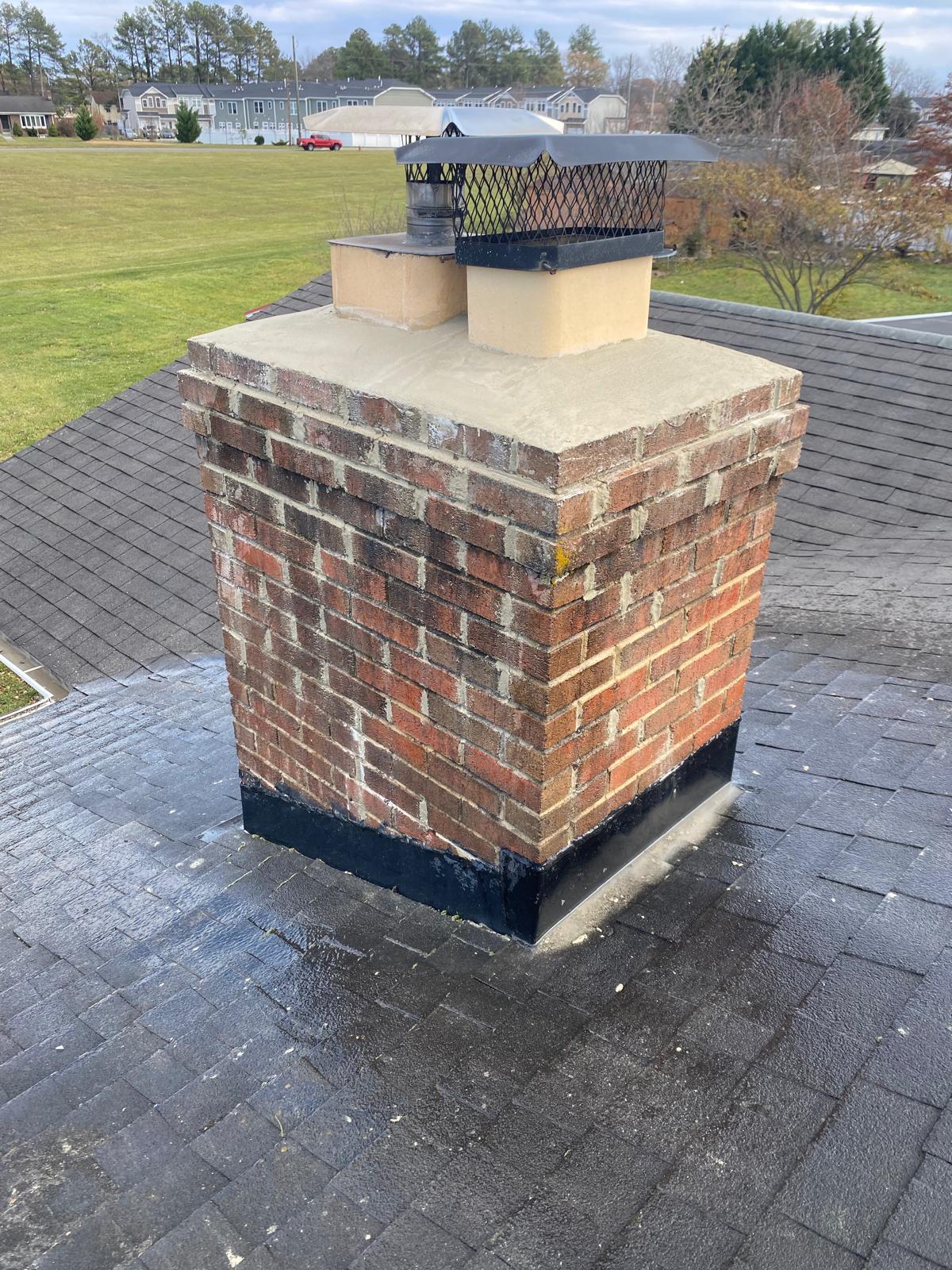
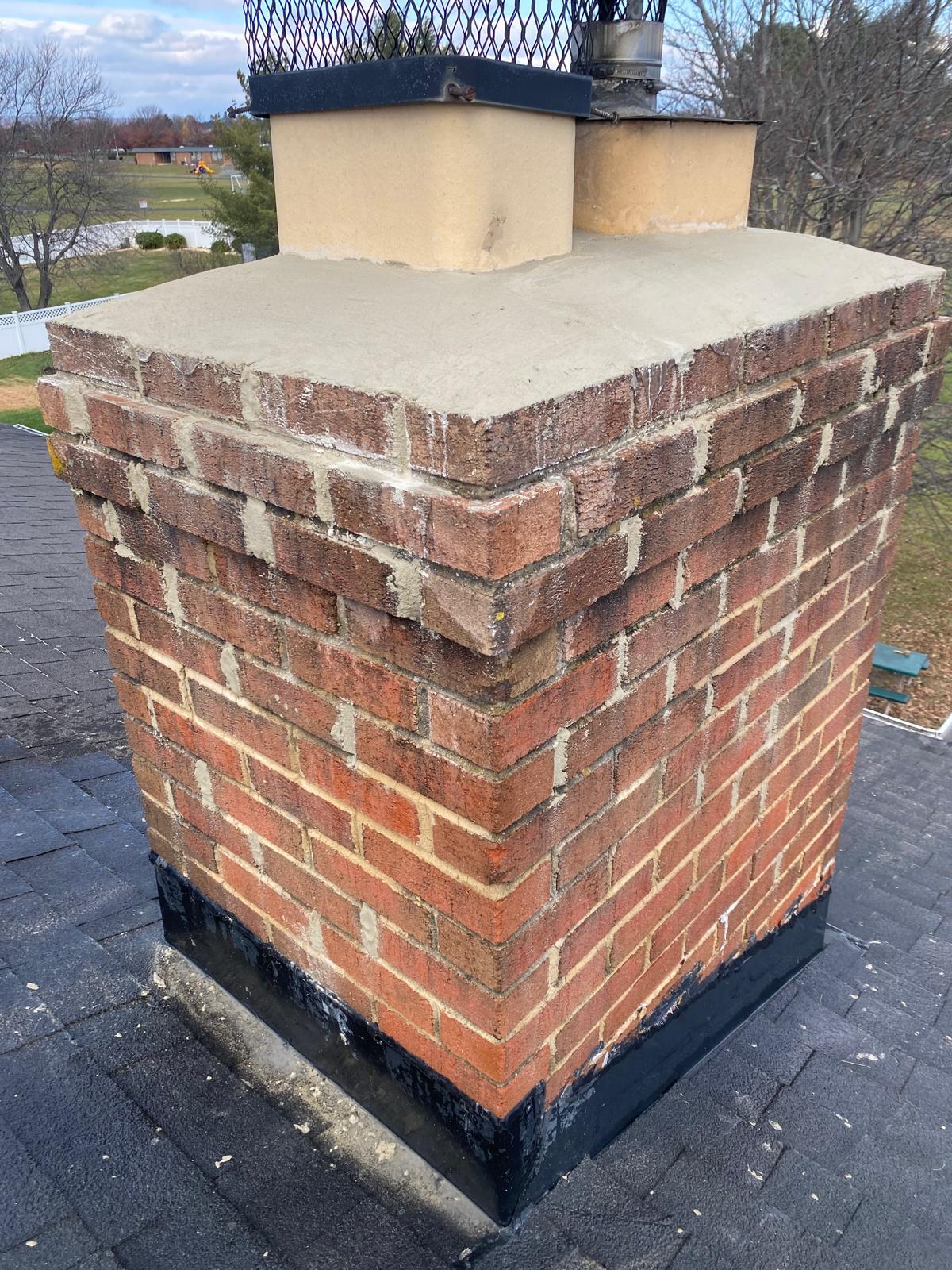
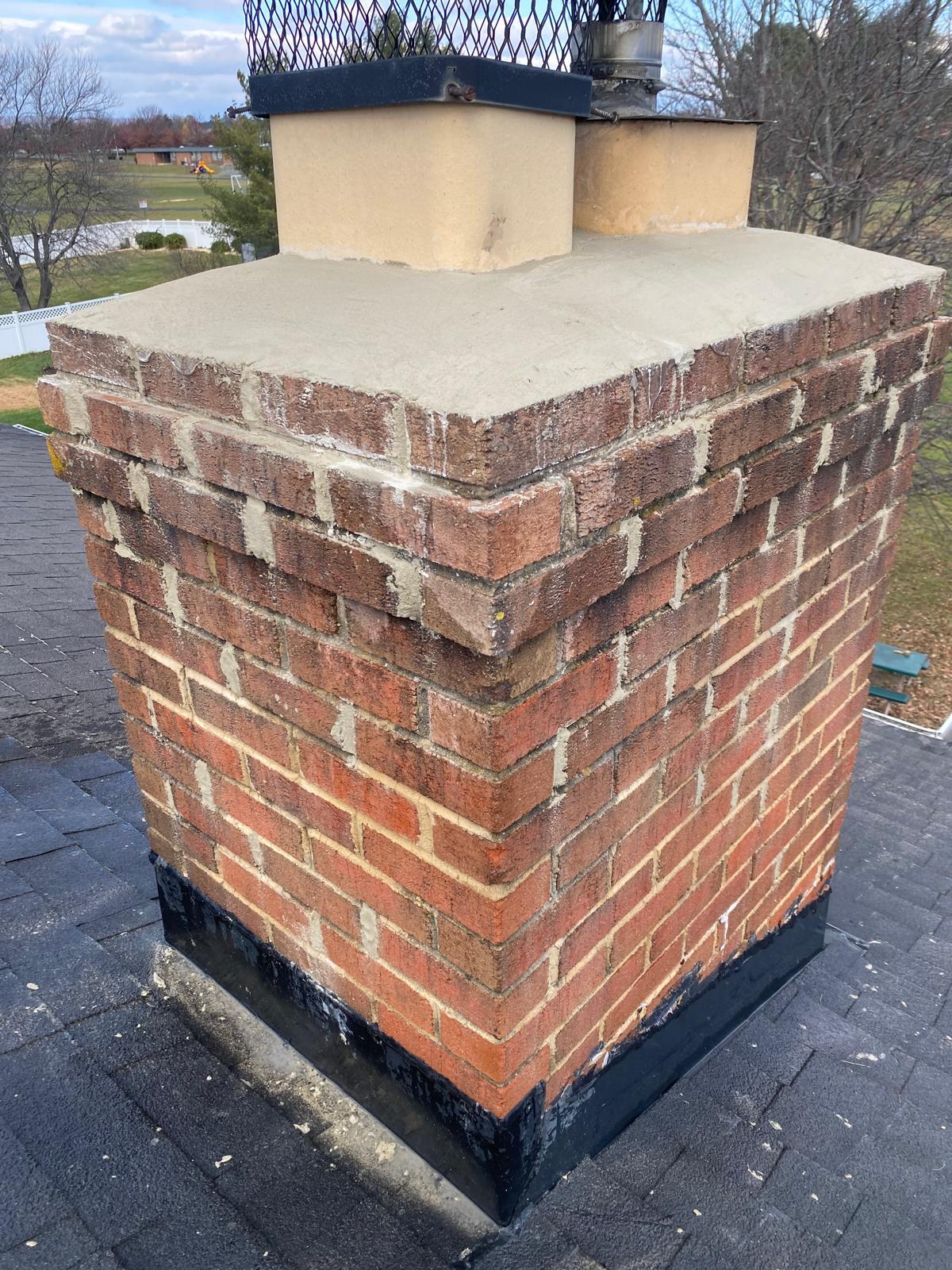
Your chimney crown is the concrete slab at the very top that protects the chimney from water and debris. During heatwaves, this crown can experience significant expansion. If it’s already showing signs of wear, like cracks, the heat can exacerbate these fissures, allowing water to seep in during any rare rain or even morning dew. A damaged crown can lead to more serious structural issues down the line. Ensuring your chimney crown is in good repair, sealed, and free of cracks is a vital preventative measure against weather-related damage, including the expansion and contraction caused by intense heat.
-
Damper Decisions: Let It Breathe (or Not!)
Your chimney damper is the little door that opens and closes to control airflow. During the summer, when you’re not using the fireplace, keep your damper closed. This helps to prevent hot outside air from entering your home and cooler inside air from escaping. It also acts as a barrier against pests and prevents dust and debris from entering the flue. However, if you’ve been using your fireplace even a little, it’s crucial to ensure the damper is properly sealed. An improperly sealed damper can be a pathway for heat and moisture to enter your home.
-
Ventilation Vigilance: More Than Just Airflow
While a closed damper prevents unwanted air exchange, proper attic and home ventilation is still important for overall temperature regulation. An overheated attic can radiate heat downwards, indirectly impacting the temperature of your chimney structure. Ensuring your home’s ventilation systems are working efficiently helps to mitigate extreme temperature fluctuations that can stress your chimney materials. Think of it as ensuring your whole house is dressed appropriately for the weather, not just the fireplace.
-
Chimney Liner: Your Flue’s Best Friend
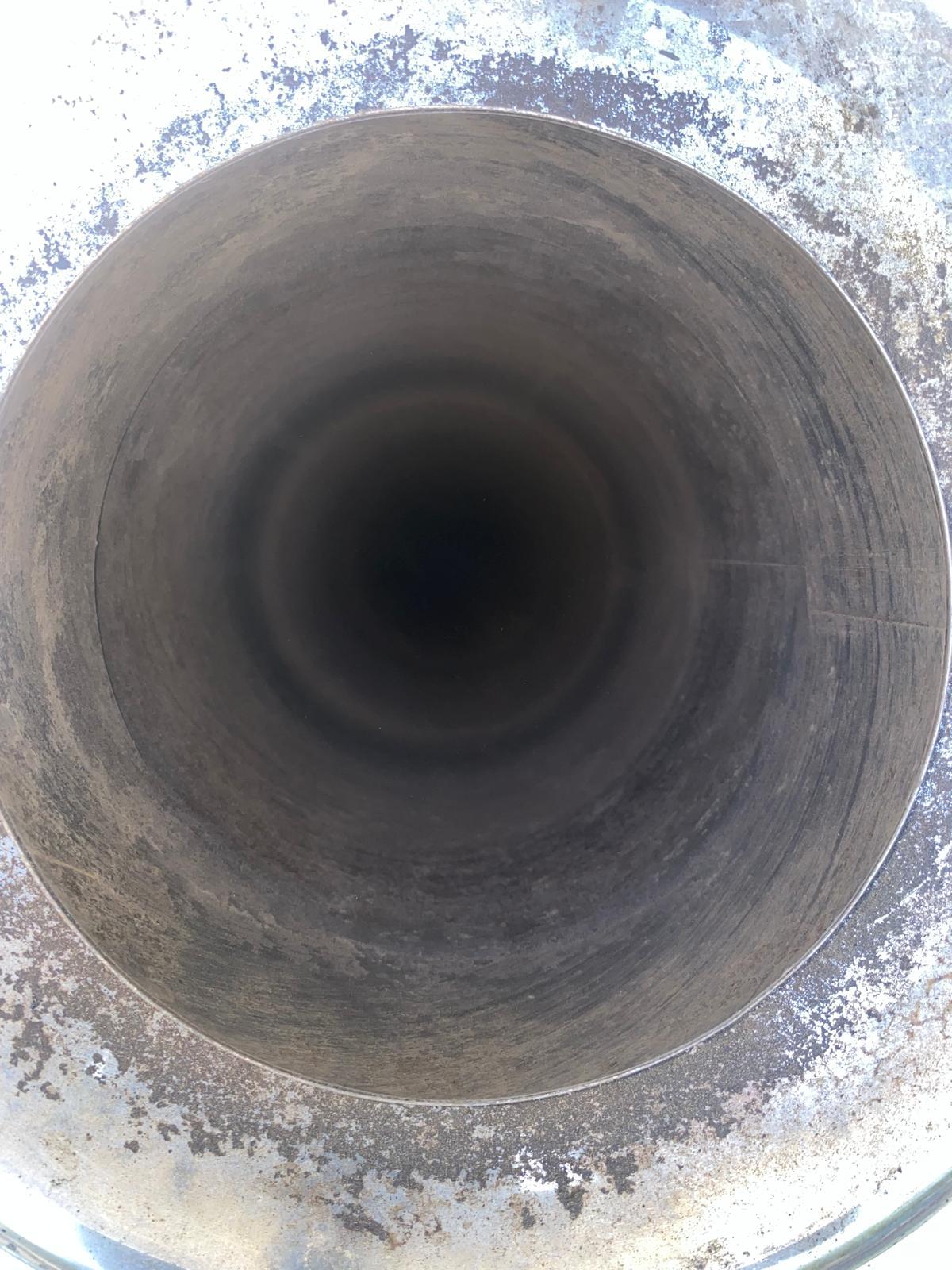
The flue liner (typically made of clay tiles or metal) is the protective shield for your chimney’s interior. Over time, and with repeated exposure to heat, smoke, and corrosive byproducts, this liner can crack or deteriorate. Extreme heat can accelerate this process. A cracked liner is a direct pathway for heat to reach combustible parts of your home, significantly increasing the risk of fire. It also allows moisture and creosote to penetrate the chimney structure itself, leading to masonry damage. Regular inspections will identify any issues with your flue liner, and prompt repair or relining is a critical safety measure, especially in a climate prone to high temperatures.
-
Beware of Over-Enthusiastic Landscaping
This might seem tangential, but hear us out. Overgrown trees or shrubs directly against your chimney can trap moisture, preventing proper air circulation and contributing to the potential for mold growth. While not directly a heat-related issue, damp conditions amplified by stagnant air can weaken chimney materials over time, making them more susceptible to damage from thermal expansion during heatwaves. Prune those branches back!
The Big Picture: Why LA Heat is a Unique Challenge
Los Angeles isn’t your average town when it comes to weather. We have extended periods of intense, dry heat, punctuated by the infamous Santa Ana winds, which can further dry out and crack masonry. For a chimney that might be older, made with less resilient materials, or has had minor issues that have gone unnoticed, these conditions are a perfect storm for deterioration. For instance, the expansive nature of our clay soil can also put stress on foundations, which in turn can subtly affect the chimney’s structural integrity over time. When you add extreme heat to these existing stressors, the risks multiply. It’s why understanding the local climate and its impact on your home’s specific construction is so important. This is precisely why services like DD Chimney Cleaning in Los Angeles are so vital – they understand these specific environmental pressures.
FAQ: Your Burning Questions About Hot Chimneys Answered
-
Q1: My chimney hasn’t been used all summer. Why would it need cleaning?
Great question! Even without use, your chimney is an external structure. It’s exposed to dust, debris blown by the wind, potential animal nests, and the constant cycle of expansion and contraction due to temperature fluctuations. Creosote can also form from residual moisture and trace elements, and if animals are nesting, their droppings can be corrosive. Essentially, it’s a year-round job for your chimney, and off-season cleaning is preventative maintenance that makes a big difference, especially during prolonged heat.
-
Q2: I smell a faint “burning” smell when it’s really hot, but I haven’t used the fireplace. What is it?
This is a common and concerning sign. It could be a few things, but most likely, it’s either a buildup of creosote that is becoming more volatile and releasing fumes under the extreme heat, or it’s an animal that has made a nest or is deceased within the flue. In either case, it’s a situation that requires immediate professional inspection. Do not attempt to light a fire. Call us at (833) 339-6803!
-
Q3: Can extreme heat damage the *outside* of my chimney?
Absolutely. The exterior masonry (bricks and mortar) is subject to direct sunlight and high temperatures. This causes expansion. When temperatures drop even slightly (like overnight), it contracts. This constant expansion and contraction, repeated over days and weeks during a heatwave, can lead to micro-fractures in the mortar joints. Over longer periods, these can widen, allowing water ingress, which freezes and expands in colder months, further damaging the structure. It’s a slow but steady degradation process accelerated by intense heat.
-
Q4: I heard you can clean your chimney yourself. Is that true?
While some very basic sweeping might be possible for accessible areas, a professional chimney cleaning is far more comprehensive and safe. Professionals have the right tools, including specialized brushes and rods to reach the entire flue, inspection cameras to spot internal damage, and the knowledge to identify and address potential hazards like flue liner damage, chimney cap issues, or masonry deterioration. Attempting to do it yourself without the proper equipment and expertise can be ineffective and, more importantly, dangerous, potentially leading to further damage or even injury. Think of it like trying to perform your own dental root canal – best left to the experts! Homeowners in San Fernando Valley have also found great results with learn more.
-
Q5: How often should my chimney be inspected and cleaned in Los Angeles?
The general recommendation from organizations like the Chimney Safety Institute of America (CSIA) is to have your chimney inspected annually. Cleaning frequency depends on usage, but for many Los Angeles homeowners who use their fireplaces infrequently during our mild winters, an annual inspection is paramount. If you are a more frequent user, you might need cleaning more often. An annual inspection is your best defense against developing heat-related issues during those brutal summer months. Many of our readers also trust armo electric usa for their home service needs.
-
Q6: What are the signs that my chimney needs immediate attention due to heat damage?
Look out for visible cracks in the mortar joints, crumbling bricks, spalling (where the surface of the brick flakes off), white powdery deposits on the masonry (efflorescence, which indicates moisture), or a persistent smoky or burning odor. If you notice any of these signs, especially after a period of intense heat, it’s crucial to call a professional. It’s always better to be safe than sorry when it comes to your home’s safety, much like how thorough checks are vital in places like Philadelphia, as offered by DD Chimney Cleaning in Philadelphia, to address any structural concerns.
Don’t Let the LA Heat Toast Your Chimney!
Los Angeles heatwaves are no joke, and while we’re all focused on staying cool, it’s easy to forget about the hardworking structures like our chimneys. Ignoring potential issues during these hot months can lead to costly repairs, decreased home efficiency, and, in the worst-case scenario, dangerous fire hazards. Don’t let your chimney become another casualty of the summer sun. Regular inspections, thorough cleanings, and a keen eye for potential problems are your best defense against heat-related damage.
Ready to give your chimney the attention it deserves and keep it safe through the heat? Our team of certified professionals at DD Chimney Cleaning is here to help. We understand the unique challenges faced by homeowners in the Los Angeles area and are dedicated to providing top-notch service to protect your home. Don’t wait for a problem to develop – be proactive!
Call us today for a comprehensive chimney inspection and cleaning!
Phone: (833) 339-6803
Let DD Chimney Cleaning ensure your chimney is in tip-top shape, no matter how high the mercury climbs!
Our Chimney Services:
Professional chimney cleaning and chimney inspection services available nationwide. Our CSIA-certified technicians serve Chicago, New York, Boston, Houston, and hundreds of cities nationwide. Call (833) 339-6803 for a free inspection.