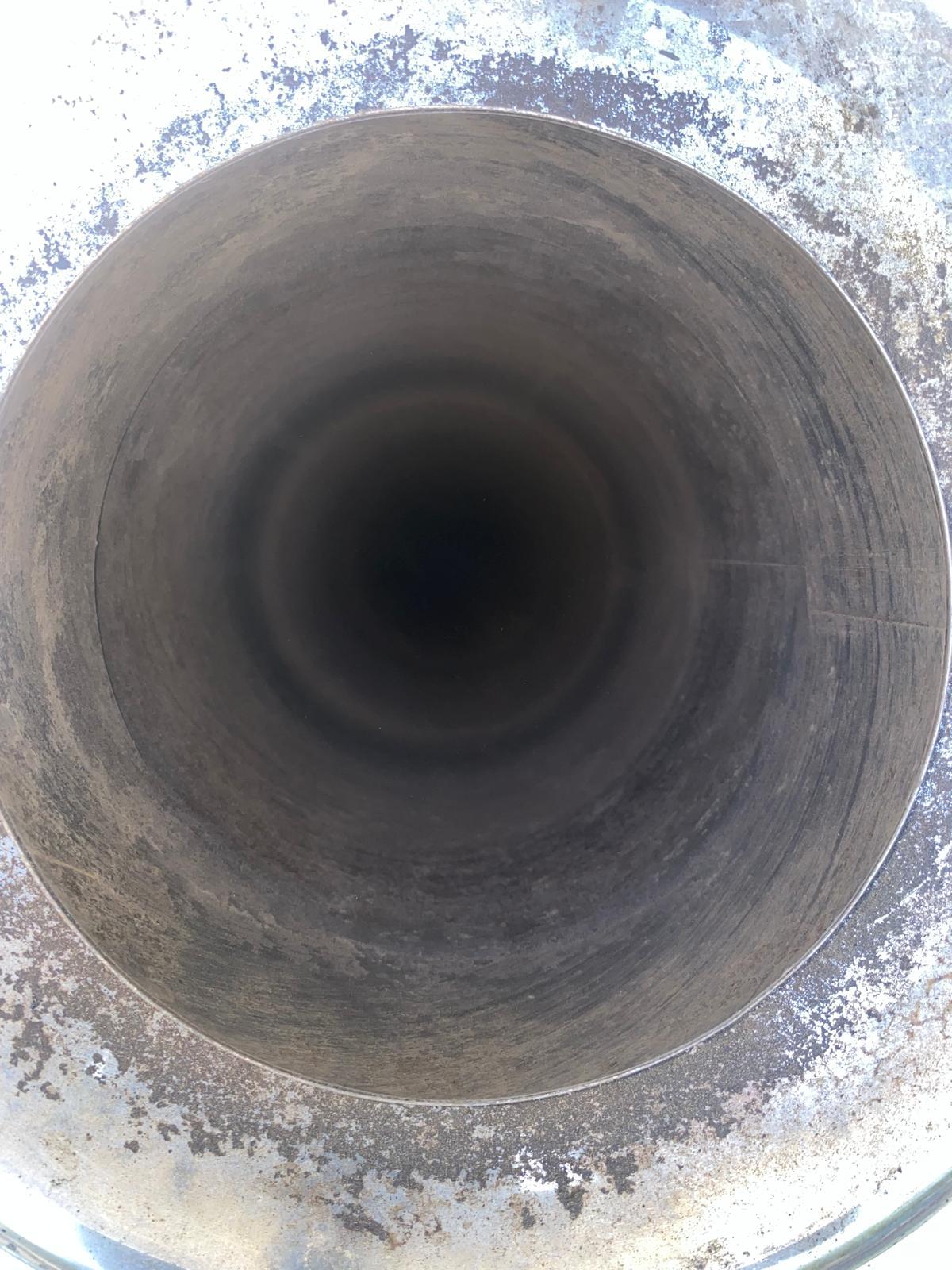
Did You Know? That subtle smoky scent clinging to your home might be more than just residual campfire air after a cozy evening in your Los Angeles fireplace?
Living in a vibrant city like Los Angeles, where the Mediterranean climate often tempts us to enjoy a crackling fire, we understand that unexpected smells from your fireplace can be a cause for concern. The warmth and ambiance a fireplace provides are undeniable, especially on those cooler evenings or during holiday gatherings. However, when that comforting aroma turns into something strange, lingering, or even alarming, it’s natural to feel a little unsettled. You might be wondering if it’s normal, if it’s dangerous, or what’s even causing it. At DD Chimney Cleaning, we’re here to demystify those peculiar fireplace odors and help you pinpoint the source, offering peace of mind and a cleaner, safer hearth.
The Common Culprits Behind Fireplace Smells in Los Angeles
When your fireplace isn’t working as it should, it can release a variety of unwelcome scents. Understanding these common culprits is the first step toward identifying and resolving the issue. We’ve compiled a comprehensive checklist to help you decode the various strange smells you might encounter. Think of this as your olfactory troubleshooting guide, designed to equip you with the knowledge to recognize potential problems before they escalate.
-
1. The Lingering “Wood Smoke” Smell
This is perhaps the most common smell, but its persistence can be a sign of a problem. While a faint scent of woodsmoke after a fire is expected, a strong or continuous odor when the fireplace isn’t in use often points to a draft issue. This could be due to a damper that isn’t fully closed, allowing smoke to escape back into your home, or a chimney that’s not drafting efficiently. In Los Angeles, where architectural styles can vary greatly, a poorly designed or constructed chimney can exacerbate these issues. Sometimes, creosote buildup, a flammable tar-like substance that accumulates in the chimney flue, can also release this smell, especially when it gets damp from humidity.
-
2. The Musty or Mildew Odor
This damp, earthy smell is often a clear indicator of moisture issues within your chimney system. Los Angeles experiences its share of foggy mornings, especially near the coast in areas like Santa Monica and Pasadena. This ambient moisture can seep into the chimney structure, especially if the cap is damaged or missing, allowing rain and dew to enter. When this moisture mixes with soot and creosote, it creates an ideal breeding ground for mold and mildew. Not only is this unpleasant to smell, but it can also degrade the chimney structure over time and negatively impact your indoor air quality. If you’re noticing this scent frequently, it’s a strong signal to inspect for water penetration.
-
3. The Acrid or “Burning Plastic” Smell
This is a more serious and potentially dangerous odor. A sharp, chemical, or “burning plastic” smell during or shortly after a fire usually signifies that something unnatural is burning in your fireplace. This could be anything from leftover trash that was accidentally burned, to painted wood that’s now releasing toxic fumes when heated, or even debris that has fallen into the chimney. In rare cases, it could be a sign of a malfunctioning fireplace insert or accessory. The presence of this smell demands immediate attention, as the fumes produced can be harmful. Professional inspection is crucial to identify and remove the offending material and ensure the fireplace is safe for use.
-
4. The “Rotten Egg” or Sulfur Smell
This distinct, unpleasant odor is less commonly associated with traditional wood-burning fireplaces and more often linked to appliances that utilize natural gas or propane. However, if you have a gas starter for your wood fireplace, or if there’s a gas line running near your fireplace that’s experiencing a leak, this smell could indicate a serious safety hazard. The rotten egg scent is due to mercaptan, an additive that gives natural gas and propane a recognizable odor. If you detect this smell, **stop using your fireplace immediately, ventilate your home, and call your gas company or a qualified professional at (833) 339-6803.**
-
5. The “Dead Animal” Smell
Unfortunately, chimneys can sometimes become unintentional homes for small creatures like birds, squirrels, or even rodents. If a critter has unfortunately met its end within your chimney flue or on your damper, decomposition will naturally lead to a strong, unpleasant odor. This smell can be particularly potent and pervasive, especially during warmer periods or when the chimney is first heated. Removing the deceased animal and thoroughly cleaning the chimney is the only way to eliminate this particular smell.
-
6. The “Soapy” or “Chemical” Smell
A smell that’s vaguely chemical or akin to strong detergent can sometimes be a sign of certain types of manufactured logs or fire starters. While convenient, some of these products can release compounds that leave behind a distinct, sometimes off-putting, odor when burned or when residual products react with moisture. If you’ve recently used a new type of fireplace product and noticed this smell, it might be the source. However, it’s also worth considering if any cleaning products have accidentally come into contact with the firebox or chimney lining, though this is less common.
When to Call in the Professionals: Understanding Fireplace Maintenance
Recognizing these smells is one thing, but knowing when to seek professional help is paramount for your safety and the longevity of your fireplace. While a faint smoky smell after a fire is usually harmless, persistent or concerning odors warrant an expert evaluation. In the bustling environment of Los Angeles, with its diverse range of homes, from historic bungalows in Pasadena to modern estates in Beverly Hills, maintaining your chimney is crucial.
Regular chimney cleaning is not just about removing creosote; it’s about comprehensive inspection and maintenance. A professional chimney sweep can identify blockages, structural issues, and potential fire hazards that you might miss. For instance, a bird’s nest tucked away in your flue might be the cause of airflow issues and, consequently, smells. Or, hairline cracks in the masonry could be allowing moisture to enter, leading to those musty odors. Ensuring your damper seals properly is also a key part of preventing smoke from re-entering your home. DD Chimney Cleaning specializes in providing these essential services, ensuring your fireplace remains a source of warmth and enjoyment, not worry. We understand the specific challenges faced by homeowners in this region, from coastal humidity to the types of wood commonly burned.
The Crucial Role of Creosote Buildup
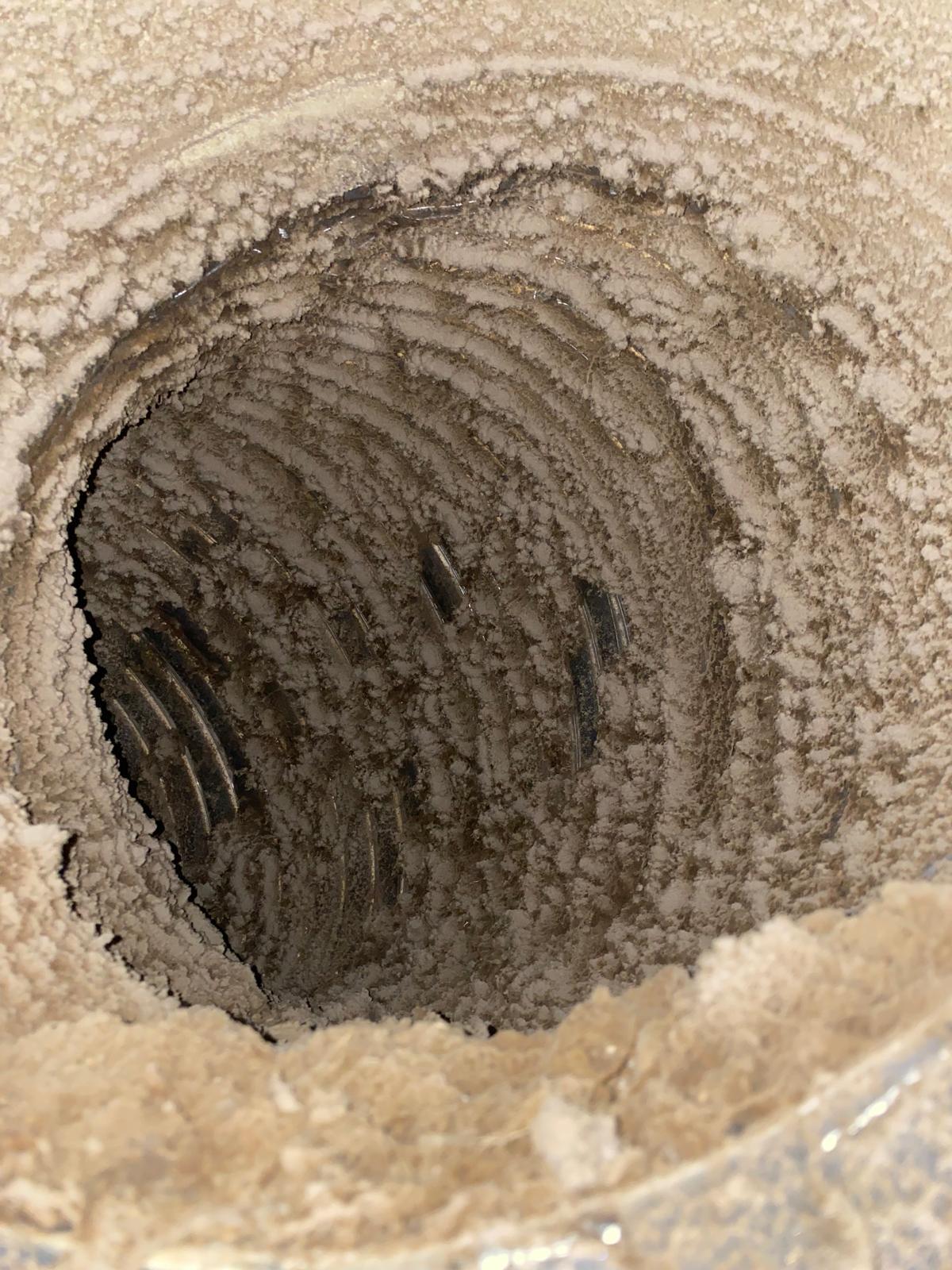
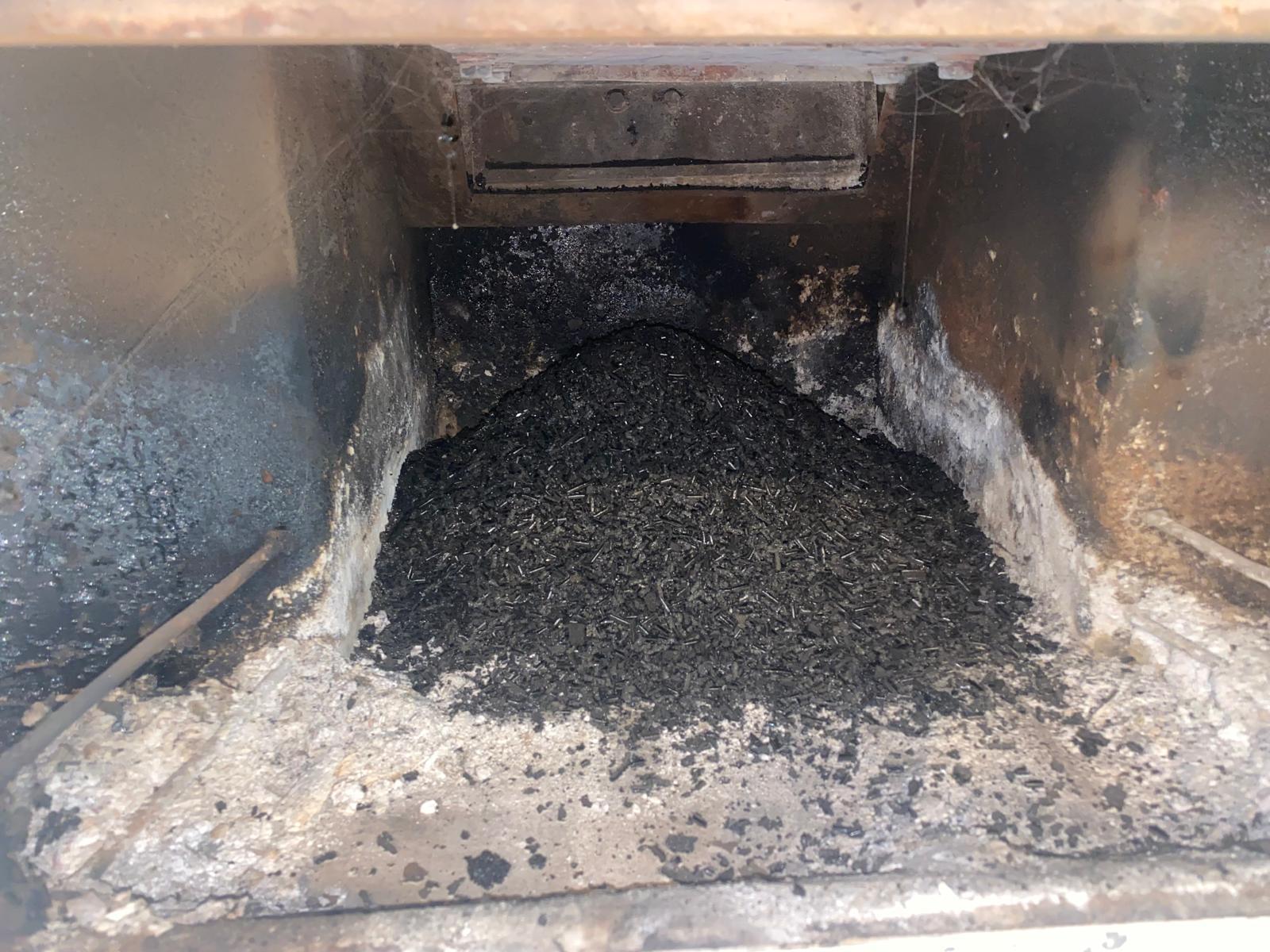
One of the most significant contributors to fireplace smells and, more importantly, fire hazards, is creosote. This flammable residue is a byproduct of burning wood and forms when the volatile compounds in wood smoke condense on the cooler surfaces of the chimney flue. The consistency of creosote can vary from powdery soot to a sticky tar to a hard, glazed substance, depending on the moisture content of the wood burned and the temperature within the flue. The more creosote that builds up, the more it can obstruct airflow, reduce drafting efficiency, and contribute to a lingering smoky smell. Crucially, a heavy buildup of creosote is the leading cause of chimney fires. According to the Chimney Safety Institute of America (CSIA), chimney fires are responsible for an estimated 20,000 fires annually in the United States. This makes regular chimney sweeping, which includes the removal of creosote, an absolute necessity. Our team at DD Chimney Cleaning uses specialized tools to effectively remove this dangerous buildup, ensuring your chimney is clean and safe.
Decoding the “Smoky” Smell: More Than Just Campfire Nostalgia
When a “smoky” smell isn’t related to residual smoke after a fire, it usually indicates a problem with how the smoke is escaping your home. This could be due to several factors:
- Damper Issues: The damper, often located just above the firebox, controls airflow into the chimney. If it’s not fully opened when you have a fire, or if it’s not sealing properly when closed, smoke can be pushed back into the room.
- Obstructions: Anything blocking the flue, from debris to animal nests, can impede proper smoke venting.
- Chimney Height and Design: Sometimes, a chimney may be too short or its design may not create adequate updraft, especially in areas with unpredictable winds like parts of the San Gabriel Valley.
- Negative Air Pressure: In tightly sealed modern homes, especially when running exhaust fans (like kitchen vents or bathroom fans), a “negative pressure” can occur. This can literally suck smoke back down the chimney.
Addressing these issues often requires professional assessment and cleaning. A well-functioning damper and a clear flue are essential for safety and comfort. For homeowners seeking thorough chimney cleaning in Los Angeles, CA, our services are designed to tackle these very problems.
The Moisture Menace: Tackling Musty and Mildew Smells
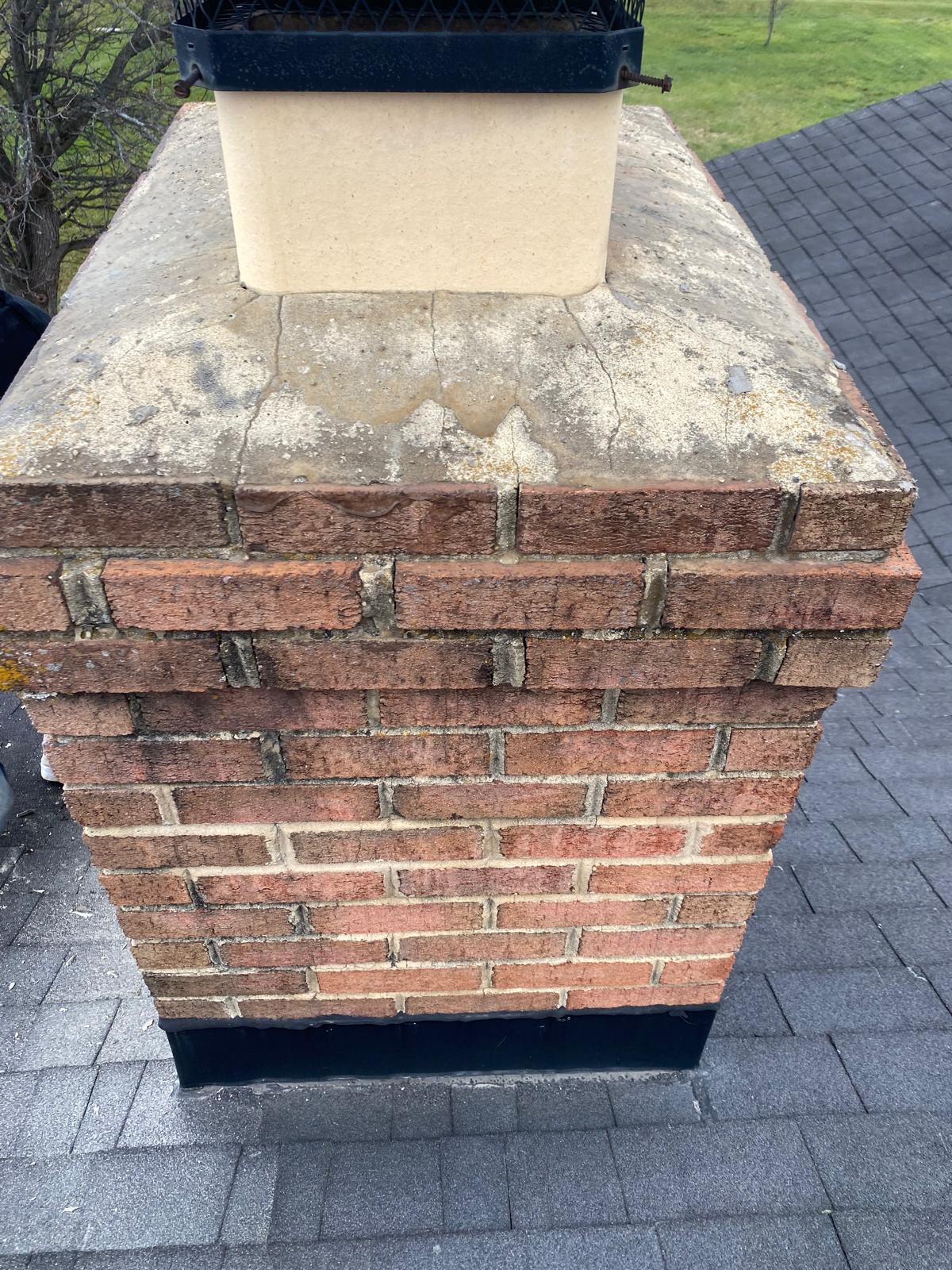
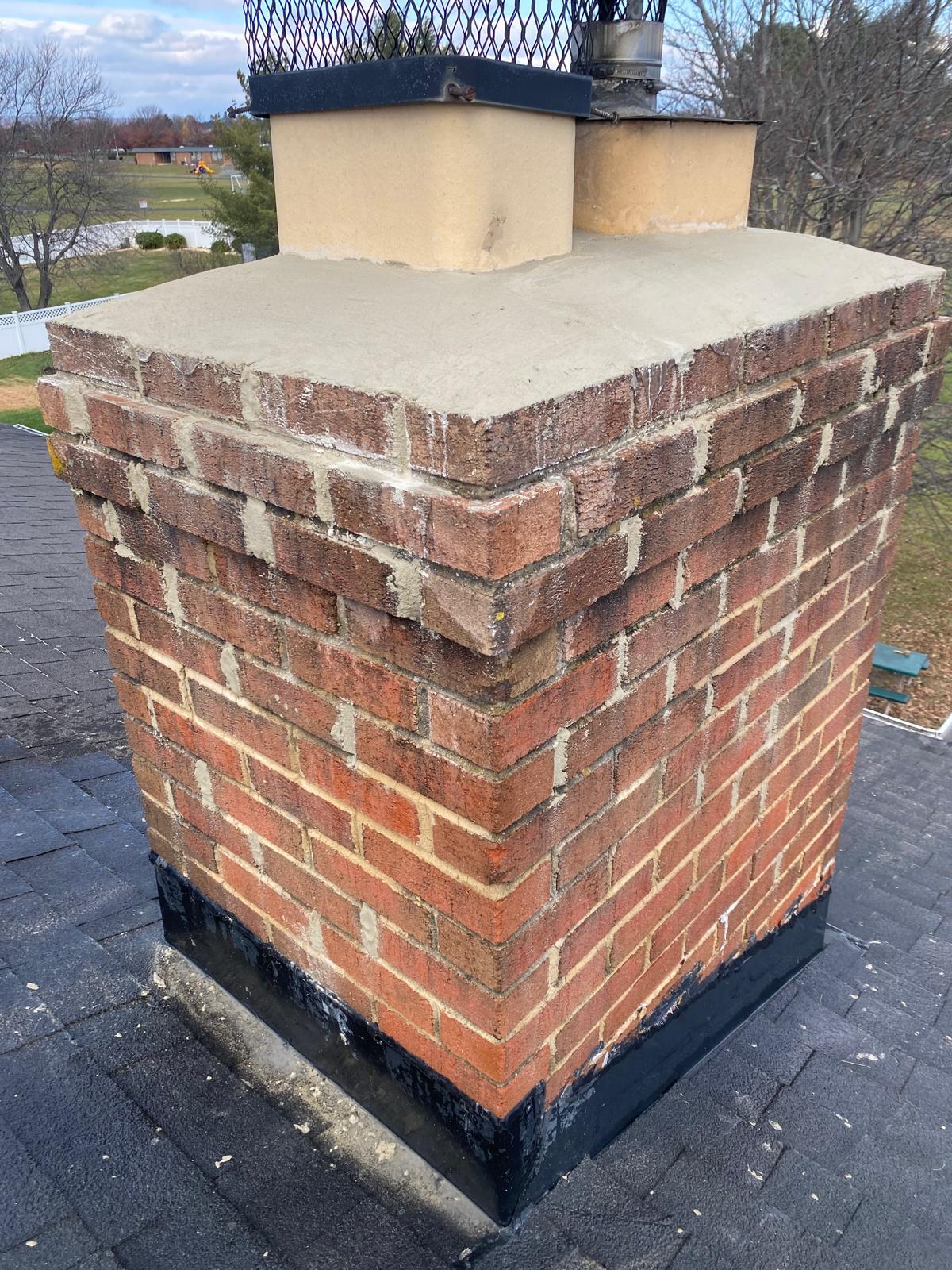
Moisture is the enemy of a healthy chimney. Areas prone to fog, like the coastal regions of Los Angeles County, can see significant dampness within chimneys. Rainwater ingress is another major concern. If your chimney cap is damaged or has gaps, water can easily enter, saturating the flue liner and masonry. This dampness creates a perfect environment for mold and mildew to thrive. The result is a persistent musty odor that can permeate your home, especially when the chimney is not in use. Beyond the smell, this moisture can lead to significant structural damage, crumbling mortar, and deterioration of the flue liner. Prolonged exposure to mold spores can also impact your health, causing respiratory issues. Regular inspections to ensure the chimney cap is secure and the exterior is properly sealed are vital preventative measures.
Preventative Measures for a Smelling-Free Fireplace
While diagnosing a smell is important, preventing them in the first place is even better. Here are some key preventative strategies that are particularly relevant for Los Angeles residents:
-
1. Burn the Right Wood:
Always burn seasoned, dry hardwood. Avoid burning green (unseasoned) wood, which contains more moisture and resin, leading to faster creosote buildup and a smokier fire. Also, steer clear of treated lumber, painted wood, or construction debris, as these can release toxic fumes and cause acrid smells.
-
2. Use Your Fireplace Responsibly:
Don’t overload your fireplace, and always ensure the damper is fully open before lighting a fire. Never burn trash or inappropriate materials in your fireplace.
-
3. Install and Maintain a Chimney Cap:
A good quality chimney cap with mesh screening is essential. It prevents rain, snow, and animals from entering the chimney while still allowing smoke to escape. This is a simple yet effective way to prevent moisture issues and animal-related odors. We recommend checking out check out this service for additional air duct cleaning needs.
-
4. Schedule Regular Professional Inspections and Cleaning:
This is the most critical preventative step. A certified chimney sweep can identify and address potential problems before they become major issues. They can remove creosote buildup, check for blockages, inspect for cracks, and ensure your damper is functioning correctly. Our comprehensive chimney cleaning in Los Angeles service covers all these aspects, ensuring your fireplace is both safe and odor-free. We often see clients who haven’t had their chimneys serviced in years, only to discover significant creosote buildup or even small animal nests, leading to the very smells we’re discussing.
-
5. Address Moisture Intrusion Promptly:
If you suspect water is getting into your chimney, don’t delay. Water damage can be insidious, leading to structural compromise and mold growth. Professional assessment is key to sealing your chimney from the elements. If you’re also looking for roofing help, professional roofing San Fernando Valley is a trusted provider.
The Expert Insight: Why Regular Cleaning Matters
Industry statistics consistently show that the vast majority of chimney fires are preventable through regular maintenance. The National Fire Protection Association (NFPA) recommends an annual inspection of all chimney systems. This isn’t just a suggestion; it’s a vital safety practice. During an inspection, our technicians at DD Chimney Cleaning look for:
- Creosote Buildup: The primary fuel for chimney fires. We assess the level and type of buildup to determine the cleaning method needed.
- Cracks and Deterioration: In the flue liner, smoke chamber, or chimney exterior.
- Blockages: Such as creosote, soot, animal nests, leaves, or debris.
- Damper Functionality: Ensuring it opens, closes, and seals effectively.
- Chimney Cap and Spark Arrestor Condition: Checking for damage or wear.
By addressing these issues proactively, you prevent the smells discussed and significantly reduce the risk of fire and carbon monoxide poisoning. Many homeowners in cities like Boston and Philadelphia prioritize this annual service, and we urge our Los Angeles neighbors to do the same.
FAQ: Addressing Your Most Pressing Fireplace Smell Questions
We understand you might have lingering questions about fireplace odors. Here are some answers to common concerns:
-
Q1: Is a smoky smell always dangerous?
No, not always. A faint smoky smell immediately after a fire has been extinguished and the damper is still open for cooling is usually normal. However, a persistent smoky smell when the fireplace is not in use, or a smell that grows stronger and stronger during use, is a red flag indicating a drafting issue or creosote buildup, which needs professional attention.
-
Q2: How often should my chimney be cleaned?
The NFPA recommends annual inspections. Cleaning frequency depends on usage. If you use your fireplace frequently (more than a few times a week during colder months), you might need cleaning more often. Our team can assess your specific usage patterns to recommend the best schedule for you.
-
Q3: Can I clean my chimney myself?
While some minor cleaning might seem possible, chimney cleaning is a specialized service that requires specific tools and knowledge. Improper cleaning can leave hazardous creosote deposits or miss critical safety issues. Professional chimney sweeps are trained to identify and remove all types of creosote and conduct thorough safety inspections. It’s also worth noting that a botched DIY attempt could exacerbate existing problems, potentially leading to costly repairs and safety hazards.
-
Q4: I don’t use my fireplace much, do I still need it inspected?
Yes, absolutely. Even infrequent use can lead to creosote buildup, especially if you’ve burned less-than-ideal fuel. Furthermore, blockages from debris or animal nests can occur regardless of usage, and moisture can still enter the chimney system and cause damage. An annual inspection is a baseline safety check that can save you from bigger problems down the line. It’s a small investment to protect your home and family.
-
Q5: What should I do if I smell rotten eggs near my fireplace?
This is a serious gas leak indication. Immediately stop using the fireplace, open windows and doors to ventilate your home, leave the premises, and call your gas company or emergency services from a safe distance. Do not operate any electrical switches or appliances. Your safety is the top priority, and prompt action is critical in such situations. It’s far better to be safe than sorry.
Your Peace of Mind is Our Priority
Dealing with strange smells emanating from your fireplace can be unsettling. At DD Chimney Cleaning, we understand your concerns and are dedicated to providing safe, reliable, and thorough chimney cleaning services throughout Los Angeles. Our experienced technicians are equipped to diagnose and resolve a wide range of fireplace odor issues, ensuring your hearth is a source of comfort and warmth, not worry. Don’t let lingering smells diminish the joy of your fireplace. Let us help you restore its ambiance and safety.
Ready to get rid of those mystery smells and enjoy your fireplace with confidence? Don’t hesitate to reach out to the experts. We’re here to help you breathe easy and enjoy your cozy evenings safely. Schedule your chimney cleaning appointment with DD Chimney Cleaning today! Call us now at (833) 339-6803 for a cleaner, safer, and odor-free fireplace experience.