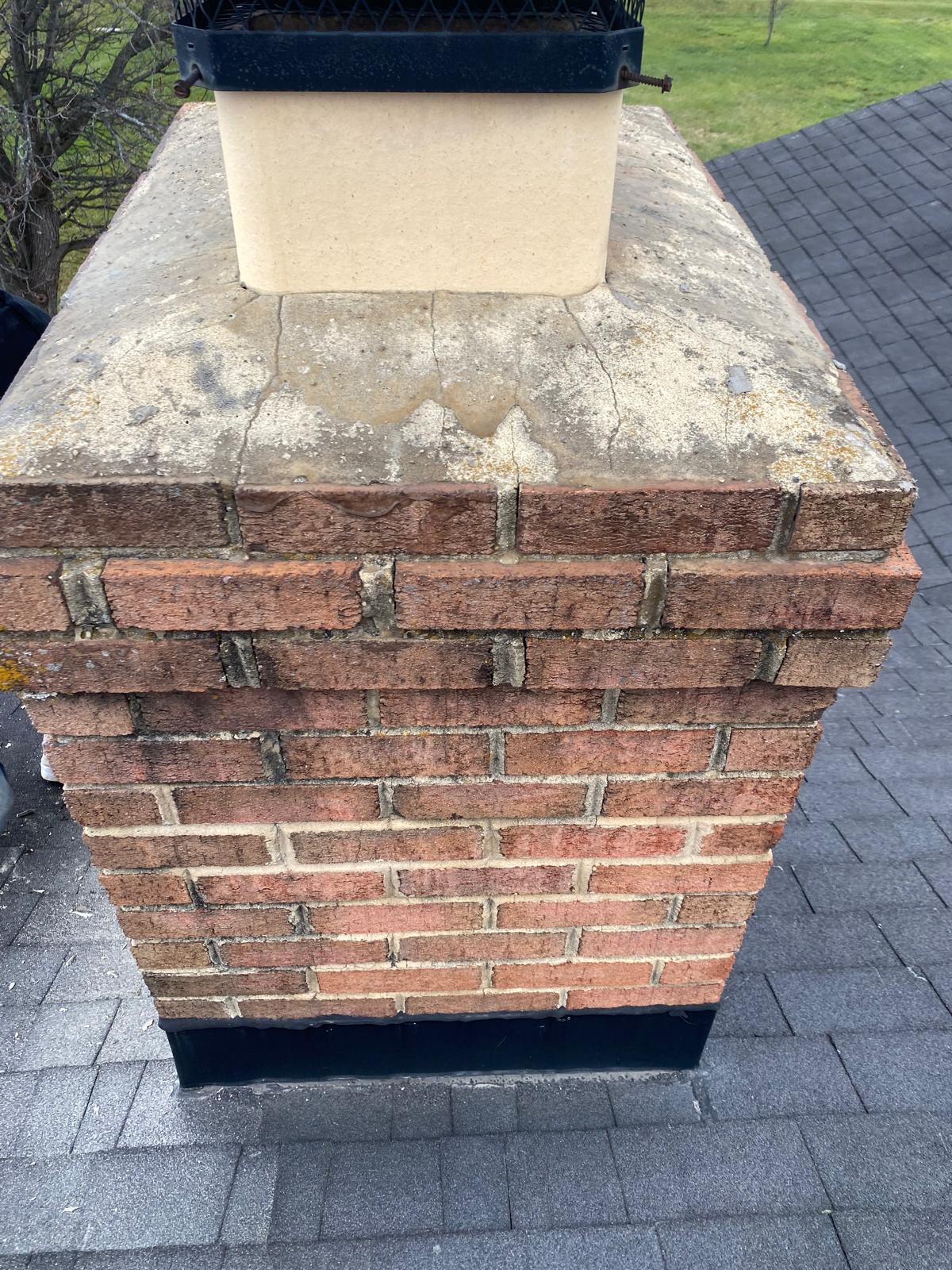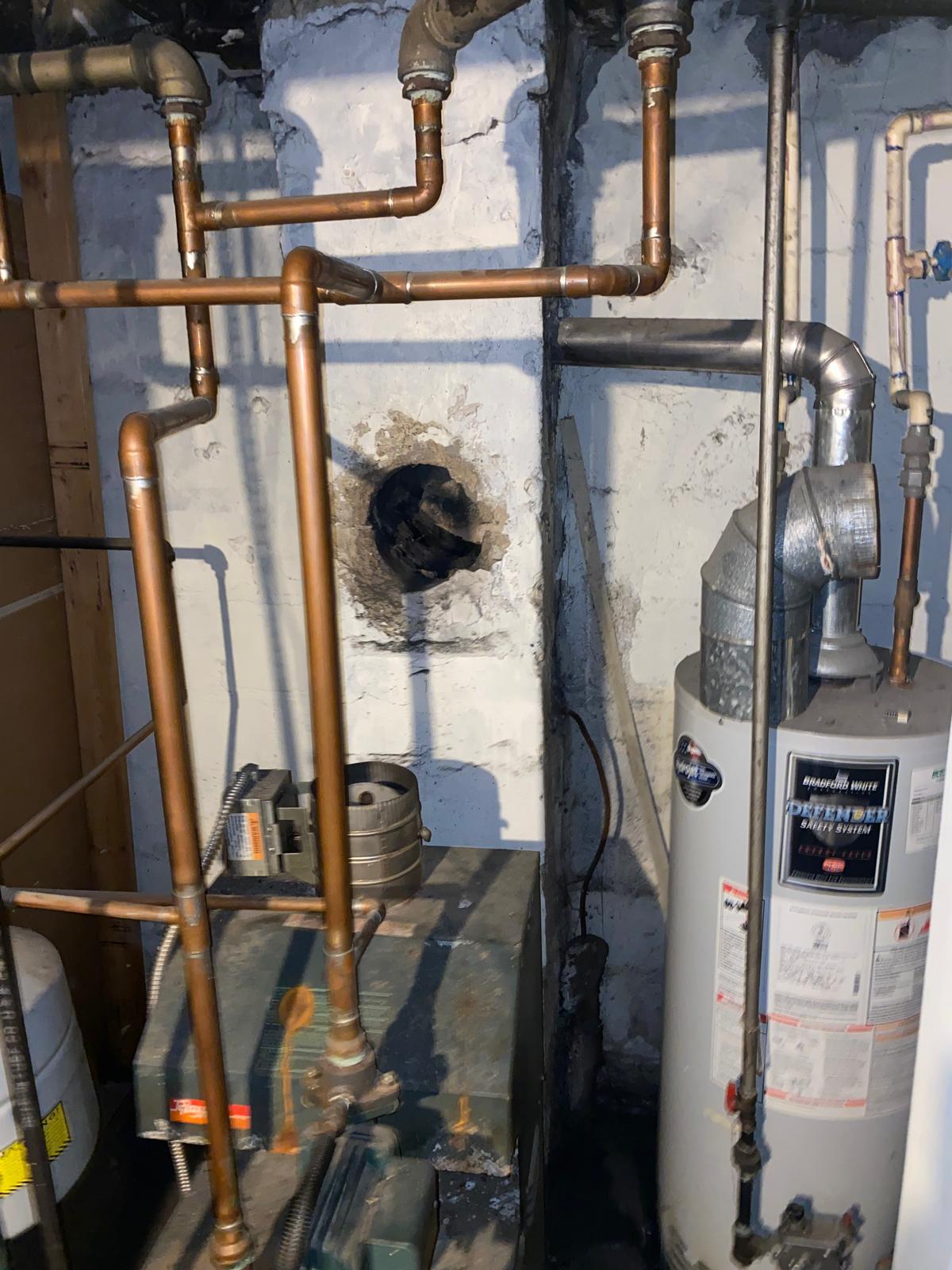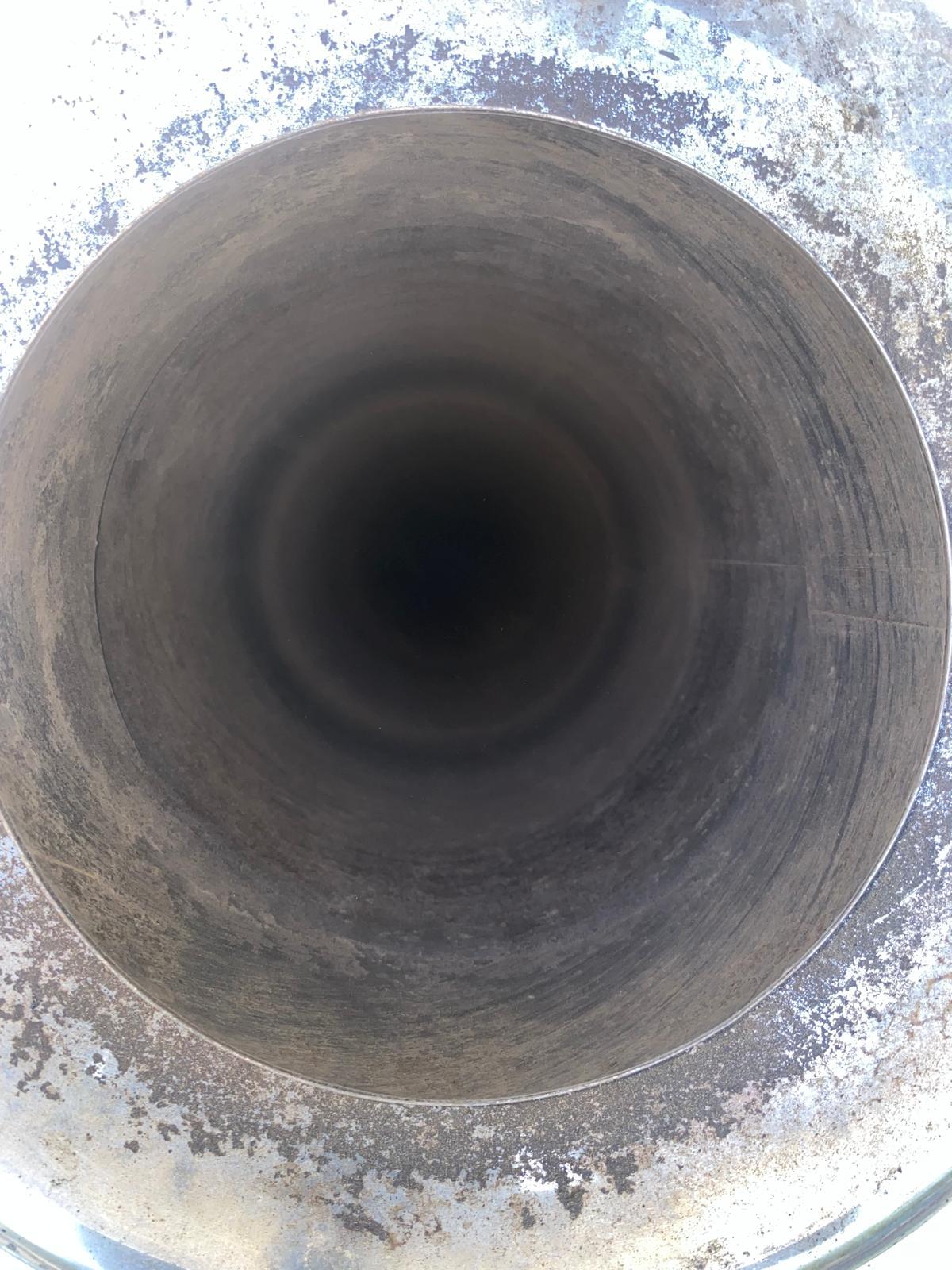
The practice of heating homes with wood traces its origins back to antiquity, a fundamental human endeavor for warmth, cooking, and light. From rudimentary campfires to sophisticated stone hearths in ancient Rome, and eventually to the elaborate brick fireplaces adorning colonial homes in places like Philadelphia, the journey of wood combustion has always intertwined with human ingenuity. In modern times, with heightened awareness of energy costs and environmental impact, the art of burning wood has evolved from a simple necessity into a science of efficiency. For residents across the nation, especially in cities like Philadelphia where historical homes meet cold, damp winters, understanding how to maximize fuel efficiency isn’t just about saving money; it’s about responsible heating and maintaining a healthy fireplace system.
The Science of Efficient Burning
Q: Why is selecting the right wood type critical for fireplace efficiency?
A: The choice of wood is paramount because different wood species possess varying densities, which directly correlates with their energy content. Dense hardwoods, like oak or maple, contain more BTU (British Thermal Units) per cord than less dense softwoods, such as pine. This means a smaller volume of hardwood will produce more heat for a longer duration. Moreover, the moisture content of the wood significantly impacts its efficiency. Burning “green” or unseasoned wood (above 20% moisture) is akin to boiling water before you can even begin to generate significant heat; much of the energy is wasted drying out the wood itself. This also leads to excessive smoke and creosote buildup, a primary concern that often requires specialized creosote removal to maintain safety and efficiency.
Q: What does “seasoned” wood truly mean, and why is it so important?
A: Seasoned wood has been air-dried for at least 6-12 months (sometimes longer for very dense woods) to reduce its moisture content to below 20%. The ideal range is often cited as 15-20%. You can identify seasoned wood by its lighter weight, darkened ends, visible cracks (checking), and a hollow sound when two pieces are clapped together. Properly seasoned wood burns hotter, cleaner, and more efficiently. It minimizes smoke, reduces the production of dangerous creosote, and prevents excessive soot accumulation, which can lead to costly and hazardous chimney fires. At DD Chimney Cleaning, we always emphasize the importance of using seasoned wood for the health of your chimney system.
Selecting the Best Wood for Philadelphia’s Winters
Q: Which wood types are most suitable for fireplaces in Philadelphia’s climate?
A: Given Philadelphia’s distinct four seasons, including often damp and chilly winters that can linger from November through March, hardwoods are unequivocally the best choice. Varieties such as Oak (Red and White), Maple (Sugar and Red), Ash, Hickory, and Cherry are excellent options. These woods burn slowly, produce a consistent, high heat output, and generate fewer sparks. Sourcing locally from the Delaware Valley or surrounding Pennsylvania counties ensures you’re getting wood accustomed to the regional climate, often leading to better seasoning outcomes when stored correctly. They provide the sustained warmth needed to combat those frosty mornings near the Schuylkill River or maintain a cozy ambiance in your historic Fairmount rowhouse.
Q: Are there specific woods Philadelphians should actively avoid burning?
A: Yes, absolutely. Avoid burning softwoods like pine, spruce, or fir as your primary heat source. While they catch fire quickly, they burn rapidly, produce less heat, and generate significantly more sap and creosote, increasing the need for preventative chimney maintenance. Never burn treated wood (like lumber from construction projects), painted wood, particleboard, or household trash. These materials release toxic chemicals and heavy metals into your home and the atmosphere, harming your health and damaging your chimney flue. Burning these materials can also create exceptionally stubborn and dangerous creosote, posing serious risks that necessitate professional attention from experts like DD Chimney Cleaning in Philadelphia.
Mastering the Art of Fire Starting and Maintenance
Q: What is the most efficient method for starting a fire?
A: The “top-down” method is often recommended for its efficiency and cleaner burn. Instead of building a teepee with kindling at the bottom, place your larger logs on the grate first. Then, stack smaller pieces of wood, followed by kindling, and finally a fire starter (like newspaper or natural firelighters) on top. Light the starter, and the fire will gradually burn downwards, igniting the larger logs more thoroughly and producing less smoke. This method also helps to warm the flue faster, improving draft and reducing initial smoke spillage into your living space, a common challenge in older homes in neighborhoods like Society Hill.
Q: How can I maintain an optimal, efficient burn throughout the day or evening?
A: Maintaining an optimal burn involves careful management of airflow. Once your fire is established, you want to achieve a steady, bright flame, not a roaring blaze or a smoldering log. Use your fireplace damper and air vents to regulate oxygen supply. A common mistake is closing the damper too much, starving the fire of air. This causes inefficient combustion, excessive smoke, and rapid creosote buildup. Aim for a moderate airflow that allows the wood to burn steadily with mostly yellow flames, minimizing smoke. Adding logs strategically, not overloading the firebox, ensures consistent heat and reduces the need for constant attention, much like how DD Chimney Cleaning ensures DD Chimney Cleaning in Los Angeles prioritizes thoroughness for long-lasting results. Understanding these practices can also inform general best practices across different climates, for example, the professional standards upheld by DD Chimney Cleaning in Cleveland.
Beyond the Fire: Chimney Health and Safety
Q: Why is regular chimney maintenance critical for both efficiency and safety?
A: The byproduct of wood burning, even with perfectly seasoned wood, is creosote – a highly flammable residue that adheres to the inside of your chimney flue. Without regular cleaning, creosote accumulates, narrowing the flue, reducing draft efficiency, and significantly increasing the risk of a devastating chimney fire. According to the Chimney Safety Institute of America (CSIA), tens of thousands of chimney fires occur annually in the US, many preventable with proper maintenance. A clear, well-maintained flue allows for proper airflow, enhancing your fireplace’s efficiency and ensuring that harmful gases escape safely, preventing carbon monoxide buildup in your home. This is why the importance of chimney inspections cannot be overstated.
Q: How often should a fireplace and chimney system be professionally cleaned?
A: The CSIA recommends that chimneys burning wood should be inspected annually and cleaned as needed. For fireplaces used frequently (e.g., daily during Philadelphia’s cold season), cleaning may be required more than once a year. It’s not just about removing creosote; annual inspections identify potential problems like cracks in the flue liner, damaged caps, or animal nests that could compromise safety and efficiency. Trusting experienced professionals like DD Chimney Cleaning, who understand the nuances of various heating systems, is essential for peace of mind. For an inspection or cleaning, you can reach out to DD Chimney Cleaning at (833) 339-6803.
Frequently Asked Questions (FAQ)
Q: Can I burn artificial logs for increased efficiency?
A: Artificial logs can provide convenience and often burn longer and cleaner than some natural wood, but they usually don’t generate the same intense heat as dense hardwoods. Always check the manufacturer’s recommendations and ensure they are compatible with your fireplace and chimney system. We recommend checking out visit their website for additional air duct cleaning needs.
Q: How do I properly store firewood to keep it seasoned?
A: Store firewood off the ground, covered from rain and snow, but open on the sides to allow for good airflow. This prevents moisture re-absorption and mold growth, crucial for maintaining optimal moisture content.
Q: What is a “smoke shelf,” and why is it important?
A: A smoke shelf is a flat surface within your chimney’s smoke chamber designed to catch any downdrafts, preventing smoke from being pushed back into your room. It also helps in accumulating soot and debris, highlighting the need for regular chimney cleaning to ensure it functions effectively. Many of our readers also trust Locksmith service in Los Angeles, California for their home service needs.
Q: Does the size of the wood matter?
A: Yes. Wood should be cut to fit your firebox without touching the flue. Smaller pieces ignite faster, while larger pieces sustain the burn. A mix is often best for starting and maintaining a good fire.
Q: What are the signs of a chimney in need of professional cleaning?
A: Key signs include difficulty starting fires, excessive smoke coming back into the room, unusual odors emanating from the fireplace, a blackened damper, or visible creosote buildup when looking up the flue with a flashlight. Don’t wait for these signs; annual inspection is best practice.
Maximizing your