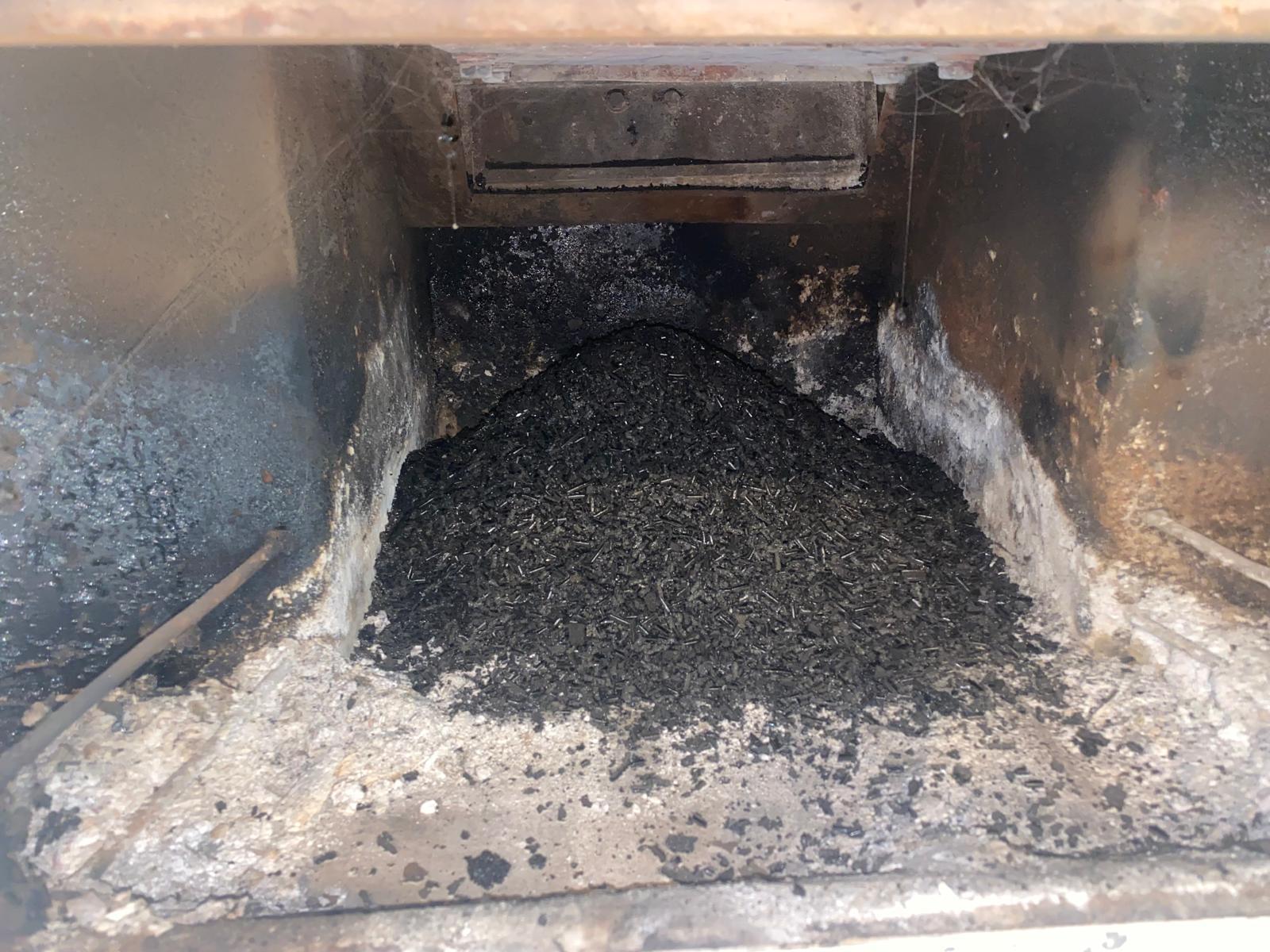
Imagine this: A rare cool evening in Los Angeles. You’ve got a fire crackling merrily in the hearth, a cozy blanket, and your favorite show on. Suddenly, instead of a gentle aroma, you smell something acrid and metallic. A faint crackling sound starts not from the logs, but from deep within the chimney, growing louder. Before you can react, smoke billows back into your living room, sending you scrambling for safety. This isn’t just a scene from a movie; it’s the terrifying reality of a preventable chimney fire, a risk many homeowners in our beautiful city unknowingly face every season.
The good news? It doesn’t have to be your reality. With regular, professional care, you can turn that potential nightmare into nothing more than a relaxing evening by the fire. Here at DD Chimney Cleaning, we believe in arming our neighbors with the right information, separating fact from fiction when it comes to keeping your home safe and sound. Even in sunny Los Angeles, chimney cleaning is vital. Let’s bust some common myths!
Myth #1: “It’s Los Angeles, We Barely Use Our Fireplaces – Why Clean?”
It’s true, our winters aren’t as harsh as those back east. You won’t find us relying on fireplaces for daily heating like they might in DD Chimney Cleaning in New York or in colder climates that necessitate frequent DD Chimney Cleaning in Chicago. But even infrequent use creates creosote – a highly flammable residue formed from unburned wood particles and gases. Each time you light a fire, creosote builds up, regardless of how short your burn might be. This accumulation is the primary cause of chimney fires, a hazard that doesn’t discriminate by climate.
Furthermore, Los Angeles’s unique environment presents its own challenges. Santa Ana winds can blow debris, leaves, and even small animals into your chimney, creating blockages. Homes in older neighborhoods like Silver Lake or Pasadena often have vintage fireplaces that might have unseen structural issues, exacerbated by a lack of regular cleaning. The National Fire Protection Association (NFPA) recommends annual inspections and cleanings, regardless of usage. This proactive approach ensures your chimney is not just clear, but structurally sound, providing peace of mind whether you’re just enjoying a single fire or celebrating during the holiday season.
Myth #2: “DIY Chimney Cleaning is Good Enough to Save a Few Bucks.”
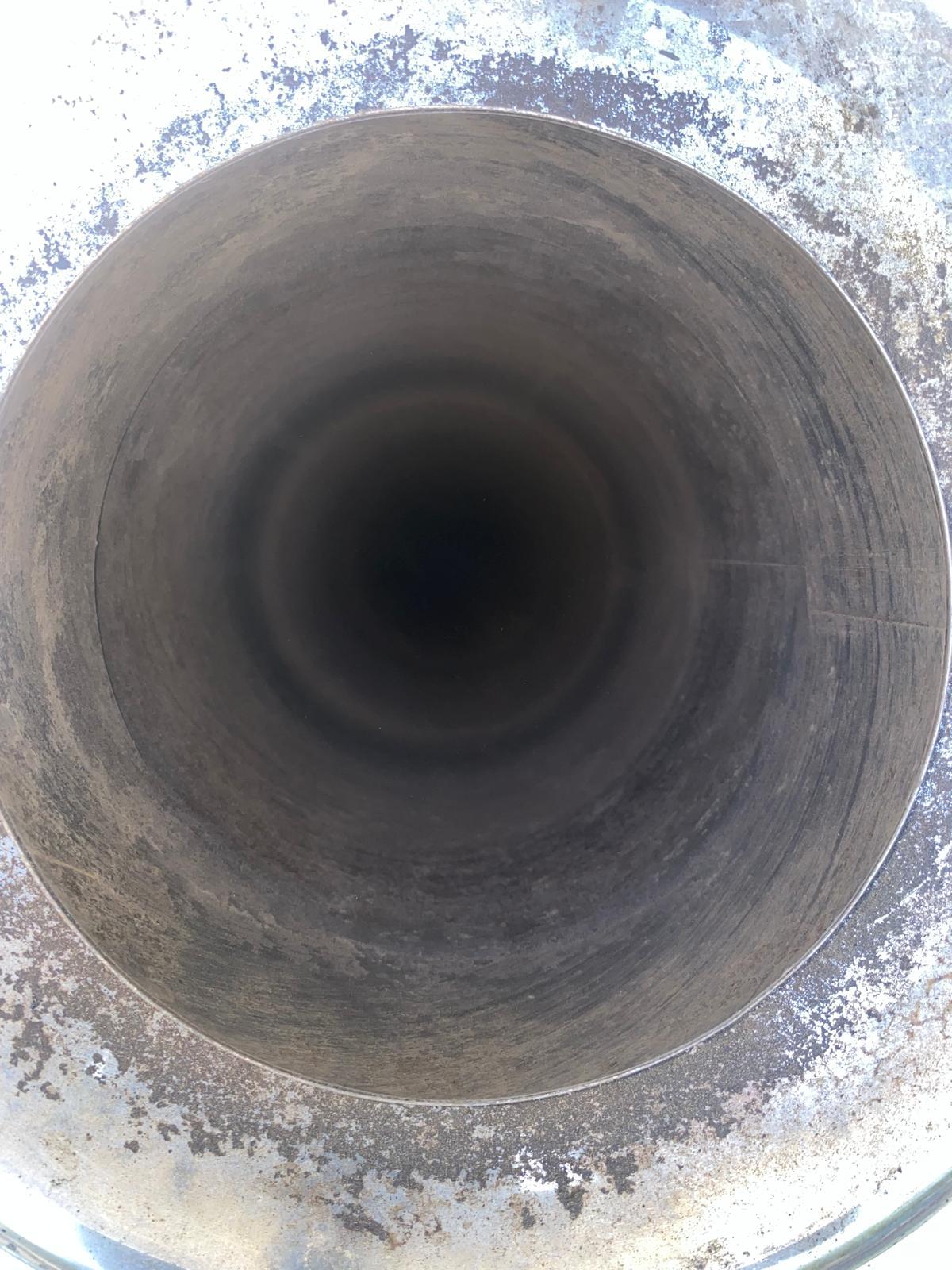
While the DIY spirit is strong in LA, some tasks are best left to professionals. A quick sweep with a brush bought online simply won’t cut it. Chimney cleaning isn’t just about removing loose soot; it’s about thoroughly eliminating dangerous creosote, which can come in various forms – from a flaky dust to a tar-like glaze that adheres stubbornly to flue walls. These highly flammable deposits require specialized tools, techniques, and the trained eye of a professional chimney sweep to identify and remove safely.
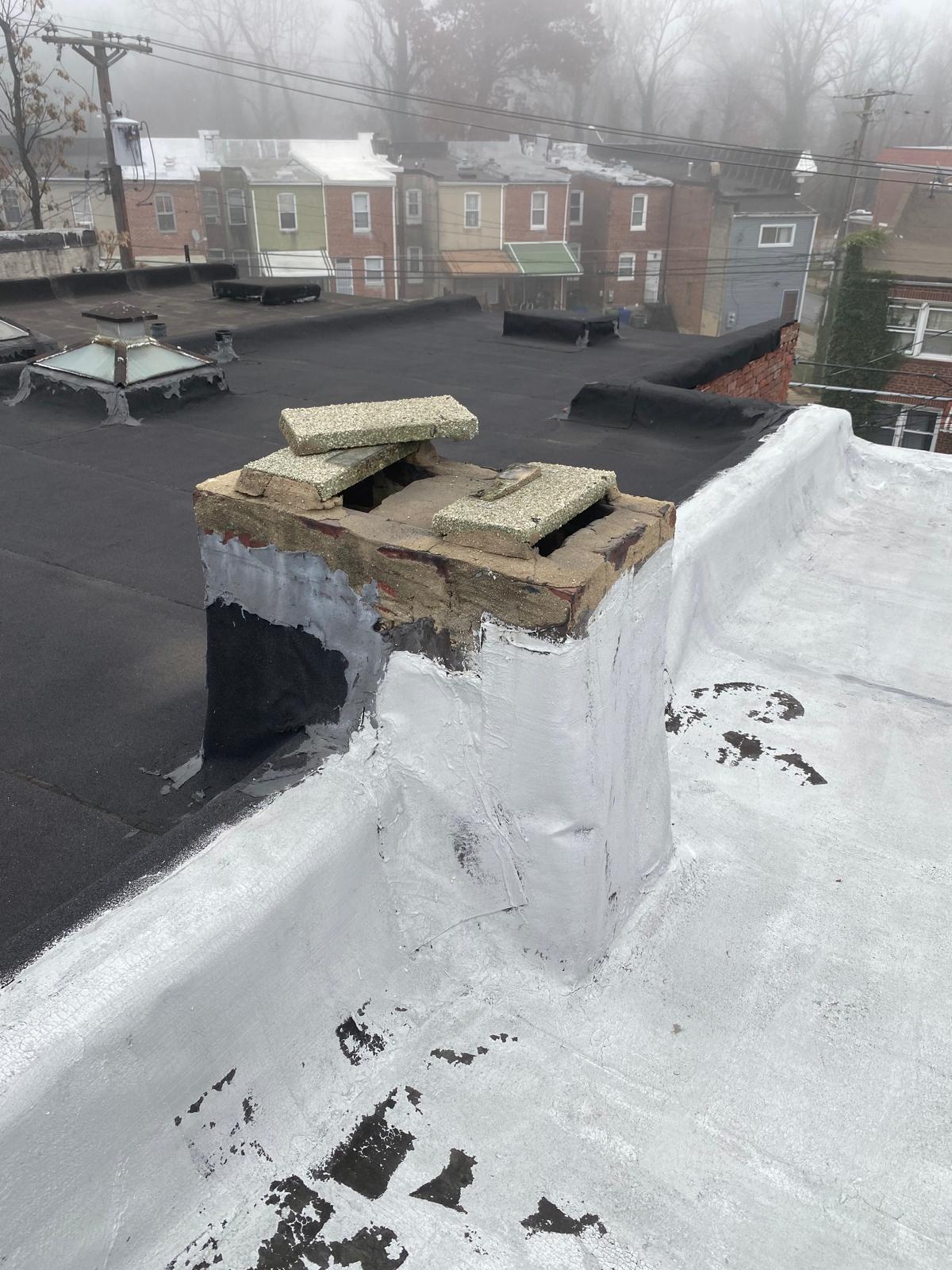
Beyond creosote, professional chimney sweeps like DD Chimney Cleaning perform comprehensive inspections to check for structural damage, cracks in the flue liner, potential blockages from animal nests, or even water damage – issues a homeowner wouldn’t typically spot. Ignoring these underlying problems can lead to smoke backing into your home, carbon monoxide leaks (a silent killer), or major structural damage that’s far more costly than routine maintenance. For expert DD Chimney Cleaning in Los Angeles, trust those who do it every day.
Myth #3: “New Houses Don’t Need Chimney Cleaning.”
It’s a common assumption that a brand-new home means everything is in perfect, clean condition. Not necessarily! Even newly constructed or recently purchased homes can have chimney issues. Construction debris – mortar, stray bricks, tools – can fall into the flue during building, creating partial or complete blockages. And while your new home’s chimney might be squeaky clean to start, the very first fire will begin the process of creosote accumulation.
Furthermore, nature doesn’t wait. Birds, squirrels, and other critters, especially common in lush LA areas like Griffith Park or the Hollywood Hills, are notorious for nesting in chimneys, seeking shelter and warmth. These nests can completely obstruct the flue, preventing smoke and dangerous gases from escaping. Even if your chimney is pristine, an annual professional chimney inspection before the burning season is crucial, regardless of your home’s age. Many of our readers also trust https://ddairductcleaning.com for their home service needs.
Myth #4: “Chimney Cleaning is Just About Sweeping Out Soot.”
While removing soot is certainly part of the job, professional chimney cleaning encompasses much more. The core goal is the thorough removal of creosote and other combustible deposits to prevent chimney fires. Type I creosote is powdery and easy to remove. Type II is flaky and harder, requiring specialized brushes. Type III, a tar-like glazed substance, is the most dangerous and challenging to remove, often requiring advanced rotary power tools and techniques.
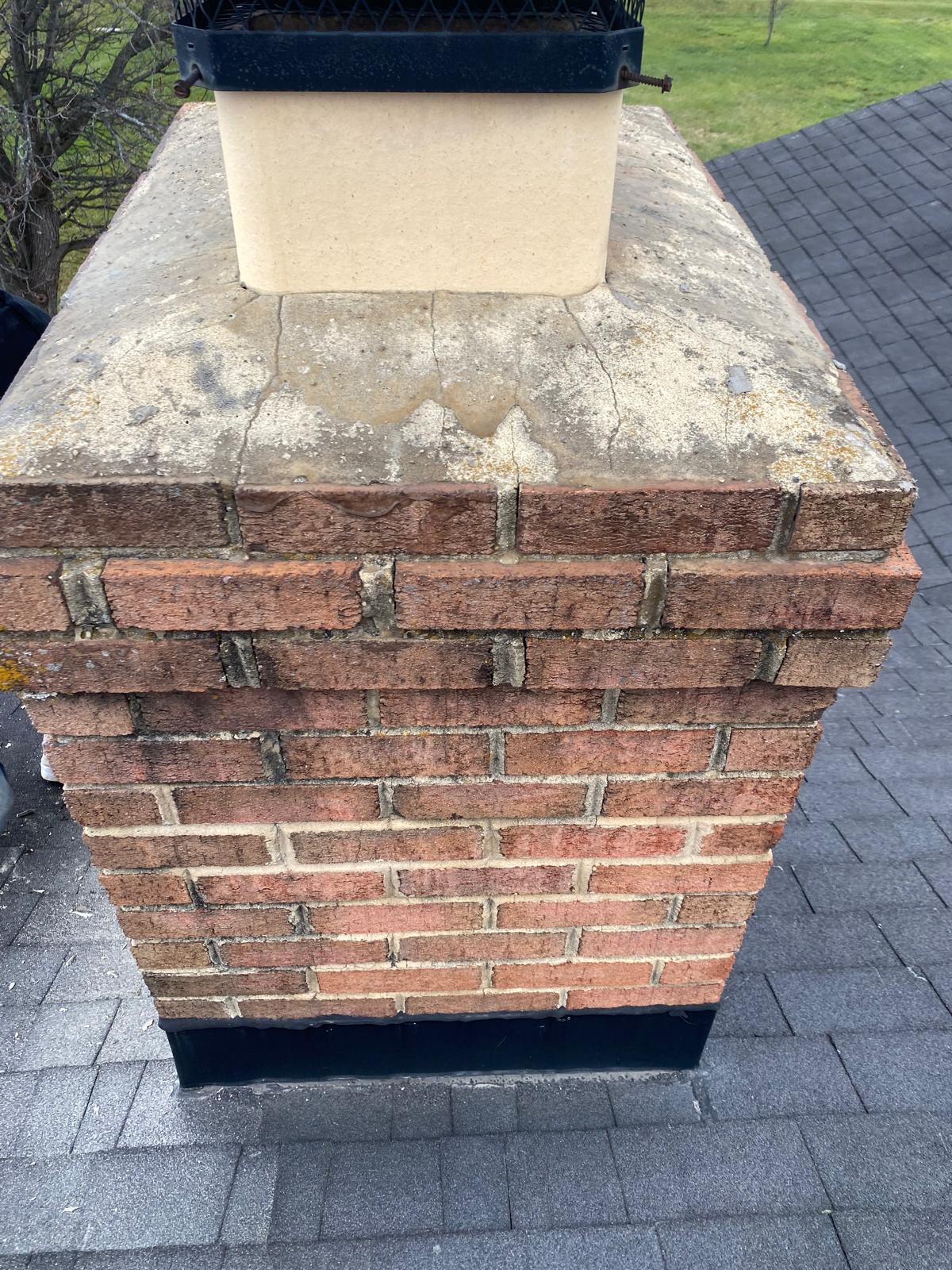
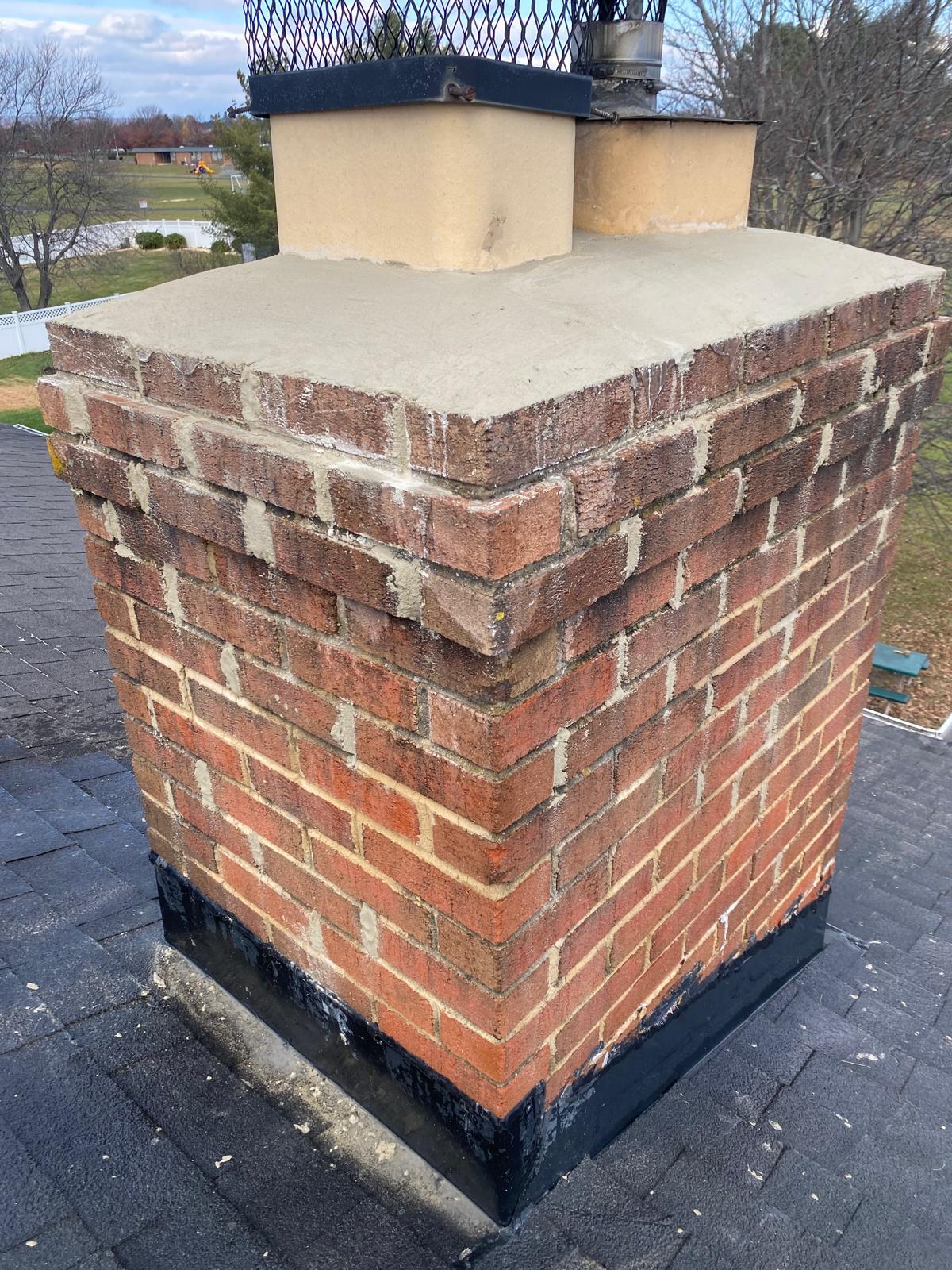
A comprehensive service from DD Chimney Cleaning includes not just the physical sweep but also a meticulous inspection of your entire chimney system from the firebox to the cap. This involves checking the chimney liner, examining the mortar joints, assessing the damper’s function, and inspecting the crown and flashing for cracks or damage that could lead to water intrusion. It’s a critical safety assessment designed to ensure your entire system is operating efficiently and safely, reducing the risk of fire or carbon monoxide exposure.
Frequently Asked Questions About Chimney Cleaning
Q: How often should I have my chimney cleaned in Los Angeles?
A: The NFPA recommends an annual inspection for all chimneys, regardless of use. Cleaning should be performed as needed, but at least once a year if you use your fireplace regularly. Even occasional use warrants an inspection due to creosote buildup and potential blockages. Homeowners in Los Angeles have also found great results with DD Air Duct Cleaning.
Q: What is creosote and why is it dangerous?
A: Creosote is a highly flammable byproduct of burning wood, accumulating on the inner walls of your chimney. It’s dangerous because it’s the primary fuel for chimney fires, which can be devastating and often go undetected until significant damage occurs.
Q: Can a dirty chimney cause carbon monoxide poisoning?
A: Absolutely. A blocked or partially blocked chimney flue due to creosote buildup or animal nests can prevent exhaust gases, including deadly carbon monoxide, from escaping your home. Instead, these colorless, odorless gases can back up into your living space.
Q: How long does a typical chimney cleaning take?
A: A standard professional chimney sweeping and inspection usually takes about 60-90 minutes, depending on the chimney’s condition and accessibility. DD Chimney Cleaning strives