Imagine this: a typically dry Los Angeles winter gives way to an uncharacteristic series of heavy downpours. One morning, as the sun finally breaks through the clouds over the Hollywood Hills, you notice it – a damp patch on your ceiling, subtly expanding near your fireplace. It’s easy to assume it’s a roof leak, but the truth might be much closer to home: a critical failure in your chimney’s flashing. This isn’t just about a minor drip; it’s about protecting your home’s structure, interior, and the integrity of your chimney system. DD Chimney Cleaning frequently encounters these issues, understanding that water ingress, if ignored, can lead to significant damage and costly repairs for homeowners across Los Angeles.
Understanding Chimney Flashing and Its Crucial Role
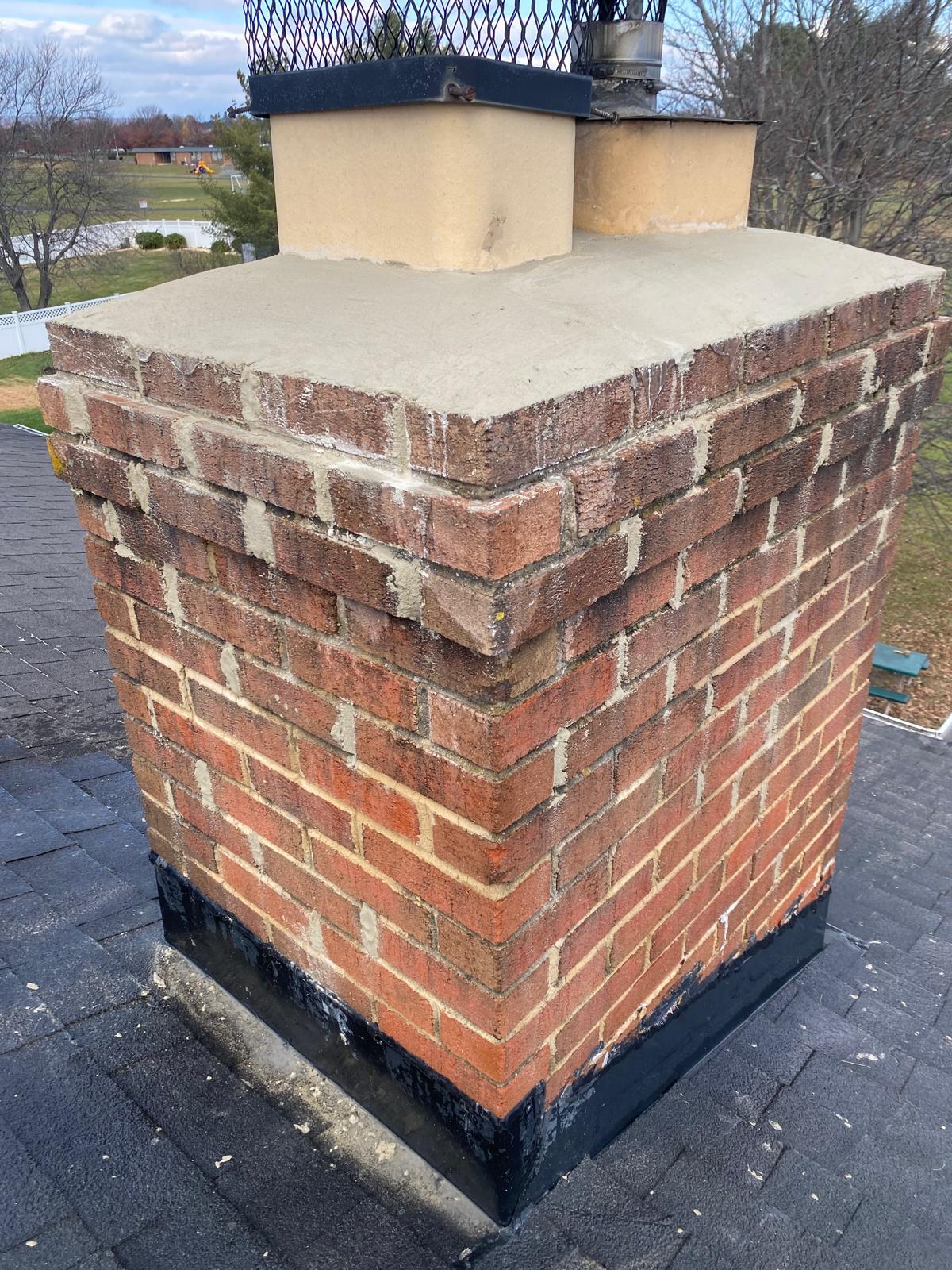
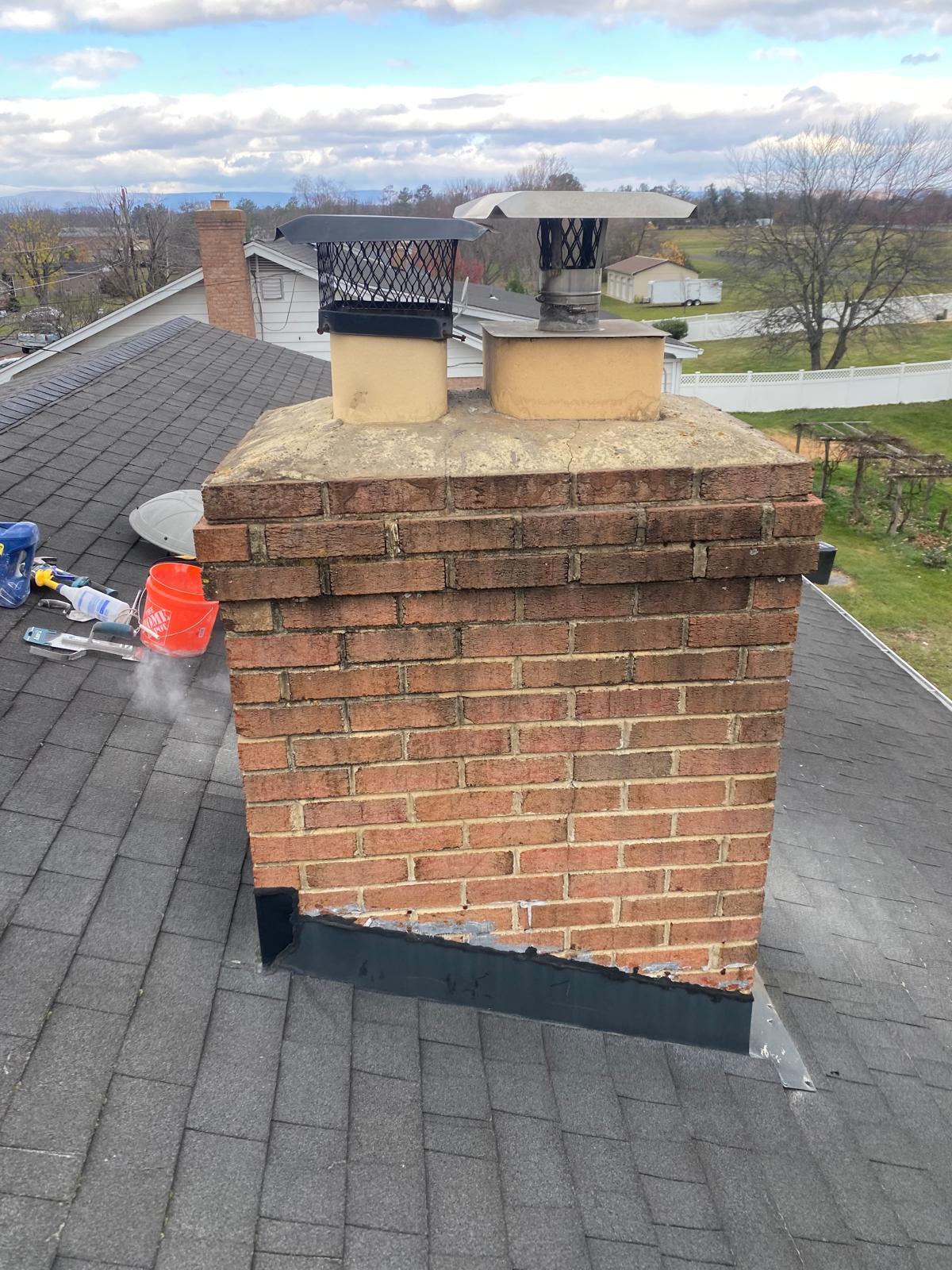
Chimney flashing refers to the watertight seal that prevents water from entering your home where the chimney penetrates the roofline. Typically made of metal (often aluminum, steel, or copper), it’s installed in a series of overlapping layers to deflect water away from the vulnerable juncture. In Los Angeles, where intense, albeit infrequent, rain events can challenge even robust structures, proper flashing is non-negotiable. Without it, your chimney acts like a funnel, directing rainwater directly into your attic and home interior.
Why Flashing Fails in Los Angeles
Several factors contribute to flashing failure, especially in our unique Southern California environment:
- Sun Exposure and UV Degradation: The relentless LA sun, while enjoyable, takes a toll on roofing materials, including flashing sealants and components. Constant expansion and contraction can weaken the integrity over time.
- Age and Material Fatigue: Flashing doesn’t last forever. Depending on the material, its lifespan can range from 15-30 years. Older homes, particularly those built in areas like Silver Lake or Hancock Park, might have original flashing nearing or past its prime.
- Improper Installation: Poor workmanship during initial installation or previous roof repairs is a leading cause of premature failure. Gaps, insufficient overlap, or using the wrong sealants can compromise the system from day one.
- Structural Shifts: Earthquakes, even minor tremors common in California, can cause slight shifts in your home’s structure, potentially stressing and cracking flashing components.
Identifying the Signs of Flashing Failure: A Homeowner’s Guide
Catching flashing failure early can save you thousands in repairs. While DD Chimney Cleaning professionals will thoroughly inspect your chimney, these are signs you can look for:
- Water Stains: Any discoloration on ceilings, walls, or even around your fireplace firebox is a clear indicator of water entry. These often appear after rain.
- Dampness or Musty Odors: Persistent dampness in your attic or near the chimney base, accompanied by a moldy smell, suggests ongoing water intrusion.
- Damaged Masonry: Look for efflorescence (white, powdery residue) on the exterior chimney bricks, spalling (flaking or crumbling bricks), or eroded mortar joints. These are direct results of water damage within the chimney structure.
- Sagging Ceilings or Walls: In severe cases, prolonged water exposure can compromise drywall or plaster, leading to visible sagging or bubbling.
- Visible Flashing Issues: From the ground or a safe vantage point, look for bent, rusted, missing, or separated flashing pieces. Caulk around the flashing that is cracked, dried, or peeling is another red flag.
If you suspect an issue, scheduling a professional inspection with DD Chimney Cleaning in Los Angeles is your best first step to getting the right chimney cleaning in Los Angeles and assessment.
The Critical Risks: How Failed Flashing Damages Your Home and Chimney
Ignoring compromised flashing isn’t an option. The implications extend far beyond a stained ceiling:
- Structural Damage: Water entering the chimney system can deteriorate mortar joints, weaken the brickwork, and compromise the chimney’s structural integrity. This can lead to expensive chimney repair.
- Wood Rot: Inside your attic, water can soak into roof decking, rafters, and other wooden components, leading to rot. The National Association of Home Builders estimates that water damage is responsible for significant home repair costs annually.
- Mold and Mildew Growth: Damp environments are breeding grounds for mold. This not only causes unpleasant odors and further damage to building materials but can also pose significant health risks to your family.
- Firebox and Flue Liner Damage: Water can seep down into your firebox, damaging the firebricks, damper, and even the flue liner. A compromised flue liner drastically increases your risk of carbon monoxide leaks and chimney fires. DD Chimney Cleaning performs thorough inspections that include these critical internal components. This is why getting your chimney cleaned in Chicago or here in LA by certified professionals is vital.
- Interior Damage: Beyond ceilings, water can ruin insulation, drywall, paint, flooring, and even electrical systems.
Proactive Steps: Protecting Your Chimney System
While DD Chimney Cleaning focuses exclusively on chimney cleaning and related flue services, our comprehensive chimney inspections are designed to identify potential problems like flashing failure that threaten your chimney system. We don’t perform roof or flashing repairs, but our certified technicians will alert you to issues that need immediate attention from a qualified roofer. This early detection is invaluable.
The DD Chimney Cleaning Difference
When you call DD Chimney Cleaning, you’re getting more than just a quick clean. Our professional technicians conduct detailed inspections of your entire chimney system, from the cap down to the firebox. This includes a careful examination of the external structure, where flashing issues are often first identified. We will provide a clear, no-nonsense assessment, educating you on any risks associated with your flashing or other chimney components. We take pride in helping our Los Angeles community maintain safe and functional chimneys, just as we would advise homeowners seeking chimney cleaning in Boston or any other service area. Protect your investment by understanding and addressing flashing concerns promptly.
To schedule a thorough chimney inspection, call us directly at (833) 339-6803. Many of our readers also trust click here for their home service needs.
FAQ: Chimney Flashing and Your Home
Q1: Does DD Chimney Cleaning repair chimney flashing?
A: No, DD Chimney Cleaning specializes in chimney cleaning and comprehensive chimney inspections, which include assessing the condition of your flashing. If we identify an issue, we will clearly communicate it to you so you can enlist a qualified roofing professional for repair. Our focus is on the safety and functionality of your chimney system. Homeowners in Los Angeles have also found great results with professional air duct cleaning Los Angeles.
Q2: How often should I have my chimney flashing inspected?
A: It’s recommended to have your chimney inspected annually, ideally during your routine chimney cleaning. This ensures any potential flashing issues are caught early before they lead to extensive water damage.
Q3: Can DIY methods fix flashing issues?
A: While temporary patches with sealants might seem like a solution, chimney flashing repair requires expertise in roofing and masonry. Improper DIY attempts often worsen the problem or provide a false sense of security. It’s best left to experienced professionals.
Q4: What’s the average lifespan of chimney flashing in Los Angeles?
A: The lifespan varies significantly based on material and installation quality. Lead flashing can last 50+ years, while galvanized steel might last 10-20 years. Aluminum and copper can last 20-50 years. Constant sun exposure in Los Angeles can also reduce the life of sealants and some materials.
Q5: Is a chimney inspection included with a chimney cleaning service?
A: At DD Chimney Cleaning, every cleaning service includes a basic visual inspection to identify obvious issues. For a more comprehensive assessment, we offer detailed chimney inspections that go deeper into