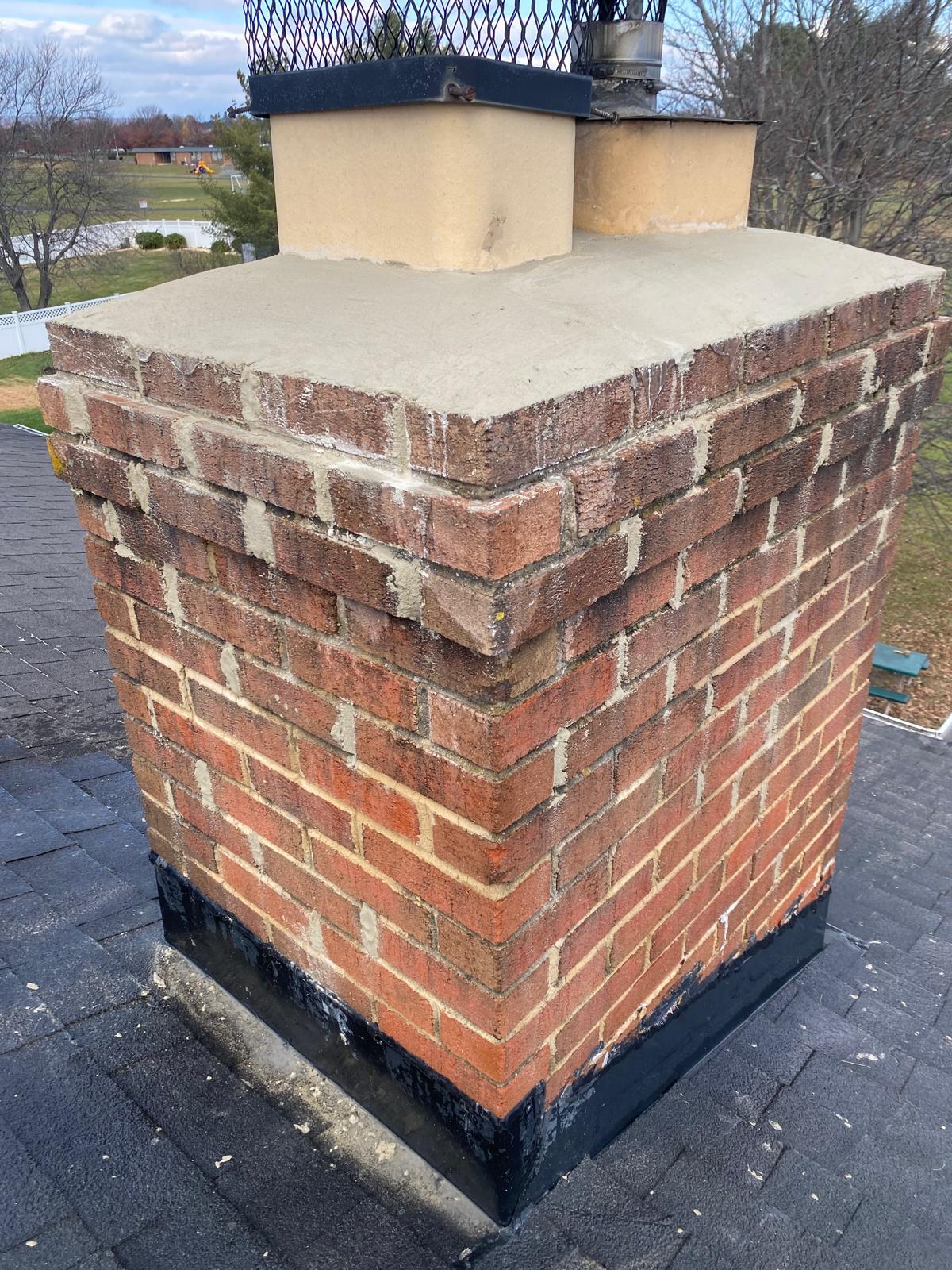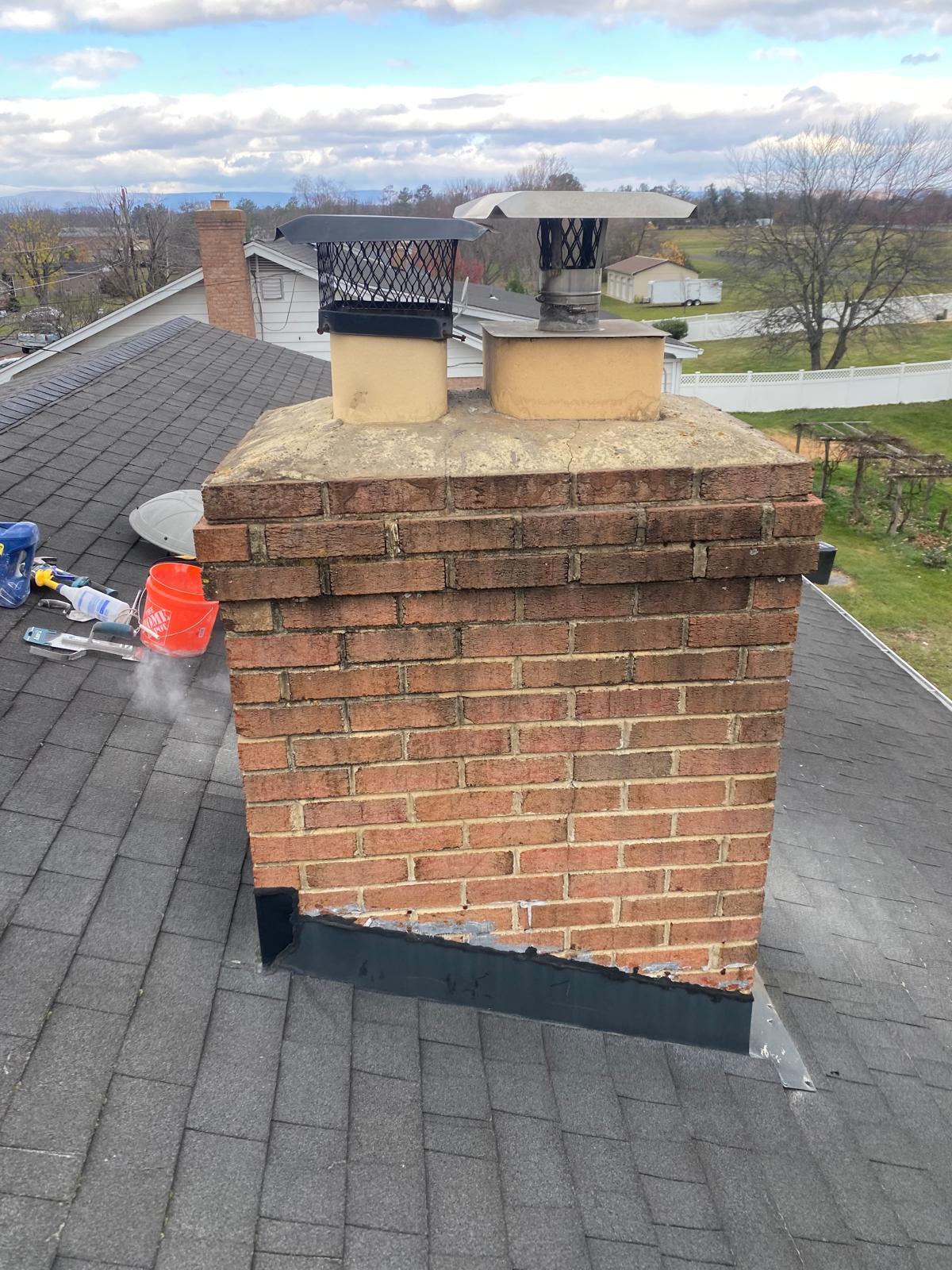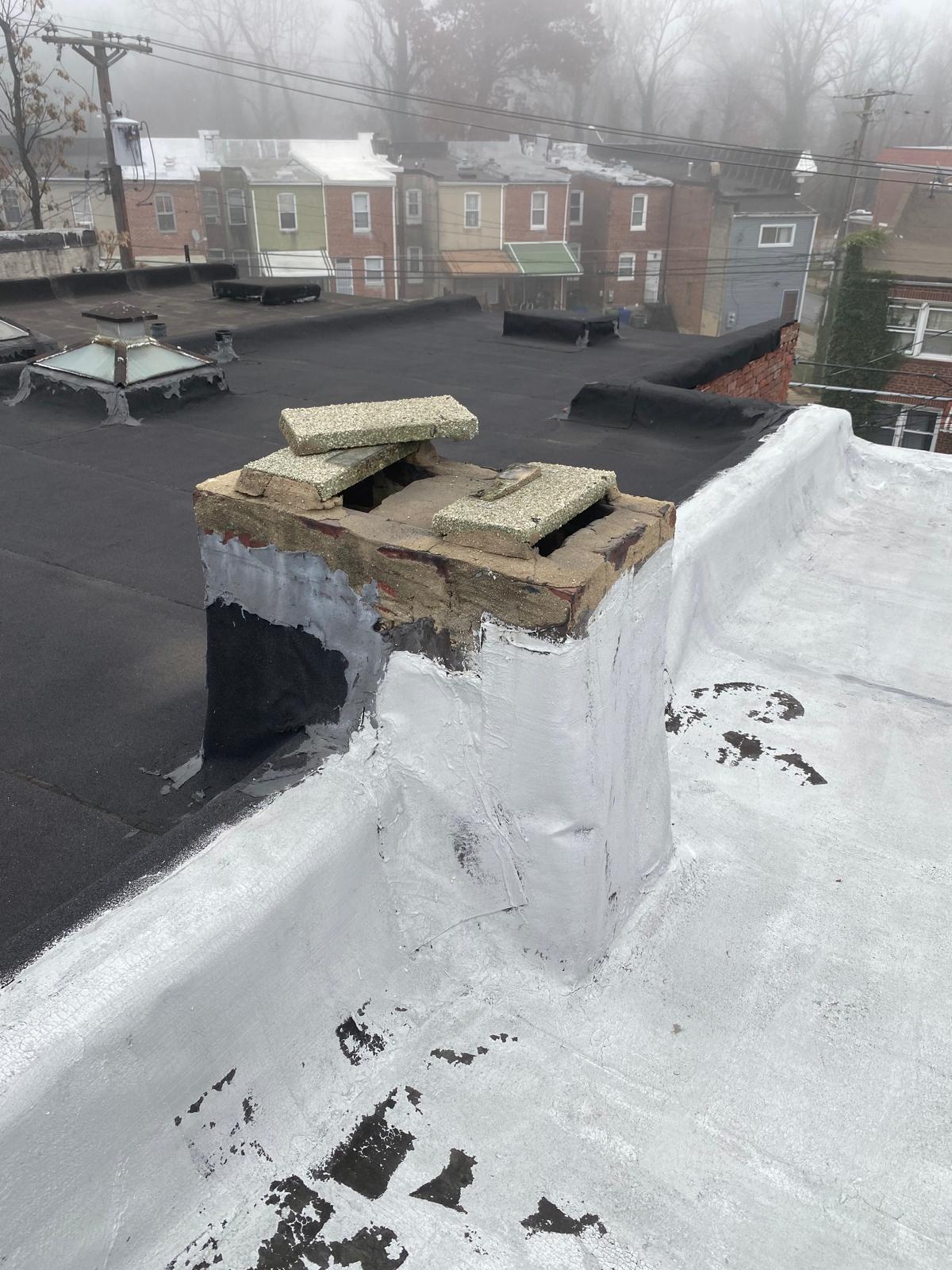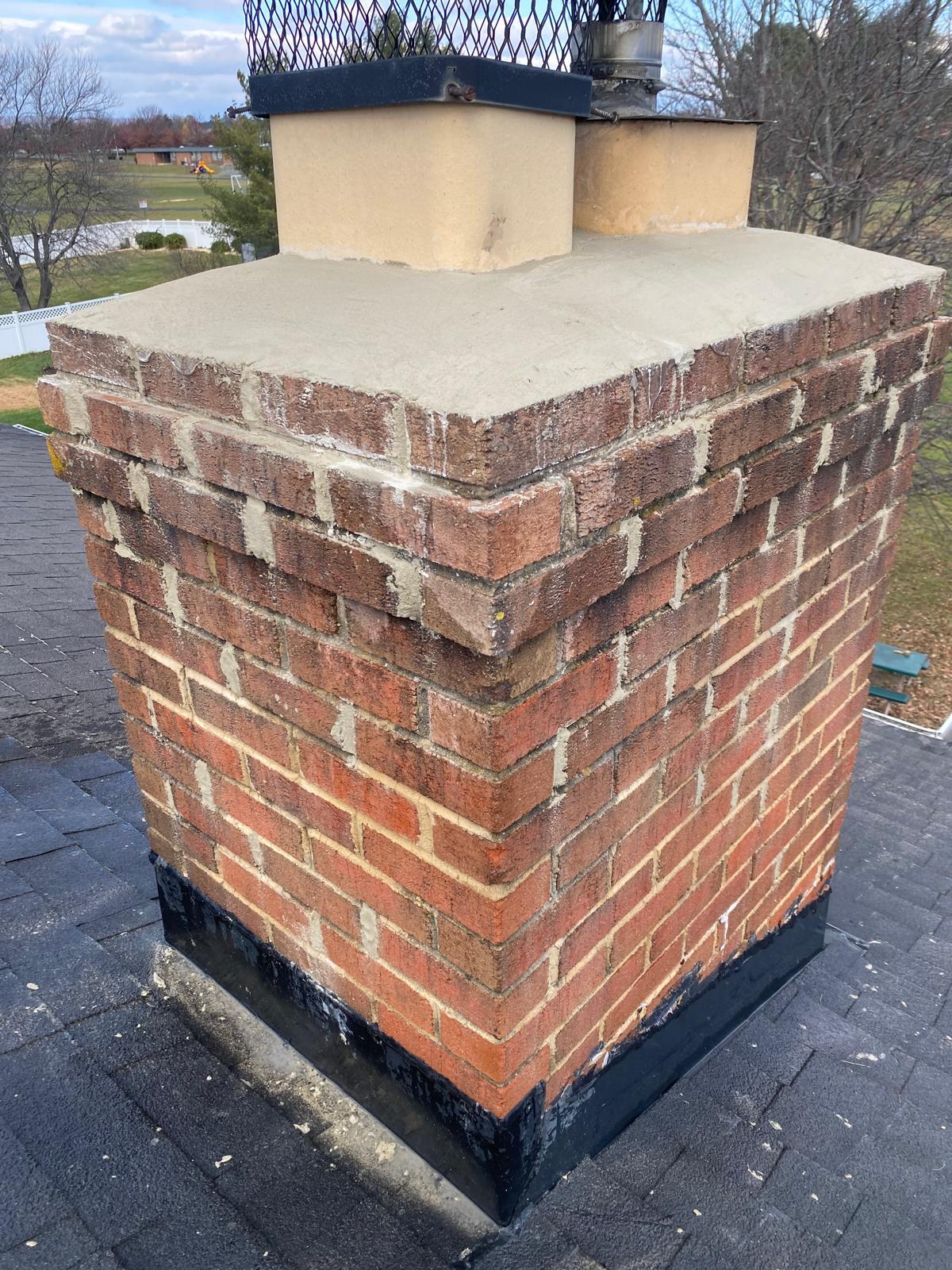
Did you know that nestled within the brick and mortar of your chimney, there’s a vital component quietly working to keep your Los Angeles home safe and warm? We’re talking about your chimney liner. Often out of sight and out of mind, this unsung hero plays a critical role in the safe operation of your fireplace or heating appliance. At DD Chimney Cleaning, we understand the nuances of chimney systems, and today, we’re pulling back the curtain on why your chimney liner is non-negotiable for safety in the City of Angels.
What Exactly is a Chimney Liner?
Think of your chimney liner as the protective sleeve or conduit that runs the entire length of your chimney, from the fireplace opening or appliance connection up to the chimney crown. Its primary purpose is to provide a smooth, enclosed pathway for combustion byproducts – smoke, gases, and heat – to safely exit your home. Originally, many older homes across Los Angeles, especially in historic neighborhoods like Hancock Park or Pasadena, were built without liners, or with clay tile liners that can degrade over time.
Why is the Chimney Liner so Important for LA Homes?
For Los Angeles homeowners, who might primarily use their fireplaces for ambiance on cooler evenings or during a rare chill, the chimney liner’s importance extends far beyond just ventilation. It’s a multi-faceted guardian, crucial for three main reasons:
Carbon Monoxide Containment: What Role Does it Play?
Your chimney liner acts as a critical barrier, preventing dangerous gases like carbon monoxide (CO) from leaking into your living space. CO is an odorless, colorless gas responsible for hundreds of deaths annually in the U.S. (Source: CDC). A sound liner ensures that all combustion byproducts are efficiently channeled upwards and expelled, protecting your family from this silent killer. This is particularly vital in tightly sealed modern homes where natural ventilation might be less robust, or in older homes where the original masonry may have developed cracks over decades of use and thermal stress.
Preventing House Fires: How Does a Liner Help?
Without a proper liner, the intense heat and corrosive gases from your fire can directly interact with the combustible materials that make up your home’s structure – think wooden framing, insulation, or drywall. Temperatures inside a chimney can reach over 1,000°F during normal operation, and much higher during a chimney fire fueled by creosote buildup. A robust liner contains this heat, creating a thermal barrier that significantly reduces the risk of structural fires. Given California’s general dry climate and wildfire concerns, especially in canyon communities, any preventative measure against house fires is paramount.
Optimizing Efficiency: Does it Really Make a Difference?
Absolutely. A well-maintained, properly sized chimney liner helps your fireplace or heating appliance operate at peak efficiency. It creates a consistent draft, which is essential for proper combustion and smoke evacuation. An inefficient draft can lead to smoke backing up into your home, excessive creosote buildup, and wasted energy. For homeowners committed to responsible energy use, ensuring your liner is intact is a smart move. Our DD Chimney Cleaning in Los Angeles service often highlights the link between a clean, healthy liner and overall system efficiency.
What are the Common Types of Chimney Liners?
Over the years, various materials have been used for chimney liners, each with distinct properties:
- Clay Tile Liners: Common in older Los Angeles homes, these are cost-effective but can be susceptible to cracking from thermal shock or seismic activity. They often require regular chimney inspections to ensure their integrity.
- Metal Liners (Stainless Steel/Aluminum): Stainless steel is durable, highly resistant to corrosion and heat, and often used when renovating older chimneys or installing new appliances. Aluminum liners are suitable only for certain low-temperature applications, such as gas furnaces, and never for wood-burning fireplaces.
- Cast-in-Place Liners: This method involves pouring a special refractory cement into the chimney, creating a smooth, insulated liner. It’s a good option for restoring damaged or oversized flues.
Regardless of the type, its condition is what truly matters for safety. DD Chimney Cleaning, serving homeowners not just here in Southern California but also clients who use our partners like DD Chimney Cleaning in Boston or DD Chimney Cleaning in Philadelphia, emphasizes that regular cleaning is critical for all liner types.
When Should You Inspect or Repair Your Chimney Liner?
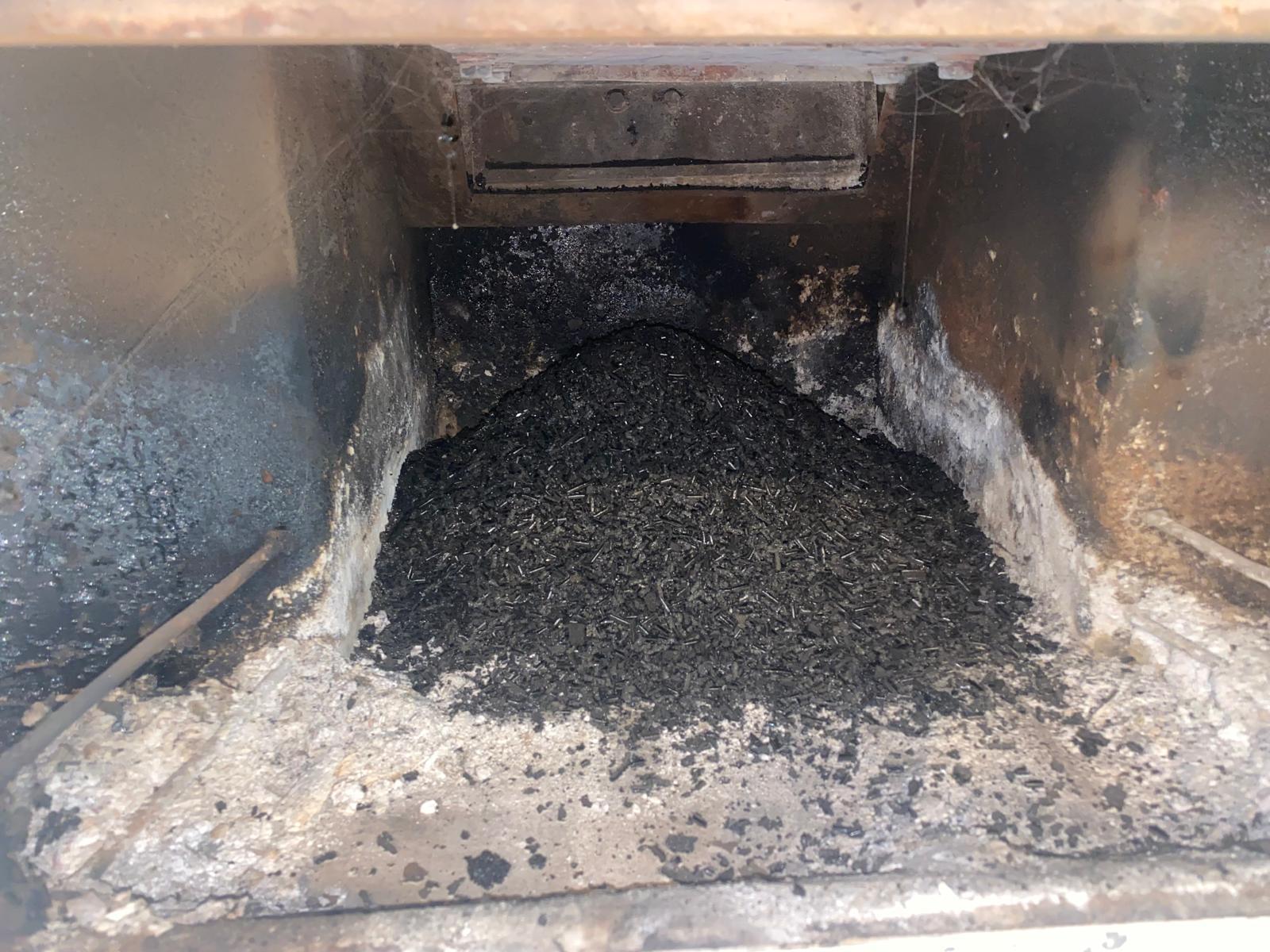
The National Fire Protection Association (NFPA) recommends annual chimney inspections. This is especially true for the often-overlooked liner. During a professional chimney sweeping service, DD Chimney Cleaning technicians thoroughly inspect the interior of your flue, checking for any cracks, crumbling mortar, gaps, or signs of deterioration in your liner. Signs you might have a liner problem include smoke odors when the fireplace isn’t in use, staining on the exterior of the chimney, or visibly spalling mortar. Ignoring these can lead to serious risks.
Frequently Asked Questions About Chimney Liners
Q1: What materials are chimney liners typically made from?
A: Chimney liners are commonly made from clay tiles, stainless steel, or aluminum. Each material has specific benefits and applications, largely dependent on the type of heating appliance connected to the chimney and the structure of the chimney itself.
Q2: How often should my chimney liner be inspected?
A: The Chimney Safety Institute of America (CSIA) and the NFPA recommend annual chimney inspections, regardless of how often you use your fireplace. This ensures any damage to the liner or excessive creosote buildup is identified promptly.
Q3: Can I clean my chimney liner myself?
A: While basic cleaning brushes are available, cleaning a chimney liner effectively and safely requires specialized tools, training, and an understanding of chimney systems. Improper cleaning can cause damage or leave dangerous creosote deposits. Professional creosote removal is always recommended.
Q4: What are signs of a damaged chimney liner?
A: Key indicators of a damaged liner include visible cracks or missing mortar joints in clay tiles, smoke leaking into your home or other areas of the house, pieces of the liner material falling into the firebox, excessive creosote buildup despite regular use, and a noticeably weak draft.
Q5: Is a chimney liner mandatory in Los Angeles?
A: While specific municipal codes can vary, building safety standards in Los Angeles and across the nation generally require chimneys to be lined for the safe operation of any fireplace or heating appliance. When repairs or new installations are done, a liner meeting current codes is typically mandated.
Q6: What services related to chimney liners does DD Chimney Cleaning provide?
A: DD Chimney Cleaning specializes in comprehensive chimney cleaning and inspection services. During our inspections, we meticulously assess the condition of your chimney liner to identify any damage, deterioration, or dangerous creosote accumulation. We then provide you with a detailed report and professional recommendations for maintaining its safety. Please note, our expertise lies strictly in cleaning and identifying issues; we do not perform liner repairs.
Q7: How does the Los Angeles climate affect liner lifespan?
A: While LA’s mild climate might seem less harsh than colder regions, factors like infrequent but intense heat usage, potential seismic activity, and the dry air causing masonry to expand and contract can contribute to liner degradation over time. Regular inspections are essential to catch issues before they escalate, especially in older homes.
Don’t let an out-of-sight issue compromise your peace of mind or the safety of your home. Your chimney liner is a critical component that deserves attention. For expert chimney cleaning and thorough liner inspections in Los Angeles, trust the professionals at DD Chimney Cleaning. Schedule your annual service today and ensure your chimney system is operating safely and efficiently. Call us at (833) 339-6803 – your safety is our priority!