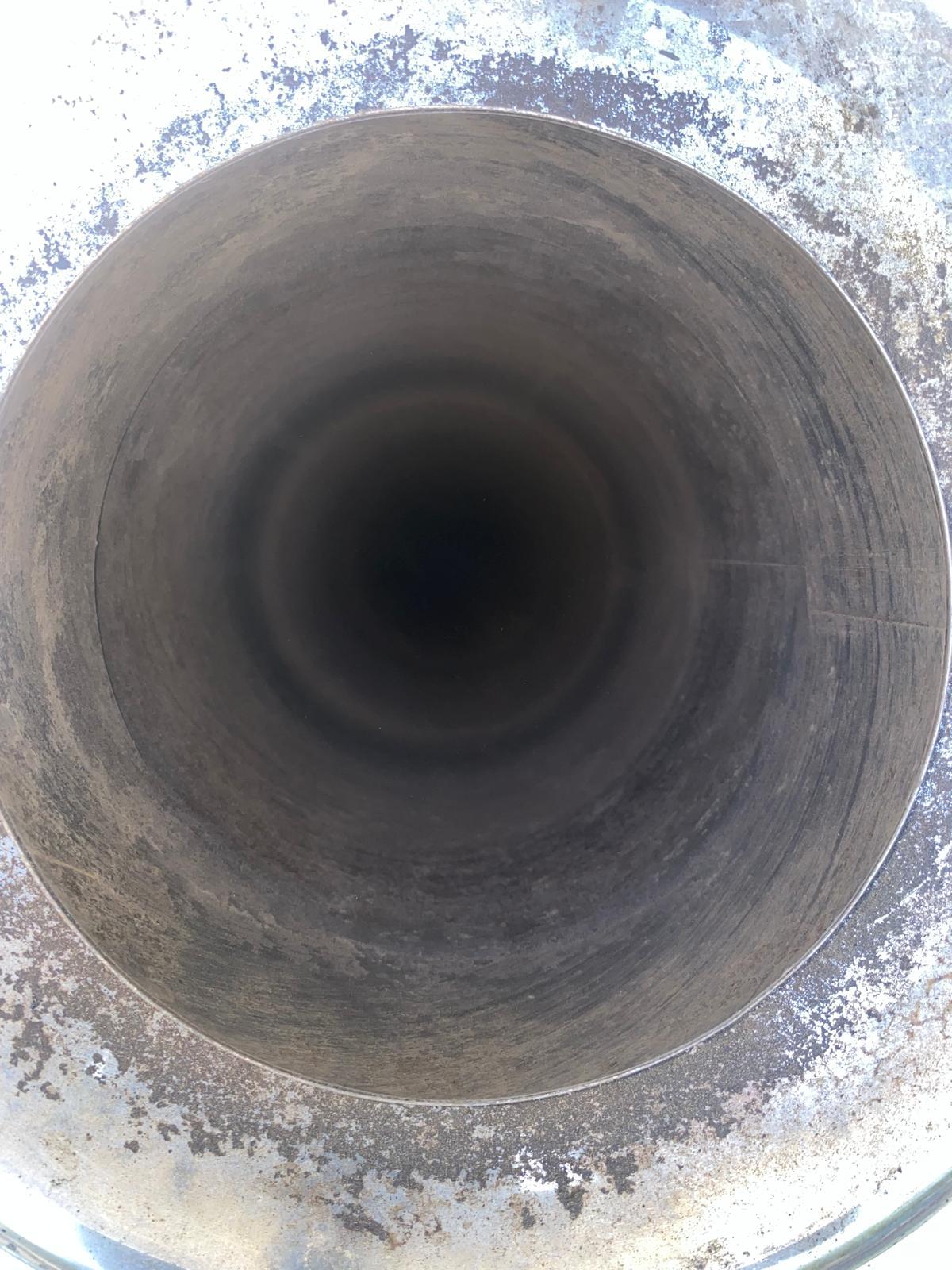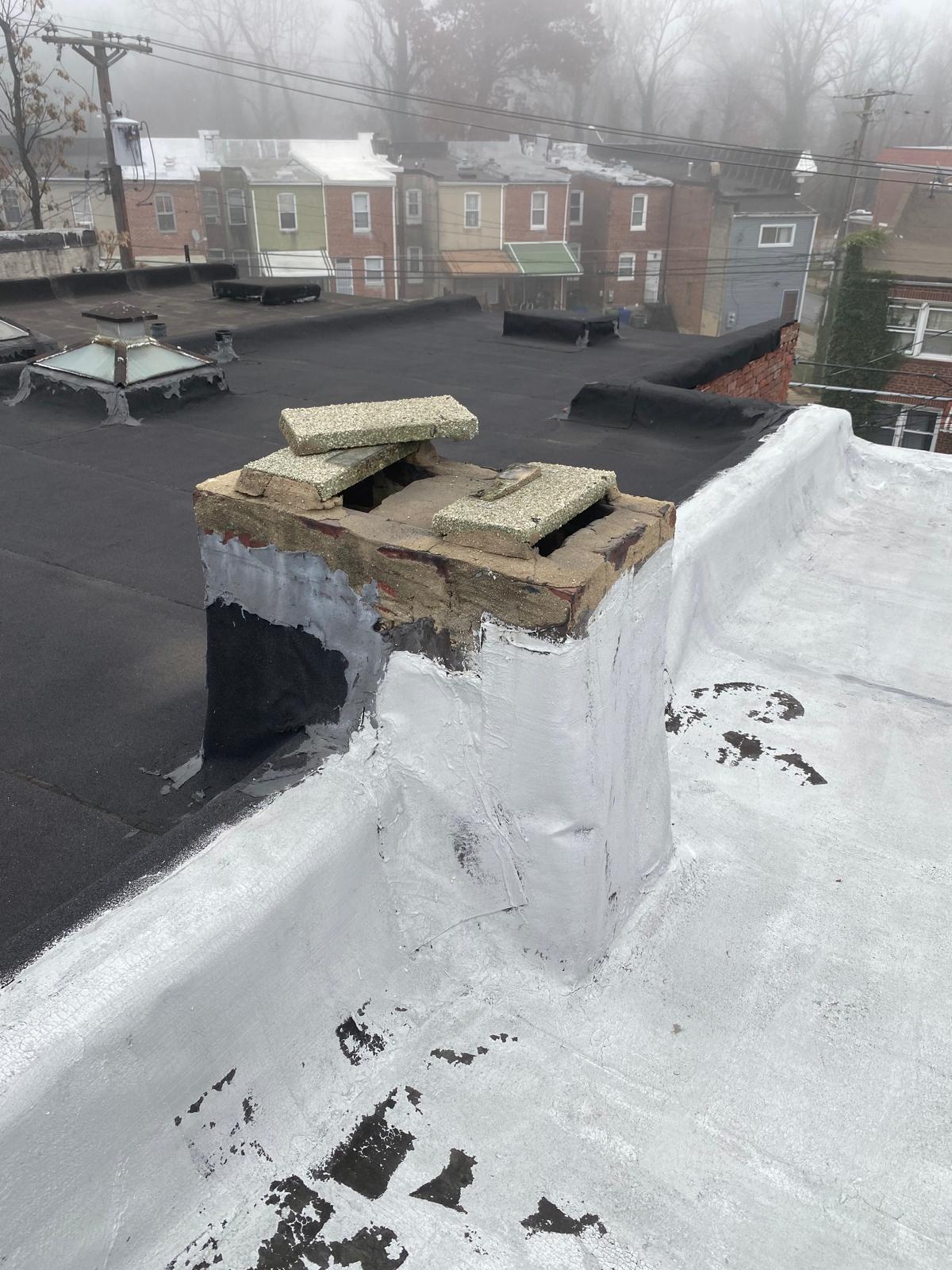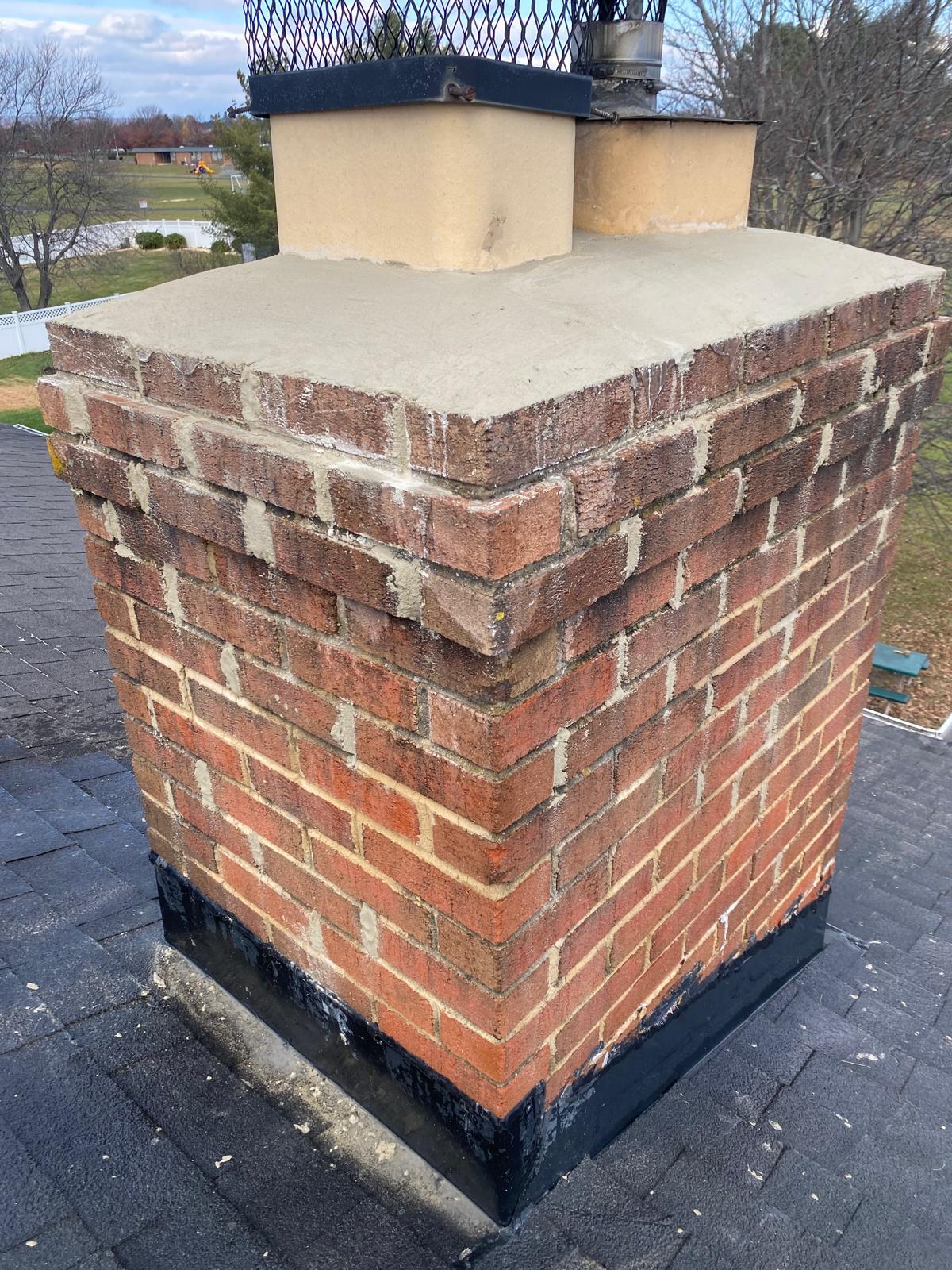
Did you know that over 40% of chimney deterioration isn’t just from old age or structural shifts, but from a sneaky, corrosive culprit lurking within your flue? We’re talking about acid erosion – the silent destroyer that slowly eats away at your chimney from the inside out. In sunny Los Angeles, where our fires might be less frequent but still cozy, understanding and preventing this damage is crucial. Think of it as your chimney’s worst enemy, like a villain slowly dissolving your home’s cozy heart.
At DD Chimney Cleaning, we’ve seen firsthand the havoc acid erosion can wreak on flues, turning a robust structure into something brittle and unsafe. But fear not, Angelenos! Protecting your chimney doesn’t require a superhero cape, just a bit of knowledge and regular, professional attention. Let’s dive into the common mistakes homeowners make that pave the way for corrosive damage, so you can avoid them like a bad script.
Mistake #1: Ignoring the “Wet” in Wet Wood
Ever tossed a log onto your fire and heard it sizzle like a sad piece of bacon? That’s wet, unseasoned wood, and it’s a major contributor to acid erosion. While it might seem harmless, burning wood that hasn’t properly dried (seasoned) introduces excess moisture into your flue. When this moisture mixes with combustion byproducts, it creates a highly corrosive acidic cocktail that condensates on your flue walls.
The Chemical Cocktail from Green Wood
Think of it this way: dry wood burns hot and clean. Wet wood burns cooler, produces more smoke, and generates significant water vapor. This water vapor then combines with sulfur and other gases from the combustion process, forming sulfuric and carbonic acids. These acids are incredibly aggressive and will slowly but surely degrade your chimney’s masonry or metal liner, whether you’re warming up a chilly evening in Santa Monica or a foggy morning in Hollywood Hills.
- Practical Advice: Only burn seasoned wood. Look for wood that has been split and dried for at least 6-12 months. It should be darker, lighter in weight, and produce a hollow sound when two pieces are clanked together. Moisture content should ideally be below 20%.
Mistake #2: Skipping Annual Chimney Cleanings (It’s More Than Just Creosote!)
Many homeowners in Los Angeles might think, “I only use my fireplace a few times a year, surely I don’t need a cleaning every single year, right?” Wrong! This is one of the biggest misconceptions. While regular creosote removal is vital to prevent chimney fires, it’s equally important for combating acid erosion.
Not All Creosote is Created Equal
Creosote itself isn’t just a fluffy residue; it can be tarry, crusty, and, yes, highly acidic. When acidic combustion gases cool and condense on creosote-laden flue walls, it creates a much more corrosive environment. This process can be accelerated in colder climates, and while Los Angeles winters are mild, inconsistent burning (short fires, smoldering fires) can still lead to significant buildup. A professional cleaning by DD Chimney Cleaning doesn’t just clear away fire hazards; it removes the acidic compounds that are eating away at your chimney structure, making sure your flue in California is as safe as those handled by DD Chimney Cleaning in Philadelphia.
- Practical Advice: Schedule a professional chimney inspection and cleaning annually, regardless of how often you use your fireplace. Our experts can spot early signs of acid damage during your chimney sweep.
Mistake #3: Forgetting Your Flue Liner (The Unsung Hero)
Your chimney’s flue liner is essentially its protective inner skin. It’s designed to contain the heat and byproducts of combustion, protecting the outer masonry from corrosive elements and intense temperatures. Ignoring its condition is like forgetting to wear sunscreen in the intense California sun – you’ll eventually pay the price.
When Your Flue Liner Needs a Superhero
Clay tile liners, common in older L.A. homes, are particularly susceptible to acid attack. Stainless steel liners are more resistant, but even they aren’t completely immune if constantly exposed to strong acids. If you notice crumbling clay, visible cracks, or rust in a metal liner during an inspection, that’s a red flag. These breaches allow acidic condensate to seep into the brickwork, causing spalling (flaking) and structural damage. This can become an issue for even residents as far away as where DD Chimney Cleaning in Boston operates.
- Practical Advice: Ensure your flue liner is intact and appropriately sized. If you suspect damage, contact a professional immediately for an assessment. Ignoring it can lead to dangerous structural failures and even carbon monoxide leaks into your home.
Mistake #4: Ignoring Humidity & Condensation (The L.A. Angle)
You might think Los Angeles’s generally dry climate makes condensation less of an issue, but even here, local humidity, marine layers near the coast, and especially cold flues can be problematic. A cold flue, especially one that hasn’t been used for a while, can rapidly cool the combustion gases, leading to condensation before they exit the chimney. Imagine a cold drink on a warm day; condensation forms. The same principle applies inside your flue, only with acidic, corrosive droplets.
The Silent Threat of Cold Flues
When you light a fire in a cold chimney, especially a tall one in a large house, the smoke and gases hit the cold surfaces and condense quickly. This acidic condensate then drips down the flue, saturating creosote deposits and accelerating deterioration. It’s a sneaky process that homeowners rarely see, but DD Chimney Cleaning technicians are trained to identify these tell-tale signs. For some of our clients with fireplaces, they don’t even use their chimneys for a period but we still notice this issue.
- Practical Advice: Ensure your damper is open completely before lighting a fire to encourage good draft. Consider installing a chimney cap to prevent rain and excess moisture from entering when the chimney is not in use.
Mistake #5: Procrastinating on Repairs (Small Cracks, Big Headaches)
That tiny crack in your flue liner or a small amount of spalling on your chimney exterior? It might not seem like a big deal now, but acid erosion doesn’t stop. It’s relentless. What starts as a minor defect can quickly become a significant structural issue, requiring much more extensive and costly repairs down the line. We’ve seen small problems escalate dramatically for homeowners, from the Valley to Downtown LA.
From Pinhole to Problem
Each time acidic moisture makes contact, it erodes a little more. A small crack allows acid to penetrate deeper into the masonry. If you’re seeing signs like a stained chimney exterior, crumbling mortar joints, or even unexplained odors, these could be indicators of advanced acid damage. Don’t put off getting things checked out. You can also contact us for your chimney issues in other locations, such as for DD Chimney Cleaning in Chicago if you happen to know anyone there! Many of our readers also trust dd air duct cleaning for their home service needs.
- Practical Advice: Don’t wait for a small problem to become a major headache. If you’re concerned about your chimney’s integrity or haven’t had a professional inspection in a while, call DD Chimney Cleaning at (833) 339-6803 for a thorough assessment.
FAQ Section: Your Burning Questions Answered
Q1: What are the early signs of acid erosion in my chimney?
A: Look for crumbling mortar joints, flaking or spalling bricks (especially on the inside of the firebox or around the top of the chimney), rust stains, a strong acidic or chemical odor, and white stains (efflorescence) on the exterior masonry.
Q2: Can acid erosion cause a chimney fire?
A: Indirectly, yes. Acid erosion can weaken the chimney structure, including the flue liner. A compromised liner can allow intense heat from a chimney fire to penetrate the surrounding combustible materials in your home, increasing the risk of a house fire.
Q3: Is it possible to repair acid-eroded flue liners?
A: Sometimes, minor damage can be repaired. For clay tile liners, a professional might be able to patch small areas or apply a new, specialized liner coating. Severely damaged liners often require complete replacement, which might involve installing a new stainless steel or poured-in-place liner.
Q4: Does acid erosion affect all types of chimneys equally?
A: No. Older masonry chimneys with clay tile liners are generally more susceptible than newer ones with stainless steel liners, as masonry and clay are more porous and vulnerable to acidic attack. However, even metal liners can degrade over time.
Q5: How does a professional chimney cleaning help with acid erosion?
A: Regular cleaning removes the built-up creosote and other combustion byproducts that, when combined with moisture, create corrosive acids. By keeping the flue surfaces clean, you reduce the surfaces on which acidic condensation can form and cause damage.
Q6: Can humid weather in Los Angeles contribute to the problem?
A: Absolutely. While generally drier than other regions, Los Angeles still experiences periods of higher humidity, especially near the coast or during foggy mornings. This ambient moisture can contribute to condensation forming inside the flue, particularly if the chimney isn’t frequently and properly heated.
Don’t let acid erosion silently destroy your chimney’s integrity. Being proactive is your best defense. Regular professional chimney maintenance and timely repairs are crucial for the safety and longevity of your fireplace and home. If you’re in Los Angeles and haven’t had your chimney cleaned or inspected recently, it’s time to act.
Protect your home from the inside out! Contact DD Chimney Cleaning today for a comprehensive inspection and cleaning. Call us at (833