Imagine this: it’s a chilly autumn evening in a classic Brooklyn brownstone. You’ve just settled in with a cup of tea, the sounds of city life fading outside, when suddenly, a faint scratching begins to echo from your chimney. It’s not the familiar hum of the radiator; this is something unsettling, persistent. For homeowners across New York City, from the historic streets of Greenwich Village to the bustling avenues of the Upper West Side, strange chimney noises are a common, often unnerving, occurrence. The question isn’t just “What’s that sound?” but “What does it mean for my home’s safety and integrity?”
Unraveling the Mystery: Diagnosing Common Chimney Sounds in NYC
Pinpointing the source of a chimney noise requires a systematic approach. Understanding what different sounds typically indicate is the first step toward effective diagnosis and resolution. NYC’s diverse architecture, from pre-war buildings to modern high-rises, presents unique challenges, often exacerbating issues that lead to these audible warnings.
Rustling, Scratching, or Chirping
This is almost always a clear indicator of wildlife intrusion. Pigeons are notorious for nesting on or in chimney tops in urban environments, especially around buildings overlooking Central Park or near water bodies. Squirrels, raccoons, and even bats can find their way into an unprotected flue, seeking shelter. Beyond the nuisance, animal nests can create significant blockages, preventing proper ventilation and posing a fire hazard. According to the National Fire Protection Association (NFPA), blockages are a leading cause of chimney fires, accounting for approximately 17% of all reported incidents annually.
Banging, Thumping, or Flapping
If you hear heavier, more sporadic noises, particularly during windy conditions common to coastal cities like New York, it could signal loose or damaged chimney components. A faulty chimney cap, a loose damper, or even pieces of masonry deteriorating inside the flue can clang or thump as wind whips through. In taller structures, the wind tunnels created between buildings can amplify these effects. Ignoring these sounds can lead to greater structural damage or allow rain and snow to enter, causing moisture damage to the chimney interior and home.
Whooshing, Whistling, or Roaring
These sounds often point to airflow issues. A whistling noise typically indicates a small opening or crack through which air is being forced, often due to improper sealing or a damaged flue liner. A distinct whooshing or roaring, especially when the fireplace is in use, could suggest an insufficient air supply for combustion, or conversely, an uncontrolled draft. This isn’t just about efficiency; it can be a carbon monoxide concern. Proper chimney design and maintenance, like that provided by experts in professional chimney sweeping, are critical to ensure safe operation. We have observed similar issues from chimneys that have gone too long without professional chimney cleaning in Chicago as well as in Boston where the climate challenges also impact structural integrity of chimneys, calling for DD Chimney Cleaning in Boston to investigate these airflow concerns.
Popping or Crackling (When Not in Use)
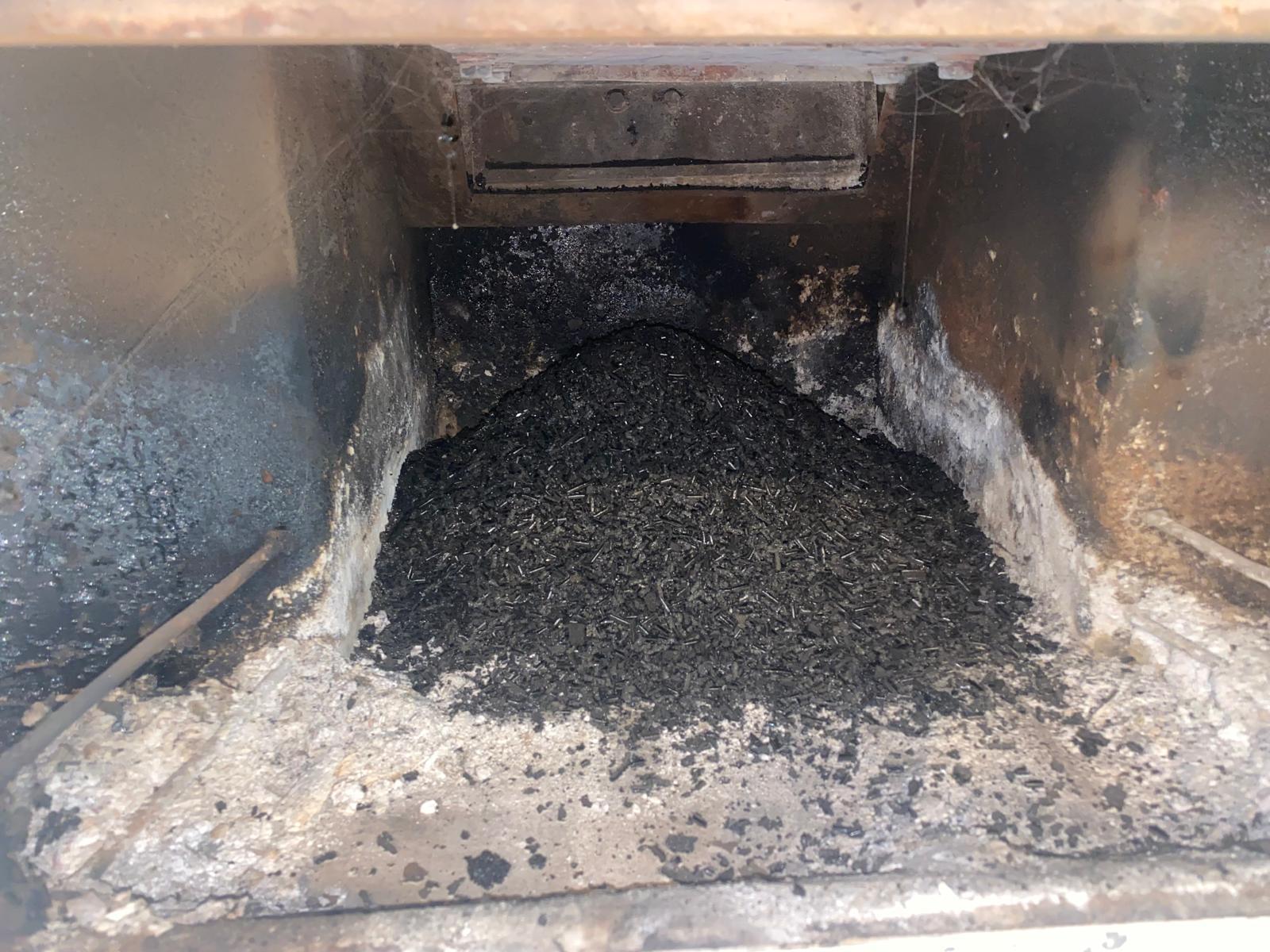
If your chimney sounds like a campfire even when no fire is lit, you likely have excessive creosote buildup. Creosote, a byproduct of burning wood, is highly flammable. While not always audible, significant accumulations can contract and expand with temperature changes, creating popping or crackling sounds. This is a severe fire risk. An estimated 25,000 chimney fires occur in the U.S. each year, many preventable with regular creosote removal services.
The Hidden Dangers of Ignoring Chimney Noise
Beyond the immediate discomfort, strange chimney noises are often symptoms of underlying problems that can compromise your home’s safety and indoor air quality. Ignoring them allows minor issues to escalate into major, costly repairs or even dangerous situations. Blockages from nests or debris can restrict exhaust flow, leading to smoke backing up into your living space, carrying harmful particulates and deadly carbon monoxide. Deteriorated flue liners not only make banging noises but also allow heat and flames to escape into combustible wall structures, increasing fire risk. The lifespan of a chimney can be drastically reduced by neglected issues, leading to thousands in renovation costs. We recommend checking out https://ddairductcleaning.com for additional air duct cleaning needs.
When to Call the Professionals: The DD Chimney Cleaning Perspective
While this guide provides insight, DIY diagnosis of chimney problems is rarely sufficient. Chimneys are complex systems requiring expert knowledge and specialized tools for a thorough and safe inspection. A professional chimney technician can correctly identify the source of the noise, whether it’s an animal, structural damage, or a buildup of creosote, and recommend the appropriate solution.
DD Chimney Cleaning understands these challenges thoroughly. With years of experience, we emphasize that early intervention is key. If you’re hearing unusual noises from your chimney, it’s a signal that an thorough chimney inspection is overdue. Our technicians use advanced diagnostic equipment to visually inspect the entire flue from top to bottom, ensuring no issue goes undetected. Don’t wait for a small noise to become a big problem. DD Chimney Cleaning prioritizes your safety and provides comprehensive chimney care that you can trust. You can reach us for professional assistance at (833) 339-6803.
Frequently Asked Questions About Chimney Noises
- Q: Can a strong wind cause my chimney to make noise?
A: Yes, strong winds, especially in areas with high-rises creating wind tunnels, can cause whistling from small openings or banging/flapping if the chimney cap or damper is loose or damaged. - Q: What should I do immediately if I hear animal noises in my chimney?
A: First, avoid using your fireplace to prevent harm to the animal or smoke backing up. Then, contact a professional chimney cleaning service like those offered by DD Chimney Cleaning in New York for safe animal removal and blockage clearance. - Q: Is a crackling sound when the fireplace isn’t lit always creosote?
A: Most often, yes. It indicates a significant buildup of highly flammable creosote that is expanding or contracting. This requires immediate creosote removal. - Q: How often should I have my chimney inspected if I hear noises?
A: If you hear any unusual noises, you should schedule an inspection immediately. Otherwise, the NFPA recommends annual chimney inspections regardless of usage. - Q: Can water damage contribute to chimney noises?
A: Absolutely. Water can cause masonry to deteriorate, leading to loose bricks or mortar that can bang and scrape. It can also rust metal components like the damper or chimney cap, causing them to become loose or noisy.
Don’t let strange chimney noises be a persistent source of worry. Understanding the potential causes is the first step, but professional evaluation and service are essential for ensuring your home’s safety and the efficient operation of your chimney system. For expert chimney cleaning and inspections in the Los Angeles area, trust the experienced technicians at DD Chimney Cleaning. Protect your home and peace of mind today. Call us directly at (833) 339-6803 to schedule your service.