The inviting warmth and ambiance of a roaring fire have been central to homes for millennia, a tradition stretching back to ancient hearths and the dawn of domestic architecture. But alongside the comfort, a less pleasant companion often emerged: chimney odors. Even in rudimentary designs, smoke and combustion byproducts could linger, creating unpleasant stenches. Today, while chimney technology has advanced, the fundamental challenge of managing these lingering odors persists. If a persistent, acrid, or musty smell is permeating your Los Angeles home, signaling a deep-seated issue within your chimney system, immediate action is not just recommended—it’s crucial. Don’t let these telltale signs linger, as they can indicate serious underlying problems that compromise air quality and even safety.
Understanding the Stench: Primary Causes of Lingering Chimney Odors
The distinct, often offensive smells emanating from your chimney are rarely benign. They are signals that something is amiss, and in our diverse Los Angeles climate—from the dry heat of the Valley to the humid ocean breezes of Santa Monica—these issues can be exacerbated. Identifying the source is the first urgent step toward a lasting solution.
Creosote Buildup: The Primary Culprit
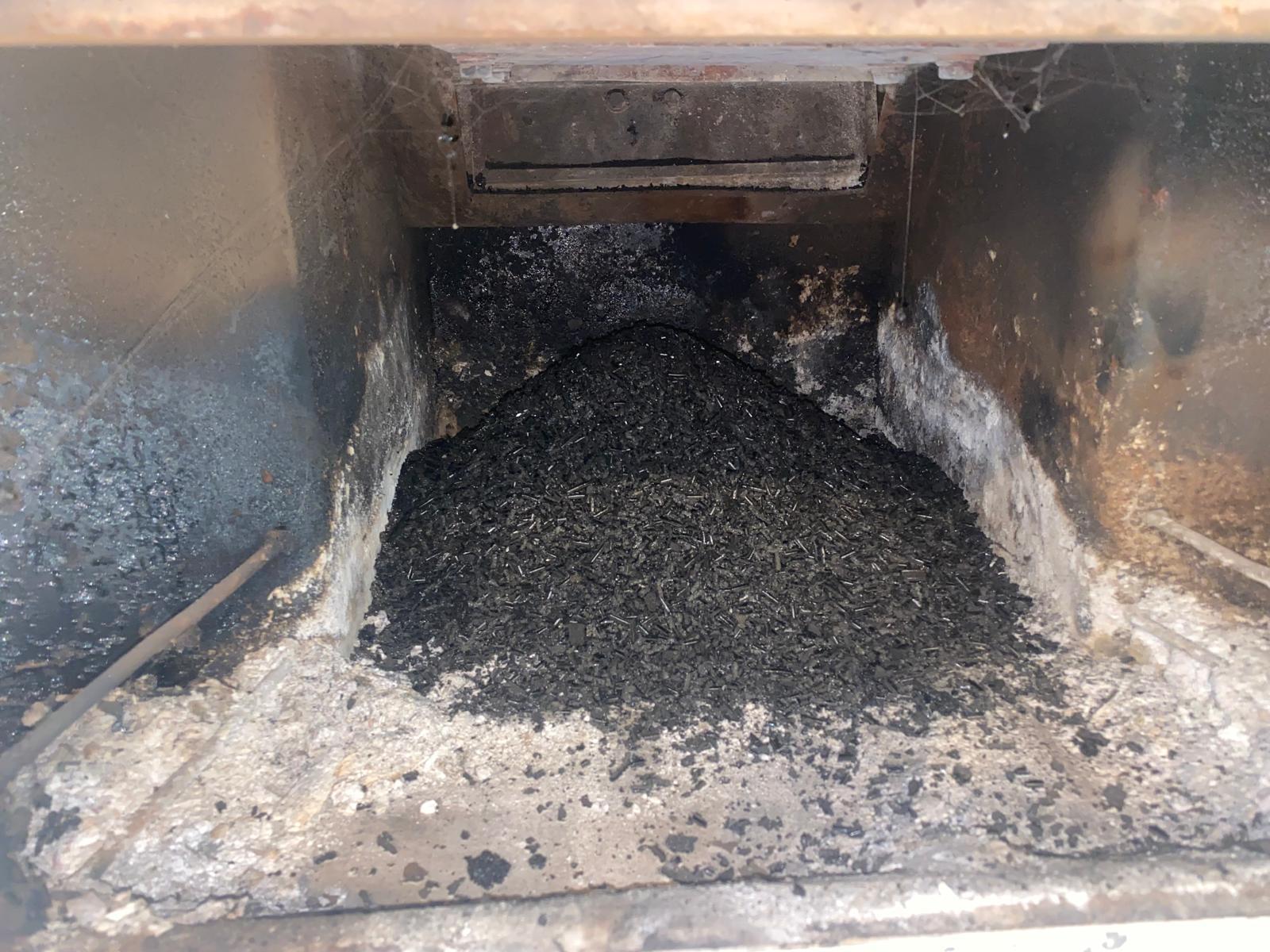
This is, without a doubt, the most common and dangerous cause of chimney odor. Creosote is a highly flammable, tar-like byproduct of wood combustion that adheres to the inside of your chimney flue. Over time, it hardens and layers, emitting a potent, smoky, and often acrid smell that intensifies with heat and humidity. Left unchecked, creosote poses a severe fire hazard; it’s responsible for an estimated 25,000 chimney fires annually across the U.S. Ignoring its smell is risking your home and family. Even a slight temperature increase, common during a Los Angeles heatwave, can intensify the stench and potentially accelerate ignition.
Animals and Debris: Unwanted Guests
Unfortunately, your chimney can be an attractive nesting spot for local wildlife, from birds and raccoons to squirrels, especially in more suburban LA neighborhoods like Pasadena or Studio City. These animals often build nests or get trapped, leading to decomposition and strong, foul odors. Beyond wildlife, falling leaves, twigs, and other outdoor debris can accumulate, becoming damp and decomposing, creating a musty, earthy, or rotten smell. This blockage can also impede proper ventilation, trapping other odors and even smoke.
Moisture and Humidity: An LA Factor
The unique climate of Los Angeles, with its alternating periods of dryness and significant humidity, particularly near the coast, plays a significant role in chimney odors. Rain, ocean mist, or even fog can enter an unprotected chimney, soaking into creosote deposits, soot, and masonry. This moisture, combined with the organic matter, creates a prime environment for mold and mildew growth, which emit a distinctly musty, damp, or earthy smell. This issue is particularly prevalent for homeowners in coastal communities like Malibu or even central LA where sea breezes can push moisture inland, causing dampness in flues not adequately protected by a properly installed chimney cap.
Negative Air Pressure: Drawing Odors In
Modern, energy-efficient homes in areas like Beverly Hills or Silver Lake are often sealed tightly, sometimes leading to negative air pressure inside the house. This can effectively “pull” air down the chimney, drawing unpleasant odors from the flue into your living space. This phenomenon can make you think you’re imagining the smell, but it’s a real and frustrating issue that demands professional assessment. Don’t underestimate this factor; it’s a common, yet often overlooked, cause of persistent chimney smells.
Immediate Action: DIY Solutions You Can Attempt (Temporarily)
While DIY fixes can offer temporary relief, it’s critical to understand they do not resolve the underlying problem. Think of them as first aid, not surgery. You might try placing bowls of activated charcoal, baking soda, or white vinegar inside the firebox to absorb some odors. Ensuring good ventilation by opening windows can help dissipate airborne smells. For light, surface-level odors, a dedicated fireplace deodorizer product might offer a fleeting reprieve. However, these methods are mere stopgaps. They buy you time, but they don’t eliminate the hazardous creosote, remove animal remains, or fix structural moisture issues. For a lasting and safe solution, professional intervention is paramount.
The Definitive Solution: Professional Chimney Cleaning
When it comes to eliminating persistent chimney odors and ensuring the safety of your home, professional chimney cleaning is not just an option—it’s an urgent necessity. At DD Chimney Cleaning, we understand that these smells are distress signals that demand expert attention. Our certified technicians in Los Angeles are equipped with specialized tools and extensive knowledge to perform a thorough cleaning, addressing the root cause of the problem.
During a professional chimney cleaning, we don’t just sweep. We meticulously inspect the entire flue system for creosote buildup, blockages, and structural damage. Using powerful brushes and vacuums, we remove all stages of creosote, soot, and debris, significantly reducing fire risk and eradicating the source of most odors. We also check for animal nests and entry points, ensuring your chimney is free from unwanted guests. Our commitment to excellence mirrors the high standards found in chimney professionals who ensure homes are safe, whether you’re in DD Chimney Cleaning in Houston or right here in Los Angeles. Don’t compromise your indoor air quality or safety by delaying. A prompt cleaning can mitigate the risks associated with creosote, which research shows is a significant contributor to residential fires. We are proud to extend our expertise throughout Los Angeles, providing unparalleled service to our community.
Proactive Prevention: Keeping Odors at Bay in Los Angeles
Once your chimney is professionally cleaned by DD Chimney Cleaning, maintaining an odor-free and safe system requires ongoing vigilance, especially given LA’s environmental factors like smog and wildfire smoke potentially interacting with your flue. Consider these proactive steps:
- Annual Inspections & Cleanings: This is non-negotiable. The Chimney Safety Institute of America (CSIA) recommends annual inspections for all chimneys and professional cleaning as needed. For active fireplace users in Los Angeles, even more frequent cleaning might be warranted.
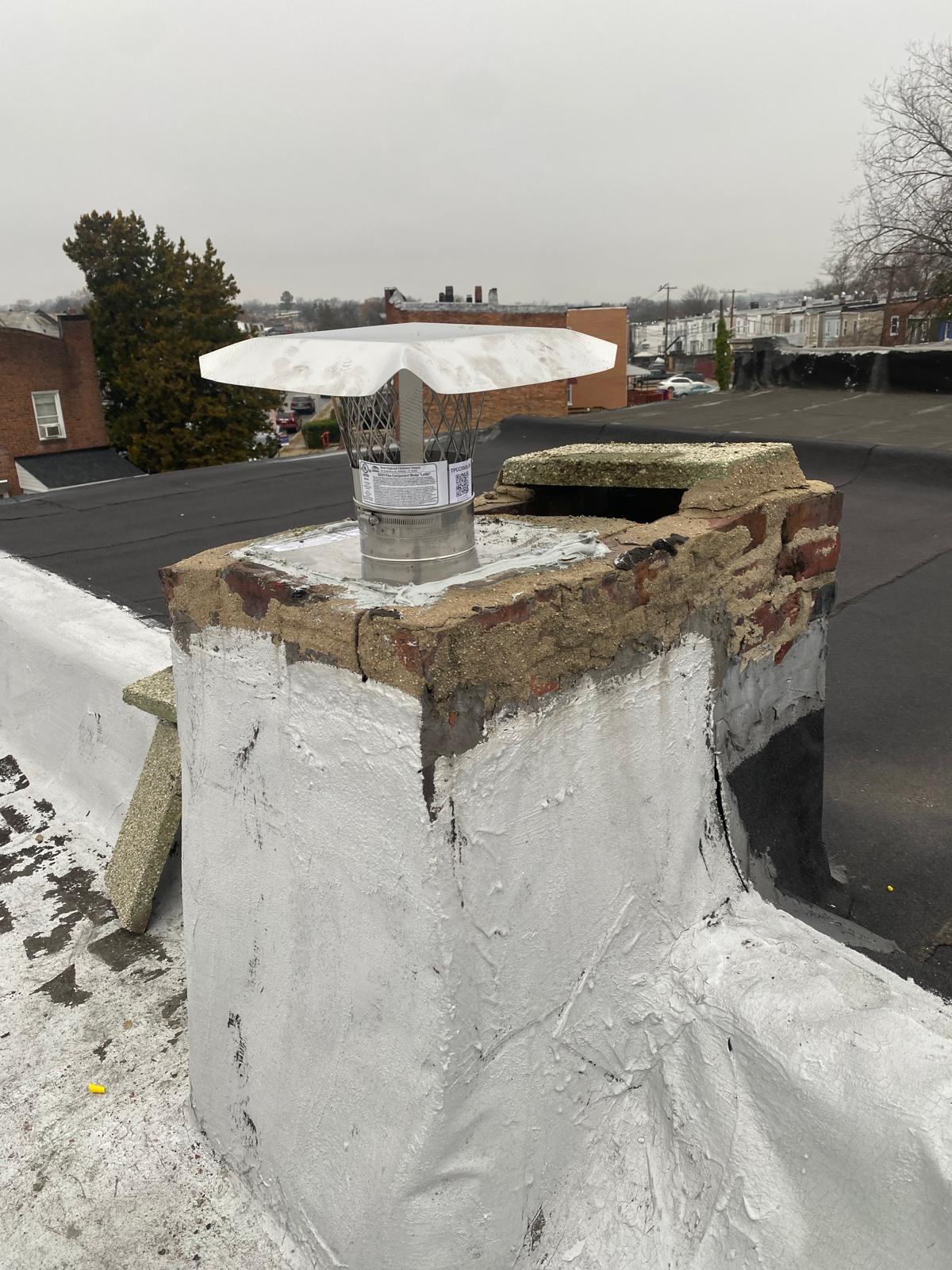
- Install a Chimney Cap with Screen: This simple device prevents rain, moisture, and debris from entering the flue and keeps animals out. It’s an essential barrier against many odor-causing problems and a small investment with significant returns. This preventative measure is as crucial in sunny Southern California as it is for our friends serviced by DD Chimney Cleaning in Dallas or even those facing colder climates up North, handled by DD Chimney Cleaning in New York.
- Burn Seasoned Wood: Always burn wood that has been properly seasoned (dried) for at least 6-12 months. Seasoned wood burns hotter and cleaner, producing significantly less creosote and smoke, thus reducing odor-causing buildup.
- Improve Ventilation: If negative air pressure is an issue, consider improving overall home ventilation or installing a top-sealing damper when the fireplace is not in use to create an airtight seal.
Frequently Asked Questions About Chimney Odors
Here are some common questions we receive from our Los Angeles clients about chimney odors:
Q1: How often should I have my chimney cleaned to prevent odors?
A1: The Chimney Safety Institute of America (CSIA) recommends an annual inspection, with cleaning as needed. For chimneys used frequently (e.g., more than one cord of wood burned per season), more frequent cleanings might be necessary to prevent creosote buildup and associated odors. This is particularly important in areas like Los Angeles where varied weather can impact creosote accumulation.
Q2: Can I just mask the smell with air fresheners?
A2: While air fresheners or DIY remedies can temporarily mask the smell, they do not address the root cause of the odor. Masking a persistent chimney odor is akin to ignoring a smoke detector; it hides a symptom of what could be a dangerous underlying issue like significant creosote buildup or animal decomposition. Immediate professional assessment is vital.
Q3: Is a strong chimney smell always dangerous?
A3: A strong, persistent chimney smell, especially a acrid or smoky odor, often indicates heavy creosote buildup, which is highly flammable and poses a severe fire risk. Other odors, like mustiness, can signal moisture intrusion and mold. While not all odors are immediately dangerous, they are always indicators of a problem that needs urgent investigation by professionals like DD Chimney Cleaning. Safety is always our top priority, and we encourage all homeowners to schedule your prompt inspection.
Q4: Why does the smell seem worse on humid days?
A4: Humidity often intensifies chimney odors. Moisture in the air reacts with creosote deposits, making the smell more potent. Additionally, higher humidity can lead to increased mold and mildew growth within the chimney, further exacerbating musty smells. This is a common complaint in coastal Los Angeles regions.
Q5: What’s the difference between creosote smell and animal smell?
A5: Creosote generally has a strong, smoky, tar-like, or acrid odor. Animal smells can vary widely, from a pungent, musky odor if an animal is living in the chimney, to a distinctly foul, rotten, or ammonia-like smell if an animal has become trapped and deceased. If you suspect an animal, avoid trying to remove it yourself; professionals can do so safely and humanely. Connect with our Los Angeles team for assistance.
Don’t Let Odors Linger: Call DD Chimney Cleaning Today!
Lingering chimney odors are not merely a nuisance; they are a clear indication that