Statistically, Los Angeles experiences hundreds of earthquakes annually, with a significant earthquake (magnitude 5.0 or greater) occurring roughly once every 2-3 years. While most are minor, a single major seismic event can inflict substantial and often hidden damage on your home, particularly to its most vulnerable structures—your chimney. As a tall, heavy, and often unreinforced structure, a chimney is highly susceptible to collapse or severe structural compromise during an earthquake, posing a significant fire and safety hazard.
For homeowners in seismic zones like Los Angeles, understanding how to safeguard your chimney is not just about compliance; it’s about protecting your property and family. At DD Chimney Cleaning, we are committed to helping Angelenos maintain safe and efficient chimneys, equipped to withstand the unique challenges of our region. This guide will walk you through essential steps to prepare your chimney for an earthquake, what to do afterward, and how professional chimney cleaning fits into your comprehensive safety plan.
Understanding the Risk: Why Your Chimney is Vulnerable
Chimneys are often constructed with masonry, a material that, while robust, lacks flexibility. During an earthquake, ground motion can cause the chimney to sway independently from the rest of the house, leading to immense stress at the roofline and foundation. This differential movement can cause:
- Cracks in masonry: Both exterior and interior flue liners can crack, creating pathways for heat and carbon monoxide to escape into your home.
- Dislodged bricks or blocks: Visible damage can lead to collapse, but even minor shifts can compromise structural integrity.
- Damaged flue liners: These are crucial for containing combustion byproducts. Cracks here are particularly dangerous, increasing fire risk and carbon monoxide poisoning.
- Compromised mortar joints: Weakened mortar can lead to instability and eventual collapse.
- Damaged flashing: The seal between the chimney and roof can tear, leading to leaks and further structural issues.
In a city prone to seismic activity, such as Los Angeles, these risks are amplified. The city lies atop numerous fault lines, including the notorious San Andreas Fault, making thorough preparedness indispensable. Damage might not always be visible from the ground, underscoring the need for expert assessment.
Pre-Earthquake Preparedness: Essential Steps
Regular Professional Chimney Inspections
The cornerstone of earthquake preparedness for your chimney is regular, professional inspection. Before an earthquake strikes, a qualified technician from DD Chimney Cleaning in Los Angeles can assess your chimney’s current condition, identify pre-existing weaknesses, and recommend preventative measures. We adhere to the Chimney Safety Institute of America (CSIA) standards, offering comprehensive inspections that go beyond a simple visual check.
- Level 1 Inspection: A basic visual inspection accessible from the exterior, hearth, and readily accessible portions of the chimney and connecting flue.
- Level 2 Inspection: Required when any changes are made to the system (like fuel type or appliance), or when a property is sold, or after an operational malfunction or external event likely to have caused damage (like an earthquake). This includes a visual inspection by video scanning or other means to examine internal surfaces and joints of all flue liners.
An annual Level 2 inspection is highly recommended for Los Angeles homeowners, particularly those with older homes, to ensure optimal safety and catch issues before they escalate.
Assess Structural Integrity and Reinforcement
While DD Chimney Cleaning specializes in thorough chimney cleaning in Los Angeles and inspections, we can identify signs of structural vulnerability during our assessment. Homeowners should be aware of:
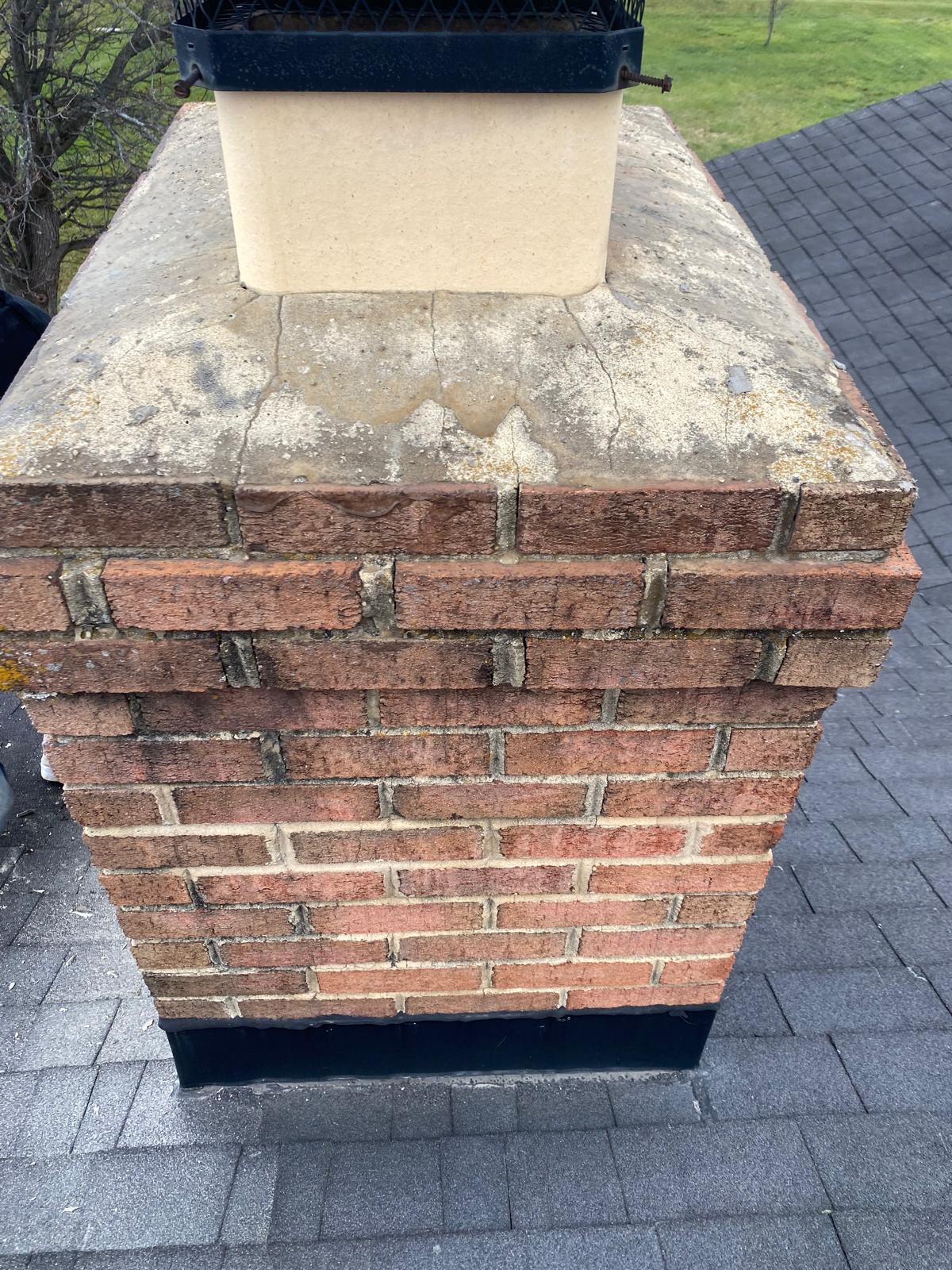
- Cracks: Look for vertical, horizontal, or stair-step cracks in the mortar joints or bricks.
- Leaning: A chimney that appears to lean, even slightly, is a serious concern.
- Missing mortar: Deteriorated mortar joints reduce the chimney’s stability.
In some cases, especially with older masonry chimneys, seismic retrofitting might be recommended by a structural engineer. This can involve reinforcing the chimney to the house structure, which can significantly reduce the risk of collapse during an earthquake.
During and Immediately After an Earthquake: What to Do
Initial Safety Checks
Once the shaking stops, your immediate safety is paramount. After ensuring family members are safe, conduct a cautious visual check of your home’s exterior and interior for obvious damage. Pay particular attention to the chimney.
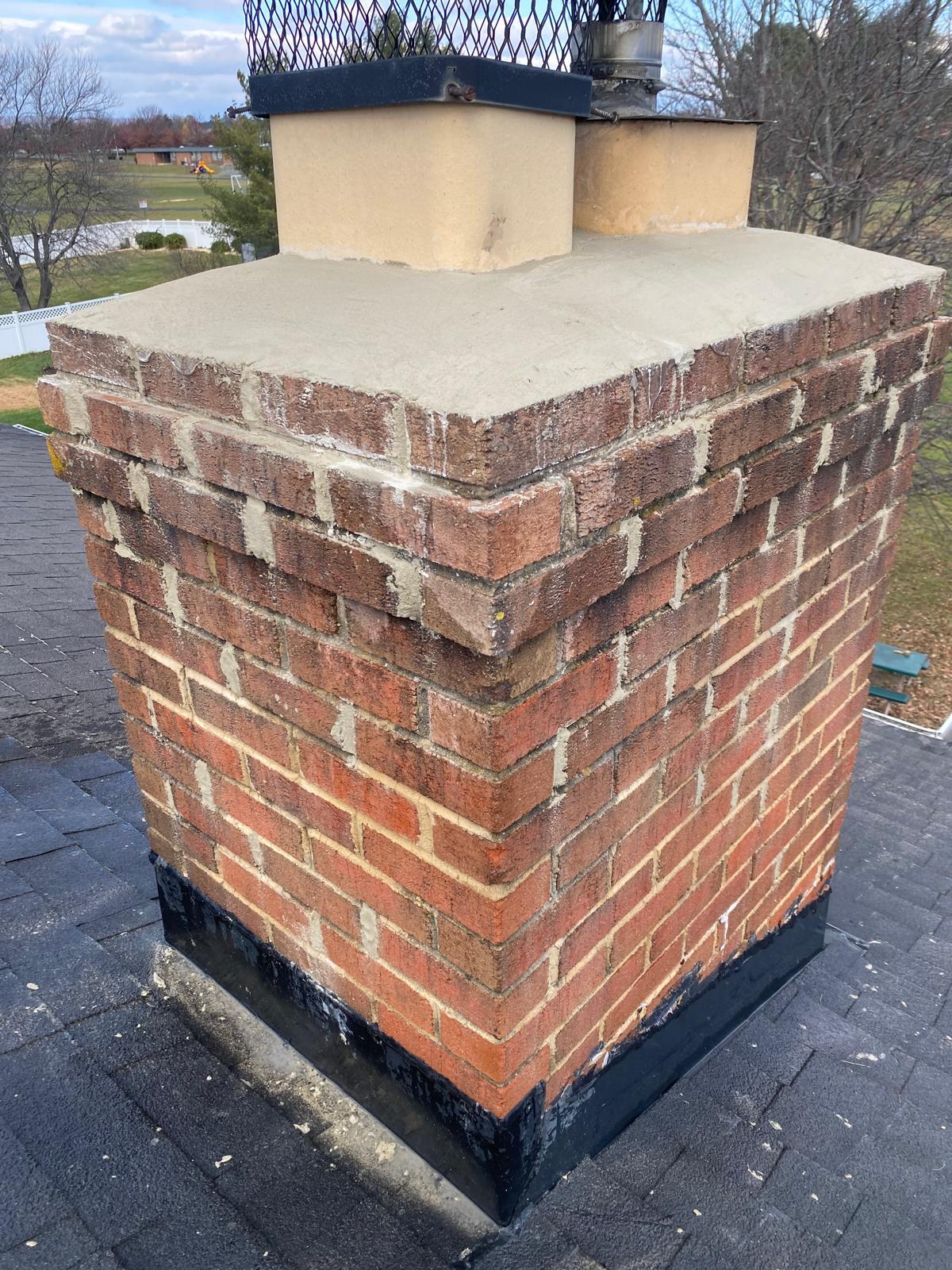
- Exterior: Look for leaning, displaced bricks, cracks, or collapsed sections of the chimney stack.
- Interior: Check around the fireplace, flue connections, and within accessible attics for falling debris, cracks in the walls around the chimney, or signs of the chimney pulling away from the house.
- Gas lines: If you smell gas or suspect a leak, evacuate and call emergency services immediately.
Avoid Using a Damaged Chimney
This cannot be stressed enough: if your chimney shows ANY signs of damage, or if you simply suspect damage after a significant quake, DO NOT use your fireplace or any appliance connected to the chimney. Using a damaged flue can lead to chimney fires or carbon monoxide leaks into your living space, turning a structural issue into a potentially fatal one.
Post-Earthquake Recovery: Professional Assessment and Cleaning
Even if your chimney appears fine from the outside, hidden damage can be catastrophic. The only way to truly confirm the integrity of your chimney after an earthquake is a professional Level 2 inspection by an experienced technician. DD Chimney Cleaning performs these crucial post-quake assessments.
Our experts will meticulously inspect:
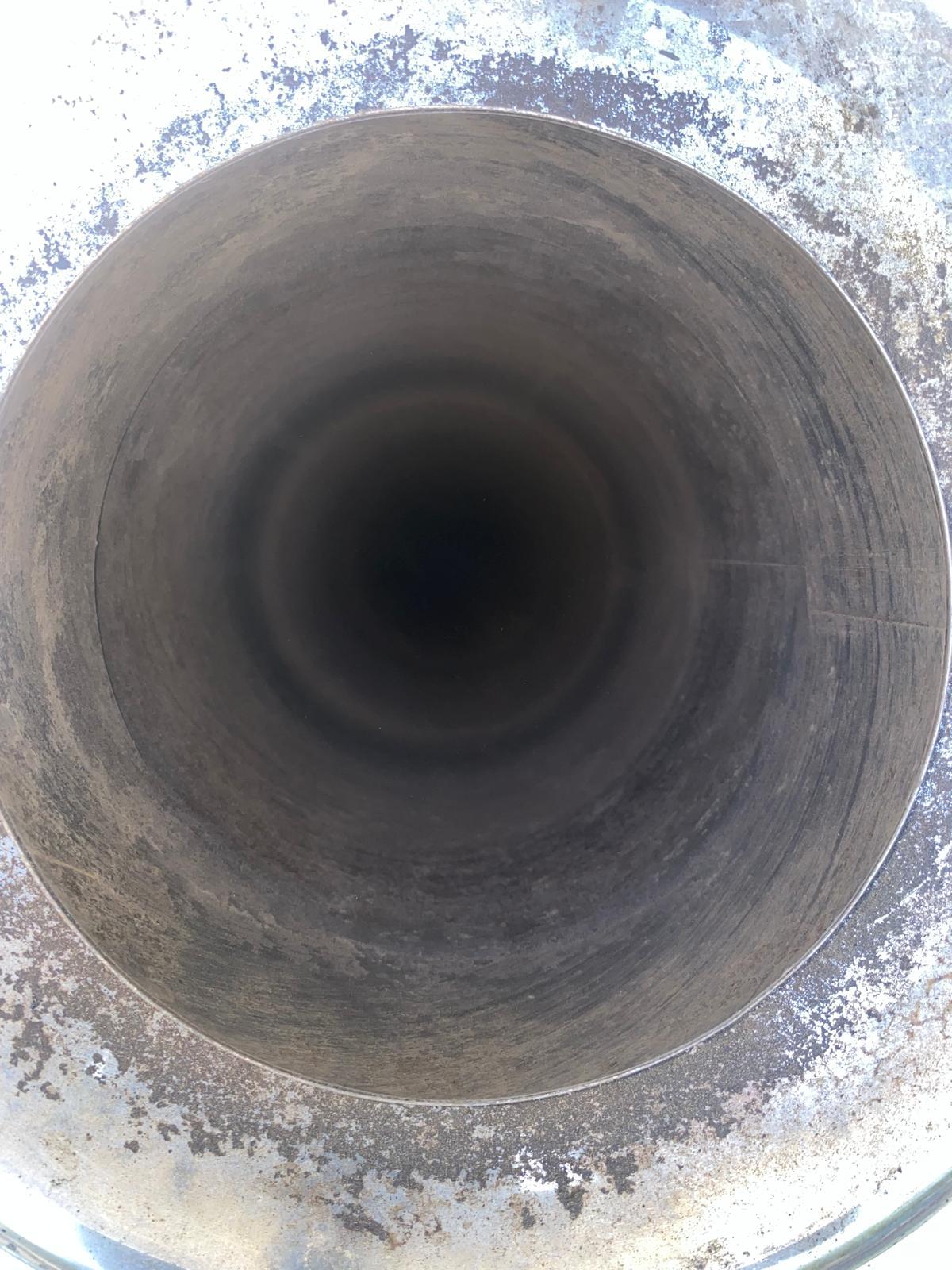
- The flue liner for cracks or blockages using advanced camera systems.
- All visible portions of the chimney, interior, and exterior.
- The chimney’s connection points to the home’s structure.
- The chimney cap and flashing for dislodgement or damage.
After a seismic event, proper assessment is critical, not just in Los Angeles but everywhere. DD Chimney Cleaning also serves homeowners in cities like Houston, where different environmental challenges like hurricanes and extreme weather dictate specialized chimney care. Similarly, Dallas residents rely on professional inspections for issues ranging from severe storms to general wear.
Should damage be detected, we can advise on the necessary steps, ensuring your chimney is safe to use again. This typically involves repairs to the flue liner, mortar, or rebuilding compromised sections.
Long-Term Maintenance for Seismic Resilience
Beyond immediate post-earthquake checks, consistent annual maintenance is your best defense against both daily wear and unexpected seismic events. Regular chimney cleaning removes creosote buildup, which is essential because a creosote-laden flue can ignite easily if a post-earthquake crack allows sparks to escape the liner.
By entrusting your chimney to Los Angeles chimney professionals like DD Chimney Cleaning, you ensure that potential vulnerabilities are identified early, and your system remains free of hazardous obstructions. Think of annual cleaning and inspection as your chimney’s preventative health check-up, vital for both fire safety and structural integrity in a city like ours.
Frequently Asked Questions
Q1: What kind of damage can an earthquake do to my chimney?
A1: Earthquakes can cause various types of damage, including cracks in masonry and flue liners, dislodged bricks, weakened