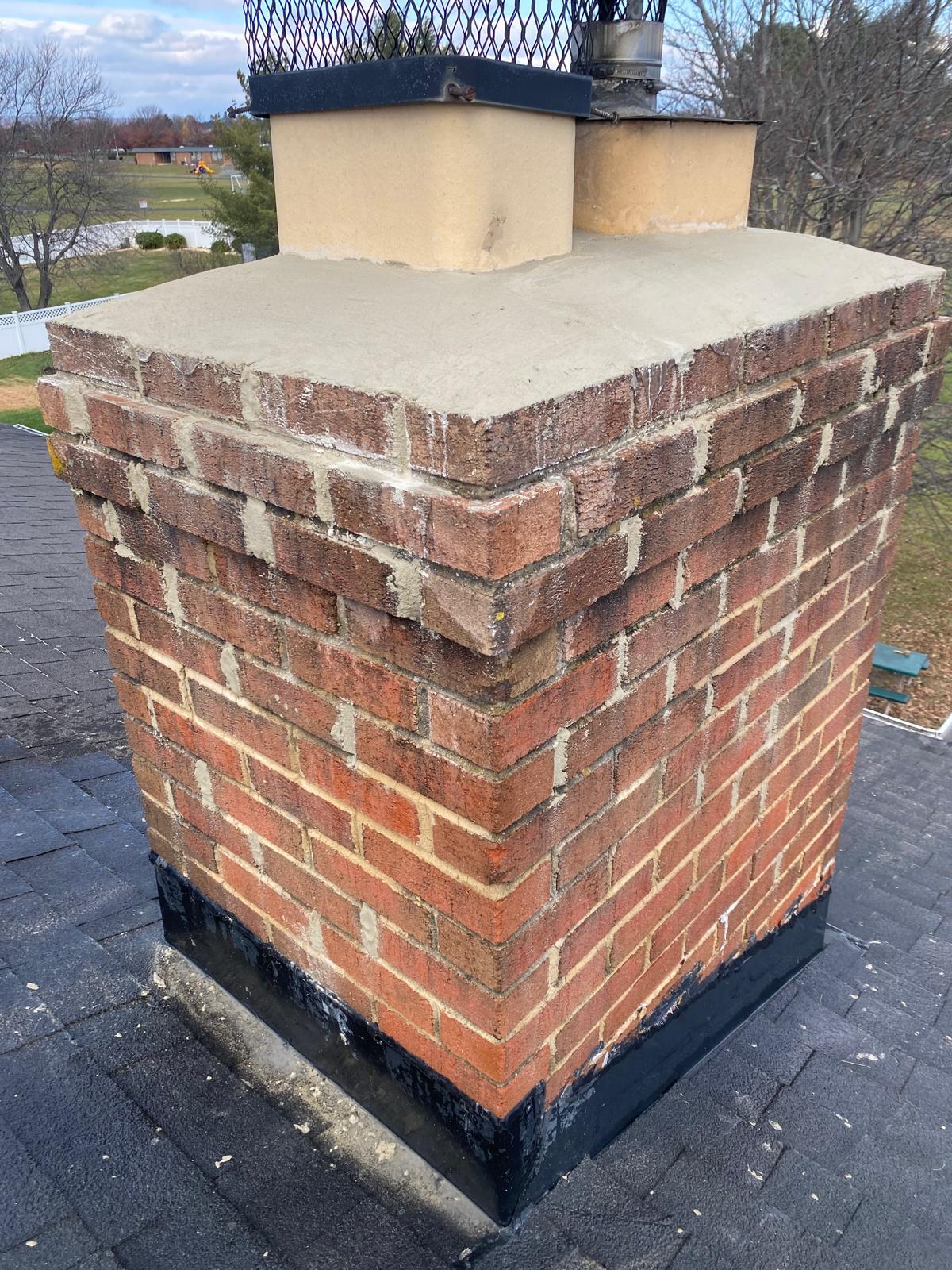
Did you know that overlooked roof and chimney components are a leading cause of costly water damage in homes across the country, often going unnoticed until major repairs are needed? It’s true! From the stormy Gulf Coast to sunny Southern California, homeowners often focus on the big-ticket items, completely forgetting the silent guardians protecting their fireplaces. And in this ultimate guide, we’re going to shine a spotlight on one such unsung hero: the chimney chase cover, often found quietly doing its job atop chimneys in places like Houston, battling torrential downpours and humid conditions, much like our friends over at DD Chimney Cleaning in Houston understand firsthand.
While DD Chimney Cleaning proudly serves the vibrant communities of Los Angeles, California, we believe in sharing expert knowledge that applies universally. Chimney health is paramount everywhere, and the lessons learned from one climate can often prevent disaster in another. So, let’s peel back the curtain on this vital component.
What on Earth is a Chimney Chase Cover?
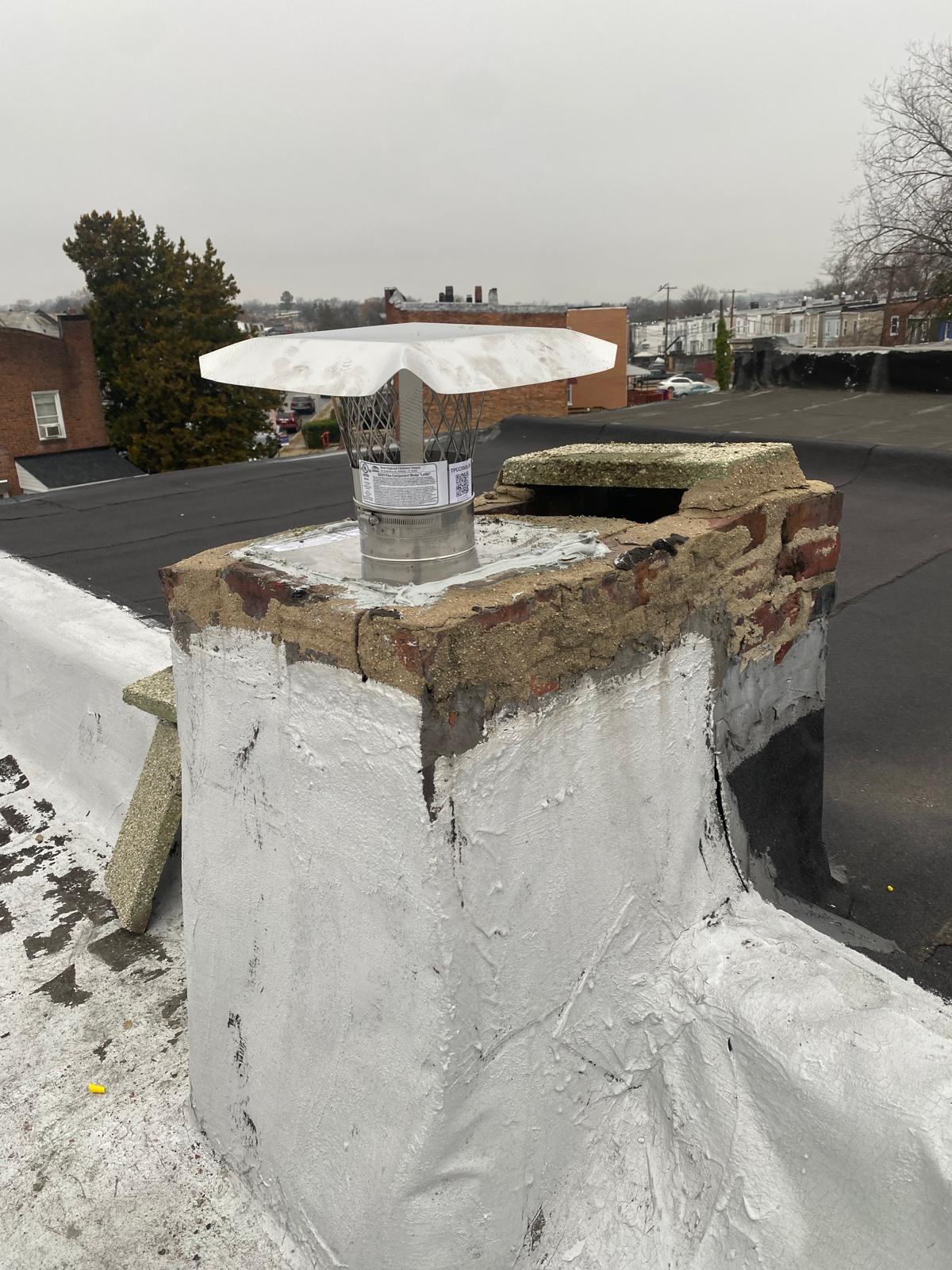
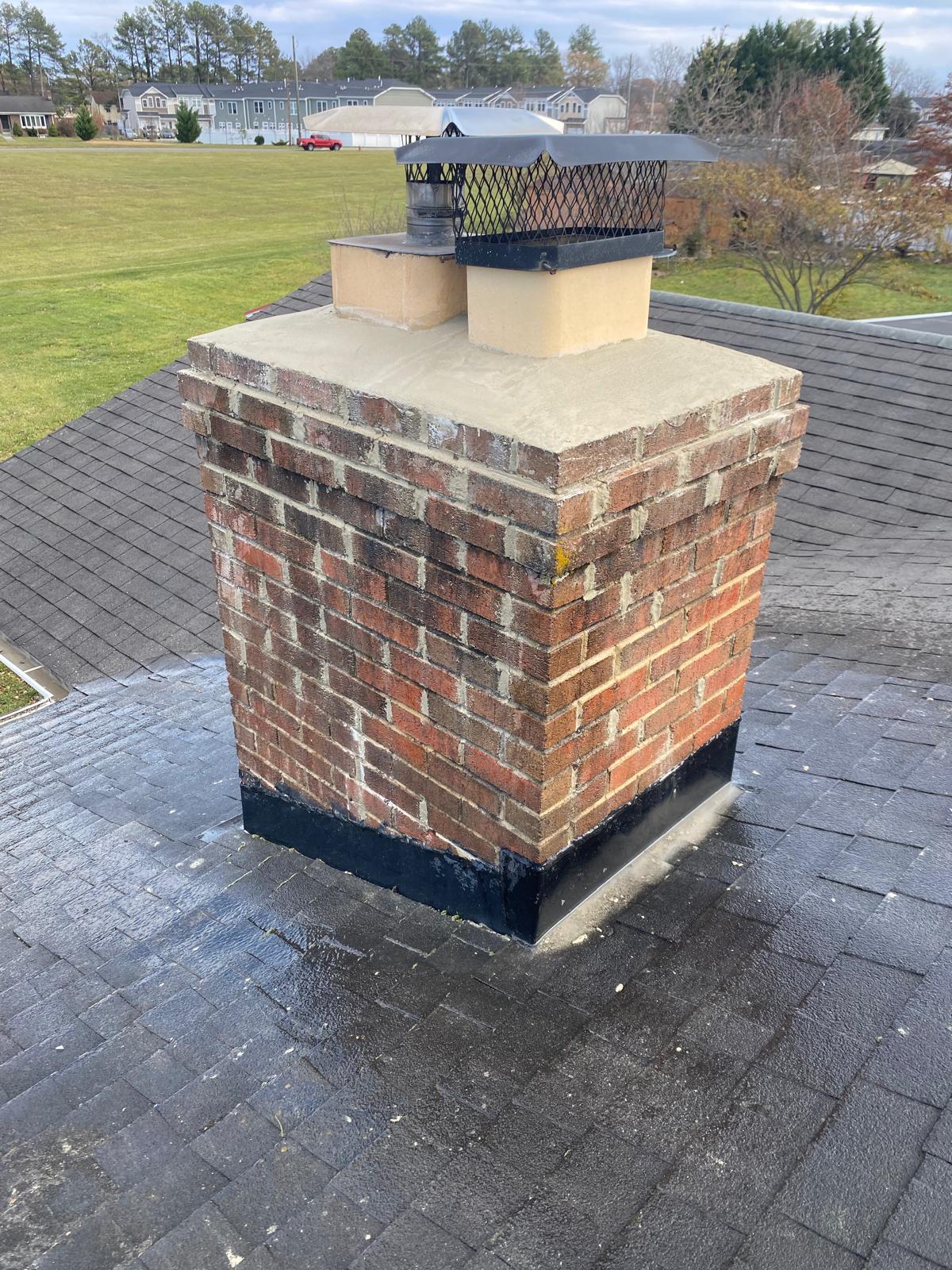
Imagine your chimney as a sturdy fortress, protecting your home from the elements and containing the fire within. The chimney chase cover is its crown, a custom-fitted metal cap that sits snugly over the top of a wood-framed chimney chase (the structure enclosing your flue). Unlike a chimney cap, which typically covers just the flue opening, the chase cover extends over the entire top perimeter of the chimney chase, like a perfectly tailored hat.
Most commonly found on prefabricated or “zero-clearance” chimneys, these covers are designed to channel rainwater and snowmelt away from the chimney structure and down its sides. Think of it as your chimney’s first line of defense against Mother Nature’s relentless onslaught. They’re usually made from galvanized steel, stainless steel, or copper, with stainless steel and copper being the superstars for their durability and rust resistance. Without one, or with a damaged one, your chimney chase is essentially an open invitation for water, debris, and unwelcome critters to move in.
The Mighty Mission: Why Chase Covers Are Crucial
The job of a chimney chase cover is simple yet profoundly important: keep water out. Why is this such a big deal? Because water is the ultimate saboteur when it comes to chimney integrity and overall home health. Here’s a quick rundown of why this metal marvel is non-negotiable:
Preventing Water Damage
- Structural Integrity: Water seeping into the chase can rot the wooden framework, degrade insulation, and damage the flue liner itself. This weakens the entire chimney structure.
- Interior Damage: Leaks can manifest as unsightly water stains on your ceiling, walls, or inside your firebox, leading to expensive plaster or drywall repairs.
- Mold and Mildew: Damp environments are breeding grounds for mold and mildew, which can pose serious health risks and diminish your home’s air quality.
Protecting from Critters and Debris
- Animal Invasion: A damaged or missing chase cover is an open door for birds, raccoons, squirrels, and other pests seeking shelter. These unwanted guests can build nests, block the flue, and even make their way into your home.
- Debris Blockage: Leaves, twigs, and other natural debris can fall into the chase, leading to blockages that impair chimney drafting and pose fire hazards.
In short, a functional chase cover is indispensable for maintaining a safe, efficient, and healthy fireplace system, whether you’re dealing with the heavy rains of the Pacific Northwest or the occasional, but impactful, winter storms that sweep through Los Angeles.
Signs Your Unsung Hero Might Be Struggling
Even heroes need a little TLC. Chimney chase covers, especially older galvanized steel models, are prone to wear and tear. Keep an eye out for these tell-tale signs:
Rust Stains Galore
If you see rust streaks running down the sides of your chimney or even staining your roof, it’s a huge red flag. This indicates the galvanized steel coating has worn off, and the chase cover is actively rusting, which compromises its ability to repel water. This is particularly common in humid climates, but can happen anywhere over time.
Pitting or Holes
Over years of exposure to rain, sun, and temperature fluctuations, the metal can degrade, leading to small pits or even visible holes. These are direct entry points for water.
Pooling Water on Top
A properly installed chase cover should have a slight crown or slope to shed water effectively. If water is pooling on top, it could indicate improper installation or warping, allowing water to sit and eventually seep in.
Interior Water Stains
The most obvious, and often most distressing, sign. If you notice water stains on your fireplace walls, ceiling, or within the firebox, it’s a clear indication that water is getting in, and the chase cover is a prime suspect. This also means you need professional chimney cleaning to address any moisture-related buildup or blockages.
Ensuring Longevity: The DD Chimney Cleaning Way
The good news? Maintaining your chimney chase cover is straightforward when you partner with the right professionals. While we’re based in Los Angeles, DD Chimney Cleaning understands that preventive care is the same for chimneys everywhere. Just as homeowners in DD Chimney Cleaning in New York’s service areas need protection from harsh winters, and those where DD Chimney Cleaning in Chicago operates battle blustery winds, Angelenos need their chimneys ready for occasional rains and regular use.
During a comprehensive annual chimney inspection, DD Chimney Cleaning technicians will meticulously check your chase cover for any signs of damage, rust, or improper fit. If issues are found, we can advise on the best course of action, whether it’s minor repair or replacement with a more durable material like stainless steel. This proactive approach saves you money