One of the biggest blunders homeowners make when facing the brutal chill of winter, especially in a city like Detroit, is waiting until the last minute to think about their chimney. It’s a common scenario: crisp air arrives, you crave that first cozy fire, only to realize your chimney might not be ready for the icy onslaught. This oversight can lead to severe, costly damage that a little foresight could have easily prevented. Given Detroit’s specific climate challenges, a proactive approach to chimney winterization isn’t just a good idea – it’s essential for safety and structural integrity.
Here at DD Chimney Cleaning, while we bring our top-tier services to Los Angeles homes, we understand the critical importance of chimney health across diverse climates. Our expertise helps us recognize the unique needs of different regions. That’s why we’ve put together this ultimate guide for Detroit homeowners to navigate the complexities of winter chimney care.
Understanding Detroit’s Winter Chimney Challenges
Detroit winters are no joke. Characterized by freezing temperatures, heavy snowfall, and the relentless freeze-thaw cycles, these conditions pose specific threats to your chimney. Imagine ice expanding in tiny cracks, widening them over time until bricks start to spall (flake or peel). Or consider the heavy accumulation of snow and ice on your chimney crown, potentially leading to cracks and moisture infiltration. Lake Effect snow often adds to the burden, making diligent chimney care paramount for residences from Corktown to Grosse Pointe. Failing to address these issues can lead to significant structural damage, dangerous creosote buildup, and even compromise indoor air quality.
Your First Defense: A Thorough Chimney Cleaning and Inspection
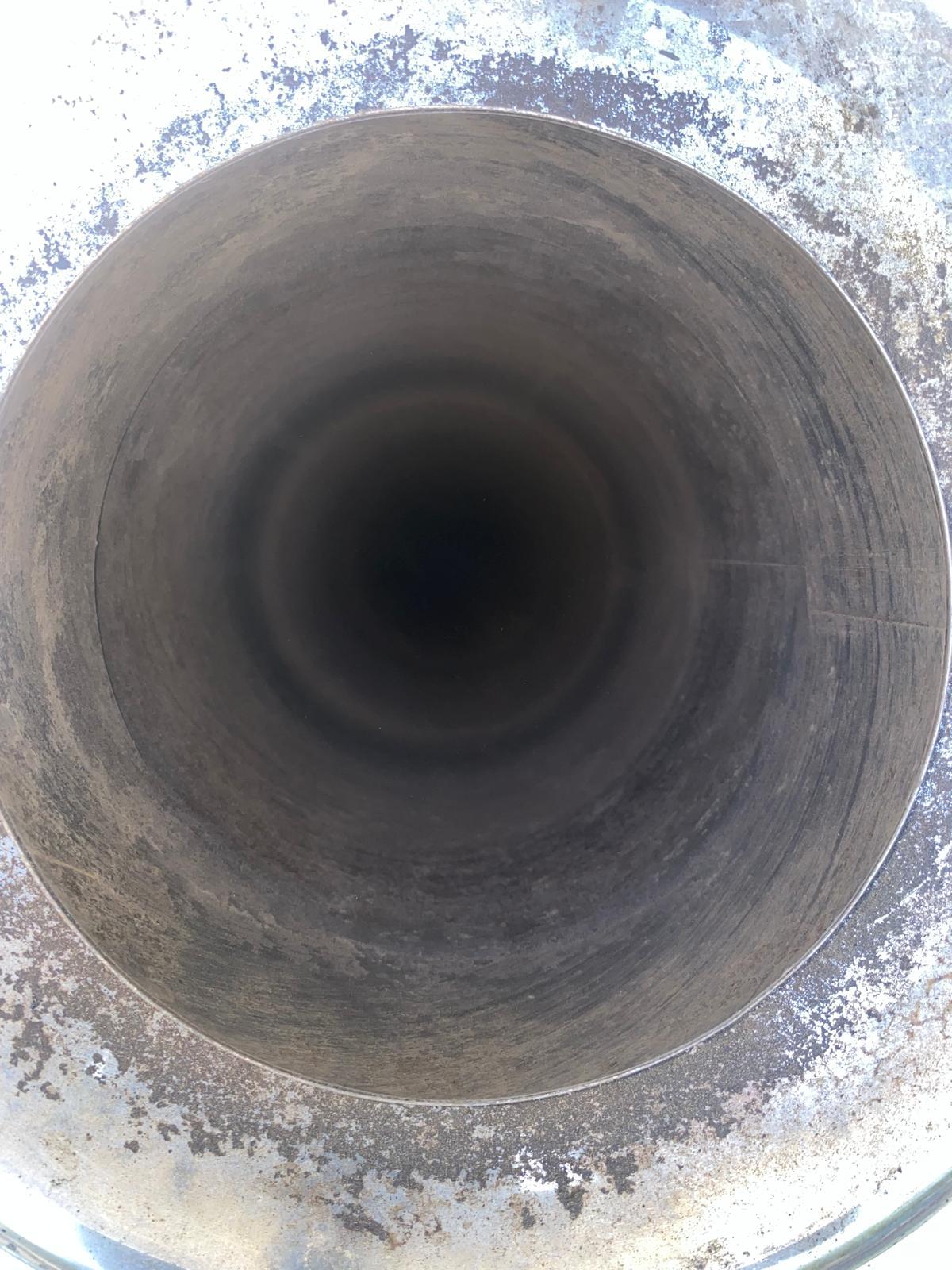
Before winter truly descends, the most fundamental step is a professional chimney cleaning and inspection. We often discuss the importance of this for properties in different cities, from ensuring clear flues in DD Chimney Cleaning in Detroit (information on our site, of course) to preparing for the colder climes elsewhere. A certified sweep will remove dangerous creosote, soot, and any blockages like bird nests, ensuring a clear and safe passage for smoke and gases. But it’s more than just cleanliness; the inspection process is crucial.
During an inspection, a professional evaluates the entire chimney structure, inside and out. They’re looking for early signs of wear, hairline cracks, deteriorated mortar joints, or any issues with the flue liner. Approximately 25,000 chimney fires occur annually in the U.S., many preventable with regular cleaning and inspections. Catching these problems before winter sets in allows for timely repairs, preventing minor issues from escalating into major disasters when ice and snow apply pressure.
Protecting Against Moisture Intrusion: Caps, Crowns, and Flashing
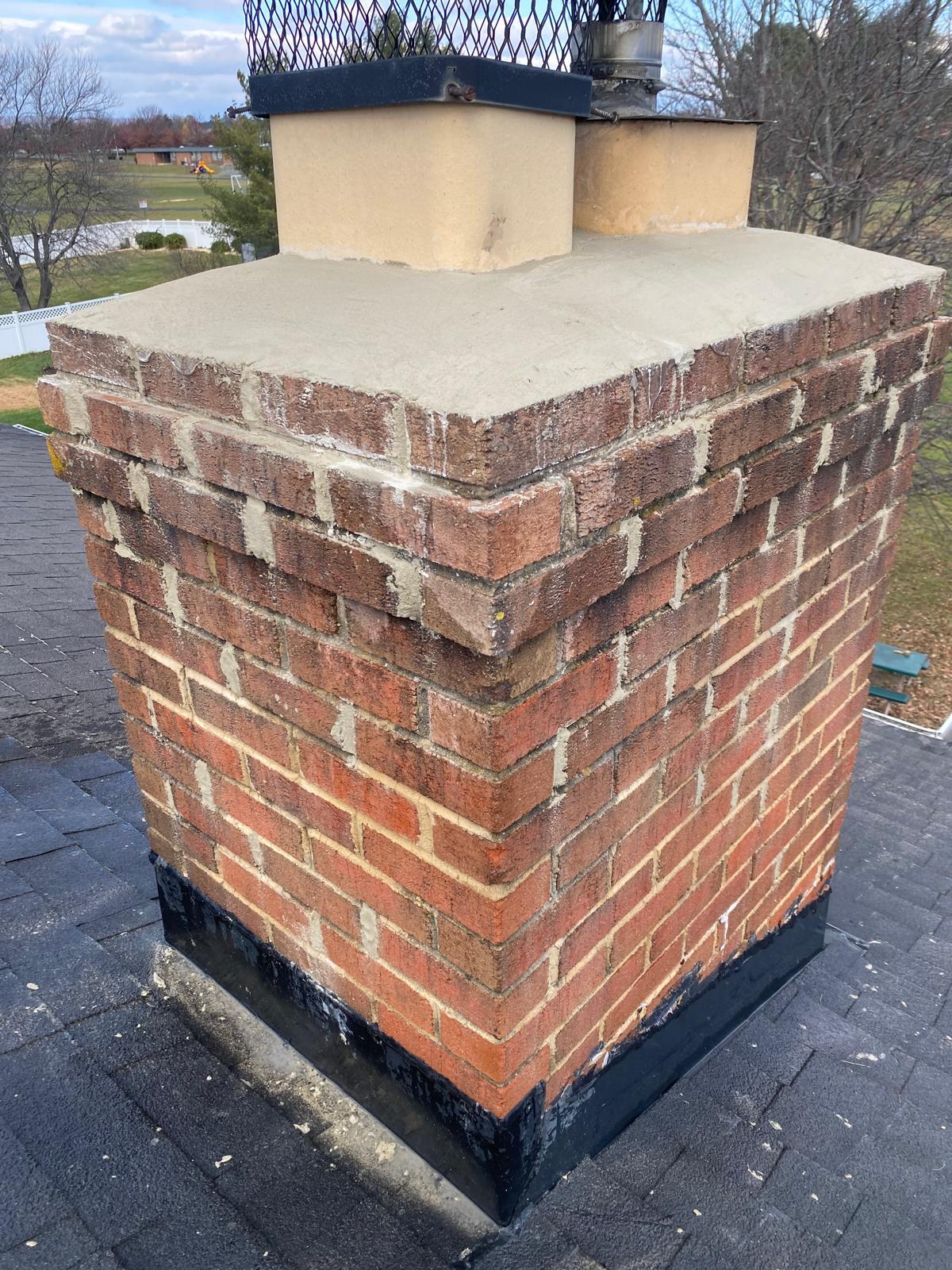
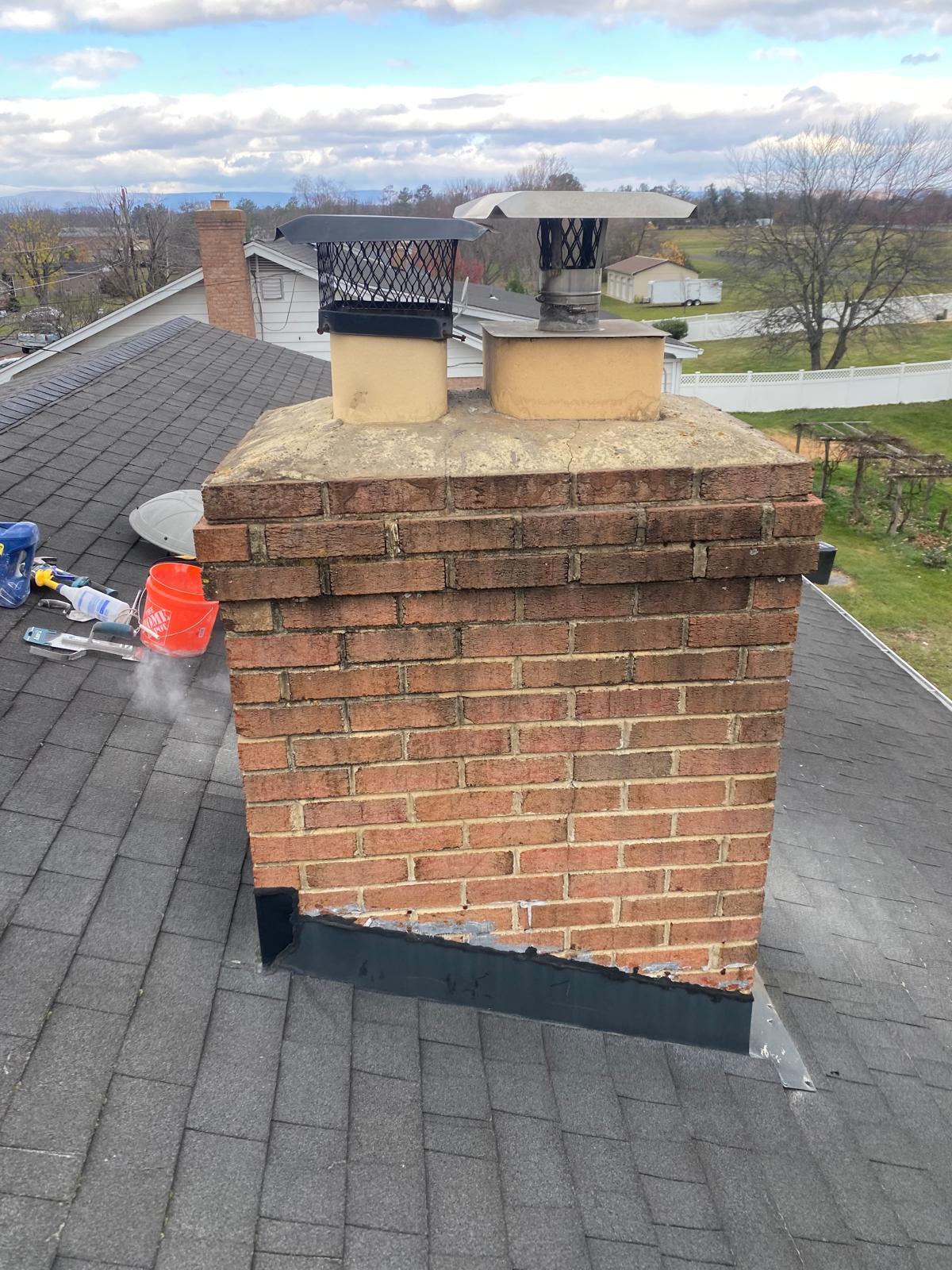
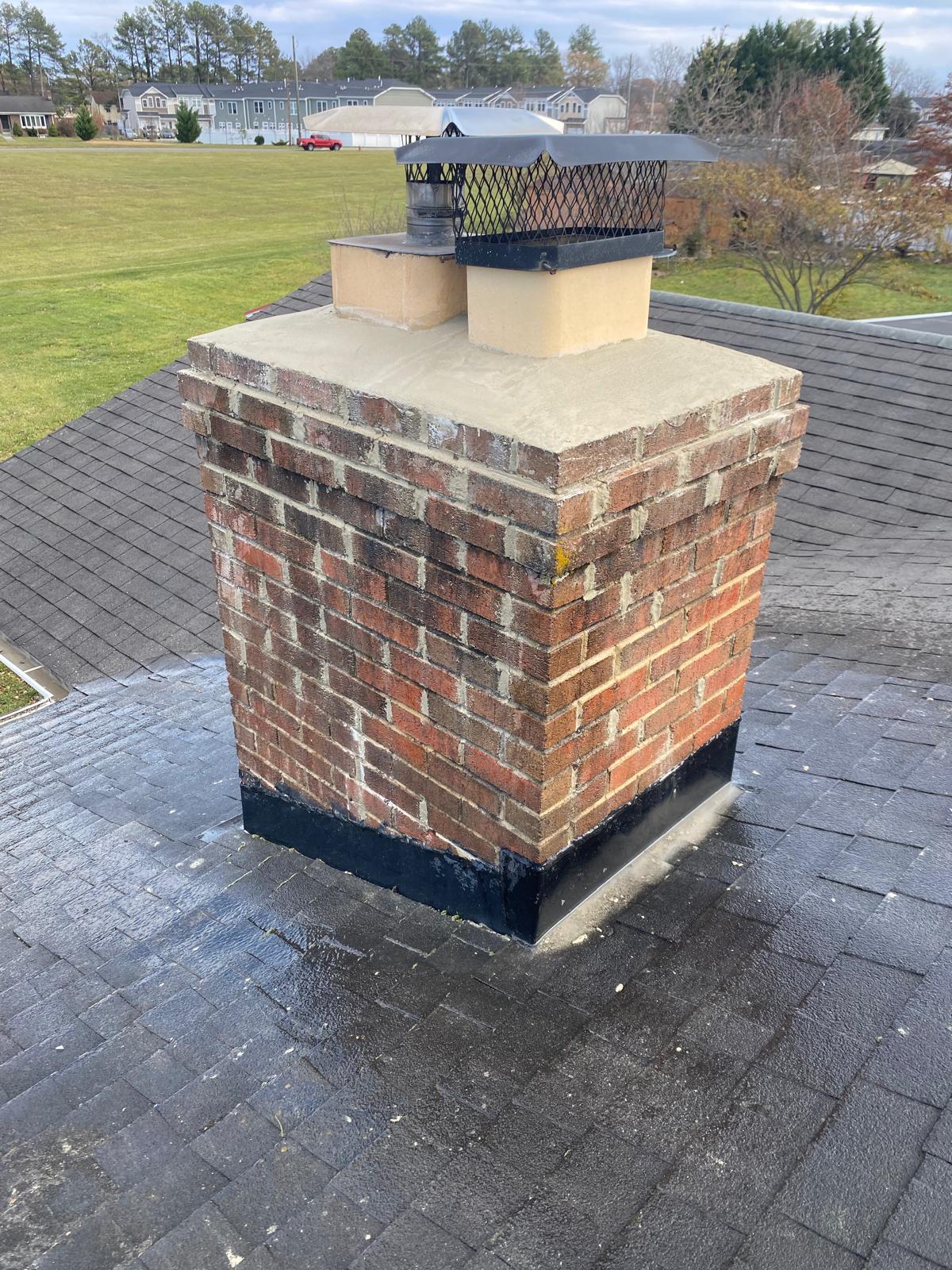
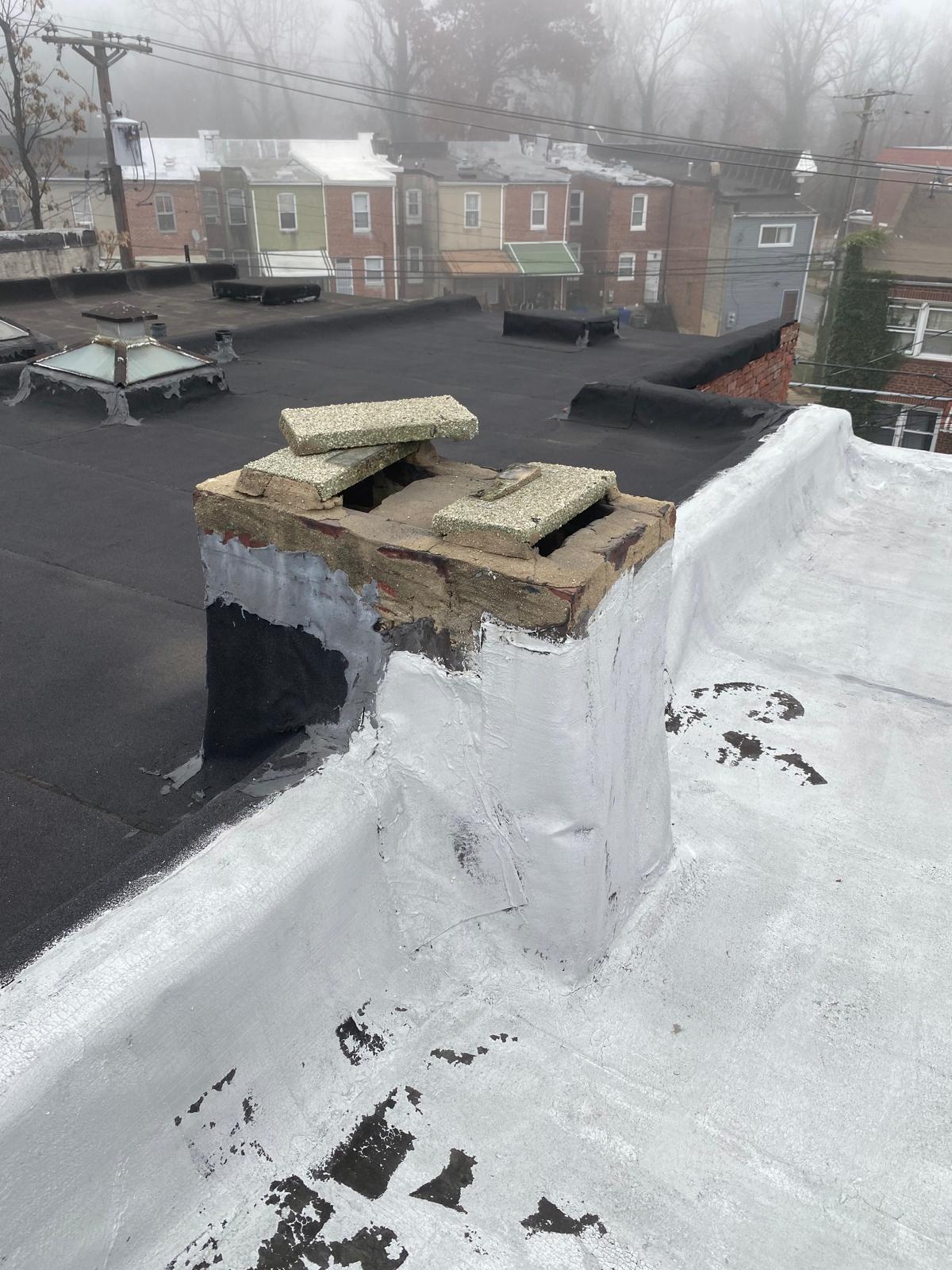
Water is the chimney’s biggest enemy, especially in a freezing environment. Your chimney cap and crown are the first lines of defense against precipitation. A damaged or missing chimney cap leaves your flue vulnerable to snow, ice, and debris. Likewise, a cracked chimney crown – the concrete slab on top of your chimney – allows water to seep directly into the chimney’s structure. This can lead to interior damage, rot, and even compromise the fireplace itself.
- Inspect and Repair Chimney Caps: Ensure your cap is securely fastened and free of rust or holes. Consider one with mesh sides to keep animals out.
- Maintain the Chimney Crown: Look for any cracks. Even small ones can allow water to penetrate and freeze, causing wider damage over time. Minor cracks can often be sealed with a waterproofing sealant specifically designed for crowns.
- Check Flashing: This metal sheeting forms a watertight seal where your chimney meets the roof. Compromised flashing can lead to leaks, damaging both your roof and interior ceilings. Ensure it’s tightly sealed and free of rust or tears. In areas like Detroit that experience significant freeze-thaw cycles, proper flashing maintenance is critical for preventing costly water damage.
Addressing Masonry Damage: Spalling Bricks and Mortar Joints
The constant expansion and contraction of ice within masonry can cause bricks to spall and mortar joints to deteriorate. This isn’t just an aesthetic problem; it compromises the structural integrity of your chimney. Once water gets into the masonry, it accelerates this decay, especially in historic Detroit homes where chimneys may have seen decades of winters.
If spalling or deteriorated mortar is present, consult a professional immediately. Repointing (replacing old, damaged mortar) can restore the chimney’s strength and seal out moisture. Applying a high-quality waterproofing agent specifically designed for masonry can also provide an additional layer of protection, allowing the chimney to breathe while repelling water. This is a crucial step for preventing significant repairs down the line, much like how proper care keeps structures sound in DD Chimney Cleaning in New York’s variable weather.
Consider a Professional Waterproofing Treatment
Beyond individual repairs, a full professional waterproofing treatment can be incredibly beneficial for Detroit chimneys. Unlike paint, these treatments penetrate the masonry, forming a breathable, water-repellent barrier that doesn’t trap moisture inside. This significantly reduces the chances of water absorption, mitigating the risks of freeze-thaw damage, efflorescence (white mineral deposits), and internal structural deterioration. It’s a long-term investment that pays off by extending your chimney’s lifespan and reducing repair costs.
When seeking chimney care, it’s vital to rely on experts who understand these complex systems. While DD Chimney Cleaning proudly serves the Los Angeles area, offering unparalleled cleaning services for our community, our knowledge base extends to chimney challenges nationwide. If you have concerns about creosote, soot, or blockages, feel free to reach out to us at (833) 339-6803 for general advice or to schedule a service if you’re in our sunny California service zone. Understanding these universal principles of chimney maintenance is key, whether you’re facing Chicago’s cold DD Chimney Cleaning in Chicago needs, or a mild LA winter.
FAQ: Detroit Chimney Winterization
Got more questions about prepping your chimney for Detroit’s winter? Here are some common inquiries:
- Q: How often should I have my Detroit chimney inspected before winter?
A: At least once a year, preferably in late summer or early fall, before heating season begins. This allows ample time for any necessary repairs before the really cold weather hits. - Q: What are the tell-tale signs of ice damage on a chimney?
A: Look for spalling bricks (flaking, crumbling masonry), deteriorating mortar joints, visible cracks in the chimney crown, or water stains on your interior walls or ceiling near the fireplace. - Q: Can I use my fireplace if my chimney cap is missing?
A: It’s strongly advised not to. A missing cap allows precipitation, animals, and debris into your flue, creating potential blockages and fire hazards. Replace it before use. - Q: Is DIY waterproofing effective for chimneys?
A: While some DIY products exist, for best and most lasting results, professional waterproofing by experienced masons is recommended. They use specialized commercial-grade products and ensure proper application. - Q: Will cleaning my chimney prevent ice damage?
A: Directly, no. Cleaning primarily removes combustible creosote and blockages. However, an inspection done during cleaning will identify structural issues that *could* lead to ice damage, allowing for proactive repairs. - Q: What role does my flue liner play in winterization?
A: A damaged flue liner can be extremely dangerous, allowing heat and gases to escape into your home or ignite nearby combustibles. During an inspection, any cracks or deterioration in the liner will be noted and repairs recommended before winter use.
While the biting winds and heavy snow of a Detroit winter can be formidable, your chimney doesn’t have to fall victim to the elements. By taking proactive steps like regular cleaning, thorough inspections, and addressing potential vulnerabilities, you can ensure your fireplace remains a safe, warm focal point throughout the season. Remember, early prevention is always less expensive and less stressful than emergency repairs. For all your chimney cleaning needs in Los Angeles and expert advice on maintaining a safe, efficient chimney system, trust DD Chimney Cleaning. We’re here to help keep your hearth safe and sound. Call us today at (833) 339-6803!