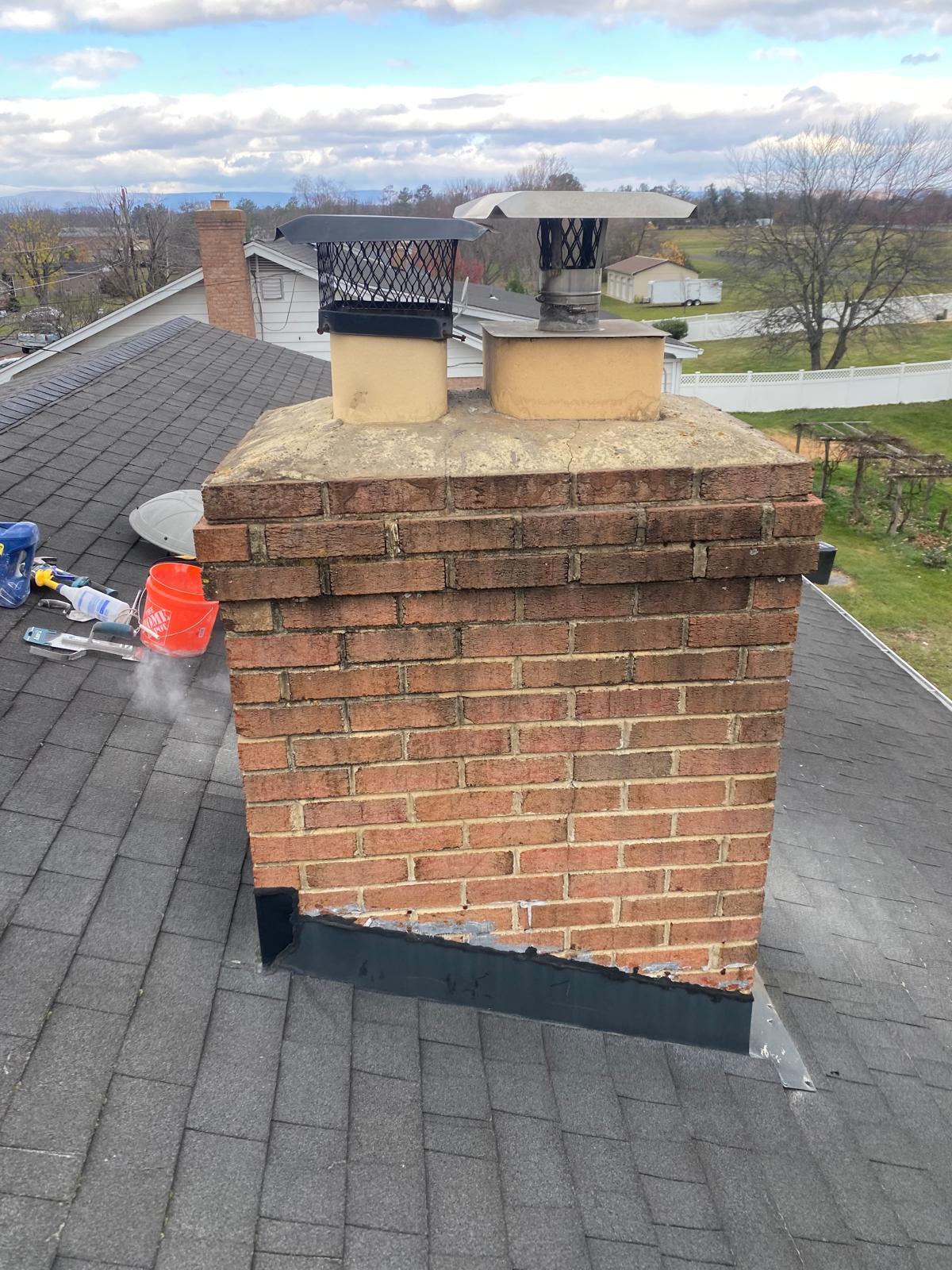
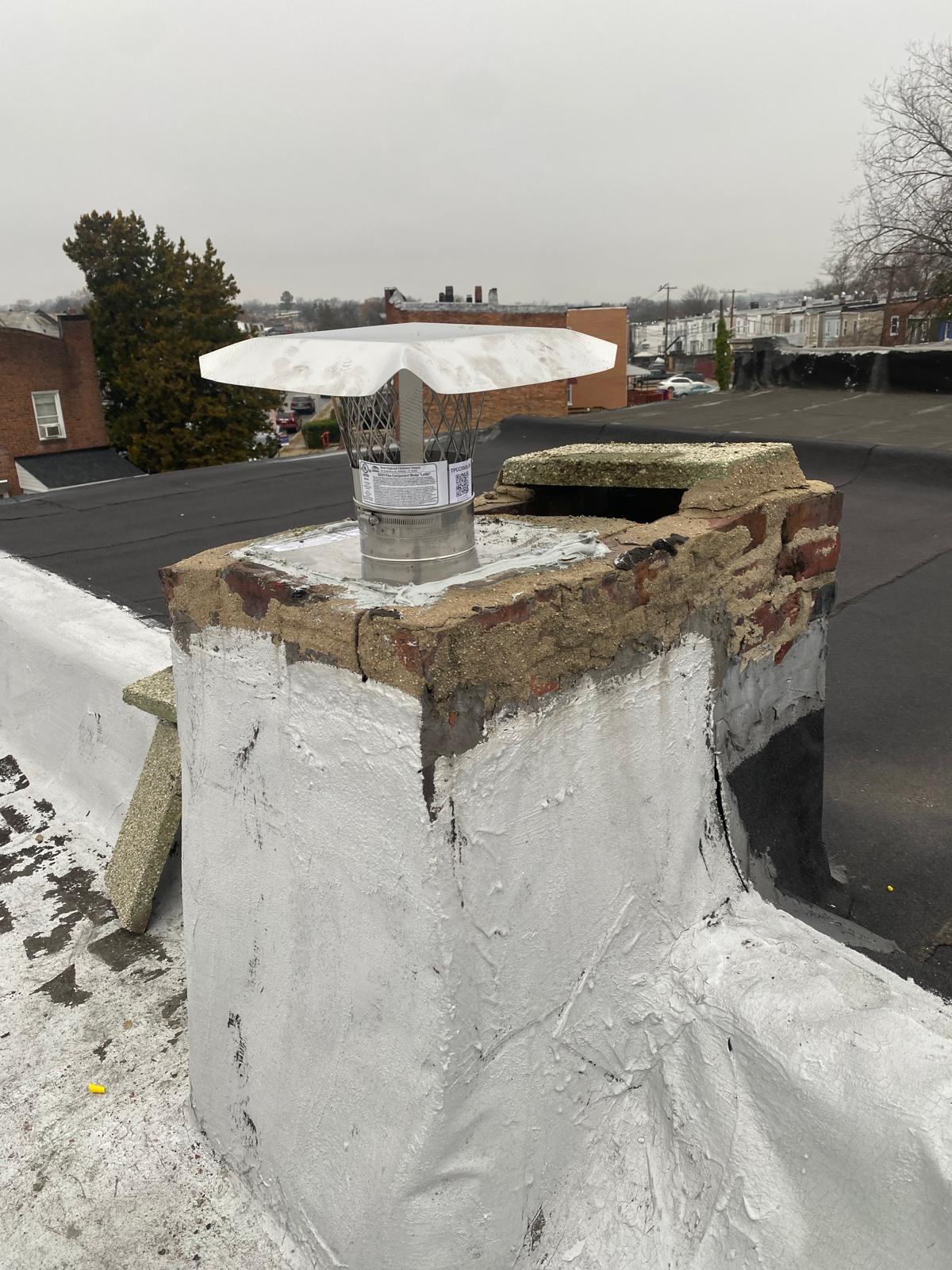
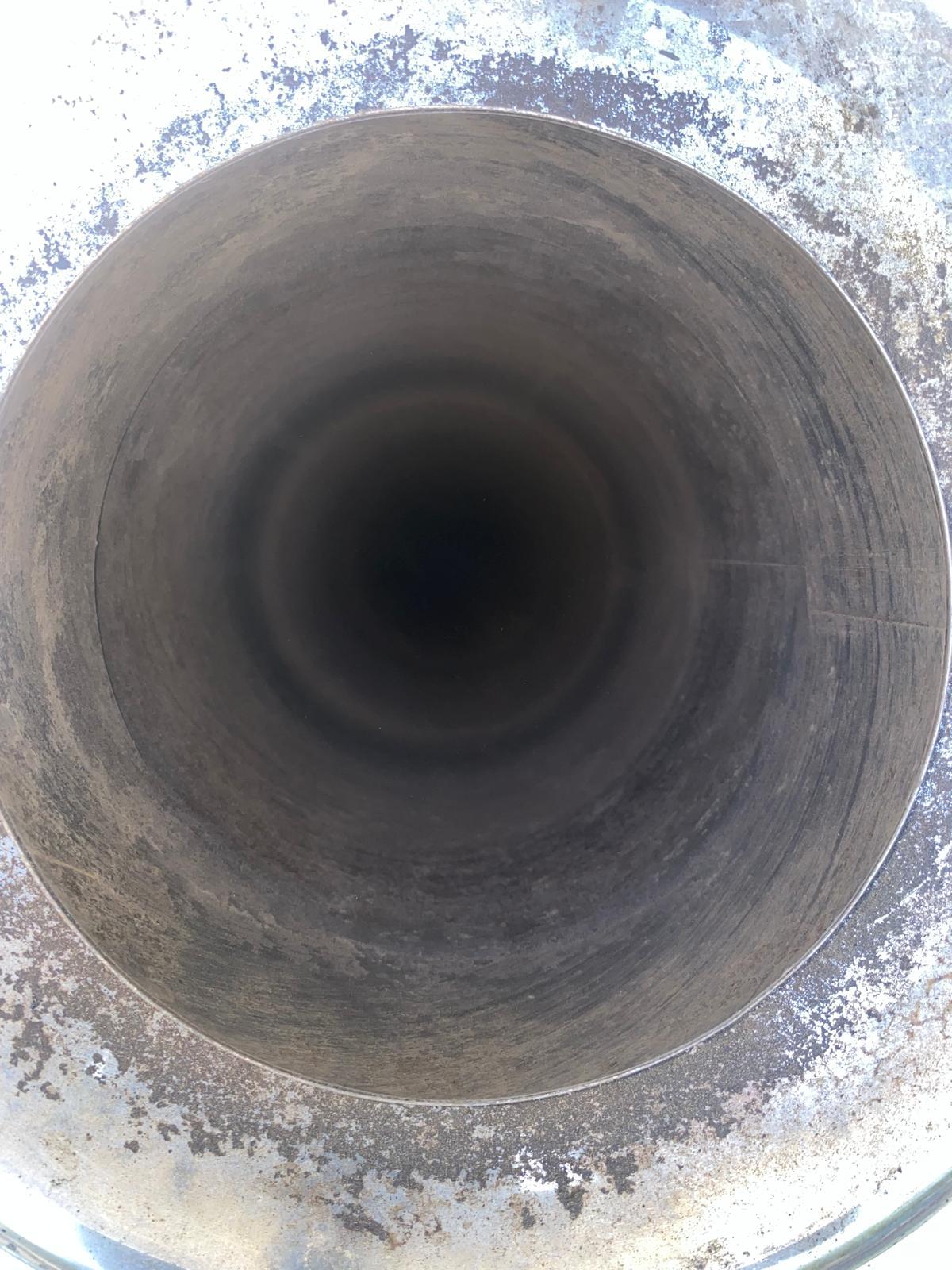
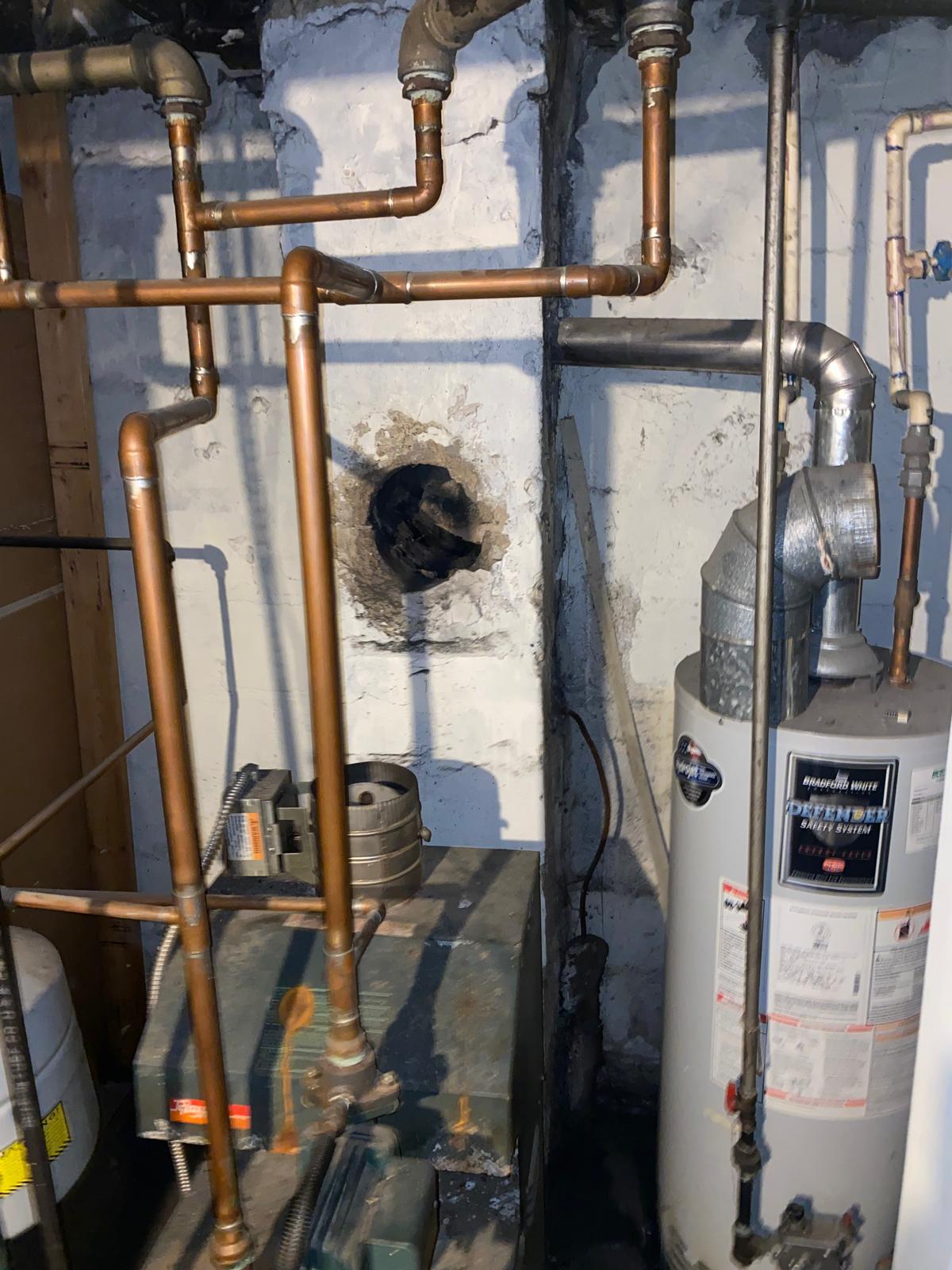
Picture this: It’s a beautiful, crisp evening in Santa Monica, and you’re cozying up by the fireplace in your charming Los Angeles home. But lately, you’ve noticed a faint, persistent odor indoors, perhaps a dusty film accumulating faster than usual, or even a slight irritation in your throat. You might blame the infamous L.A. smog or even your pets, but what if the culprit is something much closer to home? Something you might not even think about until it becomes an undeniable problem? Your chimney.
For many homeowners across Los Angeles, from the hills of Silver Lake to the valleys of Pasadena, the chimney is often an out-of-sight, out-of-mind fixture. Yet, it plays a critical, often overlooked, role in your home’s indoor air quality. Think of it like this: just as you prepare for earthquake season, you should also be prepared for maintaining your home’s air quality, and your chimney is a key component.
Understanding the Silent Threat in Your Flue
Your chimney isn’t just a fancy exhaust pipe; it’s a vital ventilation system designed to safely channel smoke, soot, and dangerous gases out of your home. When you enjoy a crackling fire, these combustion byproducts are pulled upwards and away. However, over time, a substance called creosote builds up on the inner walls of your flue. Creosote is a highly flammable, tar-like residue that can restrict airflow and become a serious fire hazard. More importantly for our discussion today, it can also significantly compromise your indoor air.
Even when your fireplace isn’t in use, a dirty chimney can harbor unpleasant odors that drift into your living space, especially on humid days or during strong winds. These odors are typically caused by accumulated creosote, soot, and even decaying animal matter or mold growth within the flue. This isn’t just an annoyance; these particles and fumes contribute to what’s known as particulate matter (PM2.5) in your indoor air, which can be detrimental to respiratory health.
The Direct Link: How a Dirty Chimney Pollutes Your Home
Creosote & Soot: Invisible Irritants
When creosote and soot build up, they don’t just sit there silently. They emit volatile organic compounds (VOCs) and fine particulate matter. Imagine breathing in the city’s air pollution, but amplified indoors. Studies show that indoor air can often be two to five times more polluted than outdoor air, and an unmaintained chimney can be a significant contributor. These particles can exacerbate asthma, allergies, and other respiratory conditions, especially for children and the elderly, whose lungs are more sensitive. DD Chimney Cleaning understands these risks and prioritizes thorough removal to protect your household.
Downdrafts & Smoke Spillage: When Things Go Wrong
A properly functioning chimney creates a natural draft, pulling smoke upwards. But if your chimney is clogged with creosote, blocked by debris, or has structural issues,