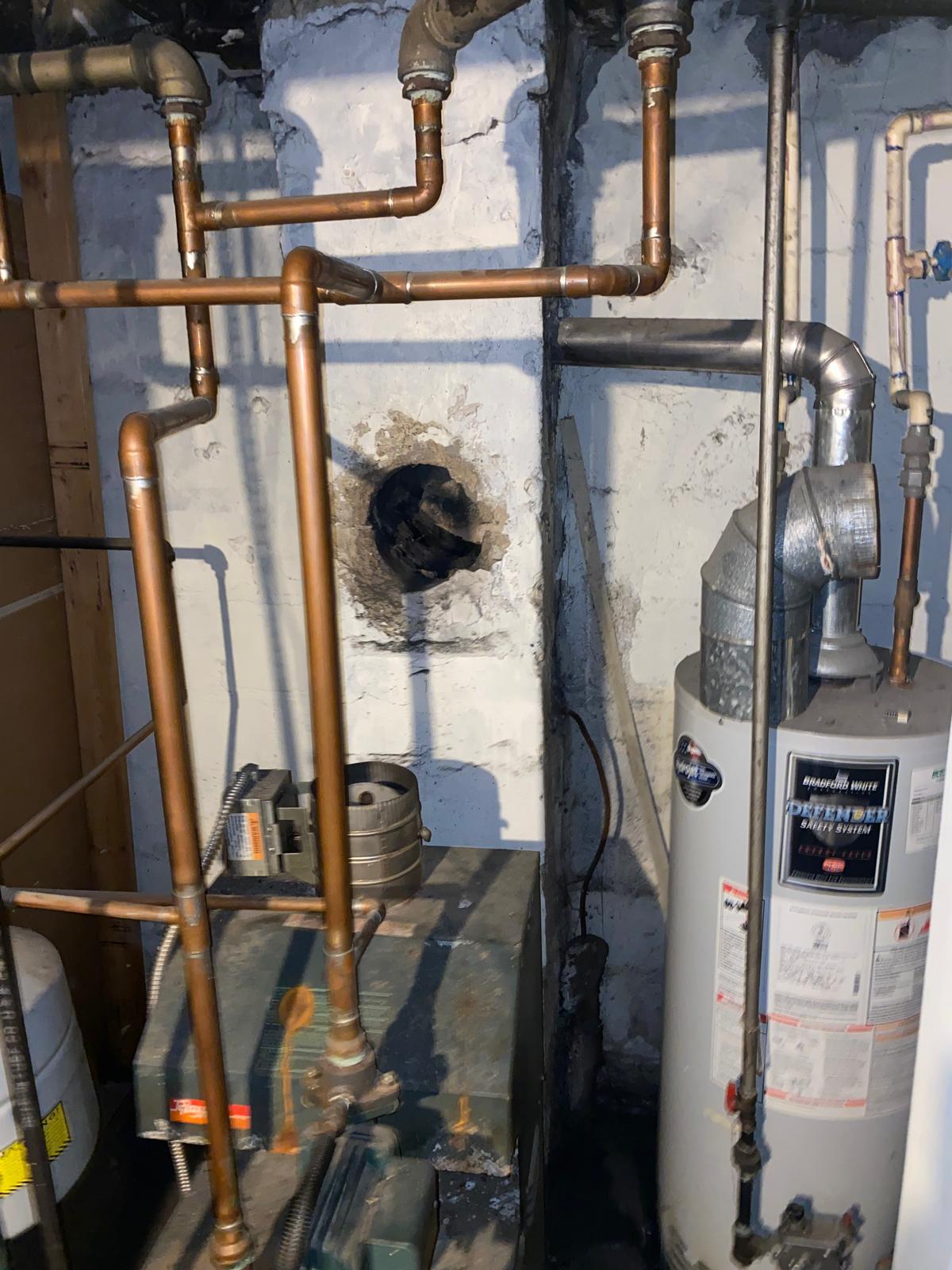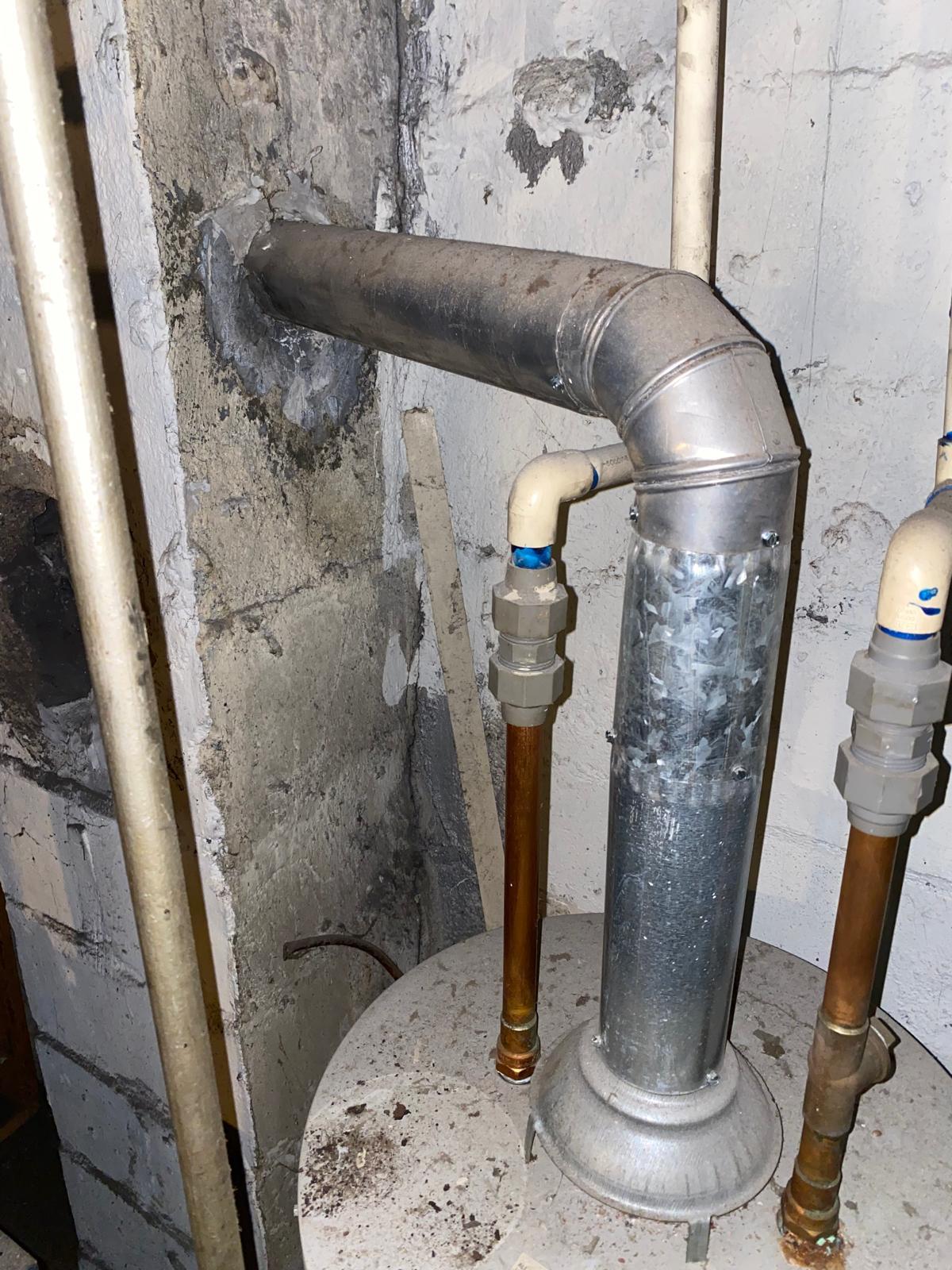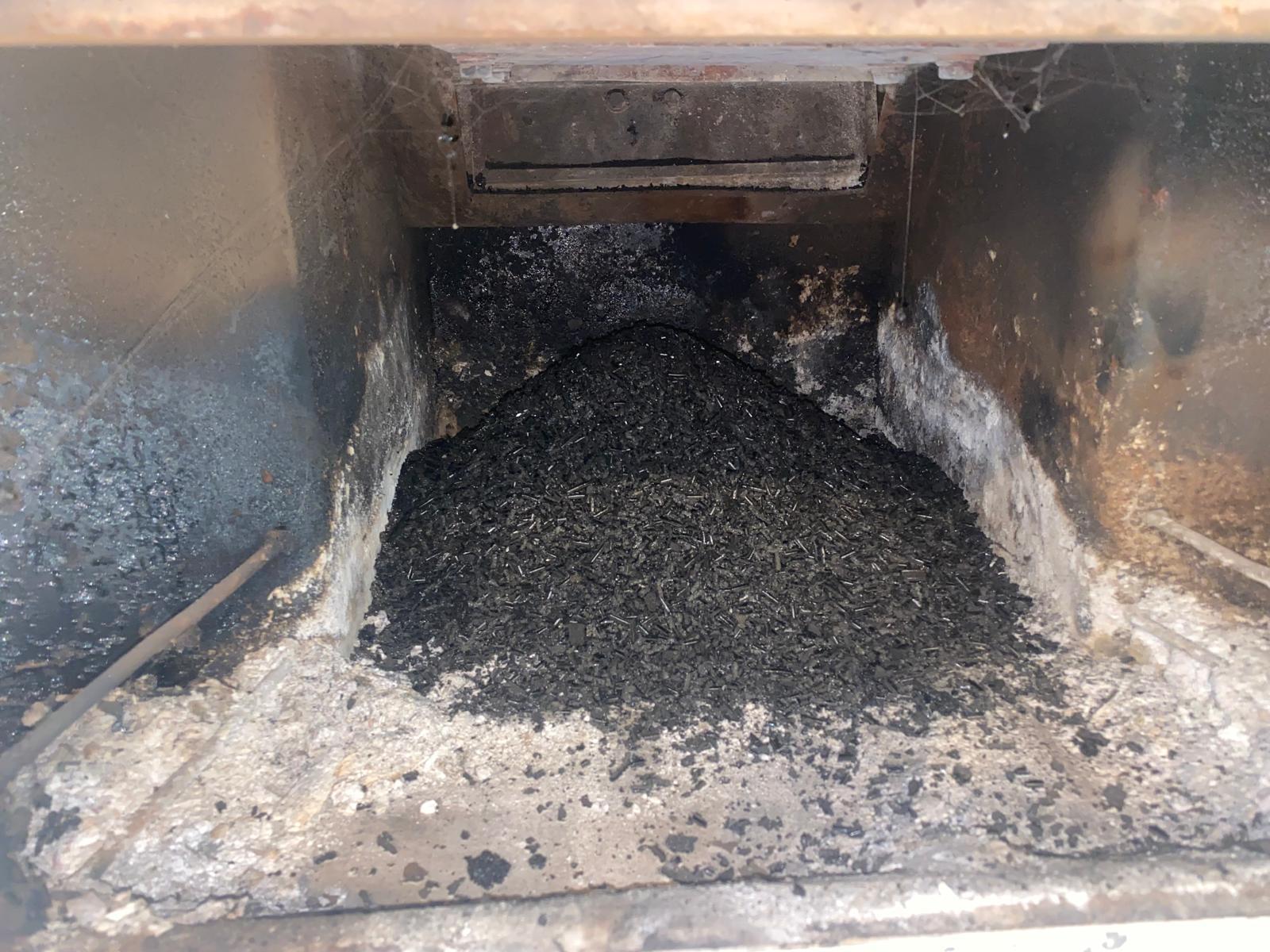
The cold snap hit Houston unexpectedly hard last December. Sarah, a homeowner in The Heights, had cozily used her fireplace throughout the holidays. Then, a few weeks later, a faint smoky odor led to a terrifying discovery: a crack in her flue liner, allowing smoke and creosote to escape into the wall. Damage wasn’t extensive, but the cost to repair the chimney and a small section of drywall was. When she filed an insurance claim, she was met with questions about her chimney’s maintenance history. Lacking recent professional inspection records, Sarah faced significant pushback. Her story isn’t unique; insufficient chimney upkeep can complicate or even invalidate home insurance claims, leaving homeowners in a financially precarious position.
For homeowners in bustling areas like Houston, preserving your property’s value goes beyond curb appeal. It extends to understanding how routine maintenance of key home components, specifically your chimney, directly impacts your financial safety net: your home insurance policy. This isn’t about scare tactics; it’s about providing straightforward, no-nonsense information to protect your investment.
Seasonal Tip 1: Pre-Winter Preparations – Autumn Chimney Checks
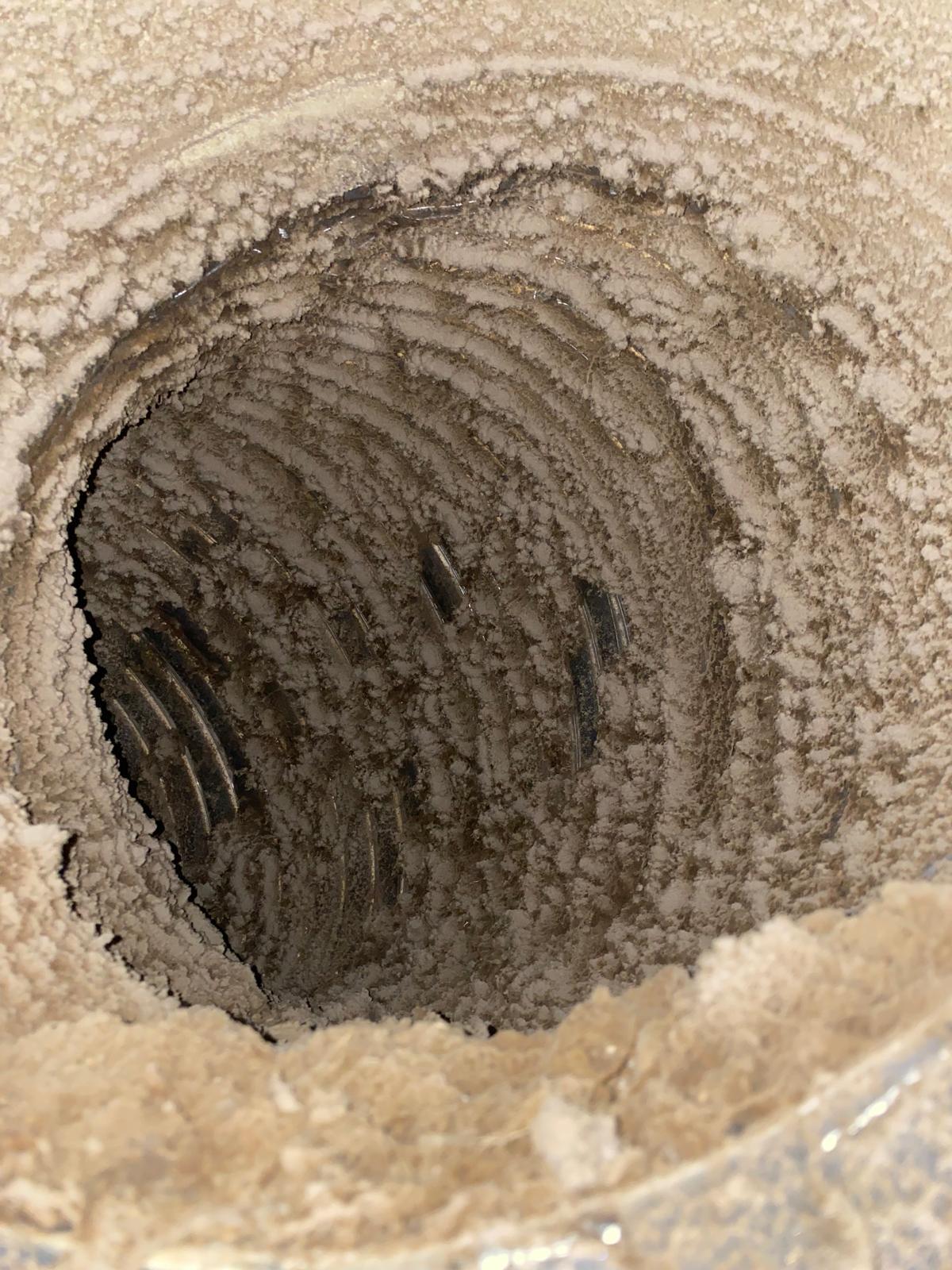
As the Texas autumn breezes begin to replace the humid summer air, many Houston residents start dreaming of cozy fireplace evenings. This is precisely when your chimney needs attention. Before you light that first fire, a professional chimney inspection and cleaning are non-negotiable. Creosote buildup, a highly flammable byproduct of wood combustion, is the leading cause of chimney fires. According to the Chimney Safety Institute of America (CSIA), over 20,000 residential chimney fires occur annually in the U.S., resulting in millions of dollars in property damage.
A certified sweep from a reputable company like DD Chimney Cleaning will thoroughly inspect the flue, firebox, smoke chamber, and exterior masonry for structural integrity, blockages, and creosote accumulation. Neglecting this crucial step means any resulting damage could be deemed preventable negligence by your insurer. For a diligent assessment in the region, consider reaching out to DD Chimney Cleaning in Houston, ensuring your system is safe and compliant.
Seasonal Tip 2: Mid-Season Vigilance – Winter Monitoring & Use
Once winter is in full swing and your fireplace sees regular action, continuous vigilance is key. Pay attention to how your chimney operates. Do you notice excessive smoke backing up into your living room, or a strong, lingering smoky odor even after the fire is out? Are there unusual sounds coming from the chimney? These are all indicators of potential problems – blockages, animal nests, or even structural issues that could worsen with continued use. Promptly addressing these signs can prevent minor issues from escalating into major disasters. This commitment to ongoing safety is an implicit expectation in many insurance policies. Furthermore, understanding the nuances of how a chimney performs in varied climates, such as those faced by DD Chimney Cleaning in Boston, underscores the universal importance of consistent monitoring.
Seasonal Tip 3: Post-Season Assessment – Spring Cleaning & Repairs
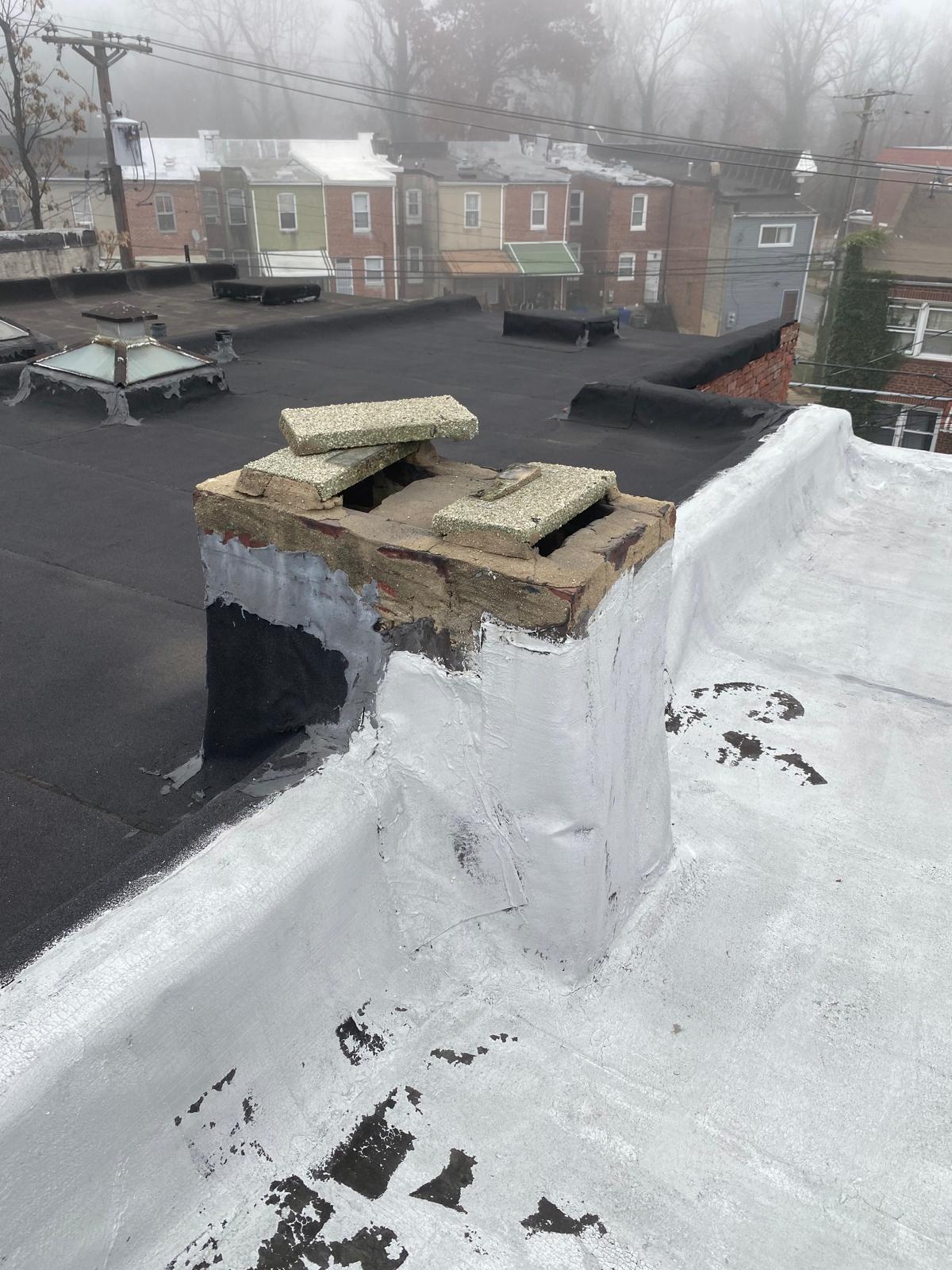
After the last chill of winter has passed and fireplaces are retired until next season, your chimney still requires attention. Spring is the ideal time for post-season cleaning and any necessary repairs. Winter weather, with its potential for heavy rains or even ice in northern parts of the country, can take a toll on your chimney’s exterior. Cracks in the crown, deteriorating mortar joints, or damaged flashing can allow water penetration, leading to costly interior damage, mold growth, and chimney deterioration – all issues that insurers scrutinize. Addressing these promptly through comprehensive chimney cleaning services and repairs can prevent a small leak from becoming a claim nightmare. This proactive approach applies across the board, from the sunny skies of Los Angeles to the historic homes requiring expert care from companies like DD Chimney Cleaning in Philadelphia.
The Insurance Link: Understanding Negligence and Claims
Home insurance policies are designed to cover sudden and accidental damage, not damage resulting from neglect. If a chimney fire occurs due to years of uncleaned creosote buildup, or if water damage results from an obviously deteriorating chimney cap that was never repaired, your insurance provider may deny or significantly reduce your claim. They often require evidence of regular chimney inspections and maintenance. Maintain detailed records of all chimney cleanings and repairs, including invoices and inspection reports from certified professionals. This documentation is your strongest defense against a claim denial and demonstrates your diligence as a responsible homeowner. When it comes to crucial steps like professional creosote removal, documentation proves you’ve taken necessary precautions.
Expert Insight: Why Professional Chimney Cleaning Matters
Attempting DIY chimney cleaning or relying on unqualified individuals for such a critical task is a gamble with your property and safety. Professional chimney technicians are trained to identify hidden hazards that homeowners might miss. They possess specialized tools to remove stubborn creosote, inspect liners for hairline cracks, and ensure proper drafting. A professional service provides peace of mind and, crucially, a credible record of maintenance should an insurance claim ever become necessary. DD Chimney Cleaning provides this essential service, employing our experienced chimney technicians to safeguard your home. Don’t risk your home, your family’s safety, or your financial future on anything less than expert care. You can reach DD Chimney Cleaning at (833) 339-6803 for reliable service.
FAQ Section: Chimney Maintenance & Insurance
- Q1: How often should I have my chimney cleaned?
A: The National Fire Protection Association (NFPA) recommends annual inspections for all chimneys, regardless of use. Cleaning frequency depends on usage, but generally, if you use your fireplace regularly, annual cleaning is advisable. - Q2: What is creosote and why is it dangerous?
A: Creosote is a highly flammable residue that forms when wood combustion is incomplete. It’s dangerous because it can ignite at high temperatures, causing chimney fires. - Q3: Will my home insurance cover chimney fire damage?
A: Most standard policies cover sudden and accidental fire damage. However, if the fire resulted from clear negligence (e.g., years of uncleaned creosote with no maintenance records), the claim could be denied or reduced. - Q4: Do I need documentation of chimney cleaning for insurance purposes?
A: Absolutely. Keep all invoices and inspection reports. These serve as proof of preventative maintenance, which can be crucial during a claim investigation. - Q5: What are signs my chimney needs immediate attention?
A: Smoke backing into the house, a strong smoky odor, visible creosote buildup in the firebox, unusual sounds, or poor draft are all indicators. - Q6: Can water damage from a neglected chimney be covered by insurance?
A: Water damage from sudden events like storms is usually covered. However, if it’s traced to long-term neglect of obvious issues like a damaged chimney cap or cracked masonry, your claim may be contested.
Protect Your Investment Today
Your home is likely your most significant investment, and its protection should be a top priority. Don’t wait for a costly incident to understand the critical link between chimney maintenance and your home insurance. Proactive care ensures not only your family’s safety but also the financial security of your property. For professional, thorough chimney cleaning and inspection services, trust DD Chimney Cleaning. Secure your peace of mind and ensure your home is protected. Call DD Chimney Cleaning today at (833) 339-6803 to schedule your essential chimney service.