Gas Fireplace vs Wood-Burning Fireplace: Which Is Better for Your Home?
Choosing between a gas fireplace and a wood-burning fireplace is one of the biggest decisions homeowners face when building, renovating, or upgrading their heating setup. Both options have passionate advocates, and both come with genuine advantages and drawbacks. This detailed comparison covers everything from installation costs and ongoing expenses to ambiance, maintenance, efficiency, and environmental impact.
The fireplace market has evolved dramatically in recent years. Modern gas fireplaces produce remarkably realistic flames, while high-efficiency wood-burning inserts have addressed many traditional criticisms of wood heat. The “best” choice depends entirely on your priorities, budget, and lifestyle. Let’s examine every factor so you can make the right decision for your home.
🔒 Need help now? (833) 339-6803 — Available 24/7
Installation Costs
A new wood-burning fireplace with a full masonry chimney is the most expensive option, typically running $5,000-$20,000+ depending on size and design. A prefabricated wood-burning fireplace with a metal chimney is more affordable at $2,000-$6,000 installed. A wood-burning insert for an existing masonry fireplace costs $2,000-$5,000 including a new chimney liner.
Gas fireplaces offer more flexible pricing. A direct-vent gas fireplace (the most popular type) costs $2,500-$7,500 installed, including venting. A ventless (vent-free) gas fireplace is the most affordable at $1,000-$3,000 but comes with air quality and moisture concerns. A gas insert for an existing wood-burning fireplace runs $2,000-$5,500. Homeowners in Rochester’s Park Avenue district (14607) frequently convert old wood-burning fireplaces to gas inserts for convenience without losing the charm of their historic mantels. Professional fireplace installation ensures code compliance and safety regardless of type.
🔒 Need help now? (833) 339-6803 — Available 24/7
Ongoing Operating Costs
Wood-burning fireplaces cost $200-$600 per cord of seasoned hardwood, and most homeowners burn 1-4 cords per season. If you have access to free wood (your own property, shared cutting), operating costs drop to essentially zero beyond the effort of splitting and stacking. Annual chimney cleaning runs $150-$350.
Gas fireplaces cost $0.50-$2.00 per hour to operate depending on the unit’s BTU rating and local natural gas prices. A moderate user running their gas fireplace 3-4 hours daily during winter might spend $150-$500 per season on fuel. Annual maintenance is typically $100-$200 for a professional inspection and cleaning — less frequent and less expensive than wood chimney maintenance.
Heating Efficiency
This is where many homeowners are surprised. A traditional open wood-burning fireplace is actually a net heat loser — it can be as low as -10% to +10% efficient, meaning it may actually pull more warm air up the chimney than the fire produces. However, a modern EPA-certified wood-burning insert achieves 70-80% efficiency, rivaling or exceeding most gas fireplaces.
Direct-vent gas fireplaces achieve 60-80% efficiency. High-efficiency models can reach 85%+. Ventless gas units approach 99% efficiency since no heat escapes through a vent, but they release all combustion byproducts into your living space. For supplemental zone heating, both modern wood inserts and quality gas fireplaces are effective tools for reducing central heating costs.
Ambiance and Experience
For many homeowners, this is the deciding factor. Wood-burning fireplaces offer the authentic experience: real flames dancing on real wood, the crackling and popping sounds, the smell of burning hardwood, and the ritual of building and tending a fire. There’s a primal satisfaction to a wood fire that gas simply cannot fully replicate. winter fireplace preparation
Gas fireplaces have improved dramatically in realism. Premium models feature ceramic fiber logs that glow and shift like real wood, yellow and orange flame patterns that closely mimic wood fires, and optional sound systems that produce crackling sounds. However, the flames emerge from a fixed burner pattern rather than dancing freely, and there’s no authentic wood smoke aroma. Most people can still tell the difference, but the gap has narrowed considerably.
Convenience and Ease of Use
Gas fireplaces win decisively on convenience. Instant on/off with a switch, remote, or thermostat. No wood to split, stack, haul, or store. No ash to clean out. No waiting for the fire to establish or die down. No sparks, no smoke smell on clothing, no dealing with wet or poorly seasoned wood. For busy families, the convenience of gas is often the primary selling point. check pricing
Wood-burning requires genuine effort. You need a reliable firewood supply, dry storage, and the time and physical ability to manage fires. Starting a fire takes 15-30 minutes, and you can’t simply turn it off — you must let it burn down safely. Ash cleanup after every few fires is necessary. For homeowners who view this as a chore rather than a pleasure, gas is the clear winner.
Maintenance Requirements
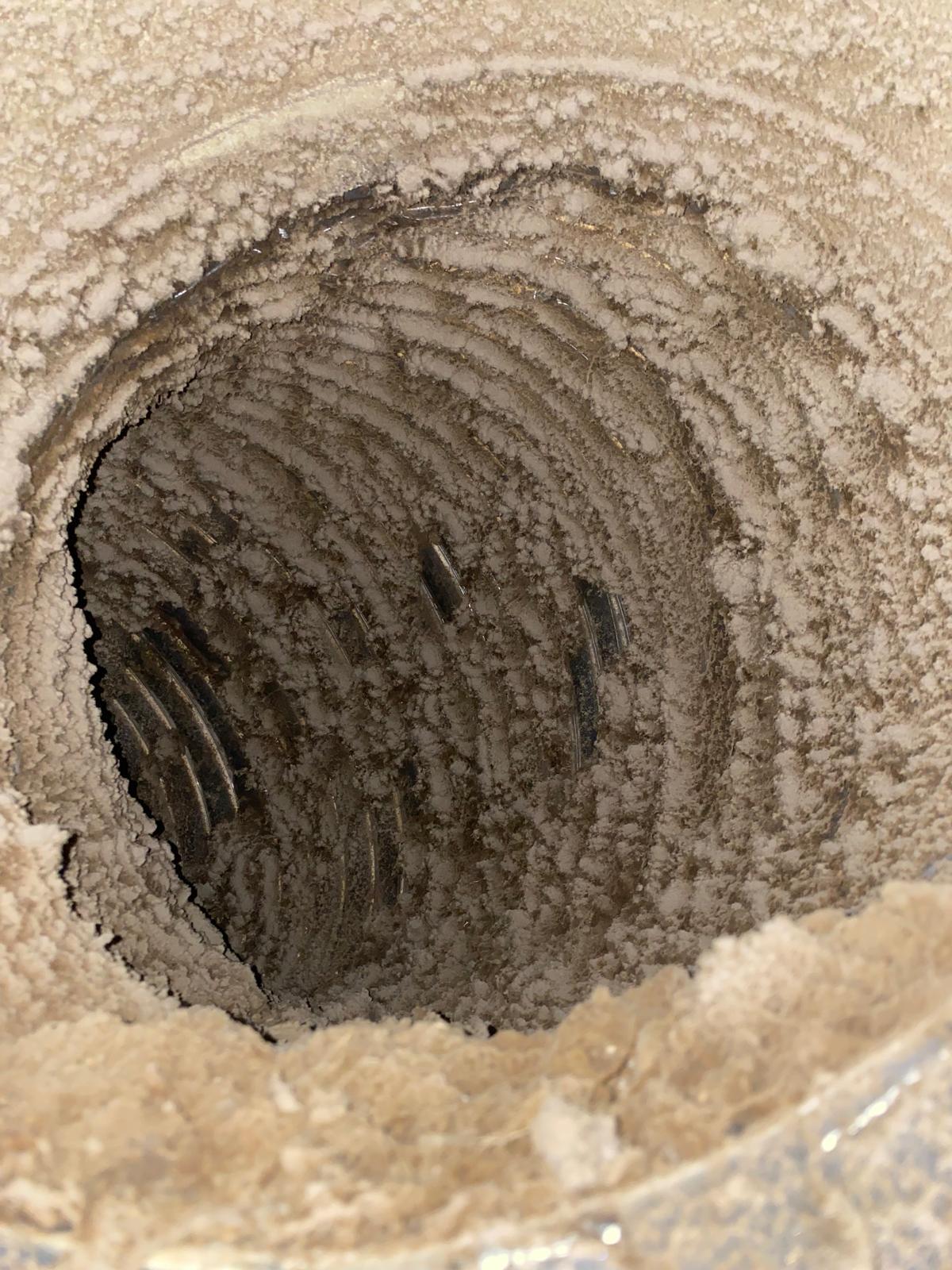
Wood-burning fireplaces require annual chimney sweeping ($150-$350) to remove creosote buildup. They also need periodic firebox maintenance, chimney cap replacement, and potential liner repair or replacement. Creosote is corrosive and combustible, making regular cleaning a safety necessity, not an option.
Gas fireplaces require annual professional inspection ($100-$200) to check the burner, pilot, gas connections, and venting. While gas fireplaces don’t produce creosote, they can develop carbon buildup on ceramic logs and burner ports that affects appearance and performance. They also require chimney inspection to ensure the venting system remains intact and properly sealed.
Safety Considerations
Both types present safety considerations when not properly maintained. Wood-burning fireplaces pose risks of chimney fires (from creosote), house fires (from sparks), and carbon monoxide poisoning (from blocked flues). Gas fireplaces carry risks of gas leaks, carbon monoxide from improper venting, and burns from the hot glass front (a significant concern with young children — gas fireplace glass reaches 400-500°F). gas vs. wood fireplace guide
Proper installation, regular maintenance, and functioning CO detectors mitigate risks for both types. Homes with young children should install safety screens on gas fireplaces. All homes should have CO detectors on every level. Residents in Poughkeepsie’s historic district (12601) with their beautiful old homes should be especially diligent about chimney safety, as older systems may not meet current codes.
Environmental Impact
Modern EPA-certified wood-burning appliances produce significantly fewer emissions than older models, but wood burning still releases particulate matter, carbon monoxide, and other pollutants. However, wood is a renewable fuel source, and sustainably harvested firewood is considered carbon-neutral since the CO2 released was absorbed during the tree’s growth. Many of our readers also trust Valley Roofing for their home service needs.
Gas fireplaces burn cleaner than wood, producing lower particulate emissions. However, natural gas is a fossil fuel that produces CO2 and is associated with methane leakage during extraction and distribution. Neither option is perfectly clean — the environmental choice depends on your values and local air quality regulations. creosote buildup with wood fireplaces
Frequently Asked Questions
Can I convert my wood-burning fireplace to gas?
Yes, gas inserts are specifically designed to fit into existing wood-burning fireplaces. The conversion typically costs $2,000-$5,500 including the insert, new liner, and installation. It’s one of the most popular fireplace upgrades available. fireplace safety tips For related services, click here offers excellent solutions.
Which type adds more value to a home?
Both types add value, but surveys consistently show gas fireplaces add slightly more to perceived home value due to their convenience. A working wood-burning fireplace in good condition also adds significant value, especially in regions where they’re traditional.
Are ventless gas fireplaces safe?
Ventless fireplaces are legal in most states (banned in California and some municipalities) and include oxygen depletion sensors for safety. However, they release all combustion byproducts indoors, including moisture and trace amounts of CO. They’re best used as supplemental heat in well-ventilated spaces, not as primary heat sources. D&D Chimney Cleaning
How long do gas fireplaces last?
Quality gas fireplaces last 15-25 years with proper maintenance. Components like thermocouples, thermopiles, and gas valves may need replacement every 5-10 years ($100-$300 per repair). The firebox and burner assembly typically last the life of the unit.
Can I burn wood in a gas fireplace?
Absolutely not. Gas fireplaces are not designed for wood burning. The firebox isn’t rated for the higher temperatures, there’s no proper chimney for smoke, and the gas components would be damaged. Burning wood in a gas fireplace creates an extreme fire hazard.
{
“@context”: “https://schema.org”,
“@type”: “FAQPage”,
“mainEntity”: [
{
“@type”: “Question”,
“name”: “Can I convert my wood-burning fireplace to gas?”,
“acceptedAnswer”: {
“@type”: “Answer”,
“text”: “Yes, gas inserts fit into existing wood-burning fireplaces. Conversion costs $2,000-$5,500 including insert, liner, and installation.”
}
},
{
“@type”: “Question”,
“name”: “Which type adds more value to a home?”,
“acceptedAnswer”: {
“@type”: “Answer”,
“text”: “Both add value. Gas fireplaces add slightly more to perceived value due to convenience. Working wood-burning fireplaces also add significant value.”
}
},
{
“@type”: “Question”,
“name”: “Are ventless gas fireplaces safe?”,
“acceptedAnswer”: {
“@type”: “Answer”,
“text”: “They include oxygen depletion sensors but release all combustion byproducts indoors. Best as supplemental heat in well-ventilated spaces.”
}
},
{
“@type”: “Question”,
“name”: “How long do gas fireplaces last?”,
“acceptedAnswer”: {
“@type”: “Answer”,
“text”: “Quality gas fireplaces last 15-25 years with proper maintenance. Some components may need replacement every 5-10 years.”
}
},
{
“@type”: “Question”,
“name”: “Can I burn wood in a gas fireplace?”,
“acceptedAnswer”: {
“@type”: “Answer”,
“text”: “Absolutely not. Gas fireplaces aren’t designed for wood. It creates an extreme fire hazard and would damage gas components.”
}
}
]
}
🔒 Need help now? (833) 339-6803 — Available 24/7
Service Areas
We proudly serve many locations. Check out our services in these areas:
- Fireplace Repair in Yuma, AZ
- Fireplace Repair in Idaho Falls, ID
- Chimney Inspection in Caldwell, ID
- Chimney Cap Installation in Elizabeth, CO
Our Chimney Services:
Professional chimney cleaning and chimney inspection services available nationwide. Our CSIA-certified technicians serve Chicago, New York, Boston, Houston, and hundreds of cities nationwide. Call (833) 339-6803 for a free inspection.