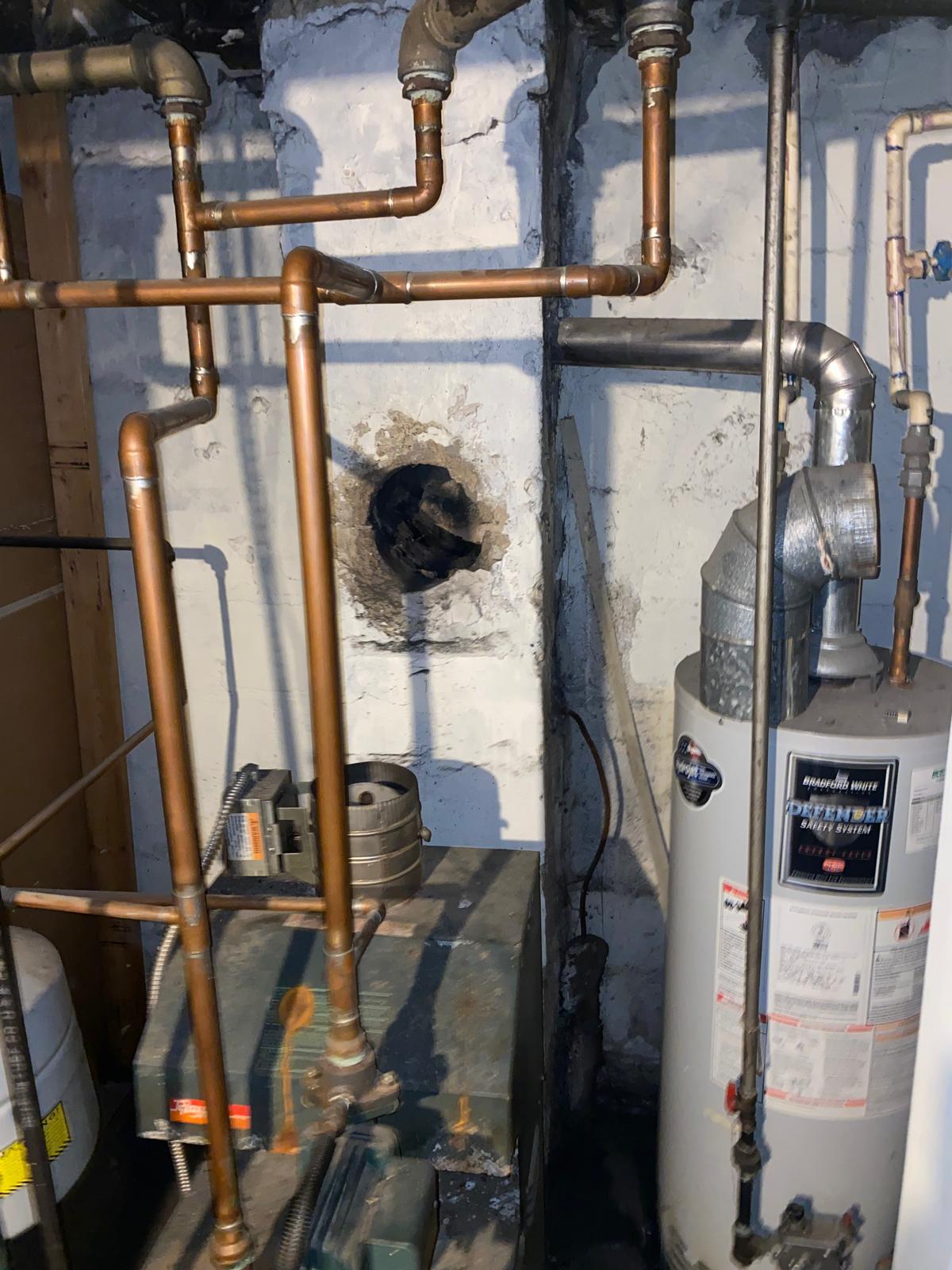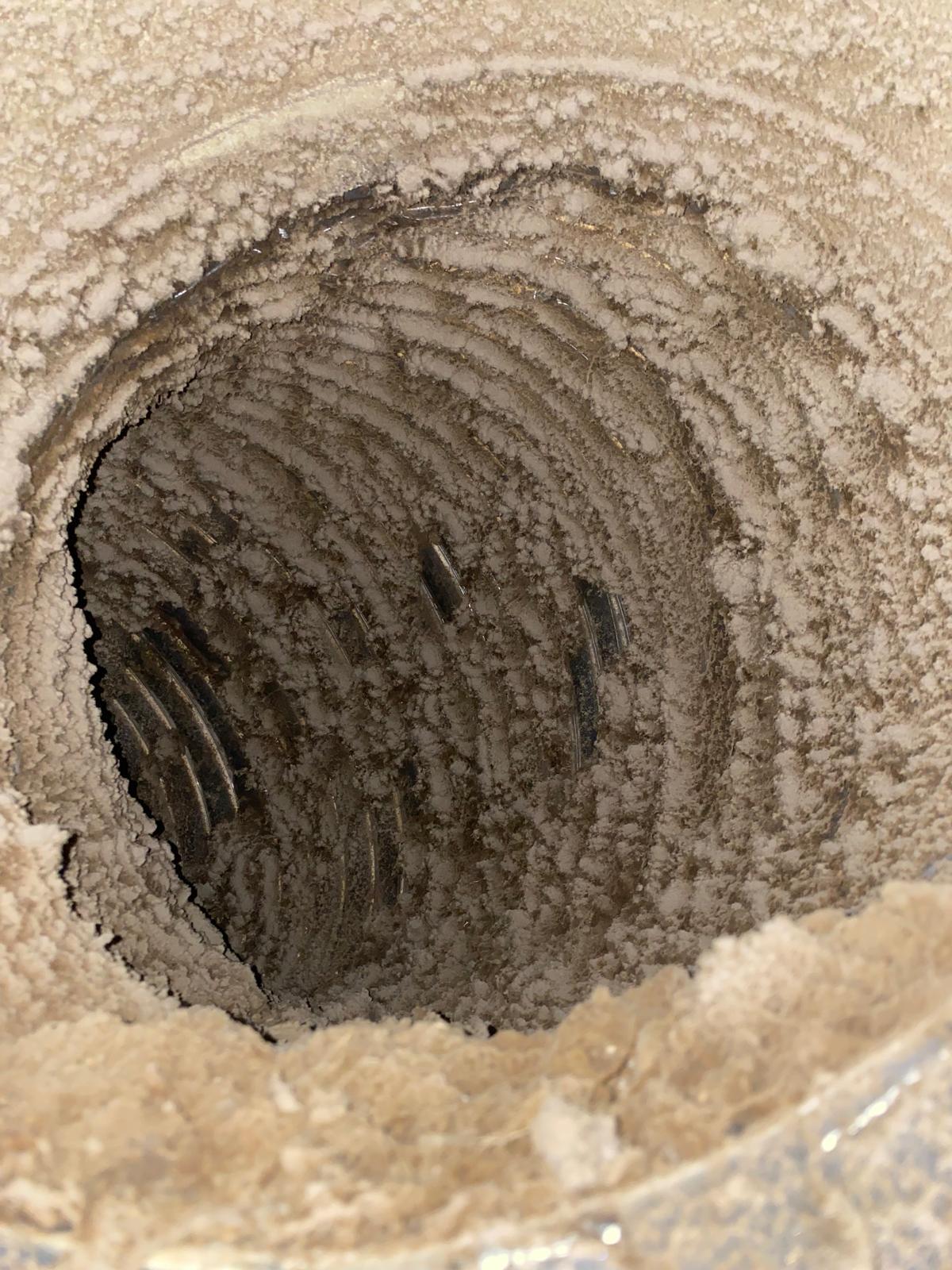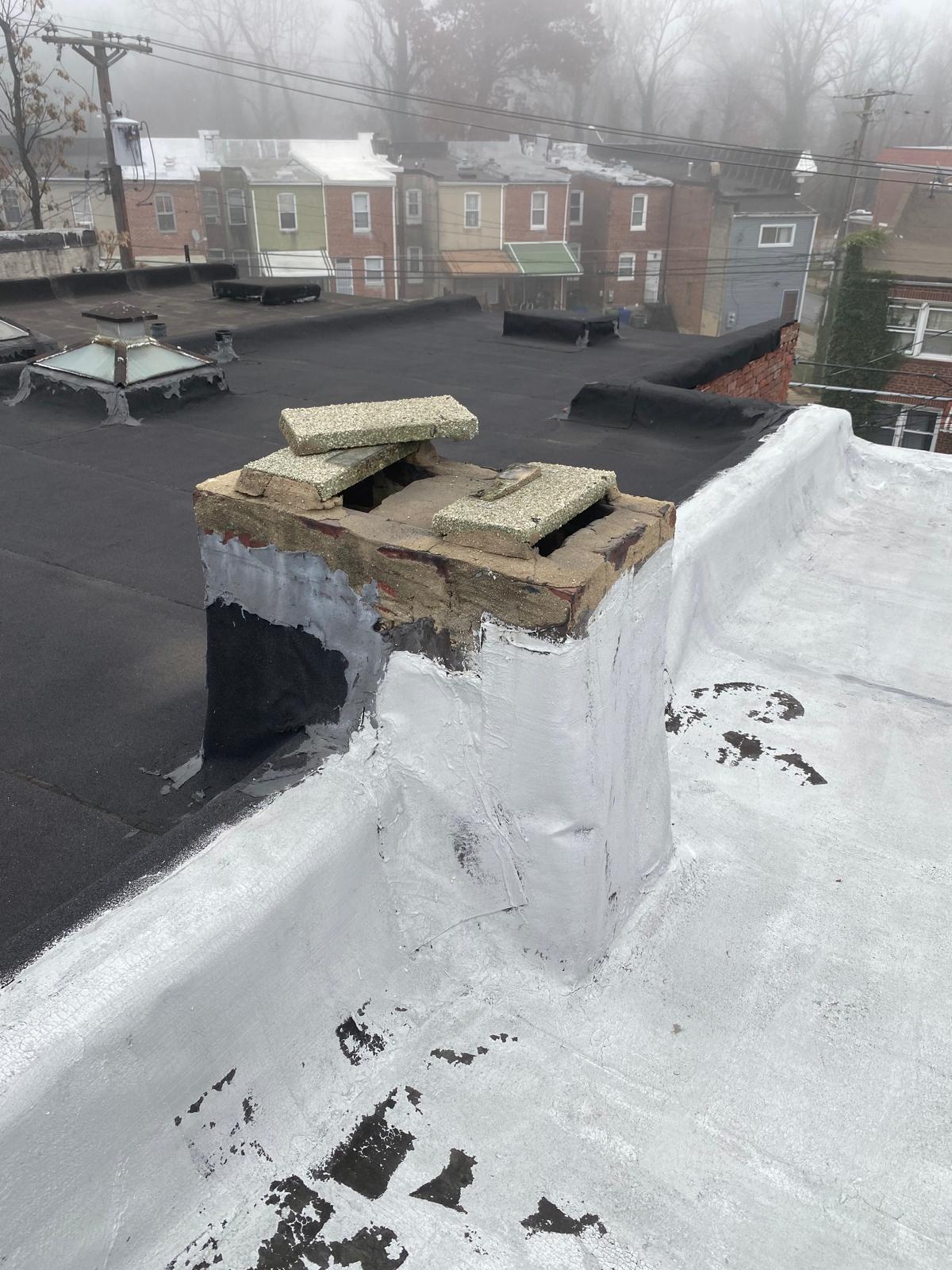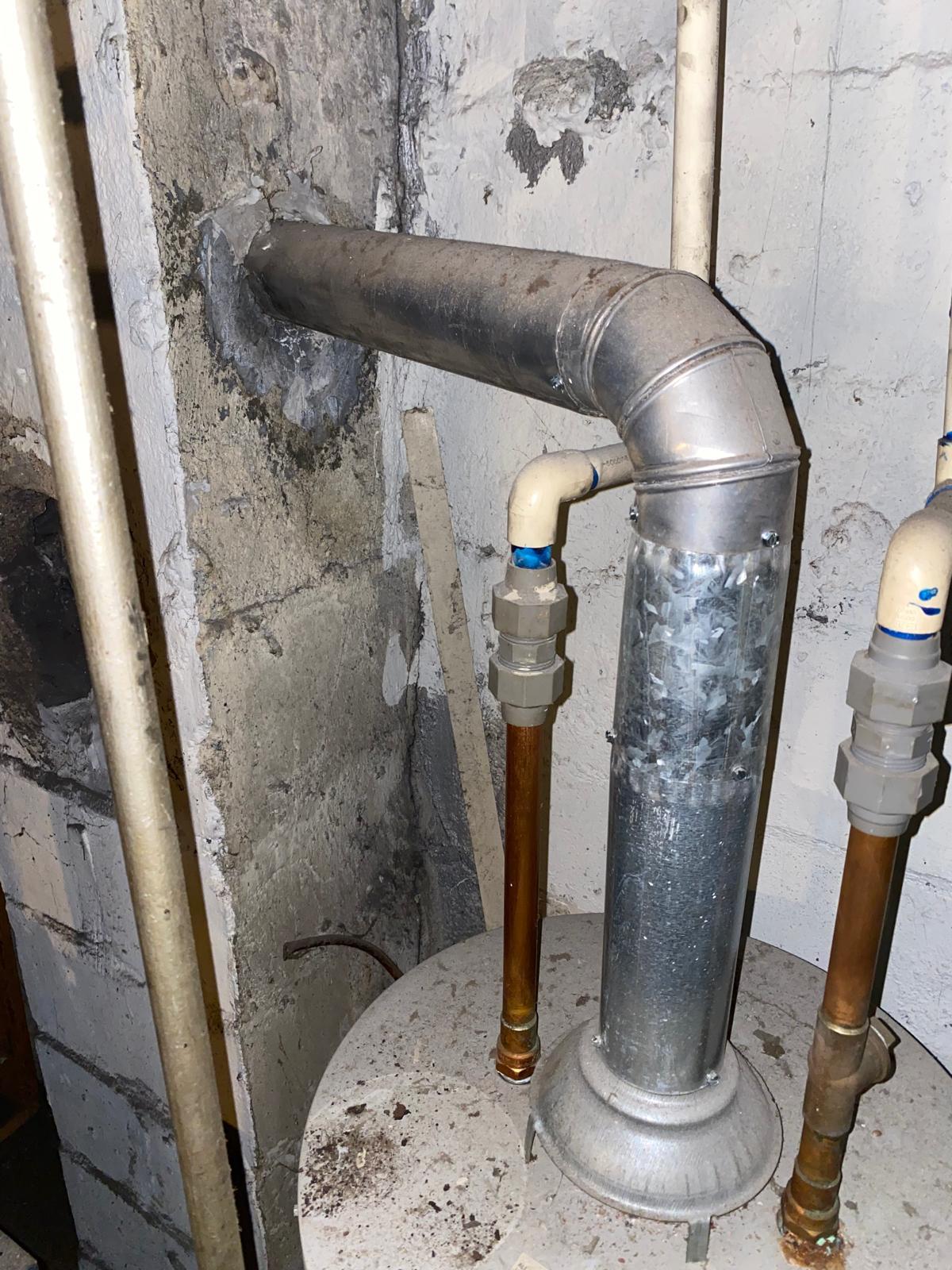
A chimney inspection is a critical safety assessment protecting your Fort Worth, TX home from fire, structural damage, and toxic gas exposure. Many homeowners skip this essential step because they do not know what should be covered.
Fort Worth combination of clay soil movement and severe thunderstorms creates unique chimney structural challenges with foundation shifts causing chimney lean in approximately 15 percent of older homes. Thorough inspections are particularly important for Fort Worth homeowners.
Need Professional Help in Fort Worth? Call Now!
Our licensed technicians at D&D Chimney Cleaning are ready to help. Available 24/7 for emergencies.
Free estimates • Licensed & insured • Same-day service available
Three Levels of Inspection (NFPA)
Level 1: Standard Annual
Examines accessible portions checking for soundness, clearances, and cleanliness. What most Fort Worth homeowners need yearly.
Level 2: Detailed
Required after system changes, chimney fires, weather events, or during real estate transactions. Includes video scanning and attic/crawl space inspection.
Level 3: Invasive
Required when hidden hazards are suspected. May involve removing chimney or building components. Rare.
Exterior Checklist
- Crown: Cracks, erosion, missing sections — Fort Worth weather deteriorates crowns
- Cap: Present, secured, mesh screen intact
- Flashing: Metal seal between chimney and roof — number one source of chimney leaks in Fort Worth
- Masonry: Cracked, spalling, or missing bricks and deteriorated mortar
- Height: Must extend 3 feet above roof, 2 feet above structures within 10 feet
- Lean: Any tilt indicates foundation or structural issues
Interior/Flue Checklist
- Flue liner: Cracks, gaps, deterioration
- Creosote: Level and stage assessment
- Obstructions: Animal nests, debris, collapsed liner
- Smoke chamber: Damage, missing parging, creosote
- Damper: Opens and closes fully, seals properly
Firebox Checklist
- Firebrick: Cracked, loose, or missing
- Mortar joints: Deteriorated refractory mortar
- Ash dump: Functional with intact cleanout door
- Hearth extension: Meets code (16 inches front, 8 inches sides)
Safety Checks
- Combustible clearances met
- CO detectors on every level
- Smoke detectors tested
- Fire extinguisher accessible
Common Issues in Fort Worth
- Cracked crowns (~40% of inspections)
- Missing/damaged caps (~30%)
- Stage 2+ creosote (~25%)
- Deteriorated mortar (~35%)
- Failed flashing (~20%)
- Damaged liners (~15%)
- Animal evidence (~20%)
Based on thousands of inspections across Sundance Square, Fairmount, Arlington Heights and beyond by our chimney inspection team.
When to Schedule
- Before burning season (late summer/early fall)
- After severe weather
- Before selling your home
- After buying a home
- After any chimney fire
- If it has been more than a year
Need Professional Help in Fort Worth? Call Now!
Our licensed technicians at D&D Chimney Cleaning are ready to help. Available 24/7 for emergencies.
Free estimates • Licensed & insured • Same-day service available
Understanding Chimney Anatomy
Knowing the basic components of your chimney helps you communicate with professionals and understand inspection reports. From bottom to top, the key components include the ash pit where ashes collect beneath the firebox, the firebox where fires are built lined with heat-resistant firebrick, the throat and damper which control airflow between the firebox and smoke chamber, the smoke chamber which compresses and directs smoke upward, the flue liner which is the inner channel carrying smoke and gases to the top, and the chimney crown and cap at the top which protect against weather and animal intrusion.
Each component plays a critical role in safe fireplace operation. A problem with any single element can compromise the entire system, which is why thorough inspections cover every component rather than just checking for visible creosote. Check out Rentiesville services for more information.
Chimney Waterproofing
Water is a chimney worst enemy. It enters through cracks in the crown, deteriorated mortar joints, failed flashing, and even through the porous masonry itself. Once inside, water causes steel components to rust and expand (cracking the masonry around them), flue liner tiles to crack and deteriorate from freeze-thaw cycles, mortar to erode causing structural instability, and mold growth inside the chimney structure.
Professional chimney waterproofing involves applying a breathable water repellent that allows moisture vapor to escape from inside the masonry while preventing liquid water from penetrating. This is different from paint or sealant which traps moisture inside the masonry and actually accelerates damage. Waterproofing is an excellent investment that costs $150 to $400 and can prevent thousands in water damage repairs.
Carbon Monoxide: The Silent Killer
Carbon monoxide (CO) is produced by every combustion appliance including fireplaces. A properly functioning chimney vents CO safely outside. But blockages, damaged liners, negative pressure issues, or improper operation can cause CO to enter your living space. Symptoms of CO exposure include headaches, dizziness, nausea, confusion, and in severe cases unconsciousness and death. Every home with a fireplace must have functioning CO detectors on every level. This is not optional — it is a life-safety requirement. Explore East Dubuque services to find what you need. Discover our our Universal City team options today. Many of our readers also trust toplocksmithca.com for their home service needs.
Frequently Asked Questions
What does a chimney inspection include?
Level 1: exterior and interior examination, fireplace, damper, smoke chamber, visible flue. Level 2 adds video scanning. D&D Chimney Cleaning provides detailed photo reports.
How much does inspection cost in Fort Worth?
Level 1: $100-$250. Level 2 with video: $200-$500. Level 1 often included with cleaning service. Call (833) 339-6803. Many of our readers also trust check out this service for their home service needs.
Do I need inspection before selling?
Level 2 is strongly recommended. Clean inspection reports prevent deal-killing surprises and protect new owners.
How often should chimneys be inspected?
Annually per NFPA for all chimneys regardless of use. Unused chimneys every 2-3 years minimum.
Our Chimney Services:
Professional chimney cleaning and chimney inspection services available nationwide. Our CSIA-certified technicians serve Chicago, New York, Boston, Houston, and hundreds of cities nationwide. Call (833) 339-6803 for a free inspection.