DIY Chimney Cleaning: What Homeowners Should NEVER Try (and Why)
Picture this: It’s a crisp evening in , the kind where the autumn air has that perfect bite, promising cozy nights by the fire. You’ve just poured a mug of something warm, settled onto the couch, and are about to light your first roaring fire of the season. Maybe you even attempted a quick peek up the chimney earlier, decided it looked “fine” (whatever “fine” means), and gave yourself a mental pat on the back for being so proactive. Sounds lovely, right? Until, suddenly, a faint, acrid smell drifts into the living room, or worse, you hear an unsettling crackle that definitely isn’t just the wood burning. That’s when your cozy evening takes a hard left turn into the “uh-oh, what have I done?” highway.
We’ve all been there – a flickering thought, a fleeting Google search, an urge to save a few bucks. “How hard can chimney cleaning really be?” you might wonder. “It’s just soot, right?” Oh, my friend, if only it were that simple. When it comes to chimney care, “DIY” often stands for “Dangerously Ignorant Yearnings.” Here at DD Chimney Cleaning, serving homeowners across , we’ve seen (and thankfully, fixed) the results of well-intentioned but ill-advised attempts. Think of this as your emergency preparedness guide – a survival manual for your chimney and your home, outlining what homeowners should *never* try, and exactly why these seemingly innocent actions are just emergencies waiting to happen.
Understanding the Threat: What Lurks in Your Flue?
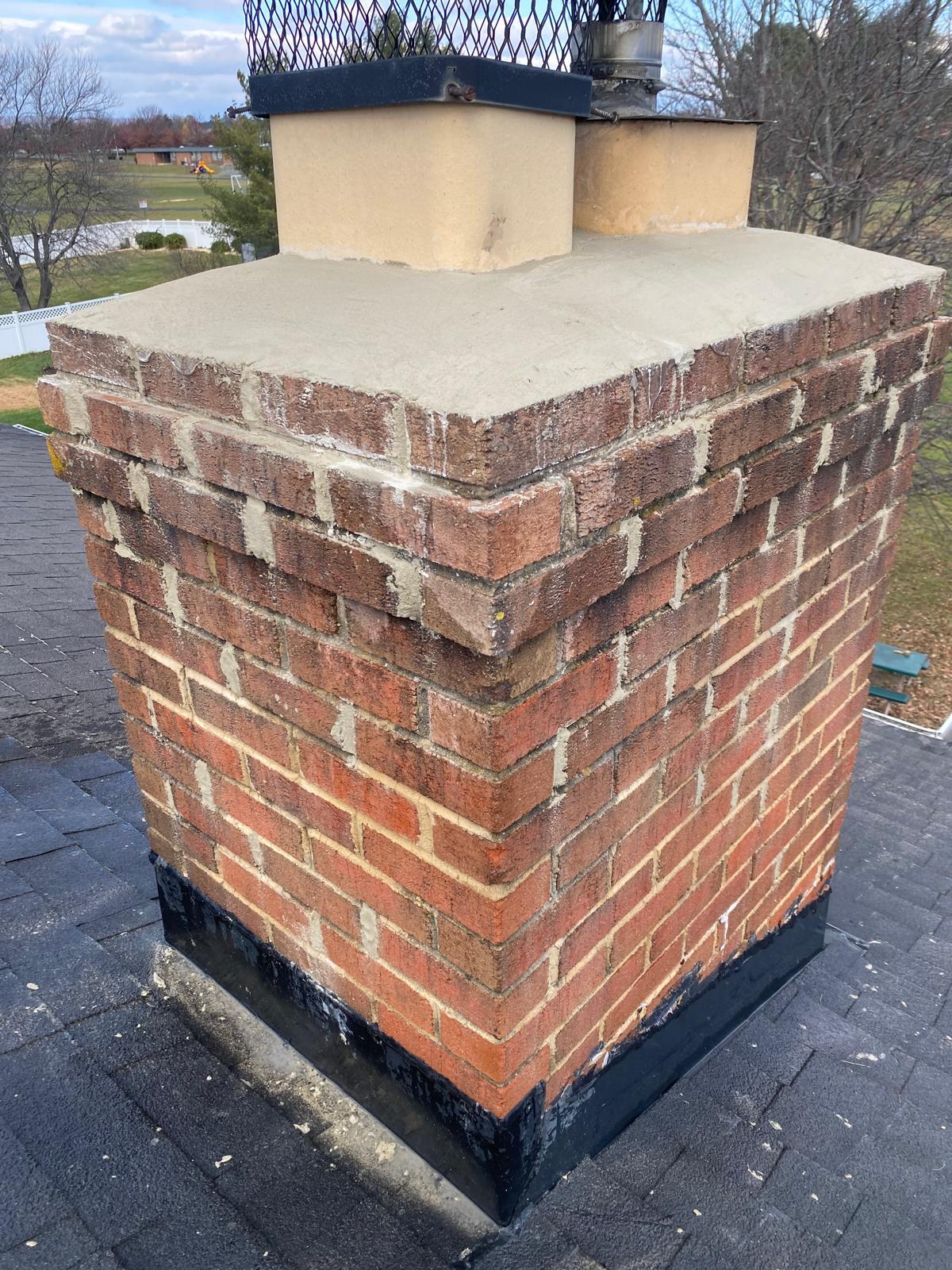
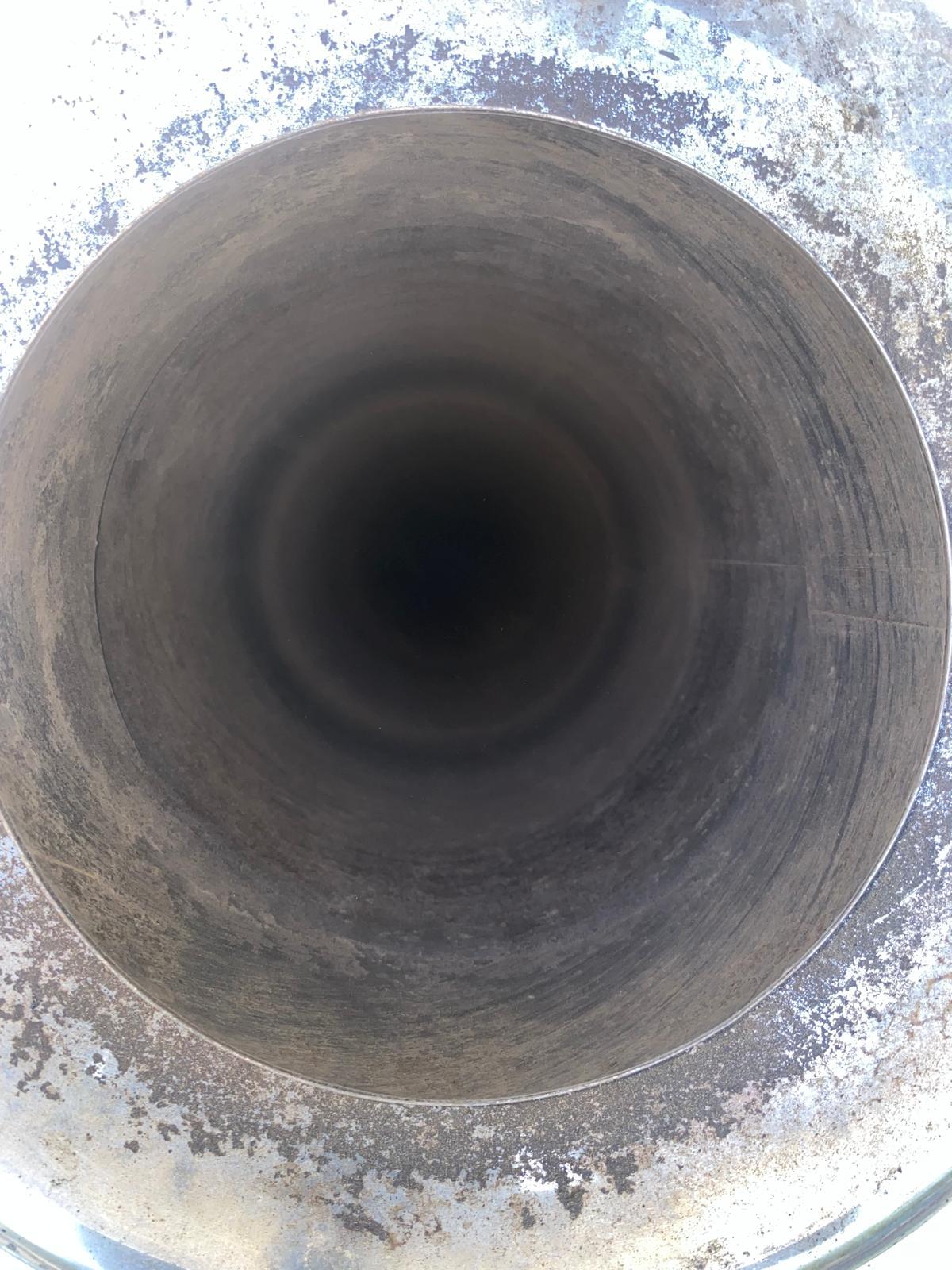
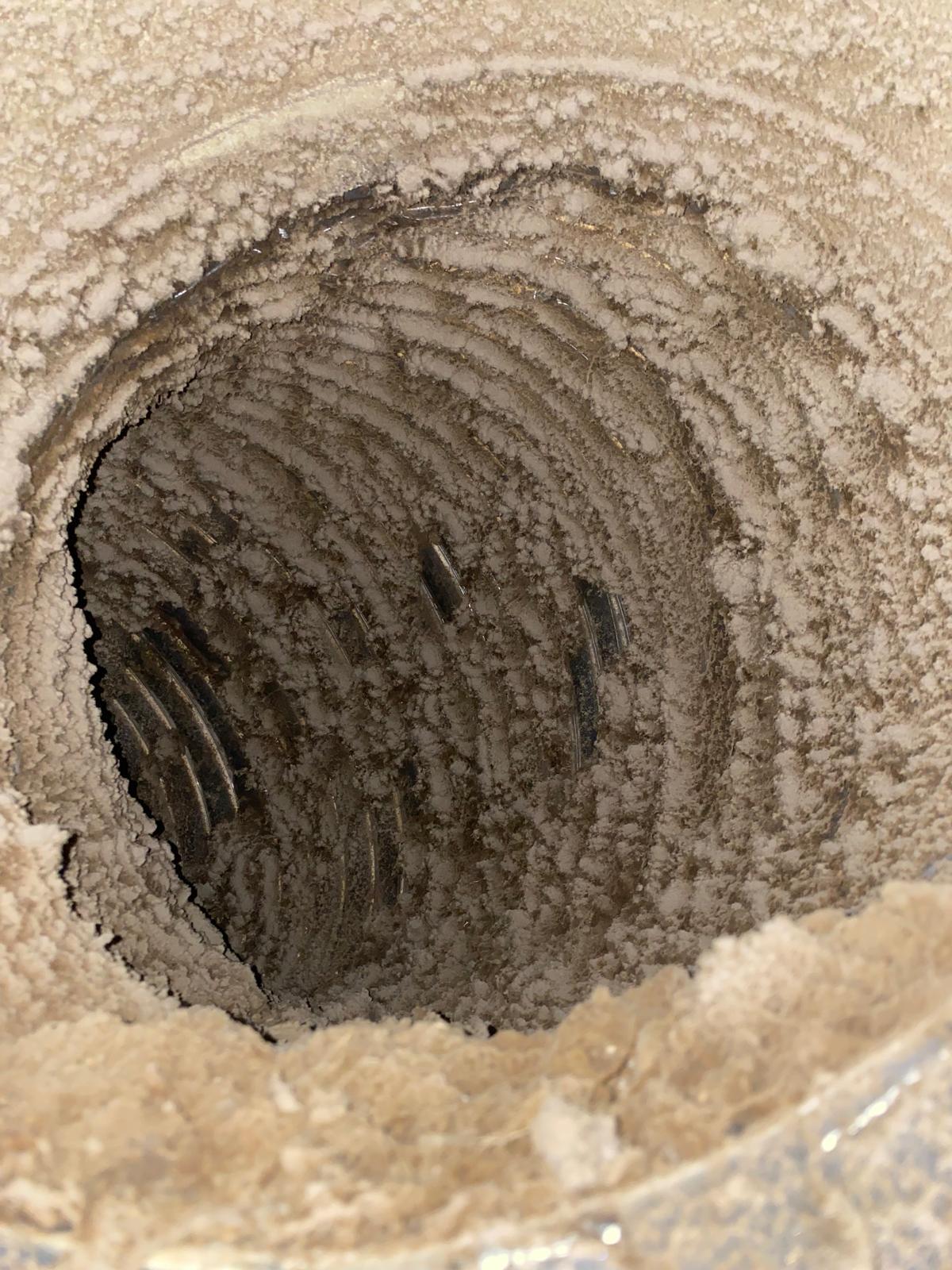
Before we dive into the “never-evers,” let’s set the scene for the real threats. Your chimney isn’t just a fancy exhaust pipe. It’s a complex system designed to safely vent toxic gases and smoke from your home. When you burn wood, a sticky, highly flammable substance called creosote builds up inside the flue. It starts as a powdery soot, progresses to a flaky deposit, and can eventually become a tar-like, glazed substance – basically, solid rocket fuel clinging to your chimney walls. Not exactly something you want lingering a few feet above your living room.
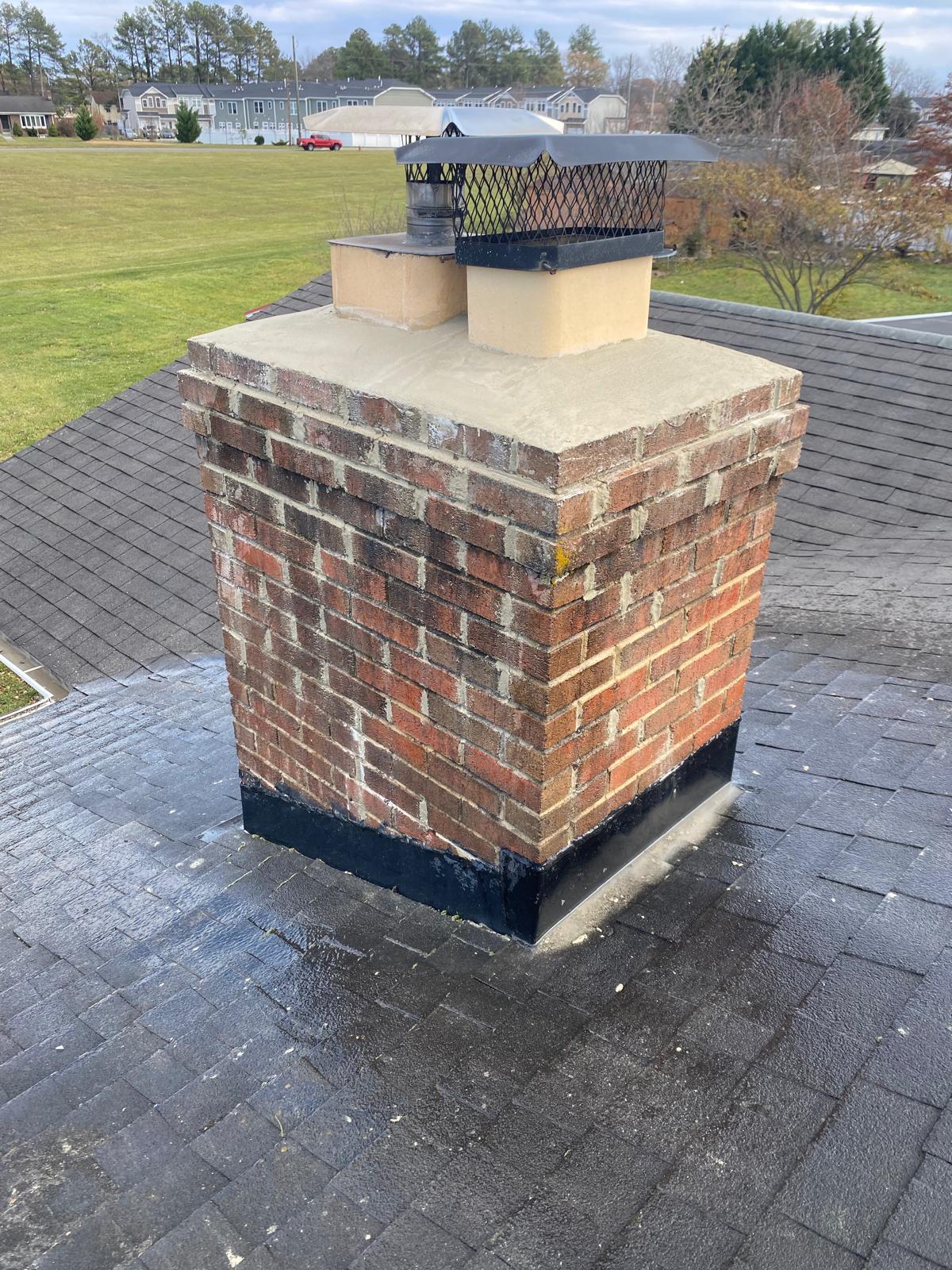
Beyond creosote, there are other silent dangers: animal nests, cracks in the flue liner, deteriorated mortar, or blockages from fallen debris (squirrels, leaves, hopes and dreams, you name it!). Each of these can lead to serious hazards, from carbon monoxide poisoning to devastating chimney fires that can quickly spread to your entire home. The thought alone is enough to make anyone in consider a proactive safety plan!
The “DO NOT” List: Chimney Cleaning Mishaps to AVOID
Okay, let’s get down to brass tacks. These are the DIY chimney cleaning stunts that look easy on YouTube but can lead to very real, very expensive, and very dangerous consequences. Consider these your emergency red flags.
Do NOT Attempt a Rooftop Ascent Without Proper Safety Gear or Training
You see a professional chimney sweep with their gear, scaling roofs with the grace of a mountain goat, and you think, “I can do that!” Stop. Right there. Your roof is not your friendly neighborhood park bench. It’s often steep, slippery, and surprisingly fragile in places. A slip and fall isn’t just a bruise; it can be a life-altering injury. Even if you’re not afraid of heights, improper foot placement can damage shingles or tiles, creating a new problem for water intrusion. A chimney professional has specialized ladders, harnesses, ropes, and training for working at heights safely. They know how to distribute weight, identify weak spots, and secure themselves.
Do NOT Use Makeshift or Improper Tools
We’ve heard it all: leaf blowers (trying to blow the soot out – brilliant!), pressure washers (introducing moisture to a structure designed to stay dry – yikes!), household vacuums (guaranteed to clog, break, and fill your house with soot dust), or even, believe it or not, *sticks and rocks* tied to ropes. Your chimney needs purpose-built brushes designed to scrape away creosote without damaging the flue liner. There are specific rods, rotary systems, and industrial-strength vacuums that capture fine particles. Anything less is either ineffective, damaging, or just creates a colossal mess that would make a toddler’s food fight look tidy.
Do NOT Ignore Signs of Damage or Blockages
A little draft? A strange smell? A funny sound? Or maybe you just visually inspect it and see a crack or some crumbling mortar. Your first instinct might be to “clean around it” or ignore it. Bad idea. These are symptoms, not the problem itself. Cleaning a chimney with existing damage can exacerbate the issue, turning a small crack into a major structural integrity problem. Moreover, blockages can be more than just creosote – a bird’s nest or a deceased critter needs to be removed properly, often with specialized tools, not just shoved further down.
Do NOT Use “Miracle” Chemical Cleaners Without Professional Guidance
There are products on the market designed to reduce creosote buildup or make it easier to remove. While some can be useful as part of a professional maintenance plan, they are not a substitute for mechanical cleaning. Relying solely on these chemicals is like trying to put out a bonfire with a squirt gun – ineffective and potentially misleading. Some can even react negatively with certain types of creosote or flue materials, causing more harm than good. Always consult a professional before introducing any chemical agent into your chimney system.
Do NOT Assume “It’s Not That Bad”
This is the silent killer, folks. The “I only use it occasionally” or “I burn good wood” mantra. The truth is, even light usage can lead to significant creosote buildup, especially if your fireplace isn’t operating at optimal efficiency (which is often the case). You cannot accurately assess the level of creosote or the condition of your flue liner from a quick peek with a flashlight from below. It requires a proper inspection, often with specialized cameras, to see the entire length and interior surface of your chimney. Don’t let complacency become your home’s biggest vulnerability.
Your Preparedness Plan: When to Call the Pros
So, what *should* you do? Just like you wouldn’t try to rewire your entire electrical system or perform your own appendectomy, some home maintenance tasks are best left to the experts. Think of a professional chimney cleaning and inspection as your annual preventative health check-up for your fireplace and chimney system.
A certified sweep from DD Chimney Cleaning does more than just brush out soot. They conduct a thorough inspection (Level 1, 2, or 3 as needed), identify potential fire hazards, structural issues, and ensure your system is operating safely and efficiently. They have the training, the tools, and the experience to tackle everything from routine cleanings to complex repairs. It’s an investment in your family’s safety and your home’s longevity, giving you genuine peace of mind as the evenings get cooler here in .
FAQ: Your Chimney Cleaning Quandaries Answered
Q1: How often should I have my chimney cleaned?
A1: The Chimney Safety Institute of America (CSIA) recommends an annual inspection for all active chimneys, and cleaning as often as necessary. If you burn frequently, especially softwoods or unseasoned wood, you may need more frequent cleanings. It’s always best to get an annual inspection to determine your specific needs.
Q2: Can I just burn a “creosote log” instead of getting a professional cleaning?
A2: Creosote logs are designed to change the chemical composition of creosote, making it flakier and potentially easier to remove. However, they do not remove the creosote themselves and are not a substitute for a mechanical cleaning by a professional. In fact, if your chimney has heavy creosote buildup, burning a creosote log can even loosen large chunks that could cause a blockage or fall onto your fire, creating a new hazard.
Q3: How long does a typical chimney cleaning take?
A3: A standard chimney cleaning and inspection can typically take anywhere from 45 minutes to 1.5 hours, depending on the chimney’s condition, the type of system, and the amount of buildup. More complex issues or extensive repairs will naturally take longer. Homeowners in Sacramento County have also found great results with learn more.
Q4: What’s the biggest misconception about chimney cleaning?
A4: Probably that it’s a “dirty job for dirty people.” While it is undeniably messy, professional sweeps use specialized equipment like industrial vacuums and drop cloths to contain the mess completely. When we leave your home, it’ll be cleaner than when we arrived (except for your now spotless chimney!).
Your Safety, Our Priority
Don’t let a well-meaning DIY project turn into an emergency scenario in your home. The risks associated with improper chimney cleaning are simply too high to gamble with. From dangerous falls to devastating chimney fires and carbon monoxide poisoning, these are not hypothetical threats. They are real dangers that professional chimney sweeps are specifically trained to mitigate. Speaking of home maintenance, Electrical in Los Angeles County provides top-quality electrical.
Instead of risking life, limb, or property with a DIY disaster, trust the experts at DD Chimney Cleaning. We serve homeowners throughout with professional, reliable, and thorough chimney cleaning and inspection services, ensuring your fireplace is safe, efficient, and ready for those perfectly cozy nights. Give us a call today to schedule your peace of mind.
Don’t DIY the Dangers! Call DD Chimney Cleaning today at (833) 339-6803 to schedule your professional chimney cleaning and inspection. Your safety is our business!