Is your chimney truly equipped to endure the relentless heat and unique environmental stresses of Phoenix’s desert climate? While chimneys are primarily associated with colder weather, the intense Arizona sun, coupled with significant temperature fluctuations and occasional monsoon deluges, can pose substantial risks to their structural integrity and functionality. Understanding these threats is the first step toward safeguarding your home and ensuring your chimney remains a safe and reliable component of your property.
At DD Chimney Cleaning, we bring extensive expertise in maintaining chimney systems under diverse climatic conditions. Though our primary service area includes the vibrant communities across Los Angeles, our comprehensive understanding of chimney science applies universally, whether you’re battling the urban grit of Hollywood or the extreme heat of the Sonoran Desert. This guide is designed to educate homeowners on how to identify, prevent, and address heat damage, ensuring your chimney is protected year-round.
Understanding Heat Damage in Desert Climates
Unlike regions where freeze-thaw cycles are the primary concern for masonry, Phoenix presents a different challenge: extreme thermal expansion and contraction. Average summer temperatures often soar past 100°F (38°C), sometimes reaching blistering highs of 115°F (46°C) or more. This constant, intense heat causes chimney materials—bricks, mortar, and flue liners—to expand. When night falls, particularly in the clear desert air, temperatures can drop by 30-40 degrees within hours, causing these materials to contract rapidly. This ceaseless cycle exerts immense stress, leading to microscopic cracks that gradually widen over time.
The Role of UV Radiation and Monsoons
The high UV index in Phoenix also plays a significant role. Prolonged exposure to ultraviolet radiation can degrade the binding agents in mortar, making it brittle and susceptible to crumbling. Furthermore, while the desert is dry, the summer monsoon season brings powerful, localized storms with torrential rainfall and strong winds. Water infiltration through compromised mortar joints or cracked crowns can accelerate deterioration, creating a breeding ground for moisture-related damage like efflorescence and spalling, where brick faces peel or flake off due to trapped moisture trying to escape.
The Silent Threats: How Phoenix Heat Affects Your Chimney
Heat damage isn’t always immediately obvious. It often progresses subtly until a more significant issue manifests. Here’s what to look for:
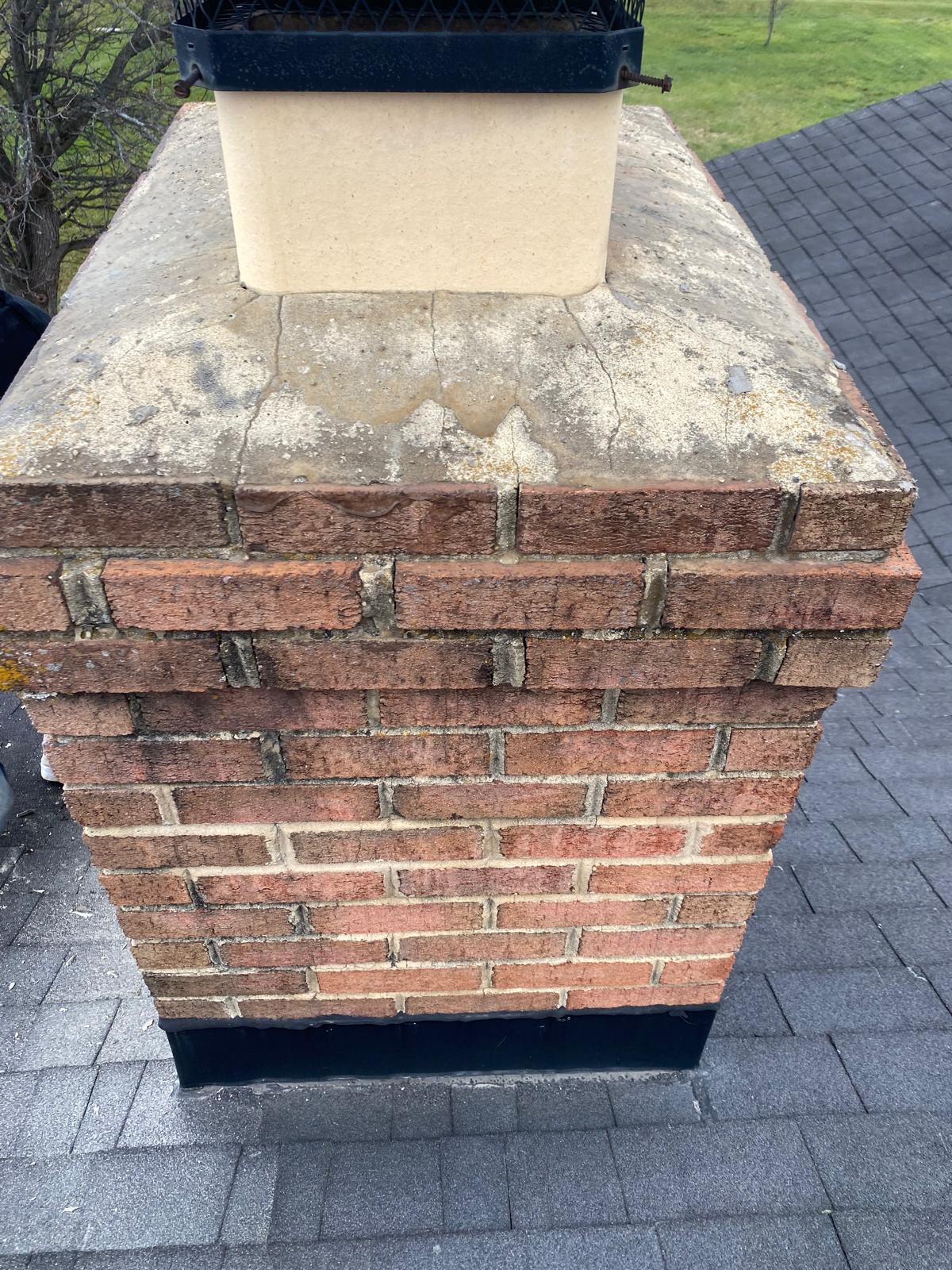
- Cracked Masonry: The most common sign. Small hairline cracks can grow into larger fissures in bricks and mortar joints, compromising the structural stability of the chimney stack.
- Deteriorated Mortar Joints: Mortar may appear sandy, crumbly, or loose, particularly in areas most exposed to direct sunlight. This weakens the entire structure and allows water intrusion.
- Spalling Bricks: The face of the bricks can peel or pop off, revealing a rougher interior. This is often a result of moisture getting behind the brick face and being rapidly heated, causing it to explode outward.
- Damaged Chimney Crown: The concrete slab at the top of your chimney, the crown, is its first line of defense against the elements. Heat-induced cracking here allows water to seep into the chimney’s interior, causing further damage to the flue and firebox.
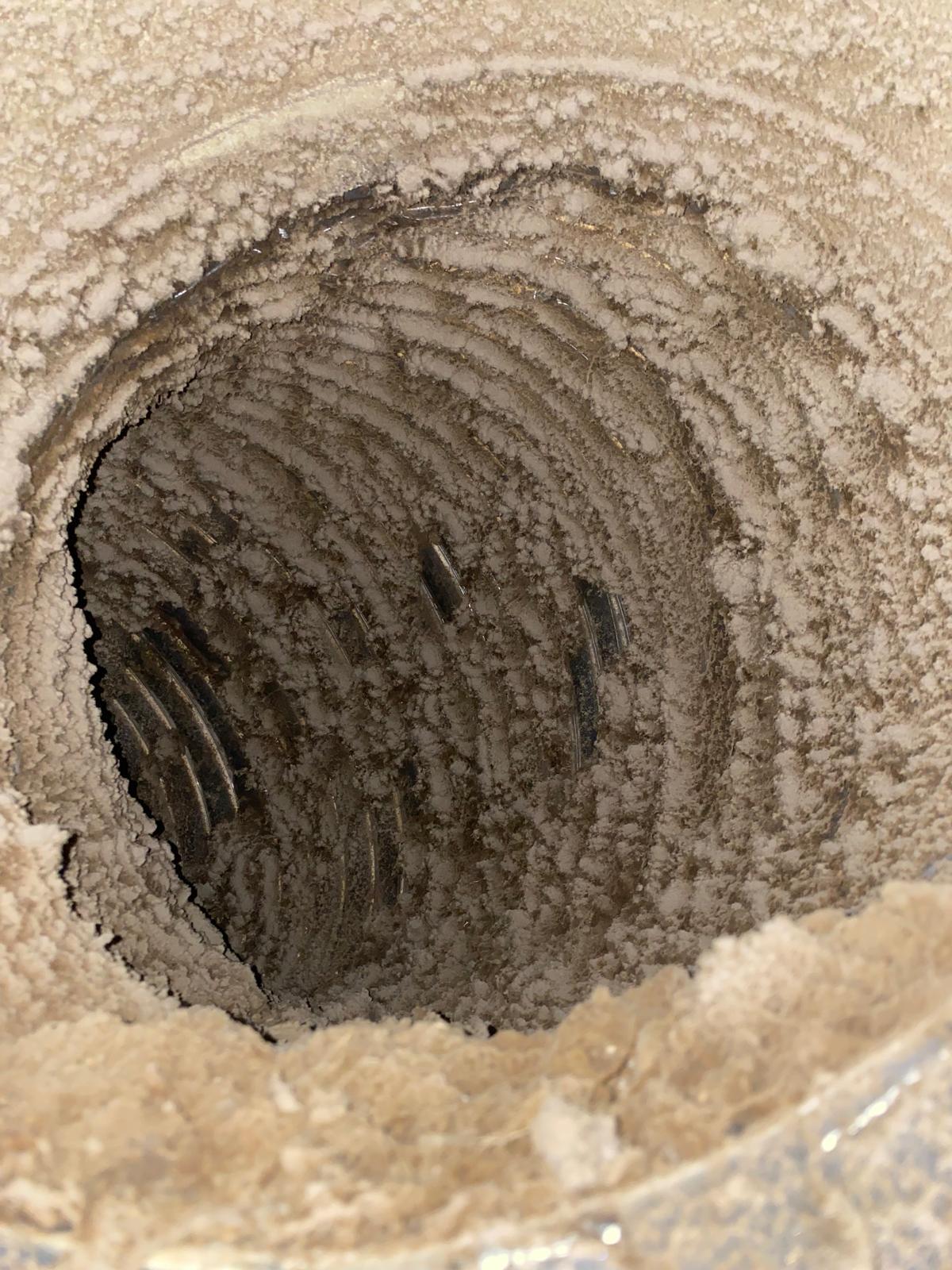
- Compromised Flue Liner: If your chimney has a clay tile liner, extreme heat can cause tiles to crack or shift, creating pathways for smoke and heat to escape into combustible areas of your home. This is a critical safety concern.
Proactive Measures: Shielding Your Chimney from the Elements
Protecting your chimney in the Phoenix heat requires a multi-faceted approach. Think of it as preventative maintenance that extends the lifespan of your chimney and ensures safety.
Regular Chimney Inspections
A professional inspection is paramount. Even if you use your fireplace infrequently, the desert environment alone warrants regular checks. A certified chimney technician can spot subtle signs of deterioration before they escalate into costly repairs. We recommend annual inspections, particularly before any potential burning season or after significant weather events, to catch issues early. This level of thoroughness is a hallmark of DD Chimney Cleaning’s commitment to safety and quality, ensuring every component, from the crown to the flue, is meticulously checked.
Chimney Cap and Crown Repair
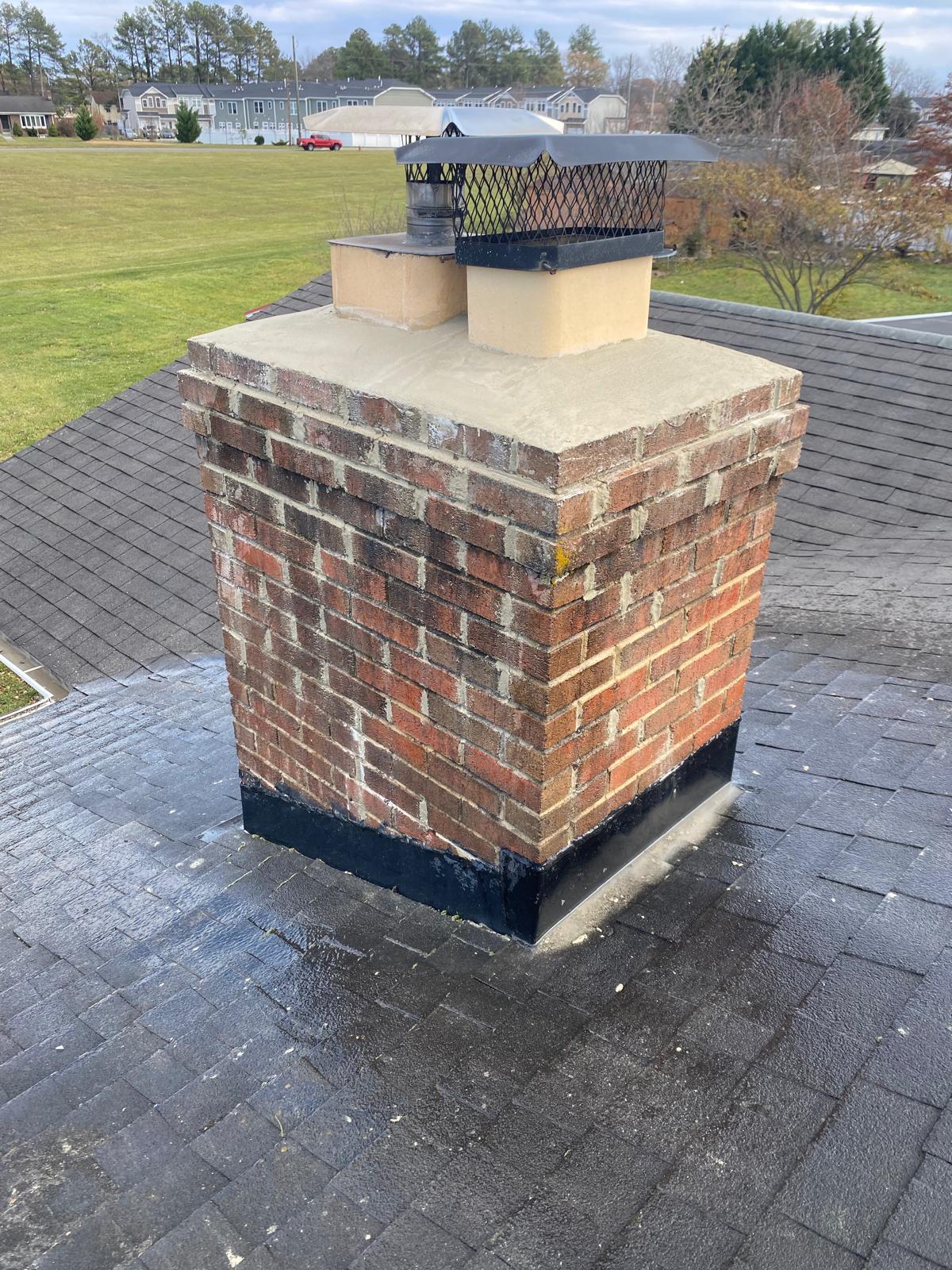
Ensure your chimney is topped with a properly installed, high-quality chimney cap. A good cap prevents debris, animals, and crucially, excessive rain during monsoon season from entering the flue. The chimney crown should be waterproofed and free of cracks. A cracked crown is an open invitation for water damage, exacerbated by the cycle of sun and rain.
Tuckpointing and Repointing
For chimneys with significant mortar damage, a process called tuckpointing (or repointing) can restore integrity. This involves grinding out old, deteriorating mortar and replacing it with fresh, durable mortar. It’s a precise skill best left to professionals and can significantly extend the life of your masonry, protecting it against further heat-induced stress.
Regular Maintenance: Your First Line of Defense
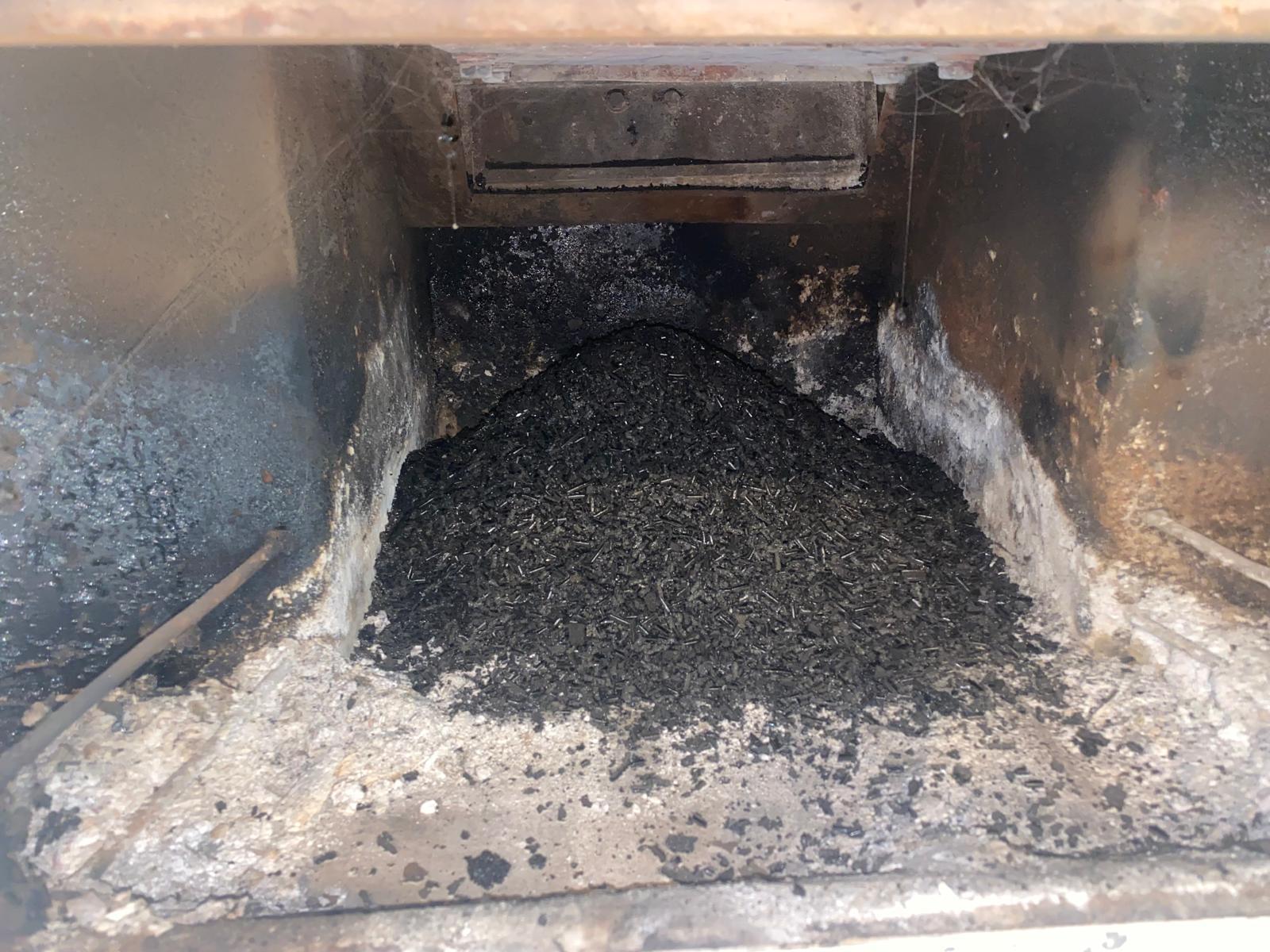
While the Phoenix desert doesn’t demand frequent creosote removal for active users, those who do use their fireplaces must prioritize cleaning. Even for infrequent users, other issues demand attention. Beyond creosote, a professional chimney sweep from DD Chimney Cleaning in Phoenix (or wherever you are, like DD Chimney Cleaning in Houston for our clients there) will also remove any animal nests, leaves, or other debris that may have accumulated over time, especially during windy periods. Blockages can lead to dangerous carbon monoxide buildup if a fireplace is eventually used.
Consider the cumulative impact: debris combined with intense heat can create unexpected risks. DD Chimney Cleaning provides thorough chimney cleaning services that not only address creosote but also assess overall flue health, helping to prevent hidden dangers.
When to Call the Professionals
Any signs of damage—be it cracked mortar, spalling bricks, or a compromised flue liner—warrant immediate professional attention. Attempting DIY repairs on a chimney can be dangerous and often leads to more extensive, costlier problems down the line. A certified chimney technician has the specialized tools, knowledge, and experience to diagnose problems accurately and implement lasting solutions. For homeowners seeking reliable chimney sweeping services in Los Angeles, DD Chimney Cleaning offers comprehensive solutions for all types of chimneys.
Don’t wait for a small crack to become a major structural issue. The sooner you address heat damage, the less extensive and expensive the repair will be. Professional help ensures safety and adherence to building codes, guaranteeing peace of mind.
Frequently Asked Questions (FAQ)
-
1. How often should a chimney in Phoenix be inspected, even if rarely used?
- A: We recommend annual inspections, regardless of usage. The extreme heat and environmental factors like UV radiation and monsoon rains in Phoenix can cause significant deterioration over time, even without fireplace use.
-
2. Can extreme heat