Ah, Pittsburgh! A city of bridges, champions, and charming, often historic, homes. While we at DD Chimney Cleaning typically spend our days ensuring the smooth operation of hearths under the perpetually sunny skies of Los Angeles, we know that the principles of a safe, clear flue apply everywhere. And when it comes to older homes, especially those sturdy beauties dotting the Pittsburgh landscape, understanding your furnace and boiler flues is less a suggestion and more a civic duty. These unsung heroes of your home’s heating system have a fascinating, if sooty, history, born from an era when coal smoke billowed from countless stacks, warming homes from Shadyside to the South Side.
Back in the day, when Pittsburgh was truly the “Steel City,” heating systems were robust, and their exhaust pathways, or flues, were built to handle the heavy-duty combustion of coal and later, oil. Fast forward to today, and many of these venerable homes still rely on these original flue systems, often tucked away in basements, silently doing their crucial job. But time, wear, and changing fuel sources mean these workhorses need a little extra TLC. So, let’s peel back the curtain (and maybe some soot!) to explore what it takes to keep these vital ventilation pathways in tip-top shape, ensuring safety and efficiency for years to come.
A Brief History of Pittsburgh’s Hearty Heating Systems (and Their Flues)
Picture it: the late 19th and early 20th centuries in Pittsburgh. Homes sprung up in neighborhoods like Polish Hill and Lawrenceville, often built with impressive brickwork and designed to withstand harsh winters. Their heating systems were equally formidable – coal-fired furnaces and boilers that produced tremendous heat. The byproduct? Loads of smoke and combustion gases, all needing a swift exit. That’s where the flues came in. These vertical shafts, often part of the larger chimney structure, were specifically designed to vent these gases safely out of your home.
Originally, many were unlined brick, robust but porous. As heating technology advanced from coal to oil and then natural gas, the demands on these flues subtly changed. Natural gas, for instance, produces more water vapor, which can condense and cause acidic damage to unlined masonry over time. This historical context isn’t just a fun fact; it’s a crucial insight into why regular inspection and maintenance are paramount for these classic Pittsburgh chimney flues.
Why Your Furnace/Boiler Flue Deserves More Than a Sideways Glance
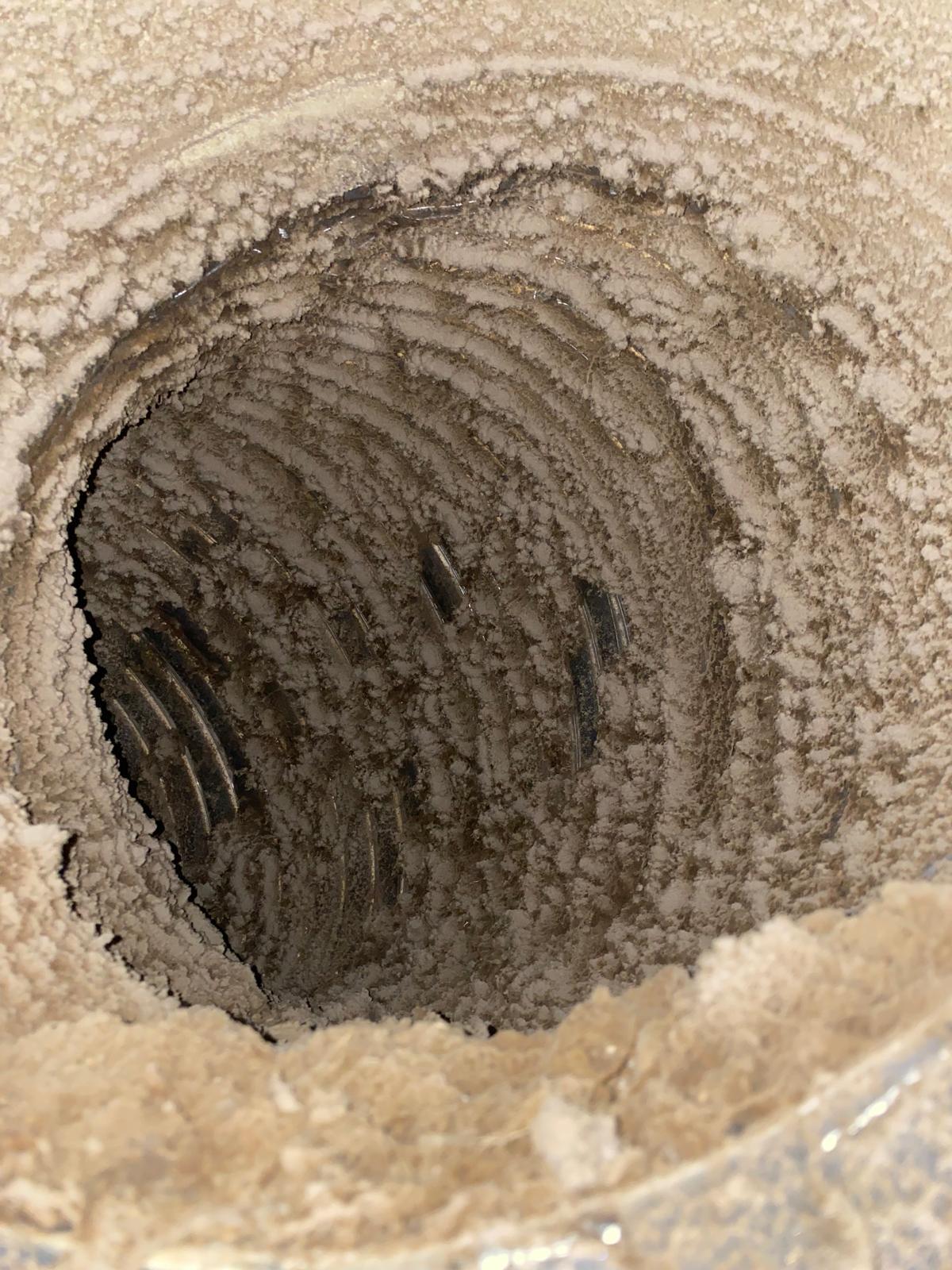
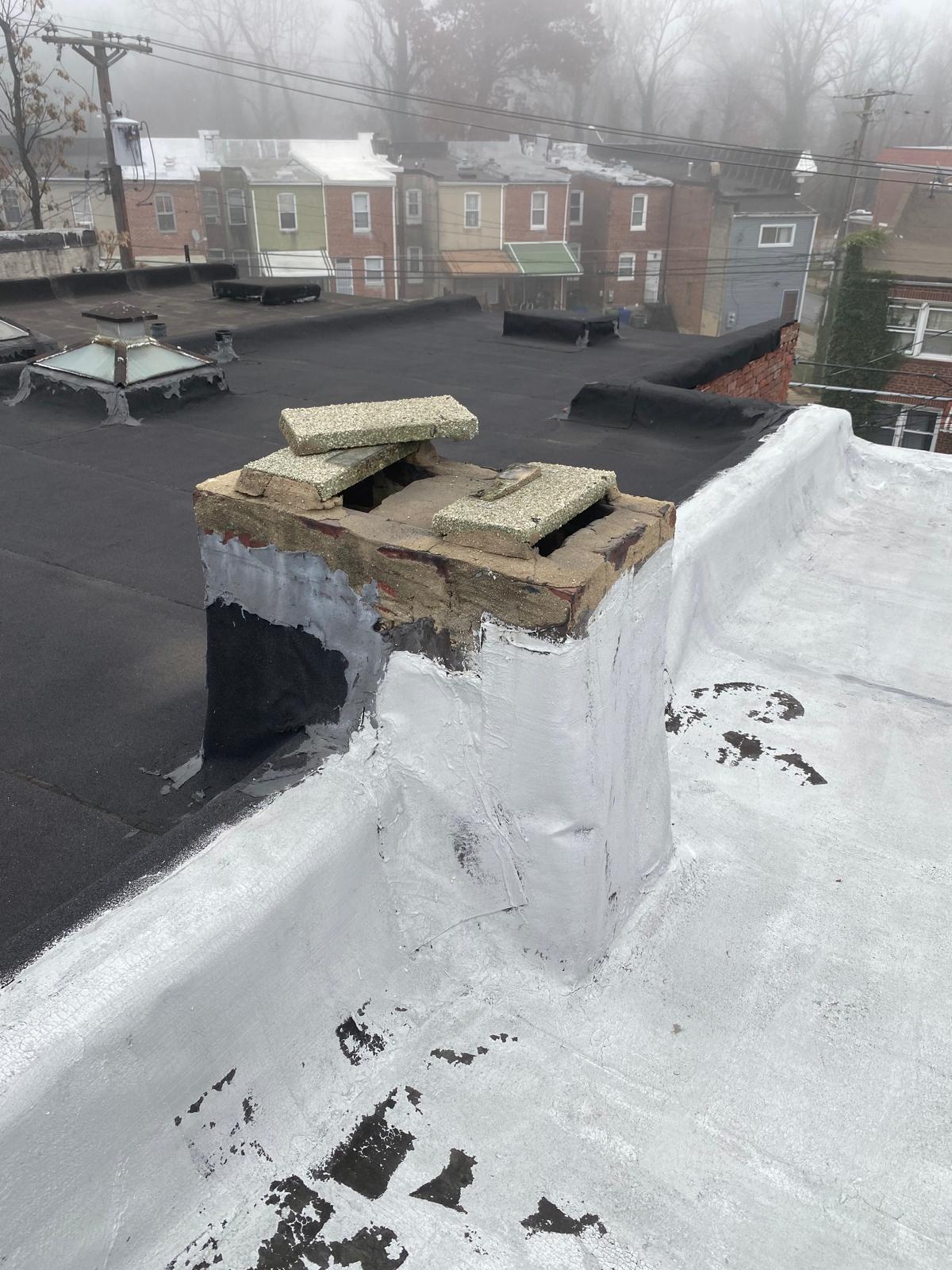
Let’s be blunt: your furnace or boiler flue is your home’s unsung hero of safety. It’s the silent bouncer, kicking out toxic combustion gases like carbon monoxide and preventing them from becoming unwelcome guests in your living room. A neglected flue can turn into a silent killer. Think blockages from bird nests, cracked masonry allowing gases to leak, or corrosive buildup narrowing the escape route. The dangers are real: carbon monoxide poisoning, house fires, and even structural damage to your home.
While we at DD Chimney Cleaning make sure fireplaces in Los Angeles are sparkling clean, we also understand the critical role these industrial-era flues play. Professional inspection, the kind that peers deep into the darkest corners of your chimney system, can spot issues before they escalate. Don’t play guessing games with your family’s health! When was the last time a professional checked your furnace flue? If you’re scratching your head, it’s probably been too long.
The Ultimate Guide to Flue Inspection (No Hard Hat Required, But a Flashlight Helps!)
Inspecting these hardworking flues isn’t just for the pros, but knowing when to call them is key.
DIY Visual Check (For the Brave & Curious)
- Exterior Examination: Safely (from the ground!) check the exterior of your chimney where the flue terminates. Look for visible cracks, crumbling mortar, or staining on the chimney stack itself. Sometimes you can spot an obvious bird’s nest or cap damage.
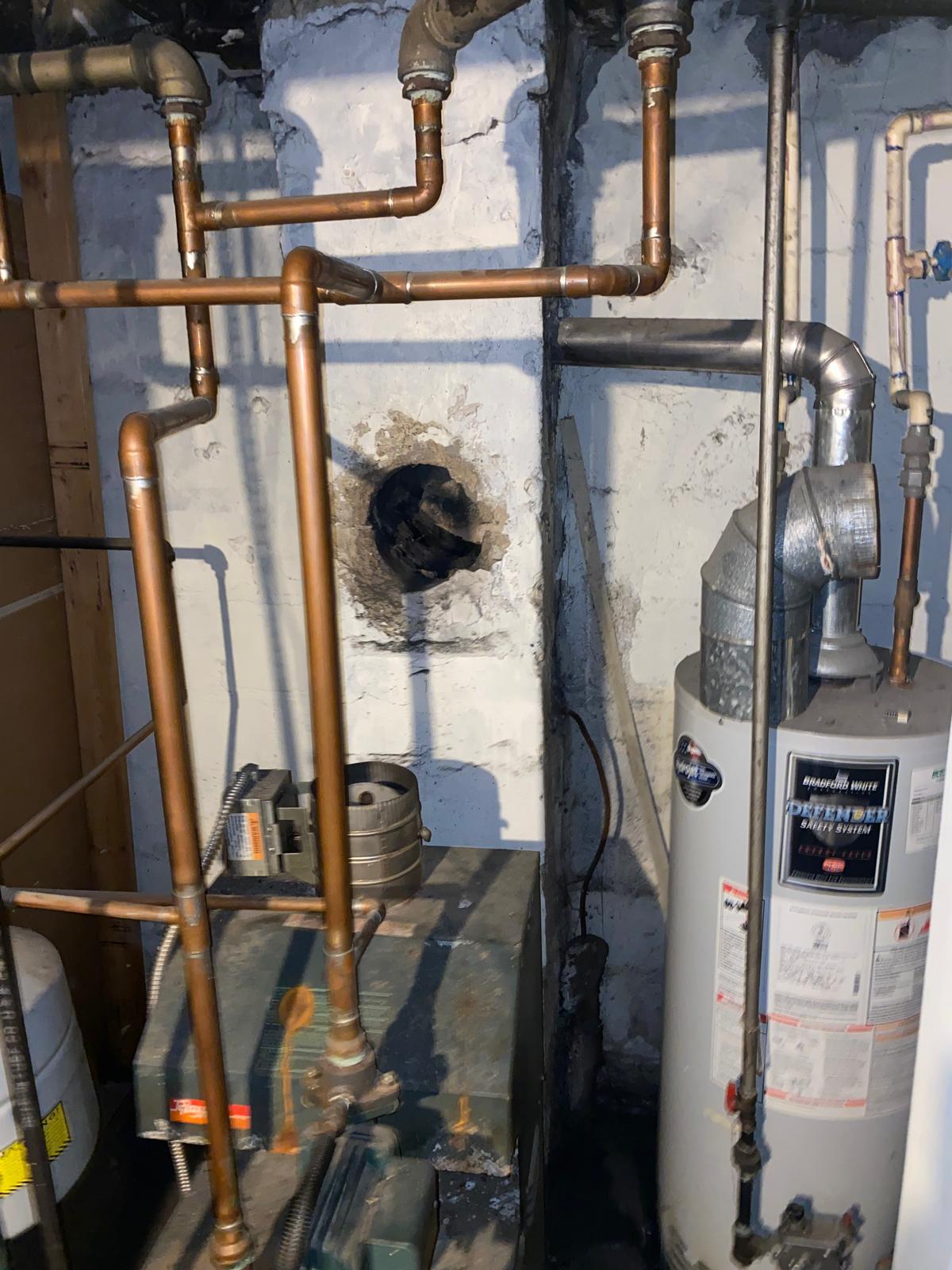
- Basement Browse: In the basement, locate the metal vent pipe connecting your furnace/boiler to the chimney. Is it securely attached? Are there any visible gaps, rust, or signs of backdrafting (soot streaks on the appliance or surrounding walls)?
- Sniff Test: A persistent, musty, or “fireplace-y” smell in your basement or living areas, especially when the furnace/boiler is running, can indicate a problem.
When to Call the Pros (Because Some Jobs Are Best Left to Experts)
While your keen eye is a good start, professional chimney cleaning and flue inspection is non-negotiable, especially for older Pittsburgh homes. Certified chimney sweeps have specialized cameras and tools to inspect the interior of the flue liner, identify subtle cracks, blockages, or deterioration that you’d never see from the outside. They can diagnose problems like creosote buildup in multifuel systems, or detect the corrosive effects of moisture from gas appliances. For unparalleled expertise, whether you’re dealing with soot in New York or historic brickwork in Pittsburgh, professionals are equipped to handle it.
Keeping Things Clear: Maintenance Tips for a Happy Flue
Regular Cleaning is King (or Queen!)
Just like you wouldn’t let your car go years without an oil change, your furnace or boiler flue needs regular cleaning. We recommend an annual professional inspection and cleaning. This removes any accumulated soot, debris, and, yes, those persistent bird or critter nests that love to make a home in your warm chimney. Blockages drastically reduce the flue’s efficiency and increase the risk of carbon monoxide backing up into your home. Think of it as spring cleaning for your furnace’s exhaust system – critical for safe operation.
Venting Your Frustrations (And Combustion Gases Safely)
Ensure that the area around your furnace or boiler is clear of obstructions. Never store flammable materials near heating appliances. Also, be aware of any recent home renovations that might have created negative air pressure, potentially “pulling” combustion gases back into your home instead of letting them escape through the flue. A correctly sized and installed flue liner is crucial for older systems. If your home has an unlined masonry flue, consider upgrading to a stainless steel liner – it’s a significant safety improvement and can improve efficiency. The experts at DD Chimney Cleaning understand these nuances and can offer valuable insights, even if you’re miles away from our Los Angeles service area. Give us a ring at (833) 339-6803 for top-tier advice on your chimney and flue health!
Flue Emergencies and Red Flags (Don’t Be a Hero, Just Call One!)
Some situations scream, “Call a professional NOW!”
- Your Carbon Monoxide Detector Goes Off: Evacuate immediately and call 911, then your gas company and a professional chimney sweep. This is not a drill!
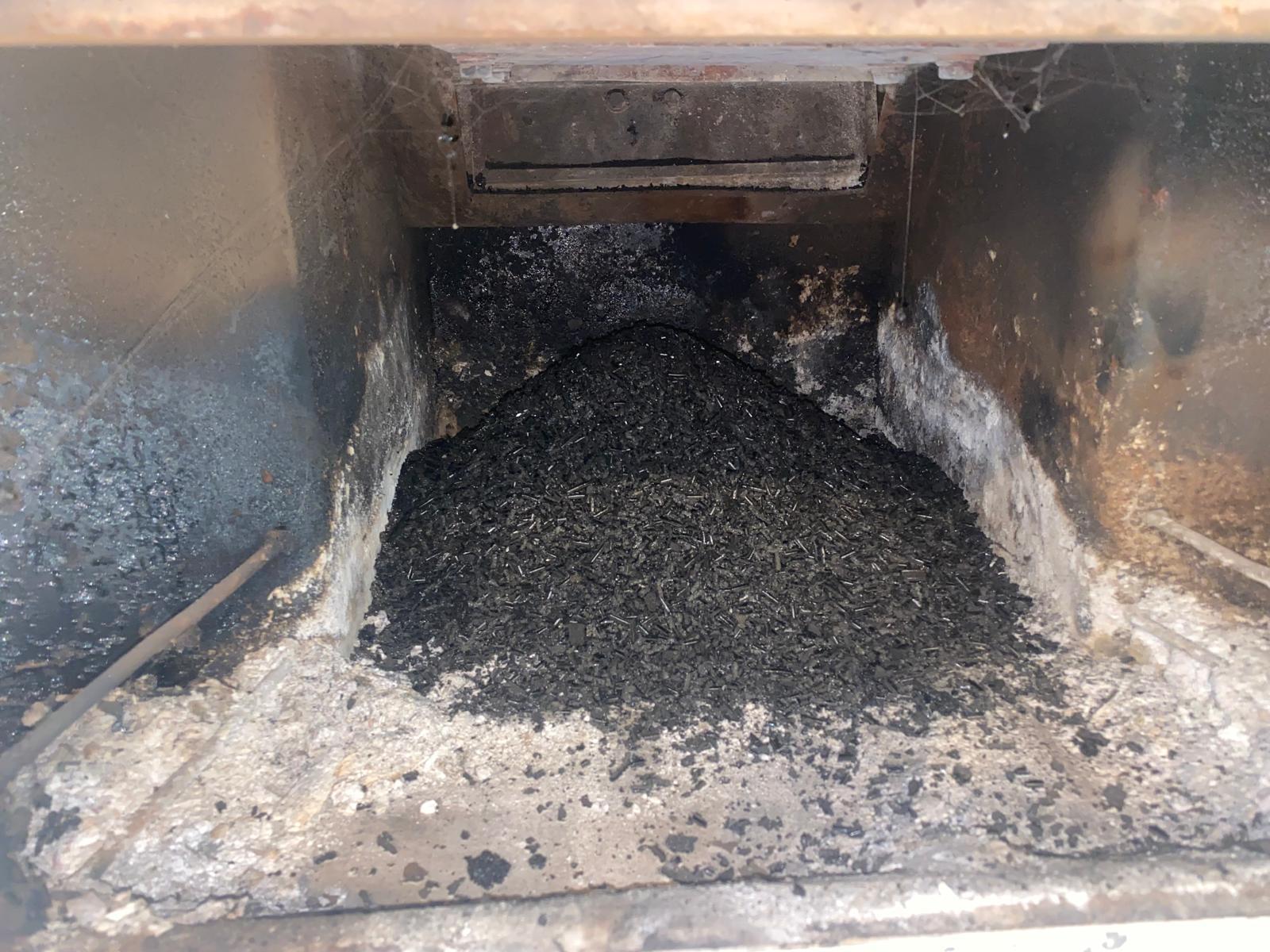
- Soot or Debris Falling into the Appliance: This indicates serious flue deterioration or blockage.
- A Persistent, Lingering Odor: Especially a metallic, smoky, or sour smell.
- Visible Smoke or Soot Around the Appliance: A sure sign of backdrafting.
- Rust or Moisture Around the Flue Pipe: Can signal condensation issues or flue damage.
Ignoring these red flags is like playing Russian roulette with your home and health. Whether you’re in the bustling heart of Chicago or dealing with the historic charm of Pittsburgh, flue problems are serious business. Always prioritize safety over attempting a DIY fix for emergencies.
FAQ: Your Burning Questions About Furnace/Boiler Flues Answered
Q: What exactly is a furnace/boiler flue?
A: It’s the exhaust pathway, usually a pipe or a section of your chimney, that safely vents hazardous combustion gases (like carbon monoxide) from your heating appliance out of your home.
Q: How often should my furnace/boiler flue be inspected and cleaned?
A: Annually is the gold standard! Even if it looks fine from the outside, internal damage or blockages can develop over time.
Q: Can I clean my furnace/boiler flue myself?
A: We strongly advise against it. Specialized tools, training, and knowledge are required to do it safely and effectively. You could easily cause more harm than good or miss critical safety issues.
Q: What are the signs of a blocked flue?
A: Look for strange odors, soot stains on or near the appliance, a decrease in heating efficiency, visible smoke or fumes, and most importantly, your carbon monoxide detector going off.
Q: Is carbon monoxide really that dangerous?
A: Absolutely. It’s a colorless, odorless, tasteless gas that can be fatal. A properly functioning flue is your primary defense. Always have working CO detectors on every level of your home.
Q: Why are older homes in places like Pittsburgh more prone to flue issues?
A: Many older homes have original masonry flues that may not have been designed for modern gas appliances, leading to condensation damage. They’ve also simply had more time to suffer wear and tear, blockages, and shifting foundations.
Q: Does DD Chimney Cleaning work on furnace flues?
A: Yes! Our expertise in chimney cleaning extends to all types of flues, including those connected to furnaces and boilers, ensuring safe and efficient operation. While our primary service area is Los Angeles, our knowledge is universal.
Keep Your Flues Flowing Freely!
From the historic homes of Pittsburgh to the sunny abodes of Los Angeles, a safe flue is a safe home. Don’t let your furnace or boiler’s exhaust system be an afterthought. Whether you have a roaring fireplace or a hardworking boiler, regular professional inspection and cleaning are non-negotiable. For expert chimney cleaning that covers all your flue needs in Los Angeles, trust the pros at DD Chimney Cleaning. We’re ready to help keep your home safe and sound! Call us today at (833) 339-6803.