Your chimney, a supposed guardian of cozy fires, is secretly sabotaging your home’s energy bill. This isn’t hyperbole; for countless homeowners in Los Angeles, the neglected chimney represents a significant, often overlooked, drain on their HVAC efficiency. While we often associate chimneys with the romantic flicker of a fireplace, their impact extends far beyond the aesthetic, deeply influencing how effectively your heating and cooling systems operate, especially in our unique Southern California climate. Many assume that if the fireplace isn’t in regular use, the chimney can be left to its own devices. This is a dangerous and costly misconception.
The Unseen Culprit: How Chimney Neglect Harms Your HVAC
In a city like Los Angeles, where year-round temperature fluctuations can be dramatic – from the mild warmth of spring to the scorching heat of summer, and the surprising chill of a Santa Ana wind event – a well-functioning HVAC system is not a luxury, but a necessity. The chimney, an integral part of your home’s structure, plays a surprisingly direct role in this efficiency. Even when not actively in use for a fire, an unsealed or damaged chimney can become a conduit for uncontrolled air exchange between your conditioned indoor environment and the external atmosphere. This translates directly into higher energy consumption, forcing your HVAC system to work overtime to maintain comfortable temperatures.
Air Leakage: The Silent Energy Thief
Consider your home as an ecosystem of controlled air. Your HVAC system is designed to heat or cool this specific volume of air, maintaining it within a desired temperature and humidity range. A chimney, when not properly sealed, acts like a gaping hole in this system. During colder months, warm, conditioned air can escape up the chimney, even when no fire is lit, due to the stack effect. Conversely, in hotter months, the hot air from outside can infiltrate your home through an unsealed chimney flue. This constant influx of unconditioned air forces your air conditioner or heater to cycle more frequently, consuming significantly more electricity or gas. Think of it like trying to keep a room cool while leaving a window wide open – it’s an uphill battle, and your energy bills will bear the brunt of it.
Statistics from the Department of Energy suggest that significant energy loss can occur through attics, basements, and yes, chimneys. While precise figures for chimney-related HVAC inefficiency can vary widely based on chimney design, condition, and usage, it’s not uncommon for this loss to account for 10-20% of a home’s total heating and cooling energy expenditure. For a city like Los Angeles, with its diverse housing stock ranging from historic Craftsman bungalows in Pasadena to modern developments in downtown, the impact can be substantial.
Creosote Buildup: More Than Just a Fire Hazard
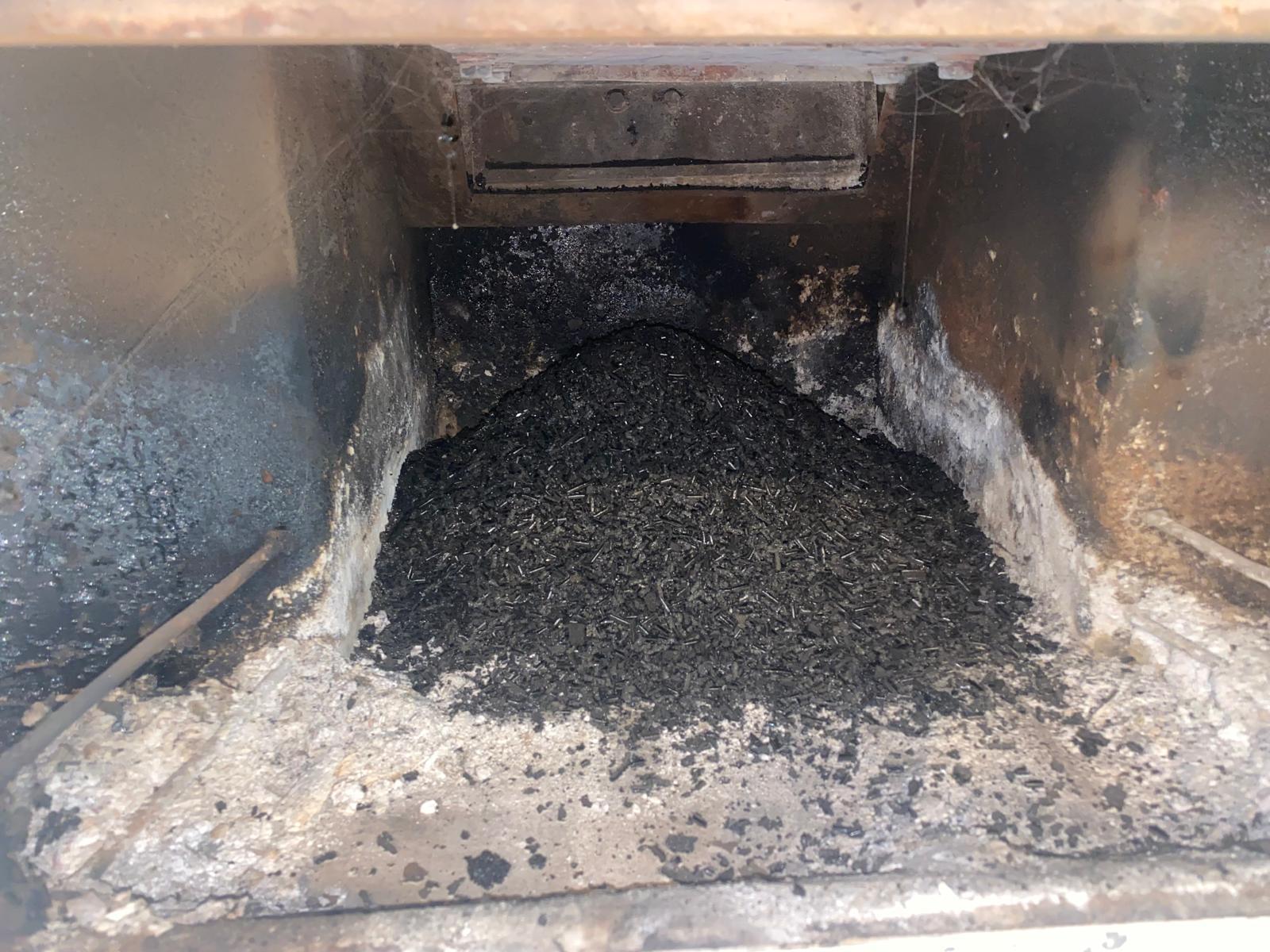
The primary concern associated with chimneys is often fire safety, and rightfully so. The buildup of creosote, a highly flammable byproduct of burning wood, is a significant risk factor. However, creosote’s impact isn’t confined to the risk of a chimney fire. A thick layer of creosote within the flue lining acts as an insulator, but not in a beneficial way. While it may slightly impede immediate airflow when cold, once heated by an active fire, it becomes a detrimental insulator that can hinder efficient smoke and gas expulsion. More importantly for HVAC efficiency, the presence of a creosote-lined flue can contribute to poor draft, meaning combustion byproducts don’t exit as efficiently. This can lead to unburned gases and particles being pushed back into the home, impacting indoor air quality and forcing your HVAC to work harder to circulate and filter the air.
Structural Integrity and HVAC Functionality
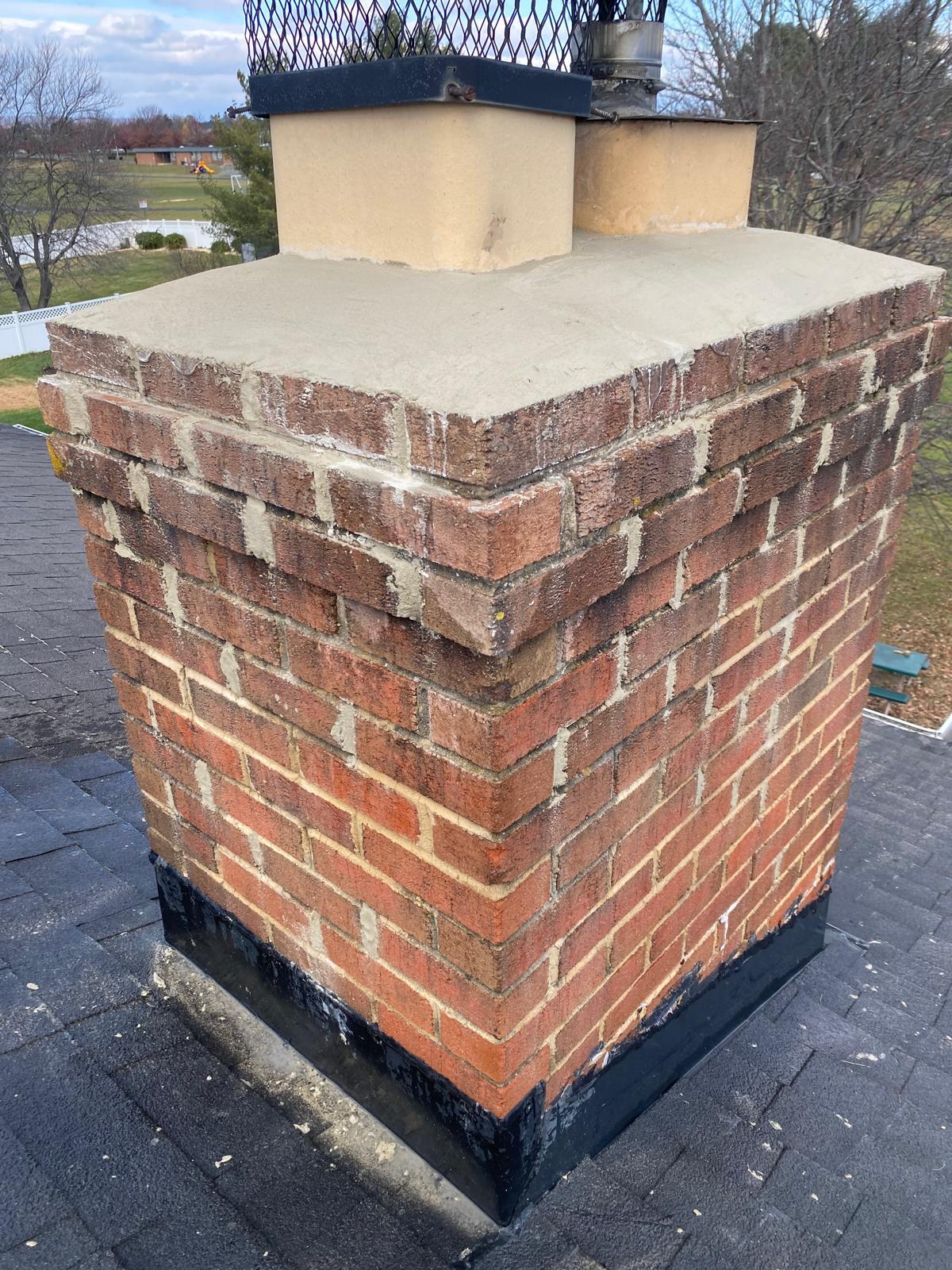
Beyond direct air leakage and creosote, the structural integrity of your chimney is paramount. Cracked or damaged flue liners, crumbling mortar, or deteriorated masonry can all create pathways for air infiltration. Furthermore, a structurally unsound chimney can lead to blockages, such as bird nests or debris, which severely impede airflow. When the chimney’s primary function of venting combustion byproducts is compromised, it can negatively impact the performance of other appliances that rely on proper venting, including some high-efficiency furnaces and water heaters, which might have secondary venting systems that can be indirectly affected by overall chimney health. In older homes prevalent in neighborhoods like Hancock Park or Silver Lake, structural issues can become more pronounced over time, demanding professional assessment.
The Los Angeles Climate: Unique Challenges, Essential Solutions
Los Angeles boasts a climate that, while often perceived as consistently warm, presents a nuanced set of challenges for home energy efficiency. We experience periods of intense heat requiring robust air conditioning, followed by cooler evenings and even chilly winter days necessitating heating. Furthermore, the infamous Santa Ana winds can drastically alter ambient temperatures and air pressure, exacerbating air leakage issues in homes. The dry conditions also contribute to dust and particulate matter, which can accumulate in chimneys and impact their performance.
Air Conditioning Efficiency in SoCal Summers
During the long, hot summers, your air conditioner is your primary defense against discomfort. An unsealed or damaged chimney becomes a direct competitor to your AC’s efforts. Hot, dry air from the outside can seep in, increasing the internal temperature and humidity. This forces your AC unit to run longer and at higher capacities to compensate, leading to inflated electricity bills. A well-maintained and properly sealed chimney, with a functional damper, acts as an insulator and barrier, preventing this unnecessary heat intrusion. Imagine the difference between trying to cool a house with open windows versus a tightly sealed home – the latter is infinitely more efficient.
Heating System Performance in Cooler Months
While Los Angeles doesn’t typically endure the harsh winters found in places like Detroit, the cooler months still necessitate heating. The stack effect, where warm air rises and escapes, is particularly pronounced during this time. If your chimney flue is not adequately sealed or has a functioning damper, warm air from your heating system will escape upwards, meaning less heated air stays in your living space. Your furnace will have to work harder and longer to achieve the desired temperature, consuming more fuel or electricity. This is especially true for older homes in areas like Glendale or Pasadena that might have less advanced insulation and sealing compared to newer constructions.
The Impact of Air Quality and Ventilation
Even if you rarely use your fireplace, the chimney still interacts with your home’s overall ventilation. In a region that can experience air quality advisories due to smog or wildfires, proper indoor air circulation is crucial. A compromised chimney can contribute to uneven air distribution and potentially allow external pollutants to infiltrate your home more easily if the flue isn’t properly sealed. When your HVAC system is constantly battling with poor ventilation or air leakage due to a faulty chimney, its ability to maintain healthy indoor air quality diminishes, and its operational lifespan can be negatively affected.
Beyond the Fireplace: The Hidden Benefits of Chimney Maintenance for HVAC
The benefits of professional chimney maintenance, particularly in the context of HVAC efficiency, extend far beyond simply ensuring safety during the rare use of a fireplace. It’s about preserving the overall health and efficiency of your entire home’s environmental control system. A professional inspection can identify issues that might not be apparent to the untrained eye, such as hairline cracks in the flue liner, deteriorating mortar joints, or failing damper seals – all of which contribute to energy loss.
The Damper: A Critical, Often Overlooked Component
The damper is a crucial component of your chimney, designed to seal off the flue when the fireplace is not in use. It acts as a vital barrier against air infiltration. Many older homes, and even some newer ones, have outdated throat dampers that can warp, rust, or fail to seal completely over time. Modern top-sealing dampers, installed at the top of the chimney, offer a far more effective seal, preventing both air loss and water intrusion. Ensuring your damper functions correctly and seals tightly is one of the most straightforward yet impactful ways to improve your HVAC efficiency, particularly in coastal regions like Santa Monica or inland communities like Rancho Cucamonga where air pressure changes can be significant.
Sealing and Insulation: Fortifying Your Chimney
Professional chimney cleaning and inspection often involve recommendations for sealing and insulation improvements. This can include repairing cracks in the flue liner with specialized compounds, repointing deteriorated mortar, or ensuring proper sealing around the chimney base where it enters the living space. These measures create a more airtight envelope for your home, preventing the uncontrolled exchange of air that plagues inefficient systems. In neighborhoods with older housing stock, like those in the San Fernando Valley, addressing these specific structural elements can yield significant energy savings.
Preventative Maintenance: A Proactive Approach to Savings
Think of chimney maintenance as a proactive investment in your home’s energy efficiency. Regular inspections and cleanings, perhaps once a year, allow trained professionals to identify and address minor issues before they escalate into costly problems. This preventative approach not only safeguards against fire hazards but also ensures your HVAC system doesn’t have to compensate for chimney-related inefficiencies. This is a principle that holds true whether you live in the bustling heart of Los Angeles or a quieter community nearby. The expertise provided by a company like DD Chimney Cleaning in Los Angeles ensures that potential problems are caught early, saving you money in the long run on energy bills and potentially expensive repairs to your HVAC system.
Expert Insights: What Professionals Look For
Certified chimney sweeps and technicians are trained to identify a myriad of issues that can impact both safety and efficiency. Their expertise goes beyond simply removing soot; they are essentially home performance diagnosticians for your chimney system. They understand the complex interplay between your chimney, your fireplace (or its absence), and your home’s ventilation and HVAC systems.
The Chimney Inspection Checklist
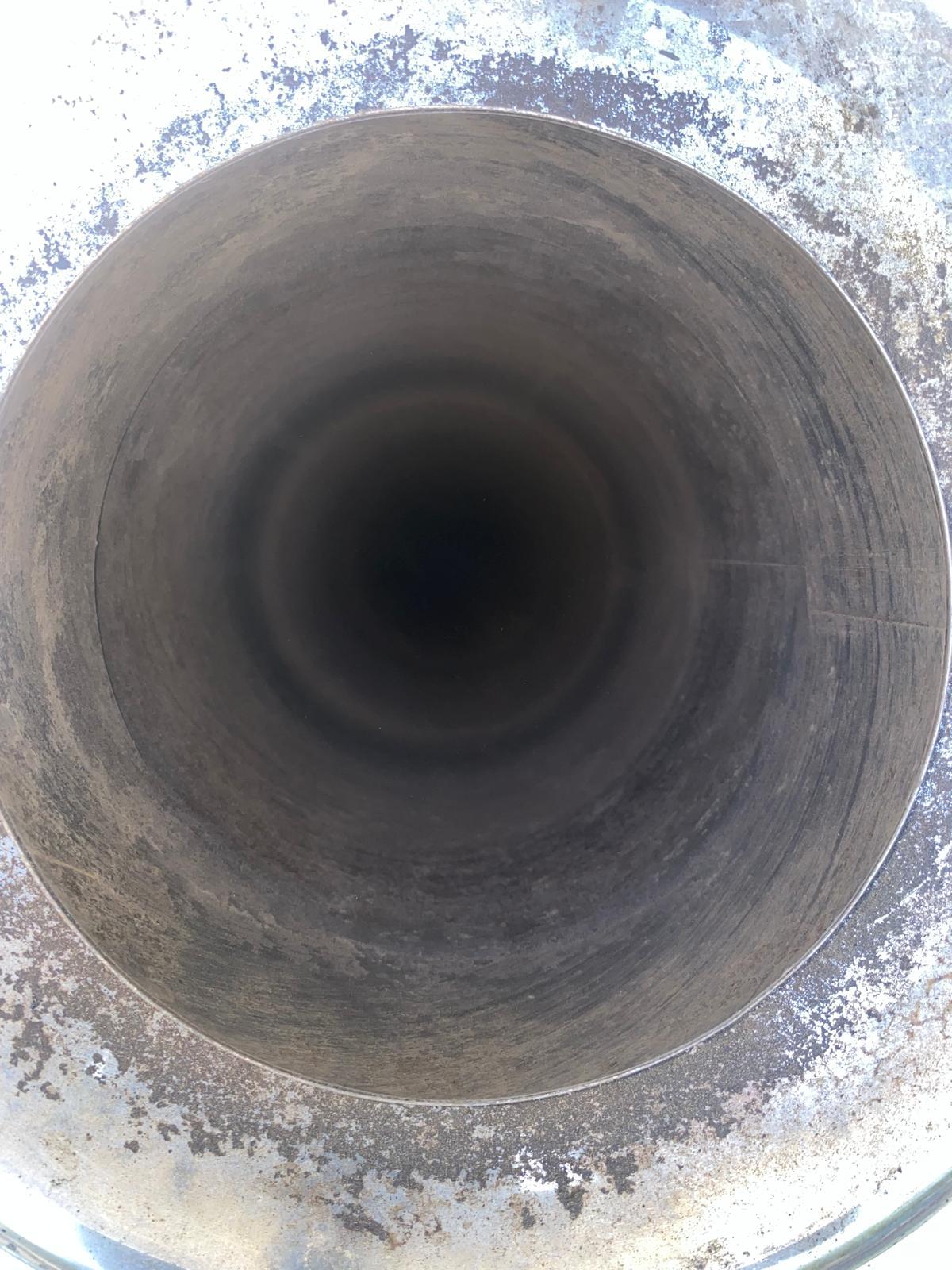
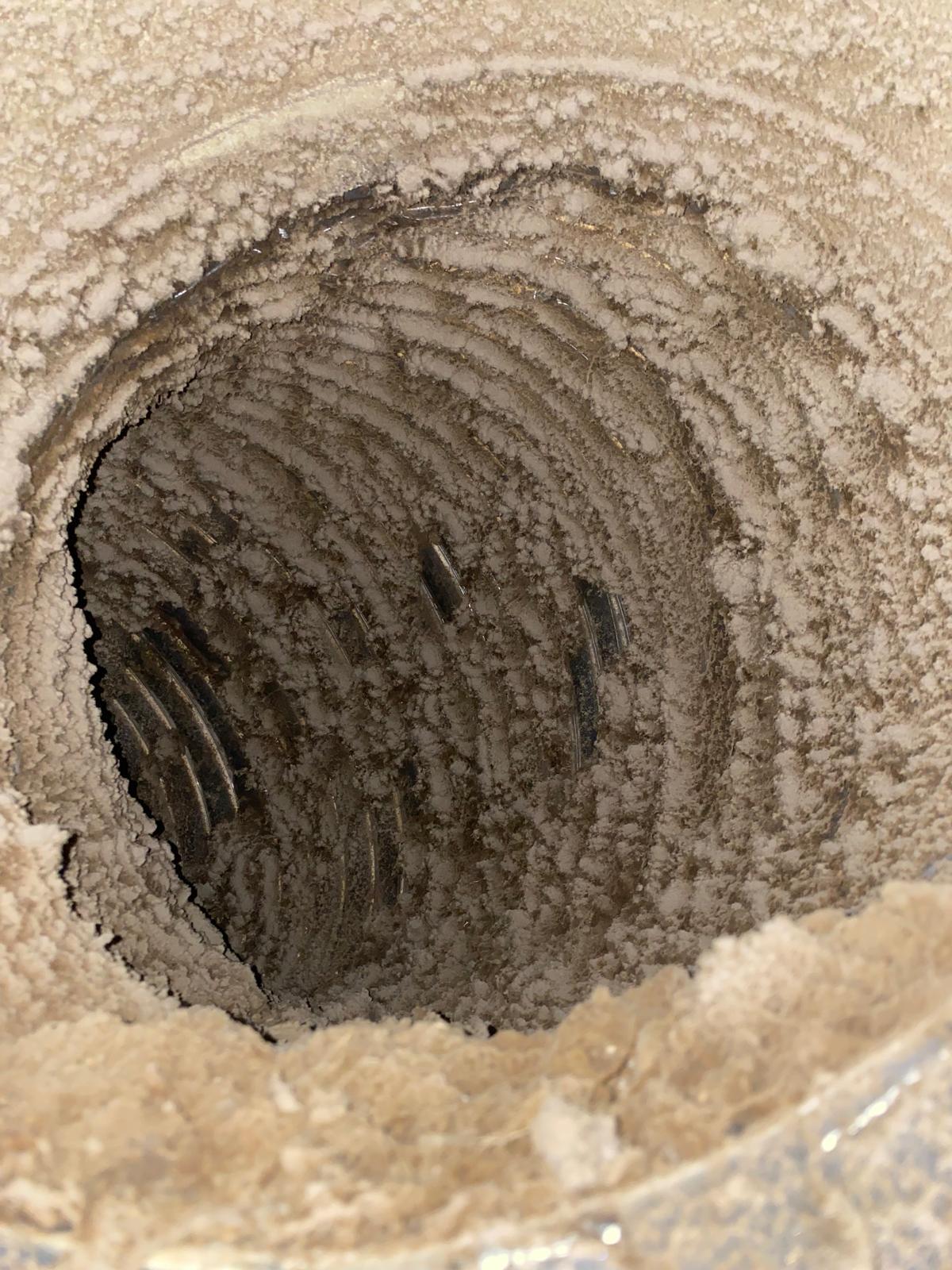
A thorough inspection typically involves examining the exterior of the chimney for structural damage like leaning, cracked crowns, or missing masonry. Internally, they will inspect the flue liner for cracks, blockages (animal nests, debris), and creosote buildup. The condition of the damper, the firebox, and the smoke chamber are also critical components assessed. Professionals often use specialized tools, including cameras, to get a comprehensive view of the flue’s interior. This meticulous approach ensures no potential issues impacting your HVAC are overlooked.
Understanding Draft and Airflow
A key element professionals assess is the chimney’s draft – the upward flow of air and combustion gases. A proper draft is essential for safe and efficient operation. Poor draft can be caused by blockages, undersized flues, or even issues with the chimney’s height relative to surrounding structures. When a chimney doesn’t draft correctly, it can lead to inefficient burning of fuel (if a fireplace is used) and can also disrupt the natural ventilation patterns within your home, forcing your HVAC system to work harder. This is a principle that is universally applicable, from the coastal breezes of Philadelphia to the dry heat of Los Angeles. A properly functioning draft is integral to maintaining optimal air exchange within your home.
The Link to Indoor Air Quality
Beyond energy efficiency, a properly functioning chimney is crucial for maintaining healthy indoor air quality. Inefficient venting can lead to carbon monoxide (CO) buildup if a fuel-burning appliance is used. Even without a fire, a damaged flue can allow infiltration of outside pollutants or potentially draft-related issues that affect air circulation. Professionals are trained to identify these potential sources of air contamination and recommend solutions. This is a paramount concern in densely populated areas of Los Angeles, where maintaining clean indoor air is a constant consideration.
Frequently Asked Questions About Chimneys and HVAC Efficiency
Q1: I don’t use my fireplace. Do I still need to worry about my chimney’s impact on my HVAC system?
A: Absolutely. Even when not in use, an unsealed or damaged chimney can be a significant source of air leakage, allowing conditioned air to escape and unconditioned air to enter. This forces your HVAC system to work harder, increasing energy consumption.
Q2: How can I tell if my chimney is affecting my HVAC efficiency?
A: Signs include unexplained spikes in your energy bills, drafty rooms near the fireplace, unusual odors when the HVAC system runs, or if your HVAC system seems to be running more often than it should for the ambient temperature. A professional inspection is the most reliable way to diagnose issues.
Q3: What is a damper, and why is it important for HVAC efficiency?
A: A damper is a valve within the chimney flue that can be opened or closed. When closed, it seals the flue, preventing air from entering or leaving your home. A properly functioning damper is crucial for preventing energy loss when the fireplace is not in use.
Q4: How often should my chimney be inspected and cleaned, especially concerning HVAC efficiency? If you’re also looking for roofing help, Valley Roofing is a trusted provider.
A: For safety and efficiency, an annual inspection and cleaning are generally recommended by chimney professionals. This allows for early detection of potential issues that could impact your HVAC system and home safety. We recommend checking out Air Duct Cleaning in Los Angeles for additional air duct cleaning needs.
Q5: Can a chimney leak water, and how does that affect my HVAC?
A: Yes, damaged chimney crowns or flashing can allow water to enter the flue and chimney structure. This moisture can lead to mold and mildew growth, which negatively impacts indoor air quality and can require your HVAC system to work harder to dehumidify the air. It can also damage the chimney structure itself, leading to further air infiltration.
Q6: Are there specific chimney issues more common in Los Angeles homes that affect HVAC?
A: While not exclusive to LA, older homes might have deteriorating masonry and less effective original flue liners. The dry, windy conditions of Southern California can also lead to more debris accumulation in chimneys. Addressing air sealing around the chimney penetrations into the living space is also critical in our varied climate.
Q7: I’m considering a chimney cap. Will that help my HVAC efficiency?
A: A chimney cap primarily protects against rain, snow, animals, and debris entering the flue. While it doesn’t directly seal the flue like a damper, by preventing blockages and water intrusion, it contributes to overall chimney health, which indirectly supports better HVAC performance by ensuring the flue remains clear and functional.
Don’t Let Your Chimney Be a Silent Saboteur of Savings
The evidence is clear: your chimney is more than just an opening for smoke; it’s an integral part of your home’s thermal envelope. In a city like Los Angeles, where energy costs can be a significant concern and maintaining a comfortable indoor environment is a year-round priority, neglecting your chimney is a costly oversight. Proactive chimney maintenance isn’t just about fire safety; it’s a fundamental step towards optimizing your HVAC system’s performance, reducing your energy bills, and ensuring a healthier, more comfortable living space. Don’t wait for a problem to arise. Invest in your home’s efficiency and peace of mind.
Ensure your chimney is contributing to your home’s comfort, not detracting from it. For expert chimney inspection, cleaning, and repair services in the Los Angeles area, call DD Chimney Cleaning today at (833) 339-6803. Let us help you maximize your HVAC efficiency and enjoy a more comfortable home.
Our Chimney Services:
Professional chimney cleaning and chimney inspection services available nationwide. Our CSIA-certified technicians serve Chicago, New York, Boston, Houston, and hundreds of cities nationwide. Call (833) 339-6803 for a free inspection.