Ah, the humble chimney! For centuries, ever since our ancestors first figured out that smoke inhalation wasn’t quite the secret to a long life, chimneys have been an essential part of keeping homes warm and breathable. From ancient Roman hypocaust systems to medieval hearths and the grand fireplaces of Victorian Los Angeles mansions, their core function remains – to usher away smoke and combustion byproducts. But while the classic brick stack might evoke a cozy, old-world charm, many Los Angeles homeowners are realizing their chimneys can be significant culprits in energy waste. With fluctuating energy costs and a desire for greener living, it’s time to look beyond just clearing the flue and consider how upgrading your chimney can enhance both energy efficiency and heat retention, even during our famously “mild” winters.
Mistake #1: Sticking with an Antiquated Damper System
One of the biggest culprits of heat loss up your chimney isn’t a crack in the brick, but a poorly functioning or outdated damper. Think of your chimney as a giant hole in your roof – without a proper seal, warm air escapes, and cold air infiltrates, essentially acting like a gaping, perpetually open window. Traditional throat dampers, located just above the firebox, often don’t seal completely, especially after years of soot and wear. A gap of just an eighth of an inch can allow as much warm air to escape as a perpetually open 24-inch window! That’s like paying to heat your backyard instead of your living room in Silver Lake!
The Fix: Upgrade to a Top-Sealing Damper
Modern top-sealing dampers, installed at the very top of your chimney, provide a much tighter seal. These often feature a gasket that clamps down, creating an airtight barrier against heat loss, drafts, and even unwanted critter guests. This small upgrade can significantly reduce your home’s energy consumption. Moreover, for these dampers to function optimally and seal completely, a clean flue is paramount. Creosote buildup or debris can prevent a full seal, negating much of the benefit. This is where DD Chimney Cleaning in Los Angeles steps in – ensuring your flue is pristine so your new damper can do its job.
Mistake #2: Neglecting Your Flue Liner’s Integrity and Efficiency
Your chimney’s flue liner is its unsung hero, providing a protective barrier between the fire’s byproducts and the chimney’s masonry. It directs smoke efficiently and, crucially, protects your home from heat transfer that could ignite nearby combustible materials. Historically, many LA homes might have clay tile liners, but these can crack over time due to thermal stress or seismic activity (hello, California!). A cracked liner doesn’t just reduce efficiency; it’s a serious safety hazard, allowing dangerous gases like carbon monoxide to leak into your home and heat to compromise your structure.
The Fix: Inspect and Upgrade Your Flue Liner
Consider upgrading to a stainless steel, insulated flue liner. These are durable, resistant to corrosion, and provide better insulation, leading to more efficient drafting and less creosote buildup. The insulation helps maintain higher flue gas temperatures, reducing condensation that causes creosote. While DD Chimney Cleaning specializes in chimney cleaning in Houston and across regions, we always recommend regular inspections to assess the health of your liner. A professional chimney sweep, like those at DD Chimney Cleaning, can identify issues early, helping you avoid costly repairs and ensure your chimney operates safely and efficiently.
Mistake #3: Letting Heat Escape Through Firebox and Hearth Leaks
Even if your damper and liner are top-notch, tiny cracks or poorly sealed joints around your firebox and hearth can be silent energy assassins. We’re talking about those hairline fractures in the mortar or gaps where the firebox meets the chimney breast – often overlooked. These subtle breaches can create drafts, allowing heated air to be sucked up the chimney or cold air to seep into your living space, undermining your heating efforts, especially in older homes around neighborhoods like Hancock Park or Pasadena.
The Fix: Seal Up Those Leaks!
A meticulous inspection can reveal these sneaky leaks. Using refractory cement or heat-resistant caulk, you can seal cracks in the firebox and surrounding masonry. Ensuring proper insulation behind the firebox (if accessible) also plays a vital role. While we primarily focus on keeping your chimney clean, our expertise means we often spot these issues during routine service calls, empowering you to address them. Think of it as patching up the holes in your thermal blanket – every bit helps keep your home snug and your energy bills down.
Mistake #4: Skipping Annual Chimney Cleaning Like It’s a Dental Appointment
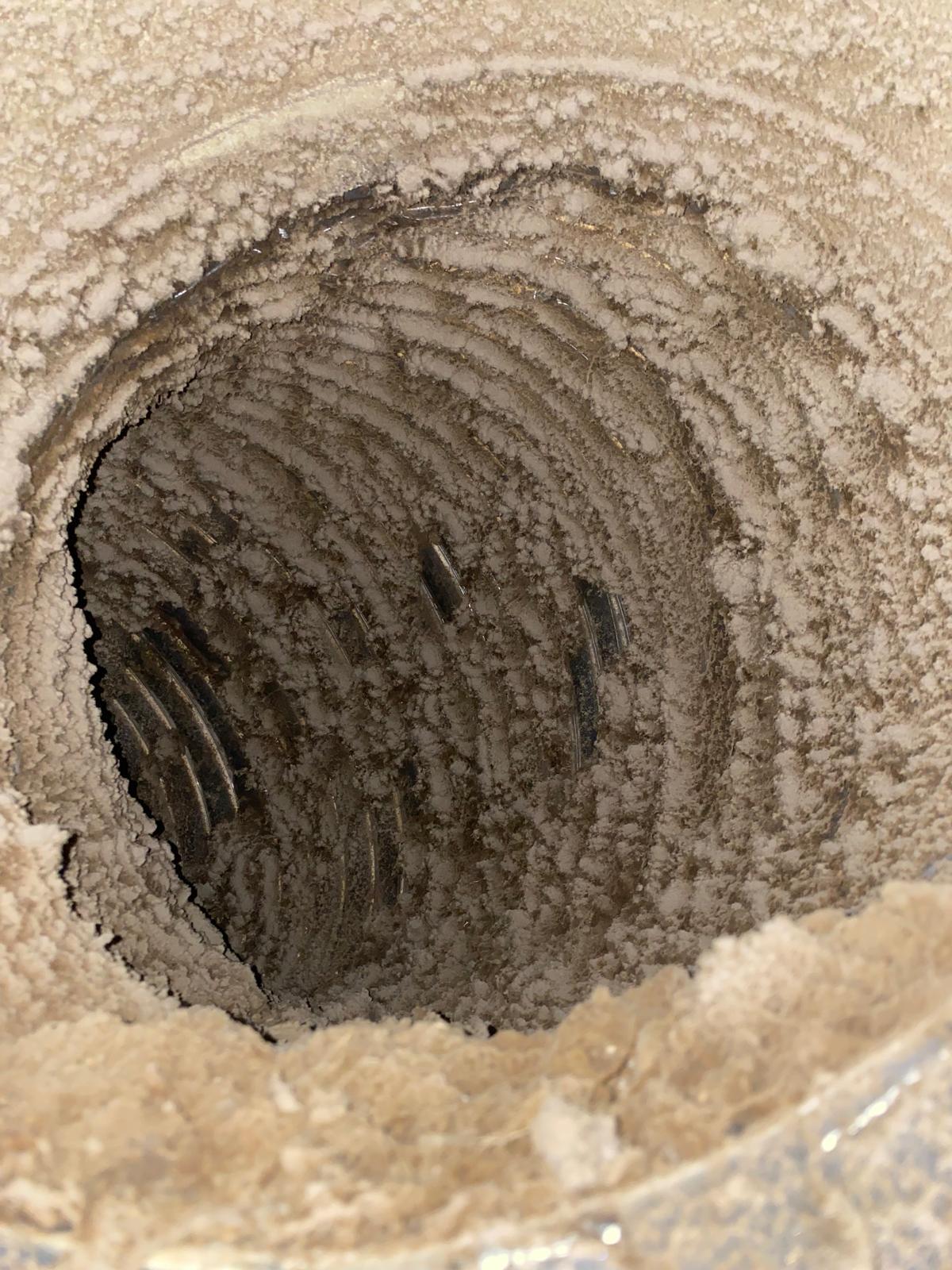
Okay, we’re a chimney cleaning company, so you know this one’s coming, but it’s not just a sales pitch – it’s crucial for efficiency and safety. Creosote, the tarry, flaky residue left by burning wood, is highly flammable and, as it builds up, it constricts your flue. A narrowed flue reduces draft, meaning your fires burn less efficiently, producing more smoke and less heat. It’s a vicious cycle that costs you money in fuel and increases your risk of a chimney fire. Plus, the constant marine layer we sometimes get in LA can exacerbate condensation, leading to faster creosote buildup.
The Fix: Schedule Your DD Chimney Cleaning Annually!
Regular chimney cleaning in Dallas and here in Los Angeles isn’t just about preventing fires (though that’s a HUGE benefit!). It’s about optimizing your chimney’s performance. A clean flue allows your fireplace to draft properly, burn wood more completely, and send more warmth into your home rather than up the chimney as wasted energy. Our skilled technicians at DD Chimney Cleaning, serving all of Los Angeles, remove all creosote and debris, ensuring maximum efficiency and safety. Call us at (833) 339-6803 before your next burning season.
Mistake #5: Ignorance is NOT Bliss When It Comes to What You Burn
You might think “wood is wood,” but burning the wrong type or improperly seasoned wood is a major efficiency killer and creosote producer. Wet, unseasoned wood has a high moisture content, meaning much of your fire’s energy goes into boiling off water instead of generating heat. This inefficient burn also produces more smoke, leading to faster and heavier creosote buildup, which then compounds all the efficiency problems we’ve already discussed.
The Fix: Burn Smart, Stay Warm
Always burn well-seasoned hardwood (dried for 6-12 months, ideally with a moisture content below 20%). Look for wood that sounds hollow when tapped, has cracked ends, and is lighter in weight. Avoid burning trash, treated wood, or anything that isn’t natural wood, as these can release toxic chemicals and create hard-to-remove creosote or dangerous fumes. By burning cleanly and efficiently, you’ll get more heat from less wood and reduce the rate of creosote accumulation, making your DD Chimney Cleaning maintenance even more effective.
Frequently Asked Questions About Chimney Upgrades & Efficiency
Got questions about keeping your LA chimney at peak performance? We’ve got answers! For related services, this helpful resource offers excellent solutions.
- Q: How do I know if my damper isn’t sealing properly?
A: A simple test is to hold a lit match or an incense stick near your closed damper. If the flame flickers or smoke gets pulled upwards, you likely have a leak. You might also feel a noticeable draft. - Q: How often should I have my chimney inspected and cleaned in Los Angeles?
A: The Chimney Safety Institute of America (CSIA) recommends annual inspections for all chimneys, and cleaning as needed. If you burn frequently, you may need cleaning more often. DD Chimney Cleaning advises a yearly check-up to stay safe and efficient. - Q: Can I install a top-sealing damper myself?
A: While some handy homeowners might attempt it, professional installation is highly recommended to ensure a proper, airtight seal and safe operation. - Q: What’s the difference between a chimney inspection and a chimney cleaning?
A: An inspection assesses the condition and safety of your chimney, identifying potential issues. Cleaning removes creosote and blockages. Often, they are performed together, as an inspection helps determine if cleaning is necessary. - Q: Does the mild Los Angeles climate mean I don’t need my chimney cleaned as often?
A: Not necessarily. While you might burn less often than in colder climates, when you do burn, creosote still forms. Plus, occasional marine layer fog and general city humidity can contribute to denser creosote, making regular cleaning by Los Angeles chimney cleaning professionals just as important for safety and efficiency. - Q: Are there any tax credits for upgrading chimney efficiency?
A: Energy efficiency upgrades sometimes qualify for federal or state tax credits. It’s best to consult a tax professional or check the latest D.O.E. guidelines, as these change frequently.
Ready to Heat Your Home, Not the Sky?
Upgrading your chimney for modern energy efficiency isn’t just about saving a few bucks on your heating bill; it’s about comfort, safety, and making your Los Angeles home a warmer, more energy-conscious space. By avoiding these common mistakes and focusing on smart, strategic improvements to your damper, liner, and overall chimney integrity, you’ll unlock a new level of fireplace enjoyment.
And remember, no upgrade performs at its best without a clean slate. That’s where DD Chimney Cleaning comes in. We’re your local experts, dedicated to providing top-notch chimney cleaning services throughout Los Angeles, ensuring your fireplace system is safe, efficient, and ready for whatever the season brings. Don’t let a dirty chimney steal your warmth! Give us a call today to schedule your annual cleaning and get expert advice. Your cozy home (and your wallet) will thank you!
Contact DD Chimney Cleaning: (833) 339-6803