Fall’s Embrace and the Hidden Fireplace Fury in Los Angeles
The crisp whispers of autumn are finally gracing the Los Angeles basin, bringing a welcome respite from the sweltering summer heat. As the days shorten and the evenings invite a cozy gathering around the hearth, many Angelenos instinctively reach for the fireplace. It’s a timeless ritual, a picture of domestic comfort and tradition. However, beneath this idyllic scene, a silent, insidious danger is often lurking – creosote buildup within your chimney. This combustible residue, a byproduct of burning wood, poses a significant and often underestimated threat, especially as we collectively transition into the season where fireplaces see their heaviest use. Ignoring this buildup is akin to playing with fire, literally. The urgency to address potential chimney hazards cannot be overstated; delaying a professional inspection and cleaning could have catastrophic consequences.
The Silent Killer: Unpacking Creosote and Its Insidious Nature
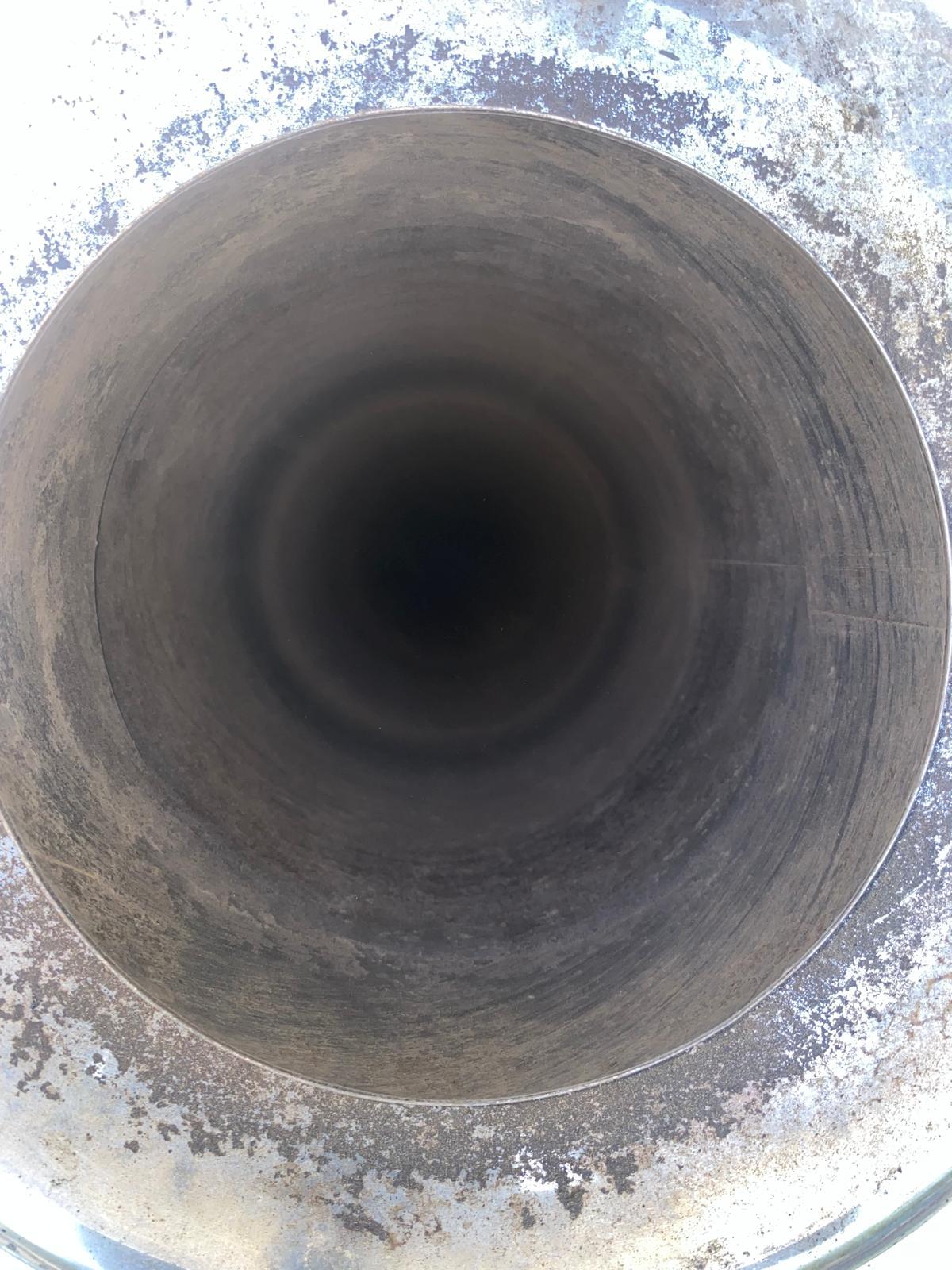
Creosote is not merely soot; it’s a complex, tar-like substance formed from the incomplete combustion of wood. Think of it as a sticky, oily residue that adheres tenaciously to the interior walls of your chimney flue. As wood burns, smoke, containing volatile organic compounds and unburned hydrocarbons, rises. When this hot smoke encounters the cooler surfaces of the chimney, these components condense and solidify, gradually forming layers of creosote. This process is exacerbated by factors such as burning unseasoned or wet wood, inadequate airflow, and low burning temperatures. Over time, these layers can thicken to an alarming degree, transforming your chimney from a conduit for smoke into a tinderbox.
The Three Stages of Creosote: A Progression of Peril
Understanding the stages of creosote buildup is crucial to appreciating the escalating danger. Each stage presents a more significant fire hazard:
- Stage 1: Flaky, Powder-like Creosote: This is the earliest stage, often appearing as a fine, powdery residue. While less alarming, it still contributes to reduced draft and can easily ignite under the right conditions. Regular sweeping can often address this stage effectively.
- Stage 2: Tar-like, Glossy Creosote: As the buildup progresses, the creosote becomes more viscous, resembling tar or black paint. It starts to harden and cling more aggressively to the flue lining. This stage is significantly more flammable and much harder to remove with basic cleaning tools.
- Stage 3: Glazed, Hard Creosote: This is the most dangerous stage. The creosote has transformed into a hard, glossy, almost crystalline substance. It’s incredibly difficult to remove and resembles solidified black glass. This stage poses the highest risk of chimney fires, as the glazed surface ignites with extreme intensity and can damage your chimney liner, leading to structural compromise and potential home fires.
The Los Angeles Climate: An Unforeseen Contributor
While Los Angeles might not be synonymous with harsh, snowy winters like those faced in DD Chimney Cleaning in Detroit, our unique climate plays a subtle role in chimney safety. During cooler periods, even moderate fluctuations in temperature can cause condensation within the chimney. When the warm, moist air from a fire meets the cooler brick or metal liner, it can lead to increased creosote formation, particularly in older homes or those with less-than-ideal insulation around their chimneys. Furthermore, the tendency for many Southern Californians to embrace outdoor living and utilize fire pits or outdoor fireplaces during cooler evenings also contributes to chimney usage, sometimes with less vigilant maintenance than an indoor hearth might receive. This makes consistent inspection and cleaning paramount, regardless of the perceived “severity” of your local winter.
The Dire Consequences: When Creosote Ignites
The primary and most terrifying danger associated with creosote buildup is a chimney fire. When the creosote ignites, the temperatures inside the flue can skyrocket to over 2000 degrees Fahrenheit. This intense heat can:
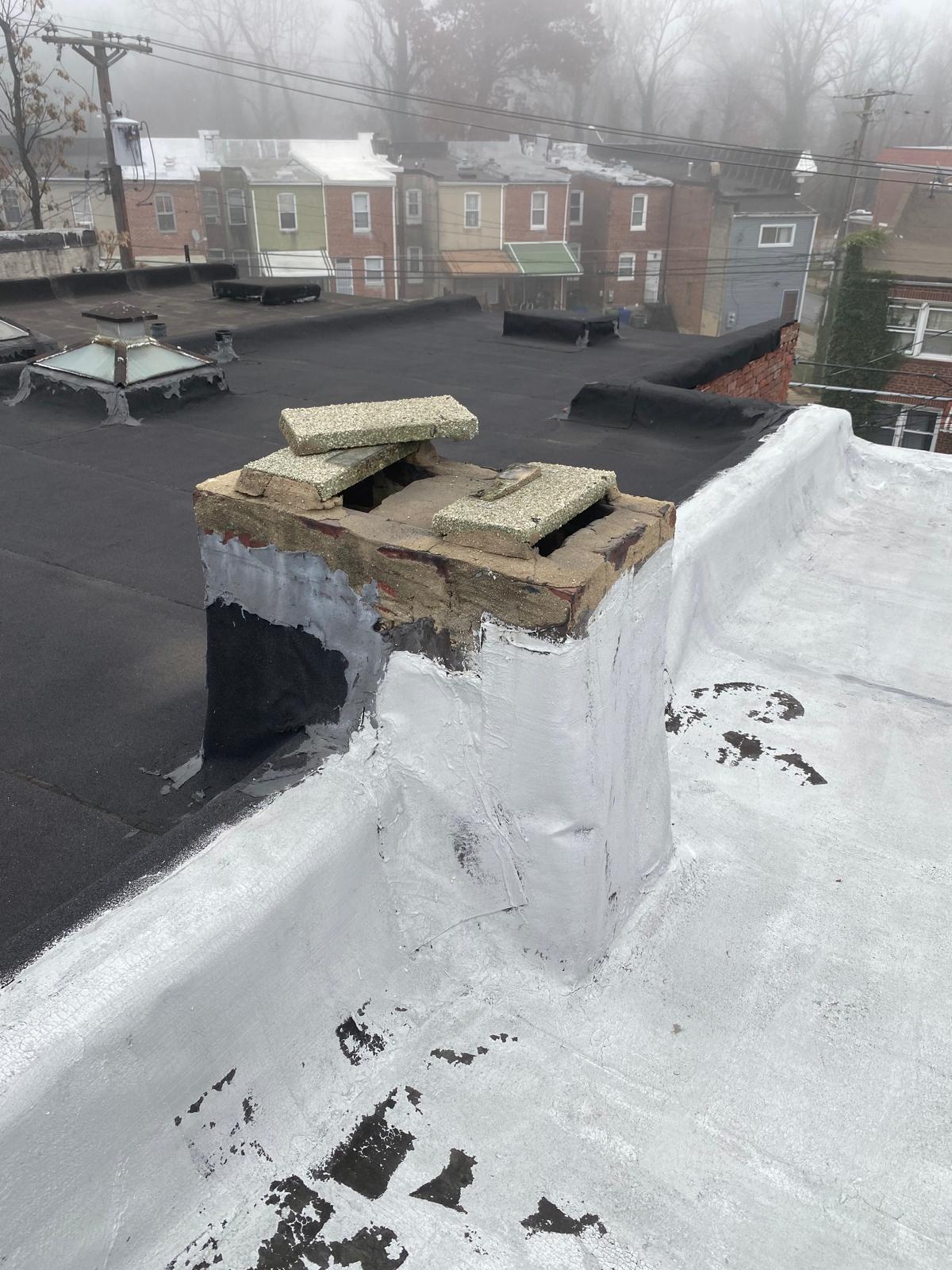
- Damage or Destroy Chimney Liners: Modern chimneys often feature stainless steel liners, tile liners, or other protective materials designed to withstand heat. However, the extreme temperatures of a creosote fire can crack, warp, or even shatter these liners. A compromised liner creates a direct pathway for heat and flames to escape the chimney and reach combustible materials in your home, such as the attic, walls, and roof.
- Ignite Nearby Combustibles: If the liner is breached, the superheated gases and flames can easily ignite the wooden framing, insulation, or other materials that are often in close proximity to the chimney chase. This can lead to rapid spread of fire throughout your home.
- Cause Structural Damage: Even if the fire doesn’t immediately engulf your home, the intense heat can cause significant structural damage to the chimney itself, leading to costly repairs and potentially compromising the integrity of your roof and walls.
- Release Toxic Gases: A chimney fire can also produce dangerous carbon monoxide, which is an odorless, colorless, and deadly gas. If the chimney’s draft is compromised, these gases can seep into your home.
The statistics are sobering: the National Fire Protection Association (NFPA) reports that hundreds of thousands of house fires occur annually in the United States, and a significant percentage are directly related to chimneys and heating equipment. While specific data for Los Angeles may vary, the underlying physics of combustion and the flammability of creosote are universal. Ignoring this threat is simply not an option for any responsible homeowner.
Beyond Fires: The Less Obvious Hazards of Neglected Chimneys
While chimney fires are the most dramatic and terrifying consequence of creosote buildup, the dangers don’t stop there. A chimney clogged with creosote presents several other significant hazards:
Incomplete Combustion and Carbon Monoxide Poisoning
Creosote buildup restricts airflow within the chimney. This compromised draft means that smoke and combustion byproducts, including carbon monoxide (CO), may not be efficiently expelled from your home. Carbon monoxide is a silent killer, and even low levels can cause headaches, dizziness, nausea, and fatigue. Higher concentrations can be fatal. In Los Angeles, where many homes are tightly sealed to conserve energy, the risk of CO buildup from a malfunctioning fireplace is amplified. Ensuring your chimney has optimal airflow is a critical step in protecting your family from this invisible threat.
Reduced Fireplace Efficiency and Increased Fuel Consumption
A chimney that’s choked with creosote doesn’t draw air properly, leading to inefficient burning. This means your fireplace won’t produce as much heat, requiring you to burn more wood to achieve the desired warmth. This not only increases your heating costs but also contributes to more creosote buildup as the inefficient combustion process generates more residue. It’s a vicious cycle that degrades performance and increases risk.
Water Intrusion and Damaged Masonry
In certain conditions, creosote can absorb moisture. This moisture, combined with acidic compounds in the creosote, can slowly eat away at your chimney’s masonry and mortar. Over time, this can lead to cracks and structural weakness in the chimney, allowing water to seep into your home and cause further damage to your roof, ceilings, and walls. Addressing creosote isn’t just about fire prevention; it’s also about preserving the structural integrity of your home, much like the meticulous work done by professionals in cities like DD Chimney Cleaning in Pittsburgh to maintain their historic brick structures.
Animal Infestations and Blockages
A neglected chimney can become a prime nesting spot for birds, squirrels, and other critters. Their nests, combined with accumulated creosote and debris, can create serious blockages. These blockages not only impede airflow and increase fire risk but can also lead to the decomposition of organic matter, creating unpleasant odors and potentially attracting pests into your home.
The Urgent Call to Action: Protect Your Los Angeles Home Now
As the temperatures drop and the desire for cozy fires increases, so does the immediate need for professional chimney inspection and cleaning. The time for complacency is over. This is not a problem that resolves itself; it is a problem that compounds with every use of your fireplace. Waiting until you notice symptoms like poor draft, excessive smoke, or unusual odors is already waiting too long.
Why Professional Chimney Cleaning is Non-Negotiable
While DIY chimney cleaning might seem like a cost-saving measure, the reality is that professional cleaning offers unparalleled safety and effectiveness. Our certified technicians at DD Chimney Cleaning are equipped with specialized tools and extensive knowledge to:
- Thoroughly inspect your chimney for creosote buildup, cracks, or damage to the liner and structure.
- Safely and effectively remove all stages of creosote, including the most stubborn glazed deposits.
- Identify and address potential hazards that a homeowner might miss.
- Provide expert advice on maintaining your fireplace for optimal safety and efficiency.
Investing in professional DD Chimney Cleaning in Los Angeles is an investment in your home’s safety and your family’s well-being. The cost of professional cleaning pales in comparison to the potential expenses of repairing fire damage, replacing a lost home, or worse, dealing with the devastating consequences of a chimney fire.
Signs You Need Immediate Chimney Service
Don’t wait for a disaster to strike. Be vigilant for these warning signs: Speaking of home maintenance, Air Duct Cleaning in Los Angeles provides top-quality air duct cleaning.
- Visible soot or creosote buildup on the damper, firebox walls, or outside the chimney cap.
- A smoky smell when the fireplace is not in use.
- Difficulty starting a fire or maintaining a good draft.
- Black or dark stains around the fireplace opening or on the chimney exterior.
- Increased instances of coughing or eye irritation while the fireplace is in use.
- Warmth or smoke leaking from the damper or cracks in the fireplace.
If you observe any of these symptoms, or if it’s been over a year since your last professional cleaning, it’s imperative to schedule service immediately. The mild Southern California climate doesn’t exempt us from these risks; it simply means our usage patterns might differ, but the inherent dangers remain. Don’t let the cozy allure of autumn turn into a fiery nightmare. Take action today.
Frequently Asked Questions About Chimney Creosote in Los Angeles
We understand that you might have questions. Here are some common concerns addressed:
Q1: How often should I have my chimney cleaned in Los Angeles?
A1: The Chimney Safety Institute of America (CSIA) recommends annual chimney inspections for all homeowners. Cleaning is recommended when creosote buildup reaches 1/8 inch thick or more. Given the variety of wood types and burning habits, annual inspection by a professional is the safest bet for Los Angeles residents.
Q2: What causes creosote buildup?
A2: Creosote is primarily caused by the incomplete combustion of wood. Factors that contribute include burning wet or unseasoned wood, poor draft (often due to obstructions or inadequate chimney size), and burning fires at low temperatures for extended periods. Our specific climate can sometimes exacerbate condensation issues within the chimney flue.
Q3: Is creosote buildup a significant fire hazard in Los Angeles?
A3: Absolutely. Creosote is highly flammable. When it ignites inside the chimney, it can lead to intense chimney fires that can damage your home and chimney structure, potentially causing house fires. The warm climate doesn’t negate this risk; it just influences usage patterns.
Q4: What are the signs that my chimney needs cleaning?
A4: Look for visible soot or creosote on the damper or firebox walls, unusual smells when the fireplace is not in use, poor draft (smoke backing up into the room), and black soot stains on the exterior of your chimney. Any of these indicate a need for professional attention.
Q5: Can I clean creosote myself?
A5: While you might be able to remove minor soot deposits, professionally removing hardened or glazed creosote requires specialized tools and expertise. Furthermore, a professional inspection is crucial to identify underlying issues with your chimney or fireplace. DIY efforts often fall short of ensuring complete safety. Homeowners in San Fernando Valley have also found great results with learn more.
Q6: How much does chimney cleaning cost in Los Angeles?
A6: The cost can vary based on the type of chimney, the extent of cleaning required, and the company’s pricing. However, professional chimney cleaning and inspection are generally a few hundred dollars. This is a small price to pay for the peace of mind and safety it provides, especially when compared to the potential costs of a house fire or major chimney repairs.
Don’t Delay: Secure Your Home’s Safety This Season
The allure of a crackling fire on a cool Los Angeles evening is undeniable. However, the potential dangers lurking within an uninspected and uncleaned chimney are all too real and present a significant threat. Creosote buildup is a silent, progressive danger that, if left unchecked, can lead to devastating fires and severe damage. This is the time to act. Don’t wait for the temperatures to plummet further or for the first tell-tale sign of trouble. Proactive maintenance is the only effective defense.
Call DD Chimney Cleaning today at (833) 339-6803. Our certified professionals are ready to ensure your fireplace is safe, efficient, and ready to provide warmth and ambiance without posing a risk to your beautiful Los Angeles home. Let us provide you with the peace of mind you deserve this fall and winter. Your safety is our top priority.
Our Chimney Services:
Professional chimney cleaning and chimney inspection services available nationwide. Our CSIA-certified technicians serve Chicago, New York, Boston, Houston, and hundreds of cities nationwide. Call (833) 339-6803 for a free inspection.