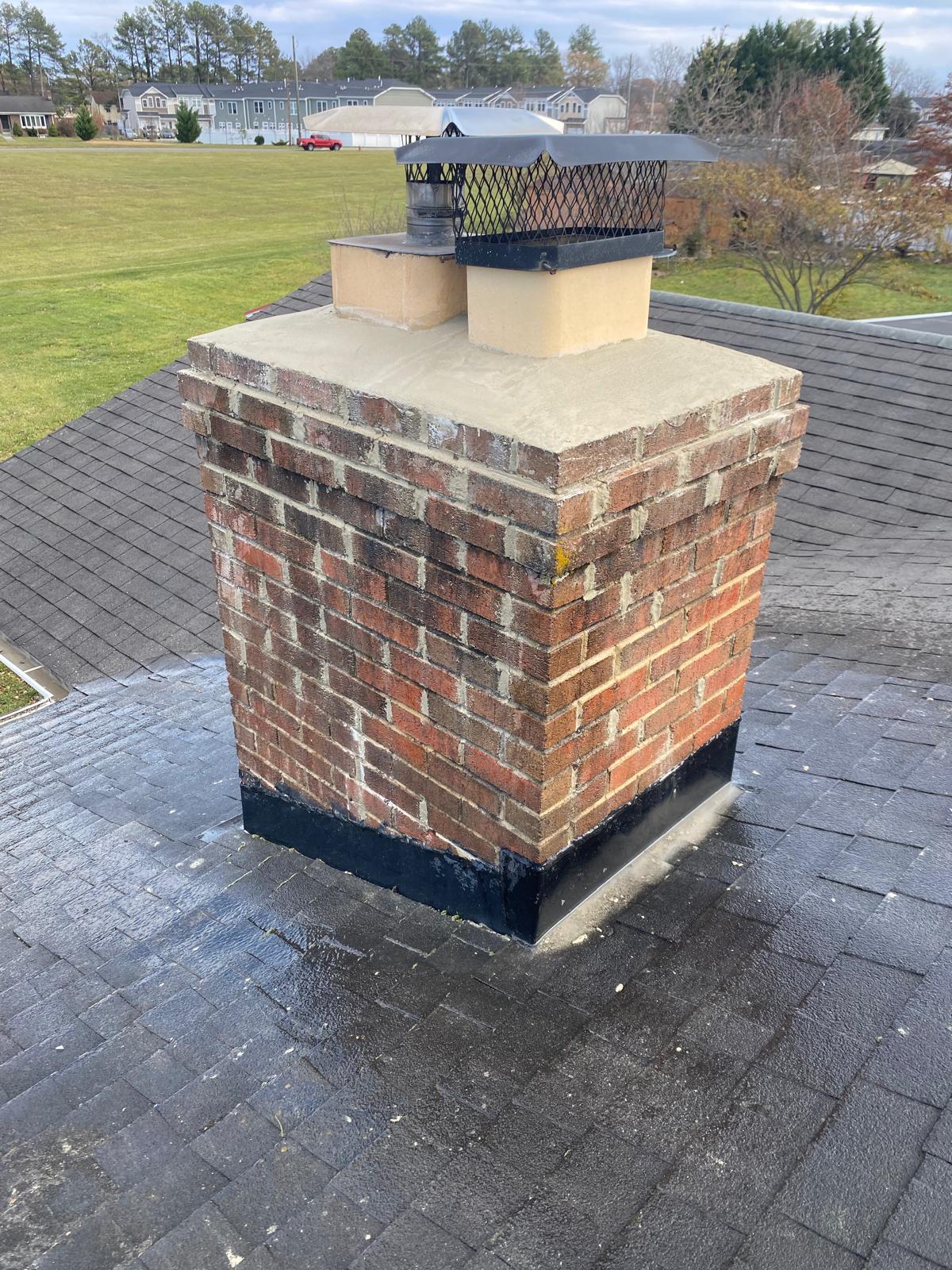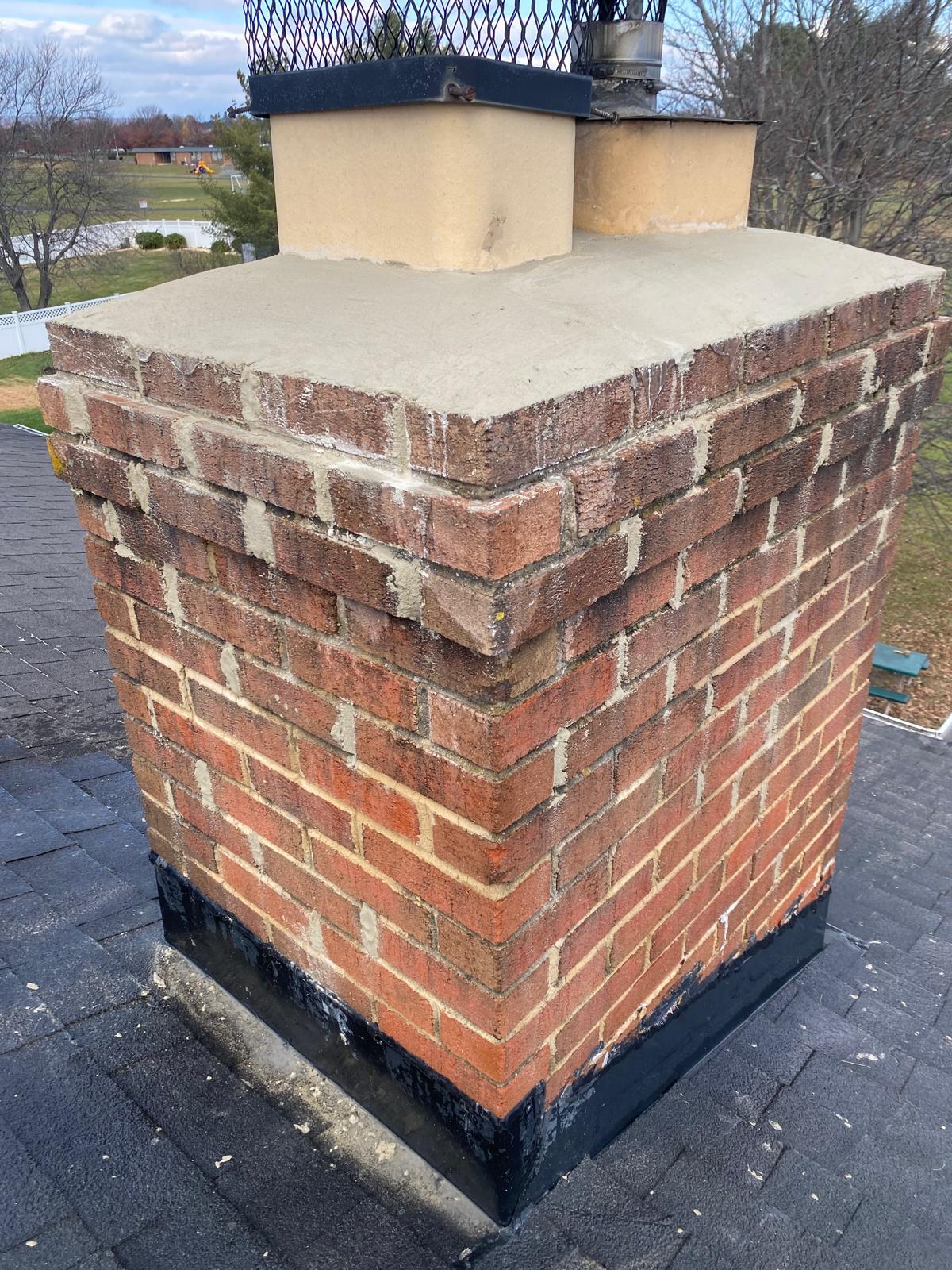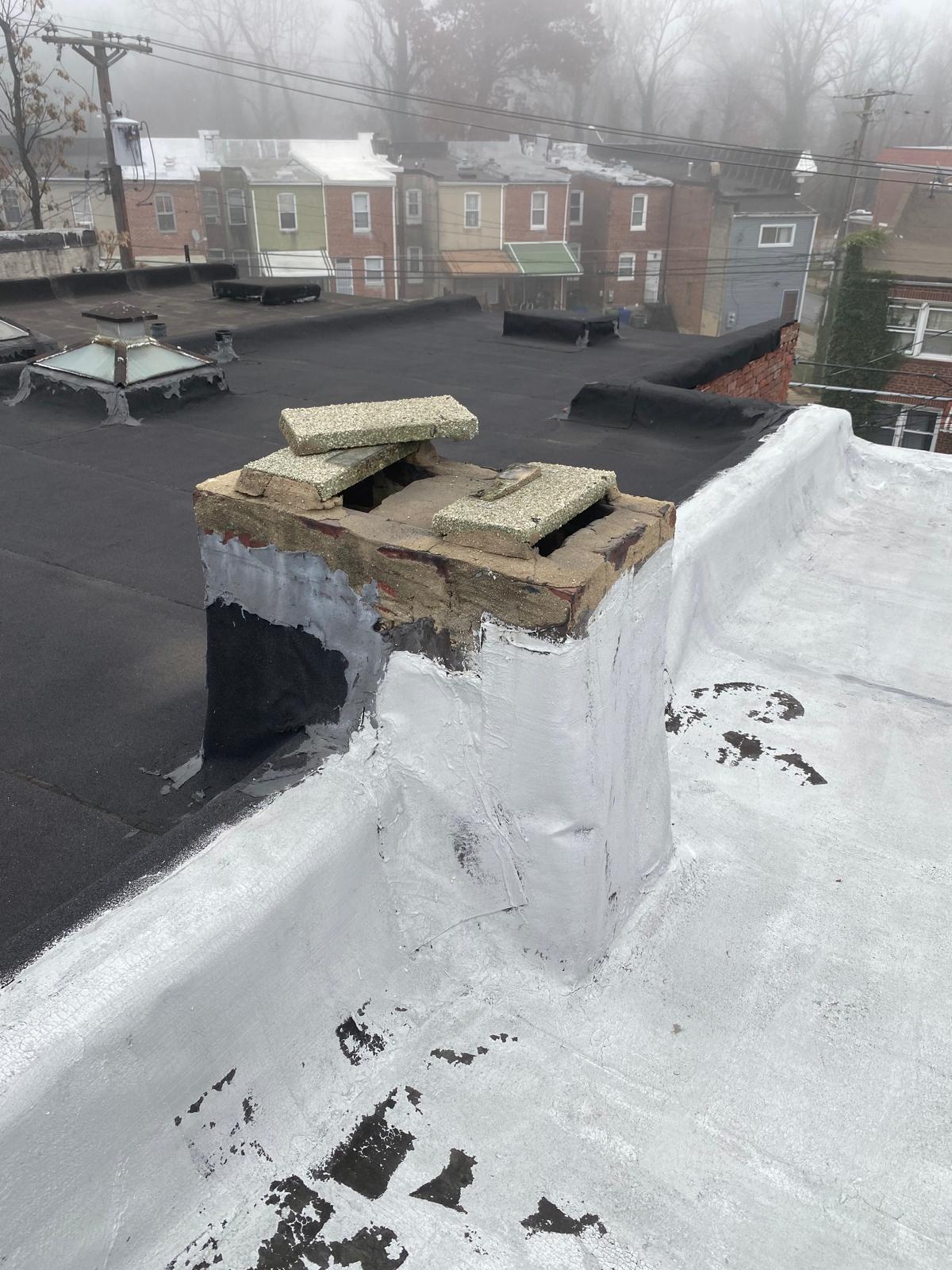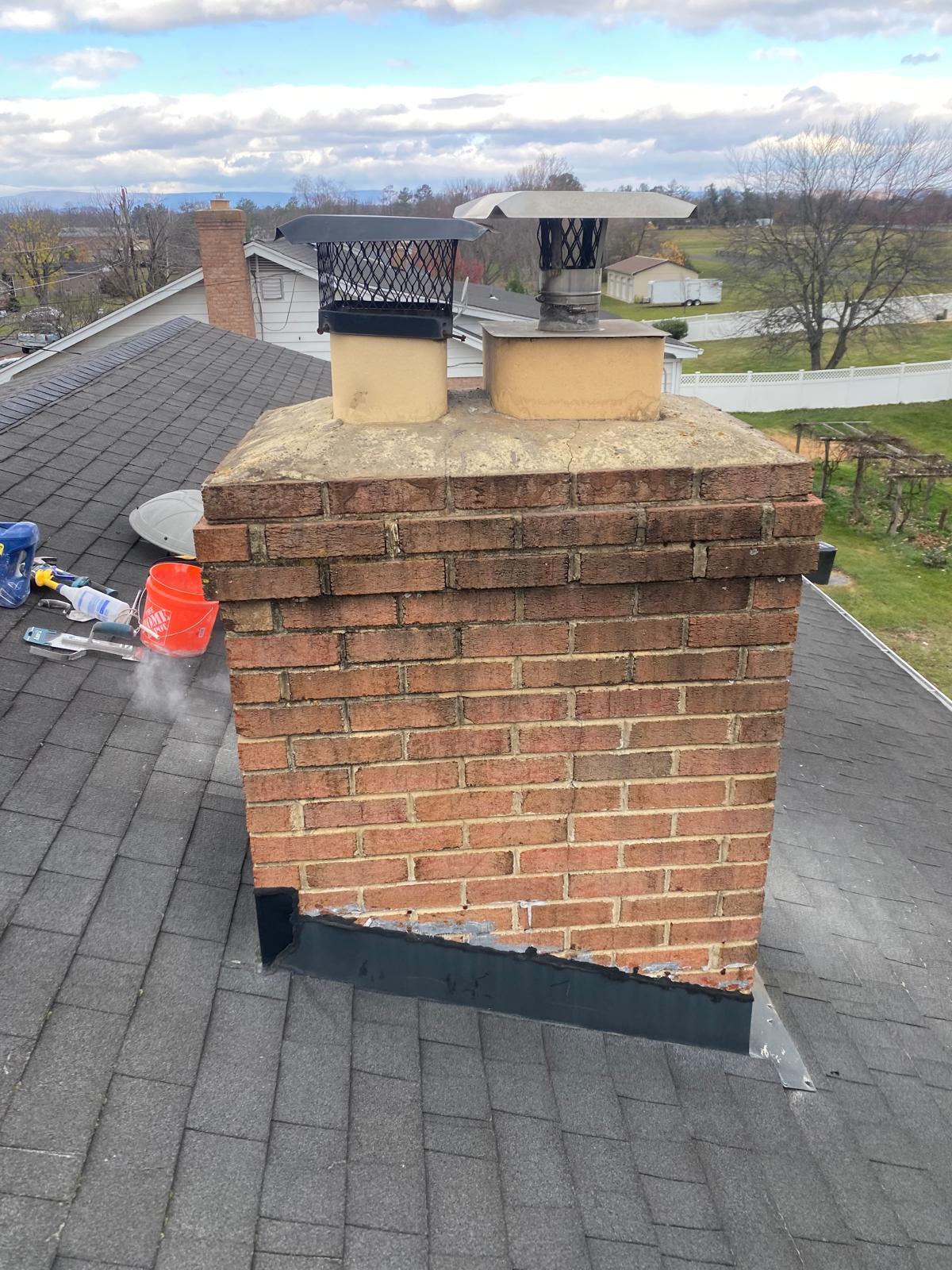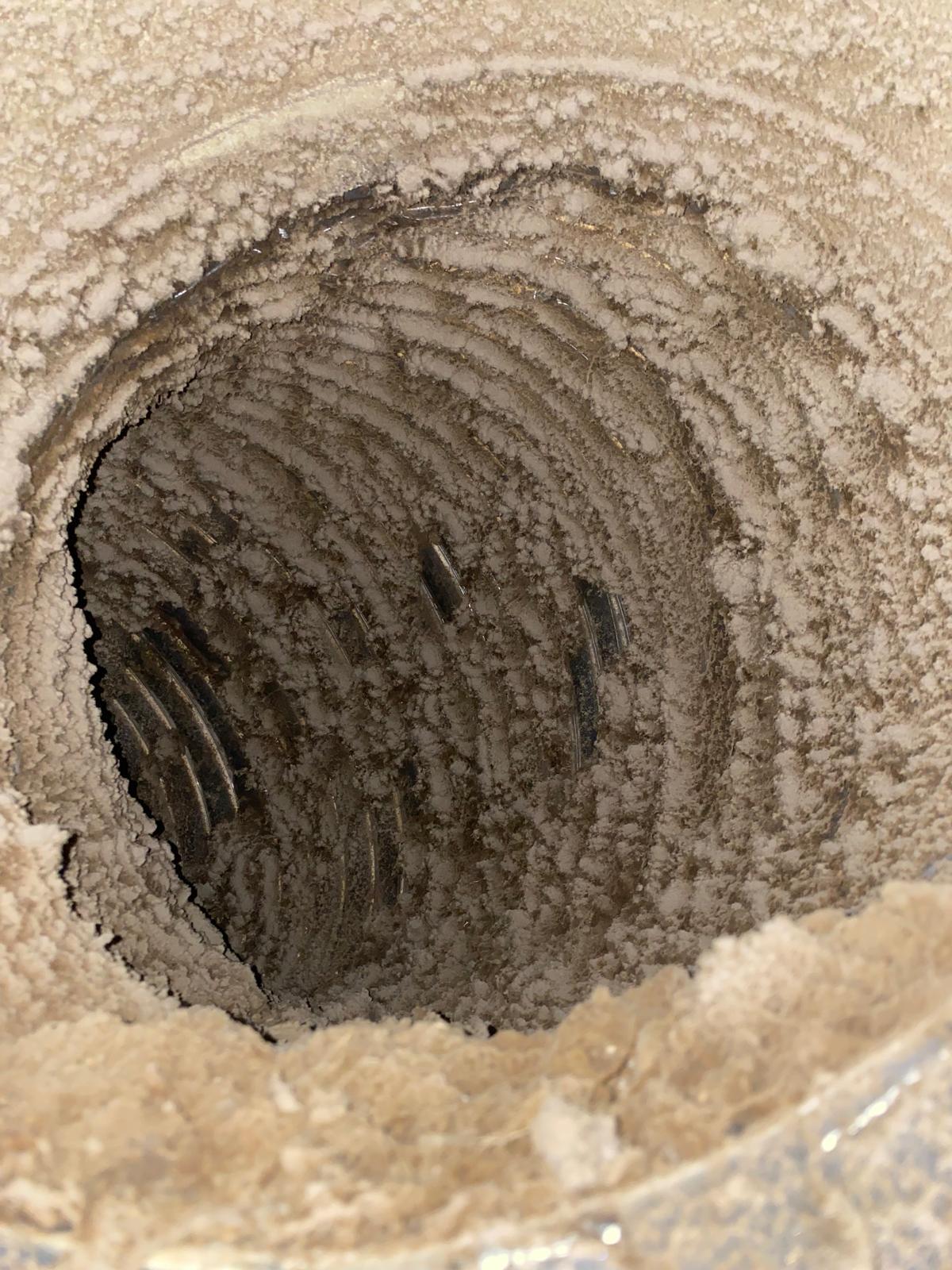
Many believe modern HVAC systems have rendered traditional chimneys obsolete – a dangerous misconception, particularly for historic Boston brownstones. While the primary heating methods in homes across areas like Beacon Hill, Back Bay, and the South End have undeniably evolved, the chimneys integral to these iconic structures remain, often silently accumulating hazards or contributing to broader building ventilation issues. Neglecting these historical pathways is not just an aesthetic oversight; it’s a critical safety lapse that can lead to catastrophic consequences, ranging from chimney fires to carbon monoxide poisoning.
A Glimpse into Boston’s Architectural Heritage
Boston’s brownstones, primarily constructed from the mid-19th century onwards, are a testament to enduring architectural elegance and a fascinating blend of history and utility. These stately homes, characterized by their reddish-brown sandstone facades, were originally designed with multiple fireplaces and intricate chimney systems to provide warmth using coal or wood. Each dwelling often features a complex network of flues, serving various fireplaces on different floors, stacked within a single, prominent chimney structure. Understanding this legacy is the first step in appreciating the unique demands of their ongoing maintenance.
The Unique Anatomy of a Brownstone Chimney
Unlike many modern homes, the chimneys of Boston brownstones present a specific set of challenges rooted in their age and original construction. DD Chimney Cleaning recognizes that these are not merely exhaust systems; they are a vital, structural component requiring specialized attention.
Construction and Materials
Predominantly built from brick and mortar, these chimneys have endured over a century of New England weather, from harsh winters with significant snow and ice to relentless freeze-thaw cycles. This constant environmental stress can lead to spalling bricks, crumbling mortar joints, and structural instability. Many older brownstones lack modern flue liners, or rely on original clay tile liners that can crack or deteriorate, making the chimney less efficient and potentially unsafe. Detecting these issues requires a keen eye and extensive experience.
Flue Complexity and Exposure to Climate
It’s not uncommon for a single brownstone chimney stack to house multiple independent flues. Some may still be active, some capped, and others might have been repurposed or abandoned. Identifying the status and integrity of each flue within such a dense structure is a specialized task. Furthermore, the relentless New England climate, particularly Boston’s humid summers and frigid winters, exacerbates wear and tear. Moisture ingress, combined with temperature fluctuations, accelerates masonry decay and can lead to dangerous blockages or structural compromise if not routinely addressed through expert care, such as the comprehensive services offered by DD Chimney Cleaning, whether it’s for the historic flues of chimney cleaning in Boston or the more contemporary systems we find closer to home.
Addressing Distinct Maintenance Needs
The unique characteristics of brownstone chimneys necessitate a proactive and specialized approach to maintenance, focusing squarely on comprehensive professional chimney inspections and meticulous cleaning. The hazards associated with neglect are significant.
Creosote Buildup – A Silent Threat
When wood or coal burns, it produces smoke containing unburnt carbon particles and volatile organic compounds. As this smoke cools, these substances condense and adhere to the inner walls of the flue, forming creosote. In older, often unlined or less insulated brownstone chimneys, this process can be accelerated. Creosote is highly flammable, and a buildup of just a quarter-inch can significantly increase the risk of a chimney fire. The Chimney Safety Institute of America (CSIA) reports that annual chimney cleaning is paramount in preventing the vast majority of chimney fires, a critical consideration for any historic structure, and our expertise extends to diverse architectural styles, from brownstones to the modern homes found in Los Angeles.
Blockages, Ventilation Issues, and Liner Integrity
Beyond creosote, brownstone chimneys are particularly susceptible to blockages from bird nests, squirrel activity, leaves, and other debris that can impede proper airflow. Even if a fireplace is no longer used, a blocked flue can hinder natural home ventilation, potentially trapping stale air or contributing to moisture issues. The integrity of the flue liner, or lack thereof, directly impacts the safety and efficiency of the chimney. Cracks in clay tiles, or the absence of a liner altogether, allow heat and corrosive gases to penetrate the masonry, leading to accelerated structural damage and a heightened risk of fire spreading to combustible materials within the walls. Regular chimney cleaning and detailed inspection by experienced professionals are crucial to identify and mitigate these risks, ensuring the longevity and safety of these architectural treasures.
Proactive Chimney Cleaning: An Essential Investment
For brownstone owners, investing in annual professional chimney cleaning and inspection is not merely a recommendation; it’s a non-negotiable aspect of responsible homeownership. Even if a chimney is only used occasionally or appears to be merely decorative, it requires attention. A comprehensive cleaning goes beyond simply removing visible soot. It involves a thorough Level 1 inspection of the accessible parts of the chimney structure and flue, sweeping away dangerous creosote, clearing blockages, and assessing the general condition of the flue and firebox. This process uncovers hidden issues before they escalate into costly repairs or dangerous fire hazards, just as crucial as maintaining systems in warmer climates like Houston. DD Chimney Cleaning understands these challenges and provides the precise care needed for chimneys in all types of homes. Call us at (833) 339-6803 for expert advice.
Frequently Asked Questions About Brownstone Chimneys
Here are some common inquiries regarding the unique aspects of brownstone chimney maintenance:
- Q1: How often should a brownstone chimney be cleaned and inspected?
A: Annually, even if used infrequently. Creosote buildup and animal nests can occur regardless of heavy use, and the constant exposure to weather requires regular structural assessment. - Q2: Are older brownstone chimneys safe to use without modernization?
A: It depends on the individual chimney’s condition. Many older chimneys lack modern liners, which significantly increases risk. A professional inspection is essential to determine safety and recommend necessary upgrades or repairs. - Q3: What are common signs of a problem with a brownstone chimney?
A: Visible creosote buildup, a smoky smell in the house, a lack of proper draft, crumbling mortar, spalling bricks, white staining (efflorescence), or interior water leaks are all indicators of issues. - Q4: Can a decorative or unused brownstone chimney still pose risks?
A: Absolutely. Unused flues can still accumulate debris, provide entry points for pests, or contribute to moisture problems. Structural issues in a decorative chimney can also impact the integrity of the entire building. - Q5: What’s the difference between chimney cleaning and inspection?
A: Cleaning removes creosote, soot, and blockages. An inspection is a detailed examination of the chimney’s structure, flue, and components to assess its condition and identify potential safety hazards or repair needs. Both are crucial and often performed together. - Q6: Do all brownstone chimneys need a cap?
A: Installing a chimney cap is highly recommended for all active and inactive flues. Caps prevent rain, snow, animals, and debris from entering the chimney, which is especially important for protecting the vulnerable masonry of older brownstones.
Your Partner in Historic Chimney Care
While this spotlight shines on the unique heritage of Boston’s brownstones