Did you know that the very mortar holding your Los Angeles chimney together could be slowly crumbling away, posing a hidden threat to your home’s safety and your peace of mind?
Before: The Silent Erosion – Recognizing Mortar Deterioration
Living in the beautiful, sun-drenched climate of Los Angeles, we often think of our homes as sturdy havens. And for the most part, they are! However, one crucial, yet often overlooked, element of our homes – the chimney – is constantly battling the elements. The mortar, that crucial binding agent between your chimney’s bricks, plays a vital role in its structural integrity. But over time, especially in a region with dramatic temperature shifts and occasional seismic activity, this mortar can begin to deteriorate. It’s a slow, insidious process, one that often goes unnoticed until a problem becomes significant.
Several factors contribute to mortar decay in our Southern California homes. The intense Los Angeles sunshine, while glorious, can lead to extreme expansion and contraction of materials. When these cycles repeat year after year, the mortar can become brittle and start to crack. Coupled with this, moisture is a persistent enemy. Even in our drier climate, dew, rain, and internal humidity from your fireplace can seep into the mortar. Once water penetrates, it can freeze and thaw (though less common here, it’s still a factor in higher elevations or unusual cold snaps), widening existing cracks. Additionally, the soot and creosote buildup from regular fireplace use can create acidic residues that aggressively attack the mortar. Think of it as a constant, gentle acid bath. Finally, the natural settling of your home, or even minor seismic shifts that are a reality for us Angelenos, can put stress on the chimney structure, leading to the loosening and eventual deterioration of the mortar.
Visible Signs of Trouble: What to Look For
Identifying mortar deterioration doesn’t require a chimney engineering degree, but it does require a discerning eye. These early warning signs are your chimney’s way of speaking to you, alerting you to potential issues before they escalate into costly repairs. Keep an eye out for:
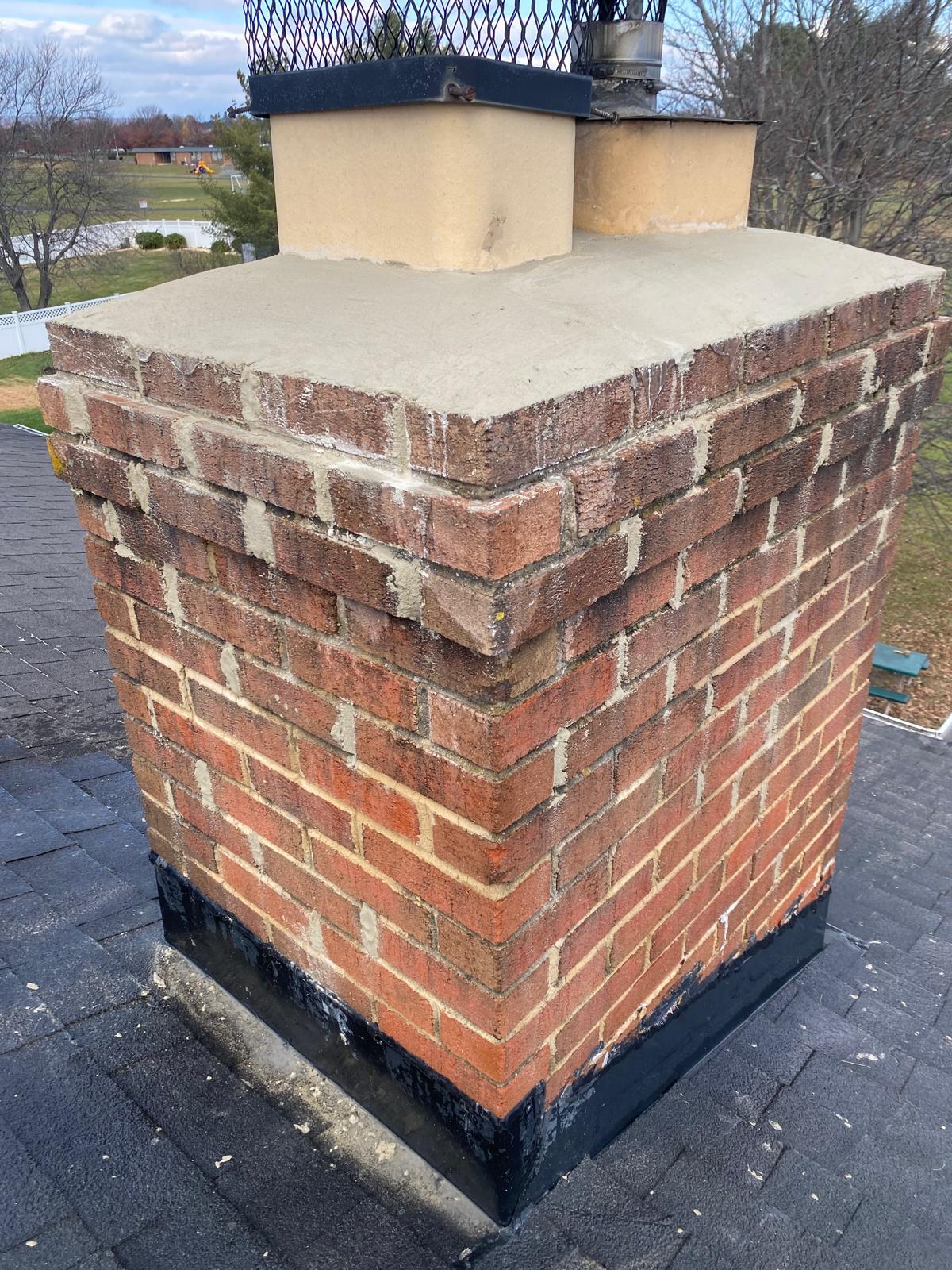
- Cracked or Crumbling Mortar: This is the most obvious sign. Look for visible cracks, large or small, running through the mortar joints. If the mortar appears powdery or is flaking away easily when touched, it’s a clear indication of degradation.
- Spalling Bricks: Sometimes, the damage isn’t just to the mortar. Spalling occurs when the surface layer of a brick chips or flakes off. This is often caused by moisture within the brick freezing and expanding, or by corrosive elements from the mortar attacking the brick itself.
- Efflorescence: You might notice white, powdery stains on the exterior of your chimney. This is known as efflorescence and is caused by salts within the brick and mortar dissolving in moisture and then crystallizing on the surface as the moisture evaporates. While not always a sign of severe structural issues, it indicates that moisture is present and is contributing to the breakdown of materials.
- Leaning or Sagging Chimney: This is a more serious sign and suggests that the mortar has significantly deteriorated, compromising the overall stability of the chimney structure. If you notice your chimney appears to be tilting away from your house, it’s a critical warning sign that demands immediate attention.
- Missing Mortar: In some areas, entire sections of mortar may have fallen out, leaving gaps between the bricks. These gaps allow water and debris to enter the chimney structure, accelerating further deterioration.
The impact of unchecked mortar deterioration extends beyond mere aesthetics. A chimney with failing mortar is a compromised chimney. It’s less effective at venting smoke and dangerous gases, like carbon monoxide, out of your home. This increases the risk of fire hazards within the chimney itself due to incomplete combustion and can lead to unhealthy indoor air quality. Furthermore, the structural weakness can make the chimney susceptible to damage during strong winds or seismic events, which are a part of life in the Los Angeles area. Imagine a beautiful, sunny day in Pasadena turning into a concern for the safety of your roofline because of a weakened chimney.
After: Restoring Strength and Security – Professional Chimney Repair
When you begin to notice these signs, it’s natural to feel a sense of unease. The thought of your chimney deteriorating can be concerning, especially when considering the safety and structural integrity of your Los Angeles home. The good news is that these issues are treatable, and the consequences of addressing them are profoundly positive.
The primary solution for deteriorating mortar is repointing. This is the process of removing the old, damaged mortar from the joints and replacing it with fresh, high-quality mortar. It’s a meticulous process that requires skill and knowledge to ensure a proper bond and a lasting repair. Professional chimney sweeps are equipped with the right tools and materials to execute this effectively. They’ll carefully chisel out the old mortar, ensuring not to damage the surrounding bricks, and then mix a new mortar that matches the strength and composition of the original, or even uses a more durable, modern blend suited for the Los Angeles climate.
The Benefits of Timely Repair
Addressing mortar deterioration promptly offers a multitude of benefits that far outweigh the initial investment. For homeowners in communities from Malibu to the San Gabriel Valley, the advantages are tangible and crucial:
- Enhanced Safety: The most significant benefit is the restoration of your chimney’s structural integrity. This dramatically reduces the risk of chimney collapse, fires, and carbon monoxide leaks, protecting your family and your property.
- Improved Efficiency: A properly sealed chimney, with sound mortar, ensures that smoke and gases are efficiently vented outside, rather than seeping back into your home. This leads to a cleaner burn, better performance from your fireplace, and improved indoor air quality.
- Fire Prevention: Deteriorated mortar can create pathways for heat to escape the chimney flue and come into contact with combustible materials in your attic or walls. Repointing seals these potential hazards, acting as a crucial fire prevention measure.
- Increased Home Value: A well-maintained chimney is a significant asset to your home. Addressing structural issues like mortar deterioration demonstrates proper care and can increase your property’s appeal and value, especially in the competitive Los Angeles real estate market.
- Protection Against Further Damage: By sealing up cracks and gaps, repointing prevents further water intrusion and the associated problems, such as freeze-thaw damage and mold growth. This proactive approach saves you money on more extensive repairs down the line.
- Peace of Mind: Knowing that your chimney is sound and safe is invaluable. It allows you to enjoy your fireplace with confidence, without the nagging worry of potential structural issues.
Imagine the comfort of a crackling fire on a cooler evening in Silver Lake, knowing your chimney is functioning optimally and safely. That’s the peace of mind that comes with addressing these vital repairs. The process might seem daunting, but experienced professionals make it a streamlined and effective solution to safeguard your home.
Frequently Asked Questions About Chimney Mortar
Q1: How often should I have my chimney mortar inspected?
It’s generally recommended to have your chimney professionally inspected annually. This allows a trained eye to spot early signs of deterioration, including mortar issues, before they become major problems. Regular inspections are crucial for maintaining the health of your chimney, especially in a climate like Los Angeles. We recommend checking out professional air duct cleaning Los Angeles for additional air duct cleaning needs.
Q2: Can I repair minor cracks in the mortar myself?
While some very minor surface cracks might seem like a DIY job, it’s often best to leave mortar repair to the professionals. Improperly mixed or applied mortar can actually cause more damage in the long run. Repointing requires specific knowledge of mortar composition, application techniques, and safety protocols. A professional can ensure the repair is done correctly and will last.
Q3: What is the typical lifespan of chimney mortar?
The lifespan of chimney mortar can vary significantly depending on the quality of the original mortar, the materials used in its construction, exposure to the elements, and the climate. However, with proper installation and regular maintenance, high-quality mortar can last for many decades. In Los Angeles, where we experience significant temperature fluctuations and potential seismic activity, regular checks are even more vital.
Q4: Does the type of brick affect mortar deterioration?
Yes, the type of brick can influence mortar deterioration. Bricks with a high absorption rate can draw moisture from the mortar, leading to it drying out and becoming brittle. Conversely, very dense, non-absorbent bricks might not bond as well with certain types of mortar, creating potential weak points. The chimney professional will consider the brick type when recommending mortar for repairs.
Don’t let the silent erosion of your chimney’s mortar compromise the safety and beauty of your Los Angeles home. Regular inspections and timely repairs are essential for peace of mind. If you’ve noticed any signs of mortar deterioration, or if it’s simply been a while since your last chimney check-up, it’s time to call the experts.
DD Chimney Cleaning is here to help you safeguard your home. Our experienced technicians are skilled in identifying and repairing all types of chimney issues, including mortar deterioration. We understand the unique challenges faced by homes in the Los Angeles area and are dedicated to providing thorough and reliable service.
Don’t wait for a minor issue to become a major concern. Contact DD Chimney Cleaning today for a professional chimney inspection and quote. Call us at (833) 339-6803 or visit our website to schedule your appointment. Your home’s safety and your family’s well-being are our top priorities.