Did you know that chimney fires, while often preventable, still account for a significant portion of residential fires across the U.S. each year? According to the Chimney Safety Institute of America (CSIA), over 25,000 chimney fires occur annually, causing millions in damages and, sadly, sometimes worse. Even here in sunny Los Angeles, where fireplaces might see less frequent use than in colder climates, they still pose a very real risk if neglected. If you’re buying or selling a home in our beautiful city, ignoring the chimney could lead to fiery headaches – or at least, some hefty unexpected costs.
Buying or selling a home in Los Angeles is a big deal, whether you’re eyeing a charming bungalow in Echo Park or a sprawling estate in the Hollywood Hills. There’s enough to worry about with escrows, disclosures, and bidding wars. The last thing you need is a chimney surprise! At DD Chimney Cleaning, we know that a thorough chimney inspection isn’t just about avoiding a disaster; it’s about protecting your investment and ensuring peace of mind. Consider this your ultimate guide to what buyers and sellers need to know about chimney inspections in the LA housing market.
Why a Chimney Inspection is Non-Negotiable for LA Homeowners
You might think, “It’s LA, we barely use the fireplace!” And while that might be true for much of the year, that occasional cozy fire during a “cold” spell (you know, when it drops below 60 degrees) still demands a safe and clean chimney. A neglected chimney can harbor dangerous creosote buildup, blockages from critters, or structural damage from seismic activity (hello, California!). For sellers, a clean bill of health for your chimney can be a major selling point, reassuring potential buyers. For buyers, it’s a critical step in due diligence to prevent a costly problem down the line.
Safety First, Always
The primary reason for an inspection is, without a doubt, safety. Creosote, a tar-like byproduct of burning wood, is highly combustible. Even a small buildup can ignite, leading to a destructive chimney fire. Beyond creosote, obstructions like bird nests, leaves, or even fallen debris from mild earthquakes can block the flue, causing smoke and dangerous carbon monoxide to vent back into your home. A professional inspection by DD Chimney Cleaning identifies these hazards before they become emergencies.
Protecting Your Investment (and Wallet!)
Imagine buying your dream home near the Griffith Observatory, only to find out a few months later you need a $5,000 chimney repair. Ouch! A pre-purchase inspection can uncover issues like cracked flues, damaged liners, or necessary repairs to the chimney crown. For sellers, addressing these issues proactively means you can list your home with confidence and avoid price chip negotiations later. In a competitive market like LA, every little detail counts.
The Home Buyer’s Essential Chimney Checklist
As a buyer, your general home inspection is a great start, but it often doesn’t delve deep into the chimney’s internal health. You need a dedicated Level 2 chimney inspection (more on that below!). Here’s what to look for and ask about:
Visible Damage & Usage History
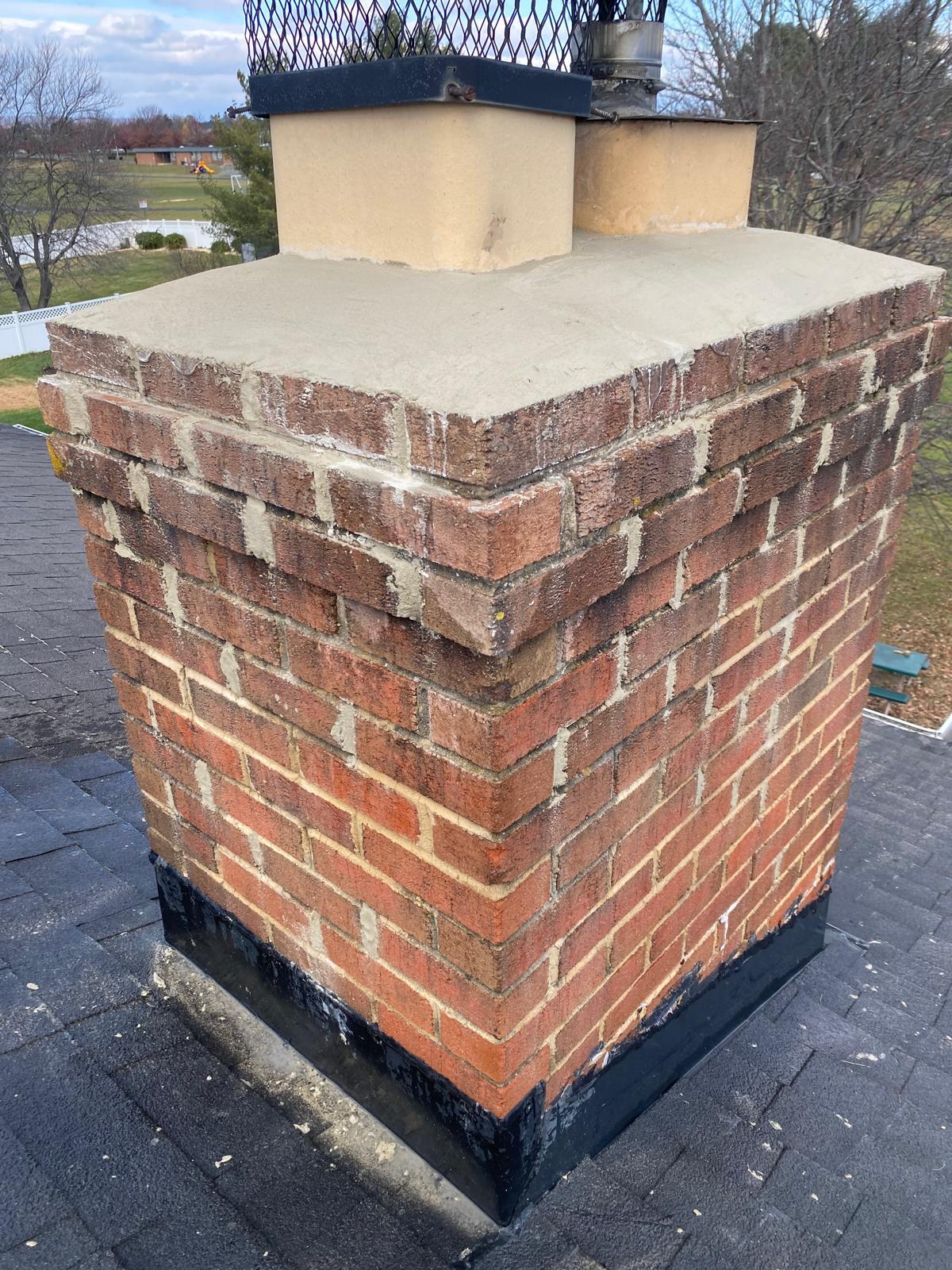
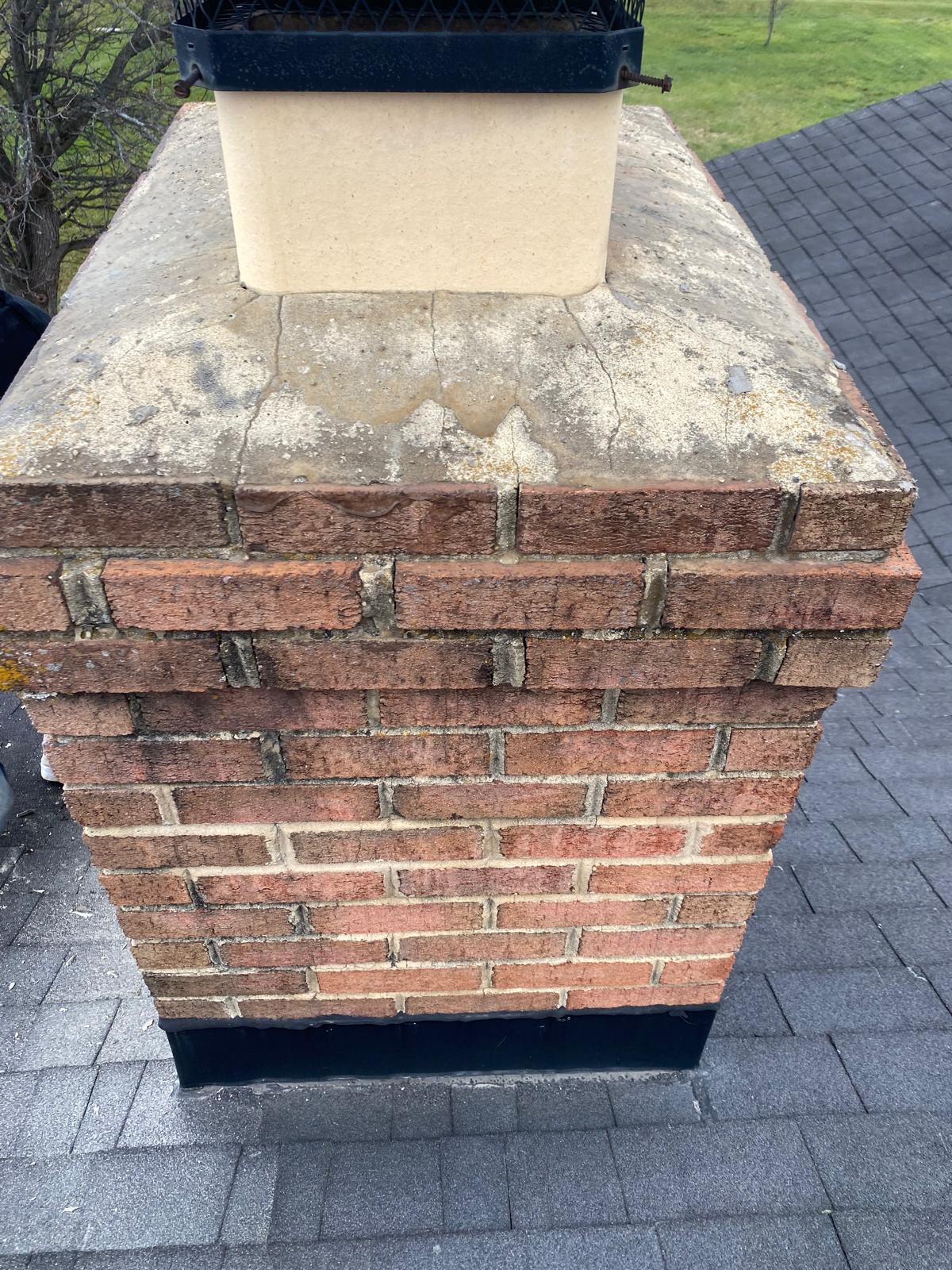
- Exterior Check: Look for cracked bricks or mortar, leaning stacks, damaged chimney caps, or missing flashing around the roofline. These are all signs of potential water damage or structural issues.
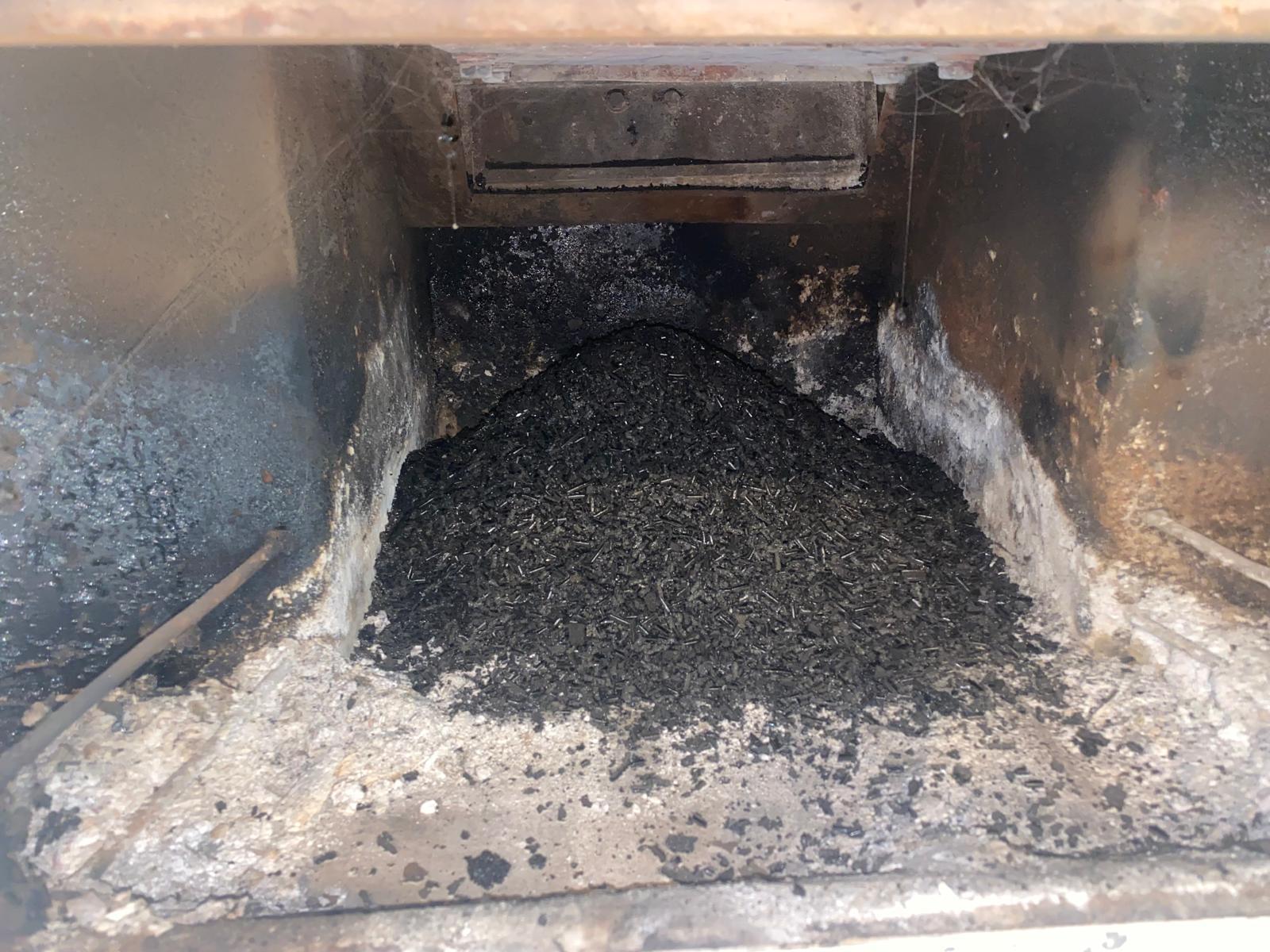
- Interior Check: Inside the firebox, check for cracks, spalling bricks (flaking surfaces), or excessive soot buildup. A rusty damper might indicate water problems.
- Ask, Ask, Ask: Don’t be shy! Ask the seller or their agent about the chimney’s history. When was it last cleaned or inspected? How often was it used? Was it ever a problem during home insurance inspections?
Understanding Inspection Levels
The Chimney Safety Institute of America (CSIA) outlines three levels of chimney inspections:
- Level 1: A basic visual inspection, often done during a routine cleaning. It’s usually what your general home inspector might do.
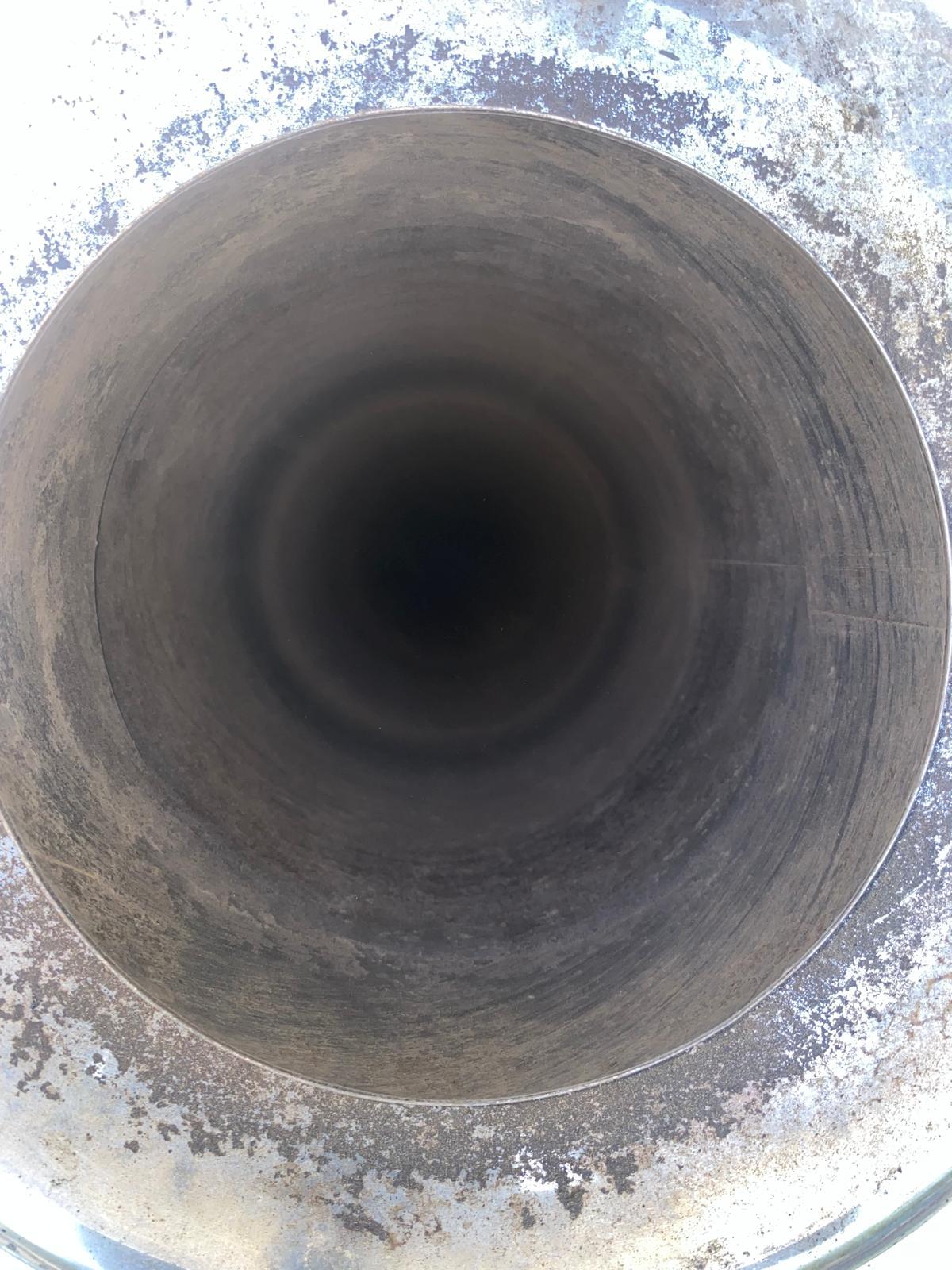
- Level 2: This is the golden standard for real estate transactions! It includes everything in a Level 1 inspection, plus an interior and exterior examination using video scanning equipment to assess the flue and internal structure. This is crucial for identifying hidden damage.
- Level 3: Rarely needed for home sales, this is a more invasive inspection involving the removal of certain chimney components to access concealed areas.
Always insist on a Level 2 inspection when buying or selling. Our comprehensive chimney cleaning services often include a visual assessment that can inform if a deeper Level 2 is needed.
For Sellers: How a Clean Chimney Boosts Your LA Home’s Appeal
Selling your home in West Hollywood or anywhere in LA? A well-maintained chimney isn’t just about safety; it’s a strong indicator of a home that’s been cared for. Think of it as curb appeal, but for your fireplace!
Pre-Listing Cleaning and Inspection
Don’t wait for a buyer’s inspector to find a problem. Schedule a cleaning and Level 2 inspection with DD Chimney Cleaning *before* listing your home. This way, you can address any issues proactively, provide documentation of a well-maintained system, and avoid last-minute headaches during escrow. This proactive approach shows transparency and care, making your home more attractive to potential buyers.
Documentation is Key
Have your inspection report and any cleaning or repair receipts readily available for potential buyers. This transparency builds trust and can smooth the negotiation process. Being able to say, “Yes, DD Chimney Cleaning professionally inspected and cleaned this chimney in March, and here’s the report!” can be a huge differentiator.
Common Chimney Woes in Sunny SoCal (and Beyond)
While we don’t face extreme blizzards here, LA chimneys still encounter specific issues. Besides the ubiquitous creosote buildup from occasional wood fires, we see:
- Critter Condos: Birds, squirrels, and raccoons love chimneys, building nests that block flues and create fire hazards.
- Rain and Rust: Even occasional LA rain can cause significant damage if caps are missing or flashing is compromised, leading to rusty dampers and water damage.
- Infrequent Use, Hidden Problems: When chimneys aren’t used often, problems can go unnoticed for longer. This is why annual inspections are still vital, regardless of usage frequency.
Remember, whether you’re in the bustling city center serviced by DD Chimney Cleaning in Los Angeles, or you’re comparing notes with friends using DD Chimney Cleaning in New York or DD Chimney Cleaning in Chicago, the principles of chimney safety and proper maintenance remain universal. Give us a call at (833) 339-6803 if you have any questions or concerns about your LA chimney.
Your Chimney Inspection FAQ
Q: How often should a chimney be inspected in Los Angeles?
A: Even with less frequent use, the National Fire Protection Association (NFPA) recommends annual inspections. This helps catch potential issues like critter nests, minor cracks, or weathering before they become serious.
Q: What’s the difference between a chimney inspection and a chimney cleaning?
A: An inspection assesses the condition and safety of the chimney and flue. Cleaning removes creosote, soot, and blockages. Often, an inspection is performed as part of a cleaning, or to determine if cleaning is necessary.
Q: Can a general home inspector do a full chimney inspection?
A: Most general home inspectors perform a Level 1 visual inspection. For real estate transactions, a dedicated Level 2 inspection by a CSIA-certified chimney professional is highly recommended, as it uses specialized video equipment to check the flue’s interior.
Q: What if the chimney hasn’t been used in years? Does it still need an inspection?
A: Absolutely! An unused chimney can still deteriorate, become a home for pests, or develop structural issues. An inspection will ensure it’s safe to use or that any problems are properly documented before a sale.
Q: How long does a typical chimney inspection take?
A: A Level 2 inspection generally takes between 30-90 minutes, depending on the chimney’s size and complexity, as well as any issues that might be found.
Q: What if problems are found during the inspection