One of the most common, yet dangerous, mistakes Los Angeles homeowners make isn’t about ignoring a dripping faucet or a squeaky door – it’s overlooking the silent guardian of their fireplace: the chimney liner. Many believe that if a chimney “looks fine” from the outside, all is well. Yet, an aging or improperly chosen liner can turn your cozy fireplace into a serious fire or health hazard, especially in our beautiful but fire-prone Southern California landscape.
At DD Chimney Cleaning, we understand the warmth and comfort a fireplace brings to your home, from the historic craftsman bungalows in Pasadena to the modern residences overlooking the ocean. We also know the subtle anxieties that can come with owning one. That’s why we’re here to demystify chimney liner materials, helping you make informed decisions for the safety and efficiency of your cherished fireplace.
Understanding Your Chimney’s Lifeline: The Liner
Think of your chimney liner as the crucial internal skin of your chimney flue. Its primary role is to protect your home and loved ones from the intense heat, corrosive gases, and combustible byproducts of combustion. It’s an essential part of your home’s emergency preparedness plan, designed to prevent devastating chimney fires and the silent threat of carbon monoxide poisoning.
A properly installed and maintained liner serves several vital functions:
- Contains Byproducts: It funnels smoke, gases, and dangerous particulates safely up and out of your home.
- Protects Masonry: It shields the chimney’s masonry walls from the damaging effects of heat and acidic condensates, which can cause cracks and deterioration.
- Enhances Efficiency: A correctly sized liner helps the fireplace draw more efficiently, reducing creosote buildup and maximizing heat output.
- Prevents House Fires: By containing high temperatures, it prevents heat from radiating into combustible parts of your home’s structure. Did you know that masonry alone might not be enough? Unlined or poorly lined chimneys are a leading cause of residential fires, with an average of over 20,000 chimney fires reported annually in the U.S.
The Core Contenders: Common Chimney Liner Materials
Choosing the right liner material is crucial, depending on your fireplace’s age, design, and your preferred fuel type. Here’s a look at the most common options homeowners in Los Angeles might encounter or consider:
Stainless Steel Liners: The Versatile Choice
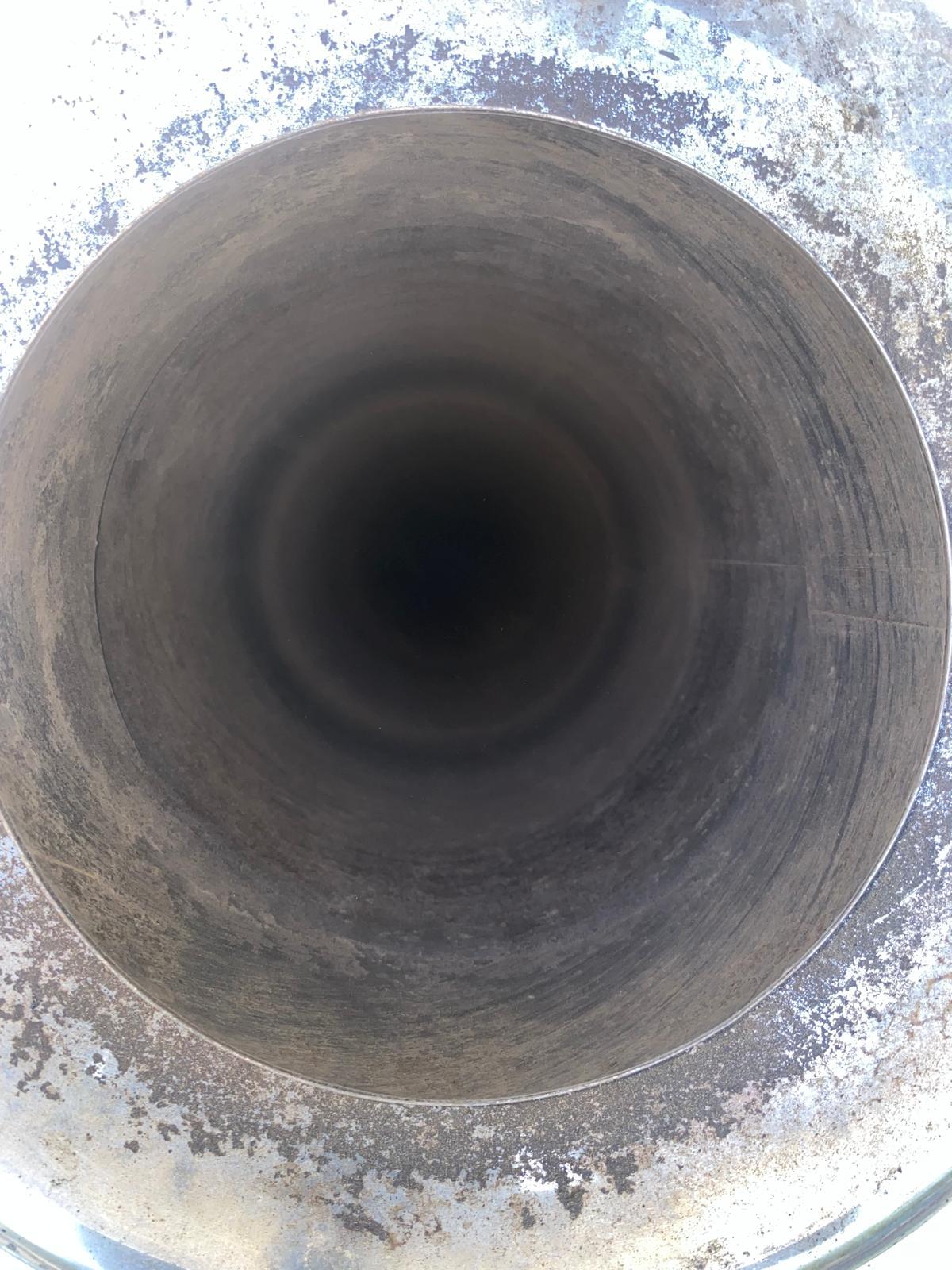
Stainless steel liners are arguably the most popular choice for modern installations and relining older chimneys. They are durable, corrosion-resistant, and flexible, making them ideal for retrofitting into existing, even crooked, flues without extensive demolition. Available in both rigid and flexible forms, stainless steel liners are compatible with a wide range of fuels, including wood, natural gas, oil, and pellet stoves. Their resilience makes them a smart choice in a seismically active area like Los Angeles, offering flexibility that traditional masonry might lack. For professional DD Chimney Cleaning in Los Angeles, we often see these liners maintaining their integrity year after year with proper care.
Clay (Terracotta) Liners: The Traditional Option
Many older Los Angeles homes, particularly in neighborhoods like Hancock Park or Silver Lake, feature clay (terracotta) liners. These are often the original liners found in traditional masonry chimneys due to their cost-effectiveness and good insulating properties when new. However, clay tiles are susceptible to cracking from thermal shock (rapid temperature changes) and impact, including minor seismic shifts. Once cracked, they no longer offer reliable protection, allowing heat and gases to escape into your home’s structure. Regular chimney inspections are paramount for homes with clay liners to detect damage early.
Cast-in-Place Liners: Durability and Custom Fit
Cast-in-place liners involve pouring a special, heat-resistant cement mixture into the chimney flue around an inflatable former. Once cured, the former is removed, leaving a smooth, seamless, and incredibly durable liner. This method is excellent for chimneys with irregular shapes or those requiring significant structural repair. They offer superior insulation and structural integrity, making them suitable for all fuel types and providing exceptional longevity. This can be an excellent long-term solution for historical properties in areas like Hollywood Hills where original flue structures may be unique and complex. While we mostly provide DD Chimney Cleaning in New York, the principles of liner maintenance are universally important.
Matching Liner to Fuel Type in Los Angeles
The type of fuel you burn directly impacts the demands on your chimney liner:
- Wood-Burning Fireplaces: Require liners that can withstand high temperatures and resist the corrosive effects of creosote buildup. Stainless steel and cast-in-place liners are excellent choices, while clay liners need vigilant inspection.
- Gas Appliances: Natural gas produces highly corrosive acidic condensate. Liners for gas fireplaces and appliances must be corrosion-resistant (e.g., specific grades of stainless steel) to prevent rapid deterioration. Clay liners can fail quickly under these conditions without an additional coating or sealant. Even in cities with different climates like DD Chimney Cleaning in Chicago, fuel-type compatibility remains a top concern.
Your Emergency Preparedness Plan: Proactive Maintenance with DD Chimney Cleaning
Regardless of your liner material, regular inspection and cleaning are non-negotiable. Creosote buildup from wood burning is a leading cause of chimney fires, and even gas flues can accumulate blockages or develop dangerous structural issues. A damaged liner isn’t just inefficient; it’s a silent threat to your home and family.
At DD Chimney Cleaning, we specialize exclusively in keeping Los Angeles chimneys safe and clean. Our certified technicians provide comprehensive professional chimney inspections that go beyond a quick look. We meticulously check your entire system, including the integrity of your chimney liner, assessing for cracks, deterioration, or blockages. We can identify potential issues before they escalate into costly repairs or dangerous situations.
Don’t wait for a problem to arise. Proactive maintenance is your best defense. If you’re unsure about your chimney liner’s condition or what material is best suited for your Los Angeles home and fuel type, it’s time to call the experts. For safe and thorough creosote removal services and expert advice, contact DD Chimney Cleaning today at (833) 339-6803. We are here to ensure your peace of mind and the safety of your home.
FAQ: Your Chimney Liner Questions Answered
Q1: How often should I have my chimney liner inspected?
A: The Chimney Safety Institute of America (CSIA) recommends annual inspections for all chimneys, regardless of fuel type. If you burn wood regularly, an annual cleaning is also crucial to remove creosote buildup.
Q2: Can I repair a damaged liner, or does it always need replacement?
A: Minor cracks in clay liners can sometimes be repaired with specialized heat-resistant sealants or parging. However, significant damage, extensive cracking, or perforation of any liner material usually necessitates full replacement to ensure safety and code compliance.
Q3: Is a chimney liner mandatory in Los Angeles?
A: Building codes generally require a functional and intact chimney liner for all fireplaces and heating appliances. If your chimney has an unlined flue or a damaged liner, it typically needs to be brought up to code to ensure safety and proper venting. We recommend checking out visit their website for additional electrical needs.
Q4: What are the signs of a failing chimney liner?
A: Signs include smoke entering your home, excessive creosote buildup, a noticeable decrease in fireplace efficiency, crumbling mortar, water stains on the chimney exterior, or a lingering odor of smoke even when the fireplace isn’t in use. Any of these warrant immediate professional inspection.
Q5: Does a gas fireplace need a liner?
A: Yes, absolutely. Even gas appliances produce corrosive byproducts that can damage the chimney’s masonry over time. A properly sized and corrosion-resistant liner is essential for efficient drafting and preventing the escape of dangerous carbon monoxide.
Q6: How long do chimney liners typically last?
A: The lifespan varies significantly