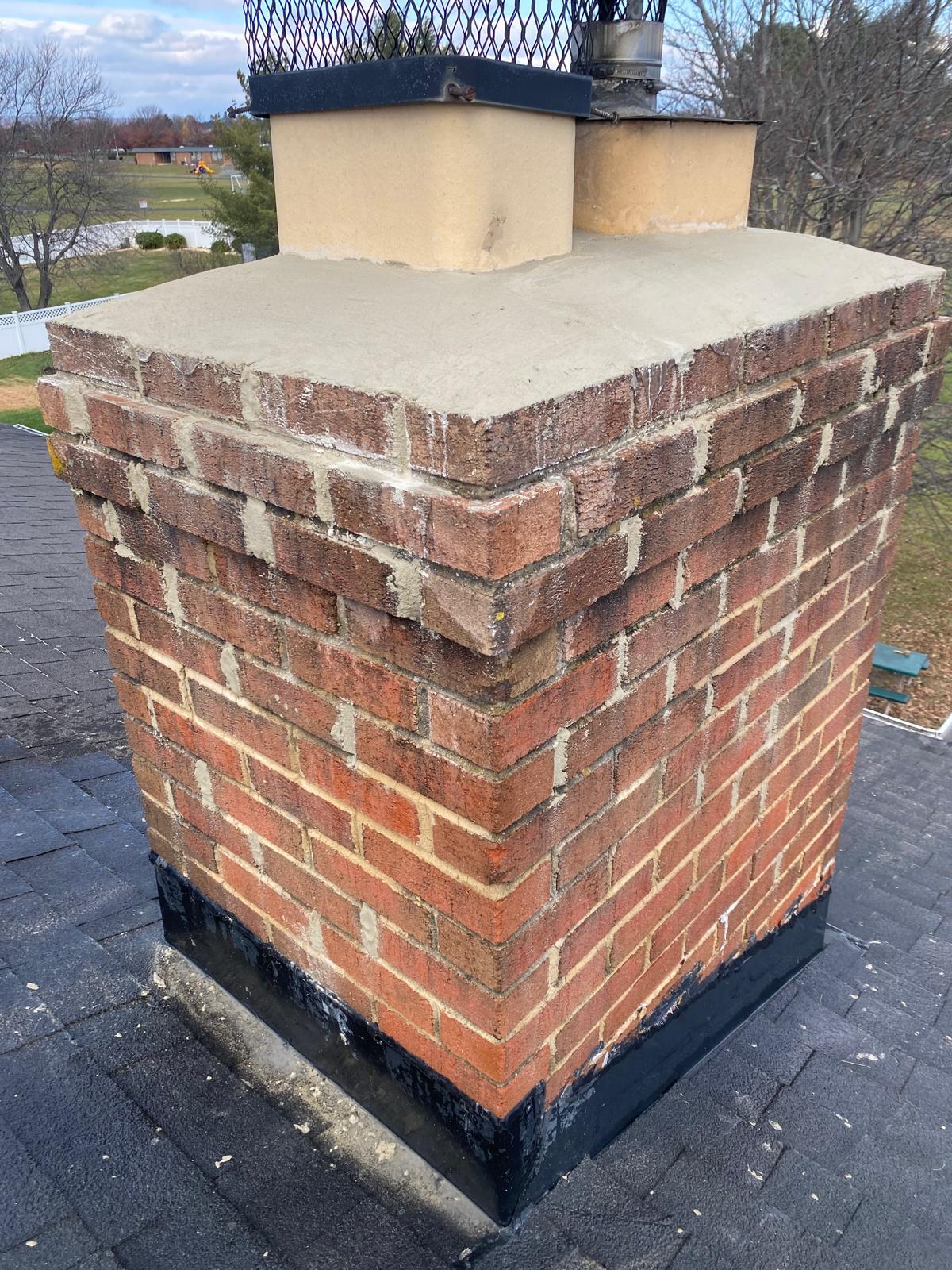
The hearth, a timeless focal point of human gathering, has undergone significant transformations throughout history. From rudimentary open fires in ancient dwellings to intricate masonry structures in colonial homes, chimneys have always served a vital purpose: safely expelling smoke and combustion byproducts. While modern homes, particularly those gracing the contemporary landscapes of cities like Houston, often integrate sleek, energy-efficient designs, the fundamental principles of fire safety and proper ventilation remain paramount. Even with advancements in heating technology, many contemporary residences feature fireplaces or wood-burning stoves, demanding the same diligent attention to chimney maintenance as their historic counterparts.
The Evolution of Chimneys in Modern Houston Homes
Houston’s architectural panorama is a dynamic blend of historic charm and cutting-edge modernity. From the elegant, tree-lined streets of River Oaks to the burgeoning new developments in areas like Bridgeland and Elyson, modern homes frequently incorporate fireplaces not just for heating, but as aesthetic statements and luxury amenities. These aren’t always the sprawling brick stacks of yesteryear; many feature pre-fabricated metal flues, gas log inserts, or direct-vent systems. However, the misconception that these newer systems require less attention is a dangerous one. While some modern fireplaces may produce less creosote than traditional wood-burning units, regular inspections are crucial to ensure seals are intact, vents are clear, and no structural integrity issues arise. Understanding the specific needs of your system is the first step towards ensuring the safety and longevity of your investment, much like understanding the unique urban demands on DD Chimney Cleaning in Houston.
Unique Chimney Challenges in Houston’s Climate
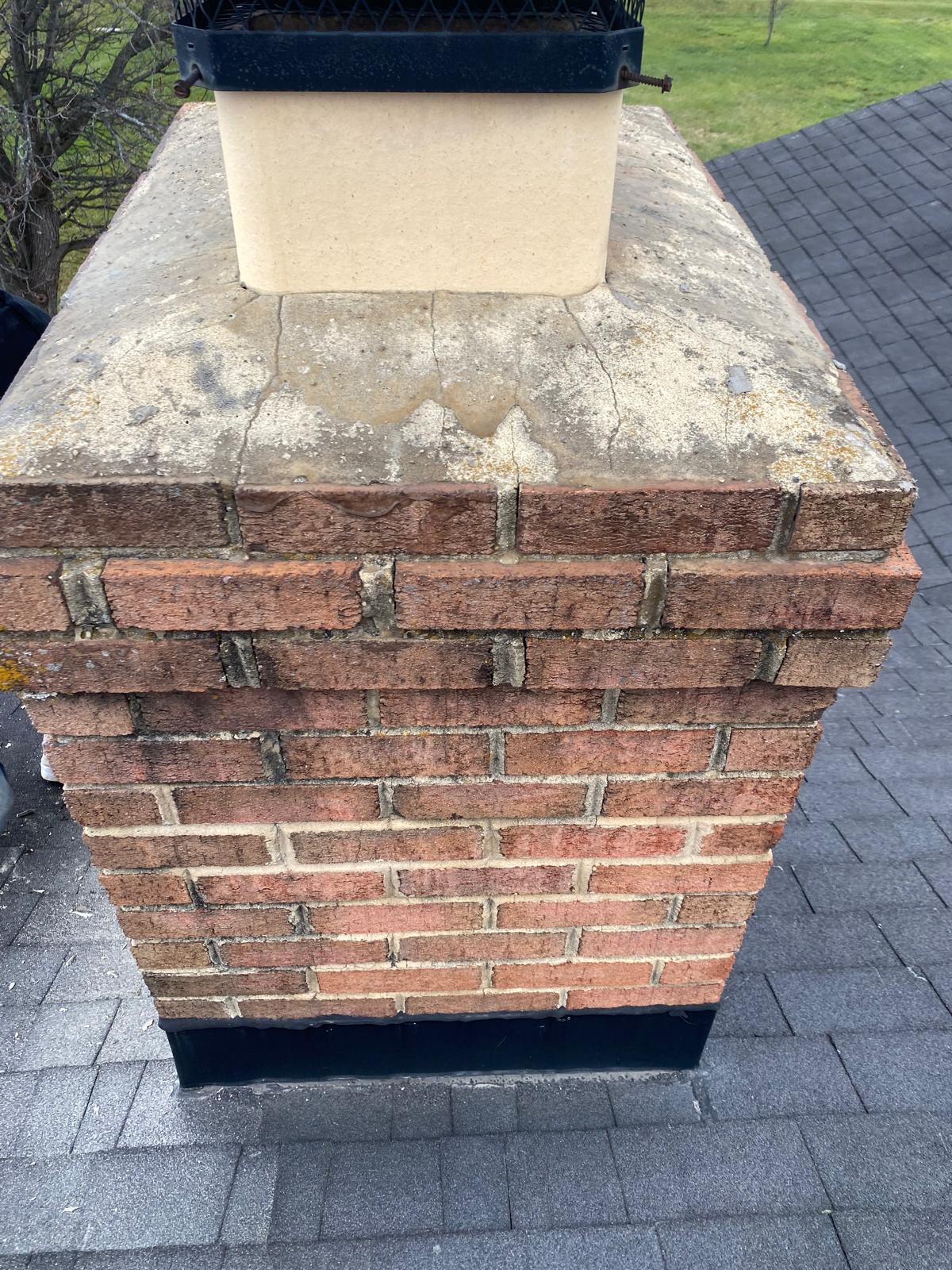
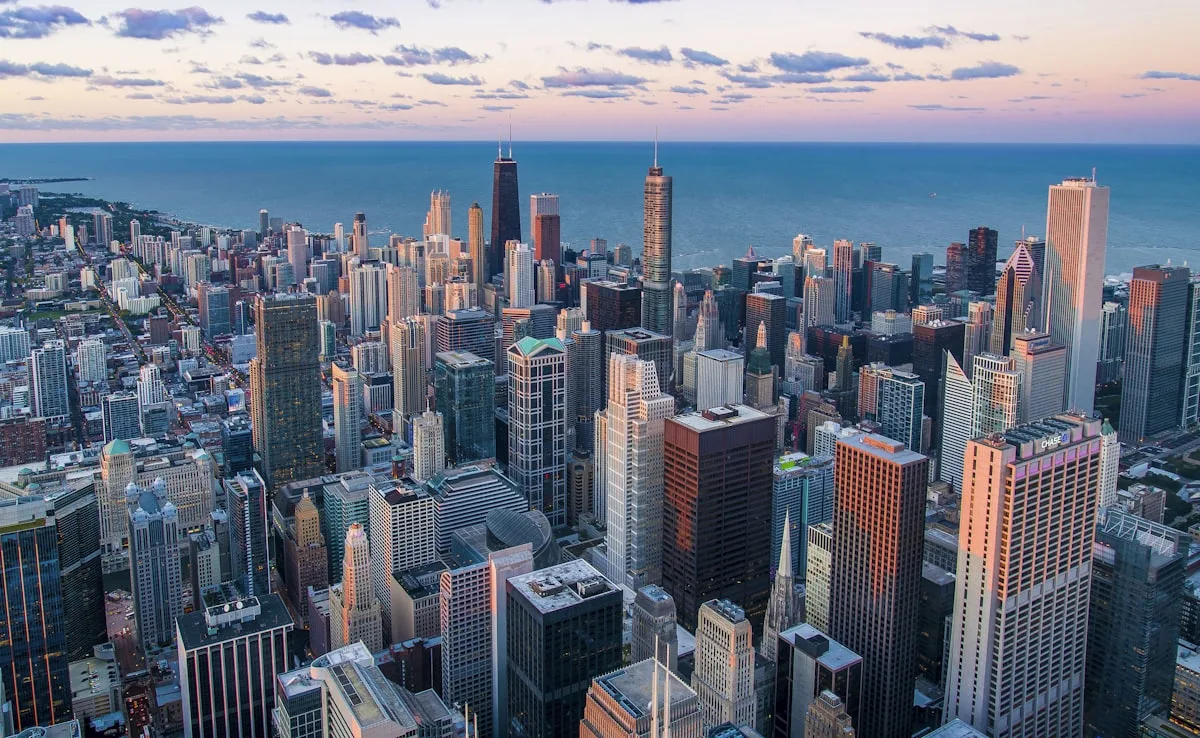
Houston’s distinct sub-tropical climate presents a unique set of challenges for chimney systems. High humidity, sudden temperature fluctuations, and heavy rainfall can accelerate deterioration, promote mold growth, and exacerbate creosote accumulation. Moisture penetration is a significant concern; water seeping into the chimney structure can compromise mortar joints, lead to rusting of metal components, and foster dangerous conditions. Furthermore, the intermittent use of fireplaces in a milder climate means that issues can go unnoticed for longer periods. Unlike the consistent cold of other regions, which necessitates frequent cleaning, Houstonian fireplaces might be used less often, yet still accrue enough creosote to pose a fire risk when finally ignited. This necessitates a proactive approach to inspections and cleaning, a nuanced understanding that distinguishes specialized chimney care in bustling metropolises like Chicago or the specific chimney service requirements in historic Boston.
The Dangers of Neglecting Maintenance
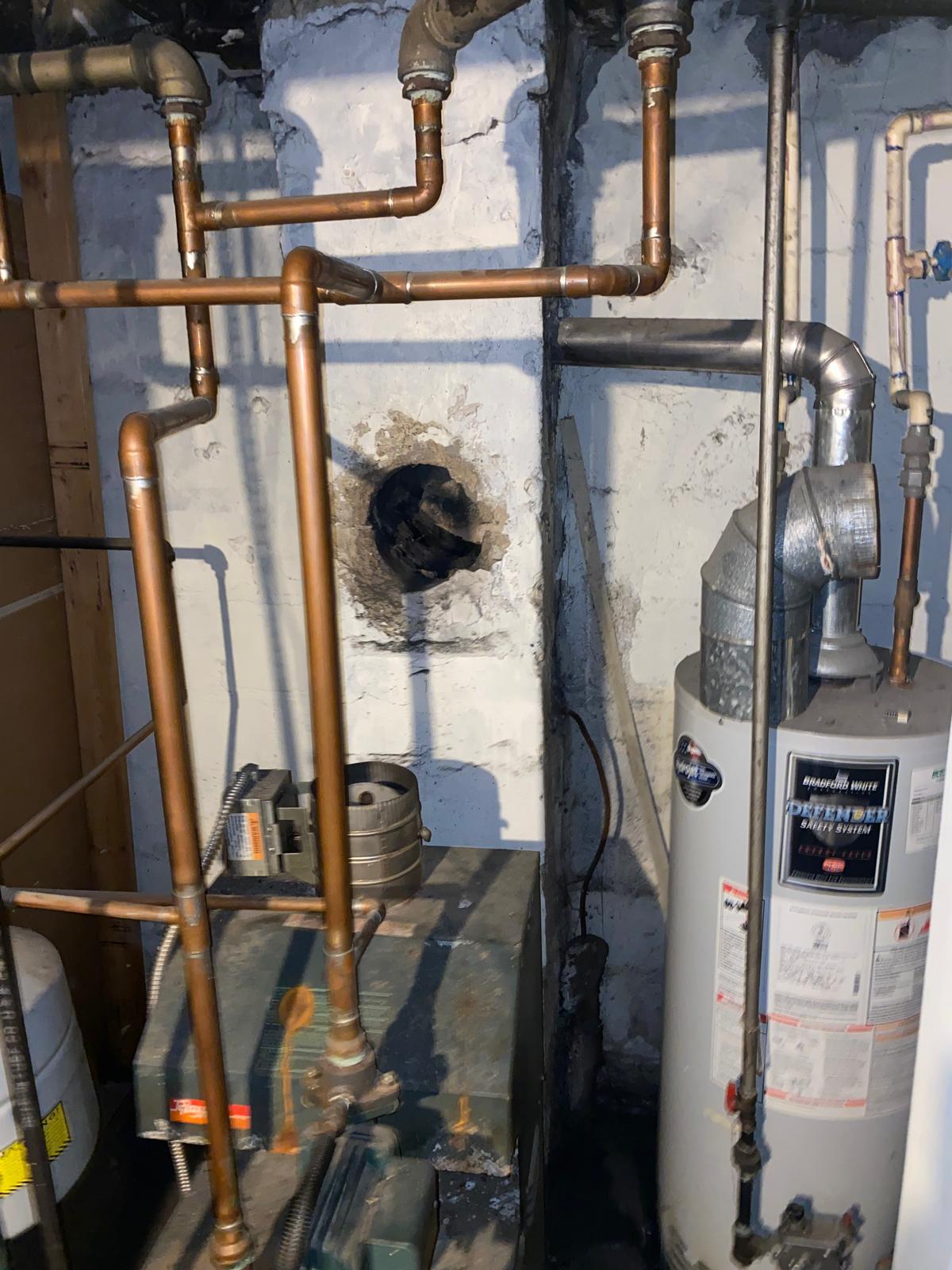
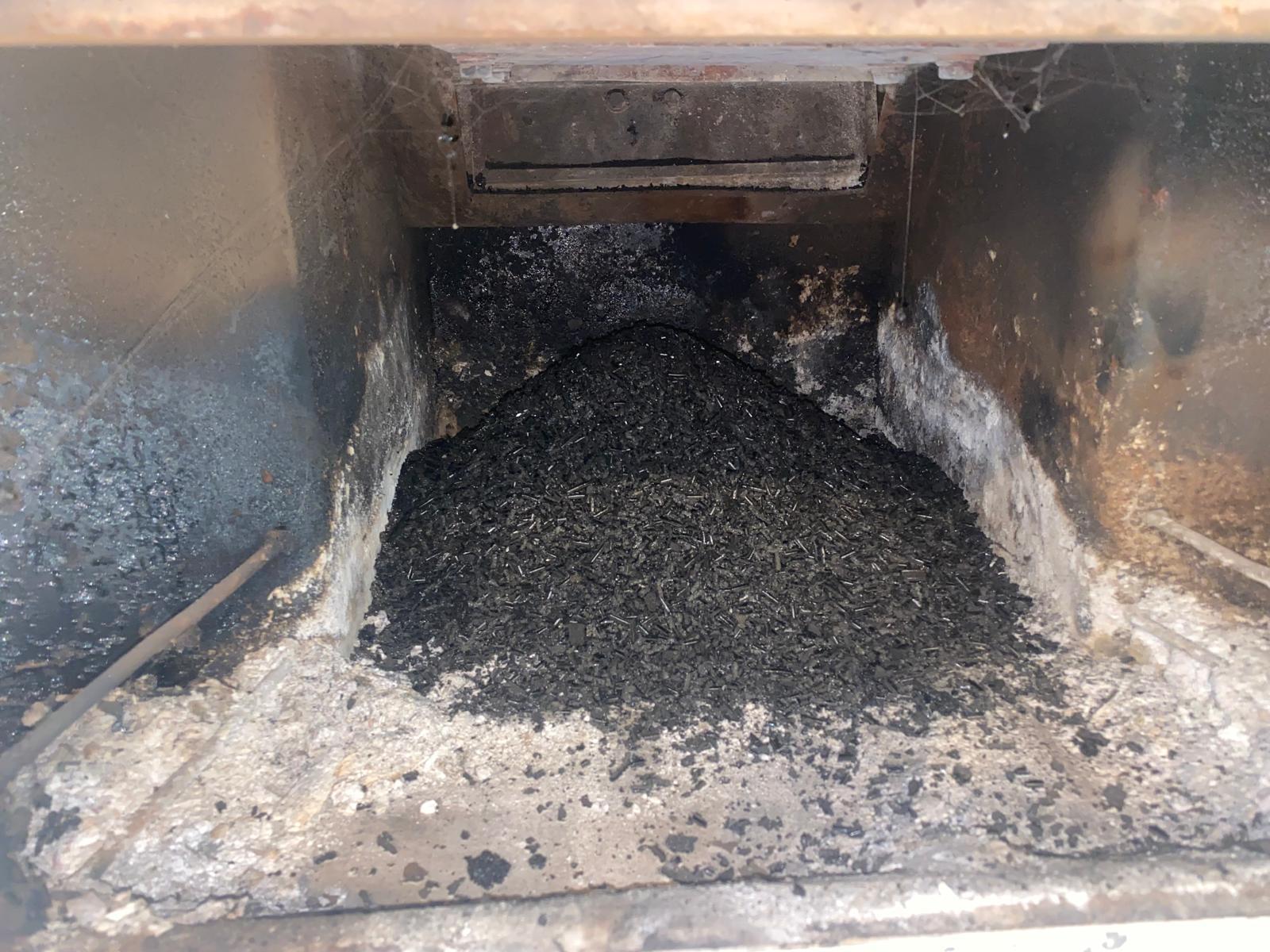
Creosote, a highly flammable byproduct of incomplete combustion, is the primary culprit behind chimney fires. Even a small buildup can ignite, leading to intense fires that can damage the chimney structure and spread to the rest of the home. According to the Chimney Safety Institute of America (CSIA), over 25,000 chimney fires occur annually in the U.S., resulting in millions of dollars in property damage and tragic loss of life. Beyond fire hazards, a blocked or poorly maintained chimney can lead to carbon monoxide poisoning, a silent killer that is colorless and odorless. Regular professional chimney cleaning services tailored for Houston homes are not just about convenience; they are about safeguarding your family and your property.
Why Regular Chimney Cleaning is Non-Negotiable
For modern homes, particularly those in areas like Houston, annual professional chimney inspection and cleaning are not merely recommendations; they are essential safety protocols. DD Chimney Cleaning emphasizes that even with gas fireplaces, blockages from debris, animal nests, or structural shifts can impair ventilation. A professional technician will not only remove creosote but also thoroughly inspect the flue liner, damper, chimney cap, and exterior masonry for any signs of wear, damage, or potential hazards. This comprehensive approach ensures that your chimney operates efficiently and safely, mitigating risks before they escalate. Don’t wait until you notice a problem; proactive maintenance is always the safest course of action. If you have any concerns, you can reach out to experts at (833) 339-6803 for guidance.
Your Role in Proactive Chimney Maintenance
While professional cleaning is paramount, homeowners also play a vital role in maintaining their chimney systems. Beyond scheduling annual inspections with trusted professionals like DD Chimney Cleaning, consider these tips:
- Burn Seasoned Wood: If you have a wood-burning fireplace, always use wood that has been seasoned for at least six months to a year. Seasoned wood burns hotter and produces less smoke and creosote.
- Monitor Smoke Output: Excessive smoke indicates incomplete combustion and rapid creosote buildup. Ensure adequate airflow.
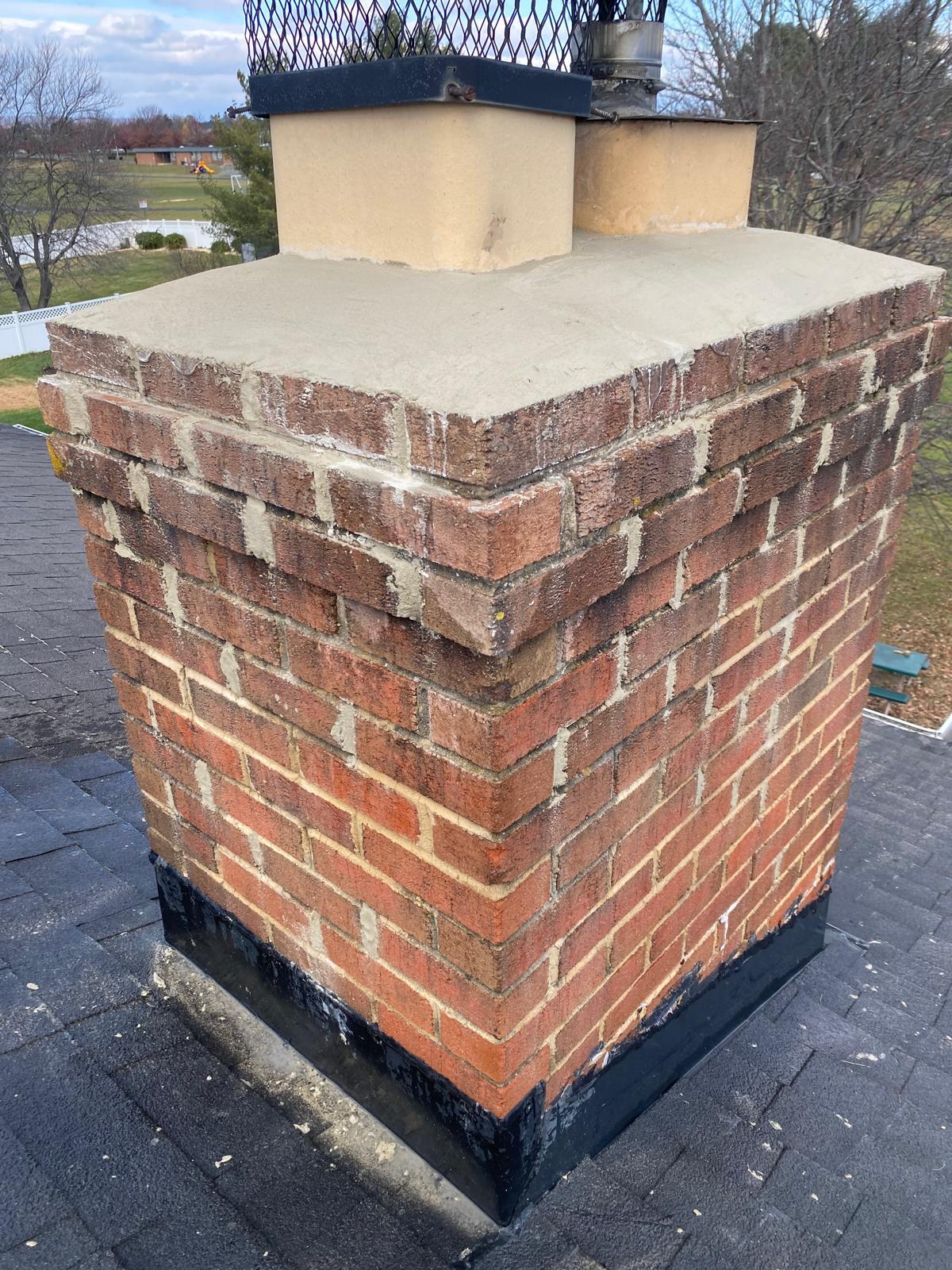
- Install a Chimney Cap: A cap keeps out rain, debris, and animals, preventing blockages and moisture damage.
- Check for Animal Activity: Look for signs of birds, squirrels, or other creatures nesting in your chimney, especially during warmer months.
- Learn About Your System: Understand the type of fireplace and chimney you have and its specific maintenance needs.
Frequently Asked Questions About Chimney Maintenance
Q1: How often should my modern chimney be cleaned in Houston?
A: The Chimney Safety Institute of America (CSIA) recommends annual inspections for all chimneys, regardless of fuel type. Cleaning should occur as needed, typically when creosote buildup reaches 1/8 inch thickness or if blockages are present. Given Houston’s humidity, annual cleaning is often a wise choice.
Q2: Do gas fireplaces require cleaning?
A: Yes, even gas fireplaces require annual inspection. While they produce minimal creosote, their flues can still accumulate debris, animal nests, or experience issues with venting, pilot lights, or gas lines. Carbon monoxide is a serious concern with any combustion appliance.
Q3: What are the signs that my chimney needs cleaning?
A: Common signs include a smoky odor even when not in use, smoke entering your home instead of going up the flue, a dark and sooty damper, visible creosote buildup, or a sudden decrease in fireplace draft.
Q4: Can I clean my chimney myself?
A: While DIY cleaning kits exist, professional chimney cleaning involves specialized tools, extensive knowledge of chimney systems, and the ability to identify potential hazards like cracks or deteriorating liners. It is strongly recommended to hire a certified professional for safety and effectiveness.
Q5: What is creosote and why is it dangerous?
A: Creosote is a highly flammable, tar-like substance that builds up inside the chimney flue as a byproduct of burning wood. It’s dangerous because it can ignite, causing a chimney fire that can damage the chimney and spread to your home.
Trust the Experts for Your Chimney Needs
Maintaining the integrity and safety of your chimney system, especially in a vibrant and growing city like Houston, is an ongoing responsibility that should never be overlooked. By understanding the unique challenges presented by modern home design and Houston’s climate, and by prioritizing regular, professional cleaning, you ensure your home remains a safe and comfortable haven. When it comes to expert chimney care, DD Chimney Cleaning stands as a beacon of professionalism and reliability. For premier chimney cleaning in Houston, TX, trust the certified professionals. Contact DD Chimney Cleaning today at (833) 339-6803 to schedule your essential chimney inspection and cleaning, and enjoy your fireplace with complete peace of mind.