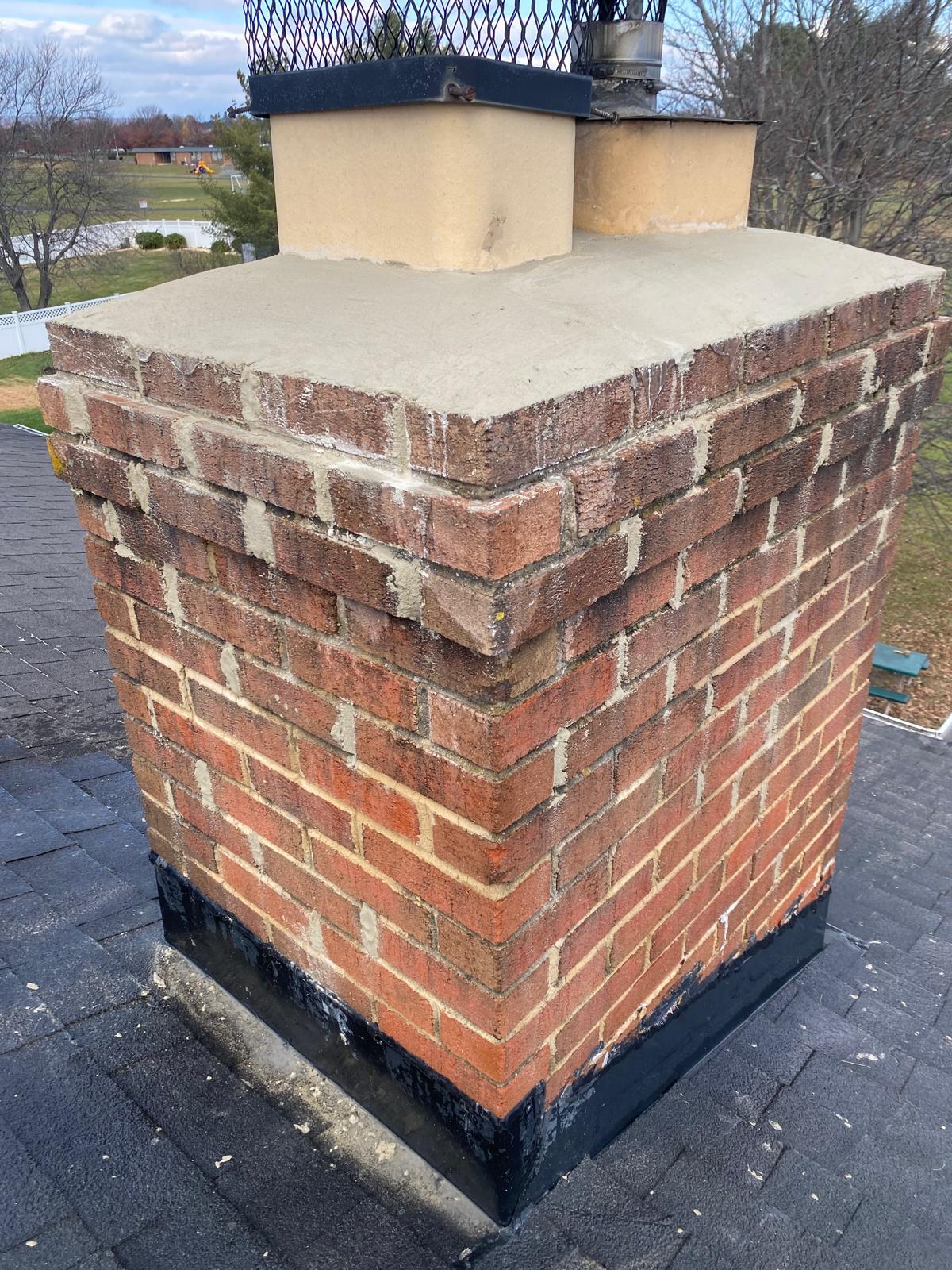
One of the most common pitfalls historic homeowners fall into is believing that if their antique fireplace works, it must be fine. Especially in a city like Chicago, with its magnificent turn-of-the-century homes in neighborhoods from Lincoln Park to Hyde Park, the allure of a crackling fire can overshadow the critical, often hidden, needs of a truly vintage chimney system. Neglecting this vital part of your home isn’t just a fire hazard; it can compromise the very integrity and efficiency you cherish. But don’t worry, maintaining a historic chimney is entirely manageable with the right knowledge and a proactive approach. As DD Chimney Cleaning, we understand the unique character and challenges that come with caring for older structures.
Why Your Historic Chicago Chimney Demands Special Attention
-
Age-Related Material Deterioration: A Silent Threat
Historic chimneys in Chicago often feature masonry and mortar much different from modern constructions. Materials like soft lime mortar, common in homes built before the mid-20th century, are prone to deterioration over decades of freeze-thaw cycles, a hallmark of our unforgiving Midwestern winters. Unlike contemporary Portland cement, lime mortar needs to breathe, and improper repairs can seal in moisture, accelerating decay. The older the structure, the more likely you are to find worn-down bricks, spalling, and crumbling joints, all of which compromise structural integrity and fire safety.
-
The Impact of Chicago’s Climate
From the brutal cold fronts sweeping off Lake Michigan to the fluctuating humidity, Chicago’s climate is relentless. This constant exposure to moisture, frost, and temperature extremes places immense stress on your chimney. Water penetration is a primary enemy, leading to rusted dampers, damaged liners, and weakened masonry. A seemingly small crack can expand with freezing water, causing significant damage over time. This is a challenge familiar to historic homeowners not just in Chicago but also in other climatically similar regions, like those we’ve observed while helping communities in DD Chimney Cleaning in Cleveland.
-
Creosote Buildup in Less Efficient Systems
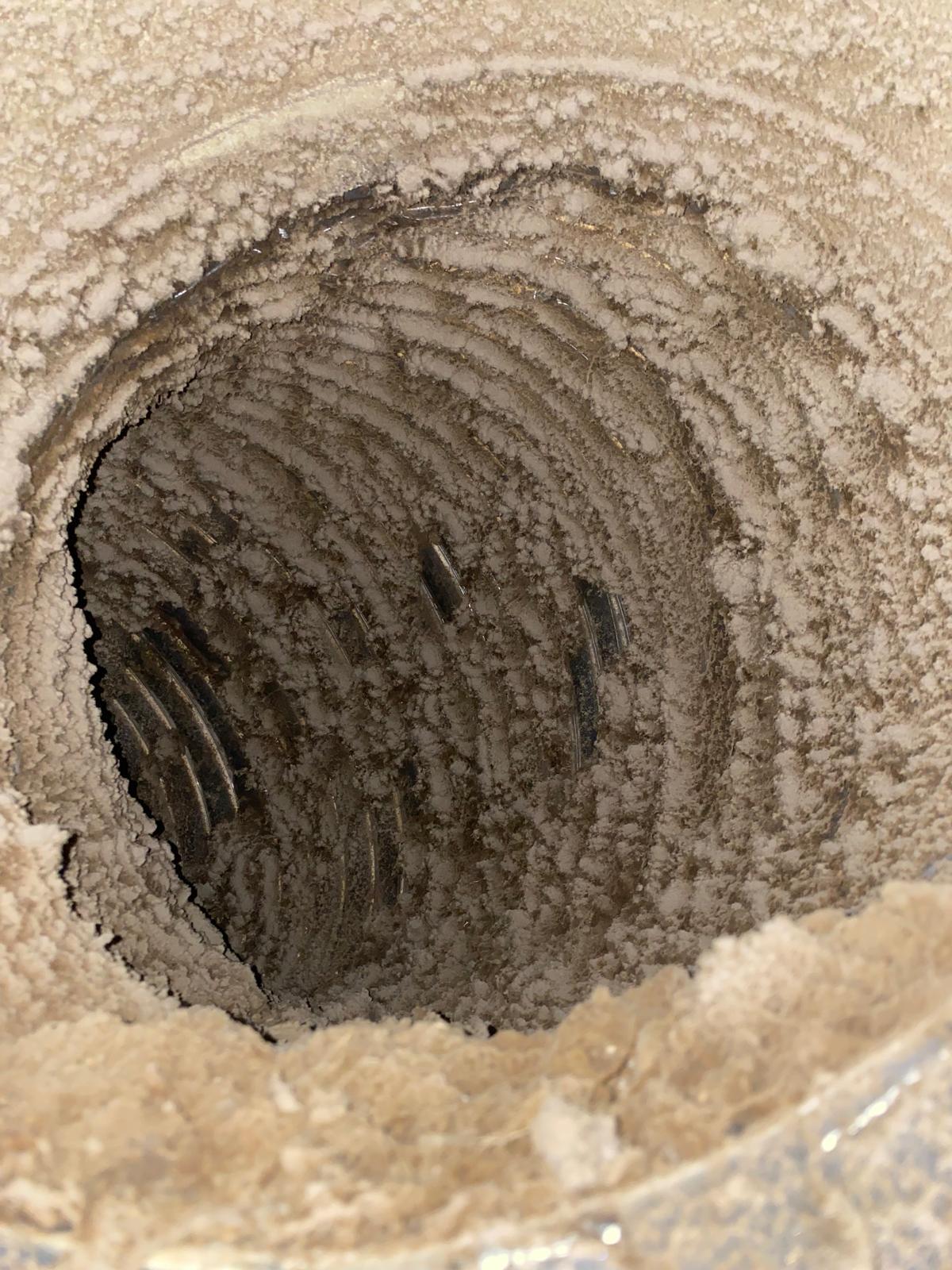
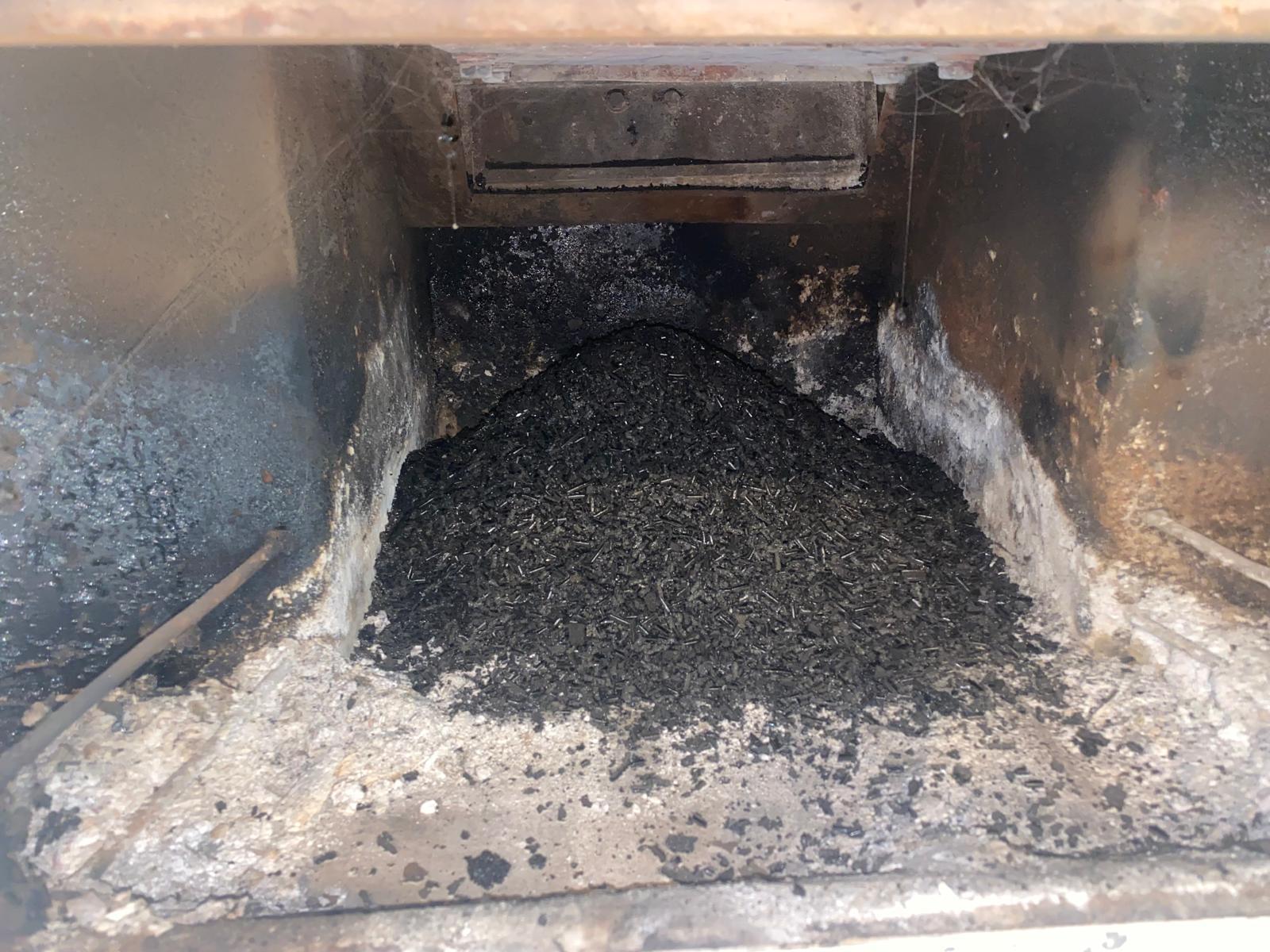
Many historic fireplaces, while beautiful, weren’t designed for the clean-burning efficiency of modern units. This can lead to increased creosote accumulation, a highly flammable byproduct of incomplete combustion. The narrower, less insulated flues common in older homes can exacerbate this problem, creating a perfect storm for chimney fires if not regularly cleaned. According to the Chimney Safety Institute of America (CSIA), approximately 25,000 chimney fires occur annually in the U.S., many preventable with proper maintenance.
Essential Chimney Maintenance Checklist for Chicago’s Historic Homes
-
Regular Professional Inspections Are Non-Negotiable
- Annual Check-ups: Schedule a professional chimney inspection every year, regardless of how often you use your fireplace. A certified technician, experienced with historic structures, can identify subtle issues before they escalate. They will typically perform a Level 1 inspection, looking for soundness and creosote buildup. For specific events like buying or selling your historic property, or after a significant weather event, a more comprehensive Level 2 inspection might be recommended. This is a standard practice we emphasize across all our service areas, including for homes needing DD Chimney Cleaning in Los Angeles, despite the differing climates.
- Spotting the Subtle Signs: Inspections for older homes go beyond checking for soot. We’re looking for spalling brick, mortar deterioration, shifting flue tiles, or any signs of water intrusion that might indicate the chimney has weathered Chicago’s elements less gracefully than you’d hoped.
-
Prioritize Thorough Chimney Cleaning
- Creosote: The Silent Incinerator: As mentioned, creosote is a major concern. It’s not just a mess; it’s extremely flammable. If it accumulates beyond 1/8 inch thick, your chimney is at a significantly higher risk of a chimney fire.
- Cleaning Frequency: If you use your fireplace regularly (more than once or twice a week during the heating season), a professional cleaning is recommended annually. For historic homes with potentially less efficient systems, more frequent cleaning may be advisable. DD Chimney Cleaning ensures every cleaning is comprehensive, removing all traces of creosote and blockages.
- The Right Tools and Expertise: Historic chimneys can be delicate. Improper cleaning can cause damage. Our technicians use specialized brushes and vacuum systems to effectively clean your flue without harming the older masonry or existing liner. Getting help from DD Chimney Cleaning in Chicago ensures your home receives expert care tailored to its unique needs.
-
Evaluate and Maintain Your Chimney Liner
- The Unseen Protector: Many historic chimneys either lack a liner or have clay tile liners that can crack and crumble over time. A functional liner is crucial for containing combustion byproducts, preventing heat transfer to combustible materials, and improving efficiency.
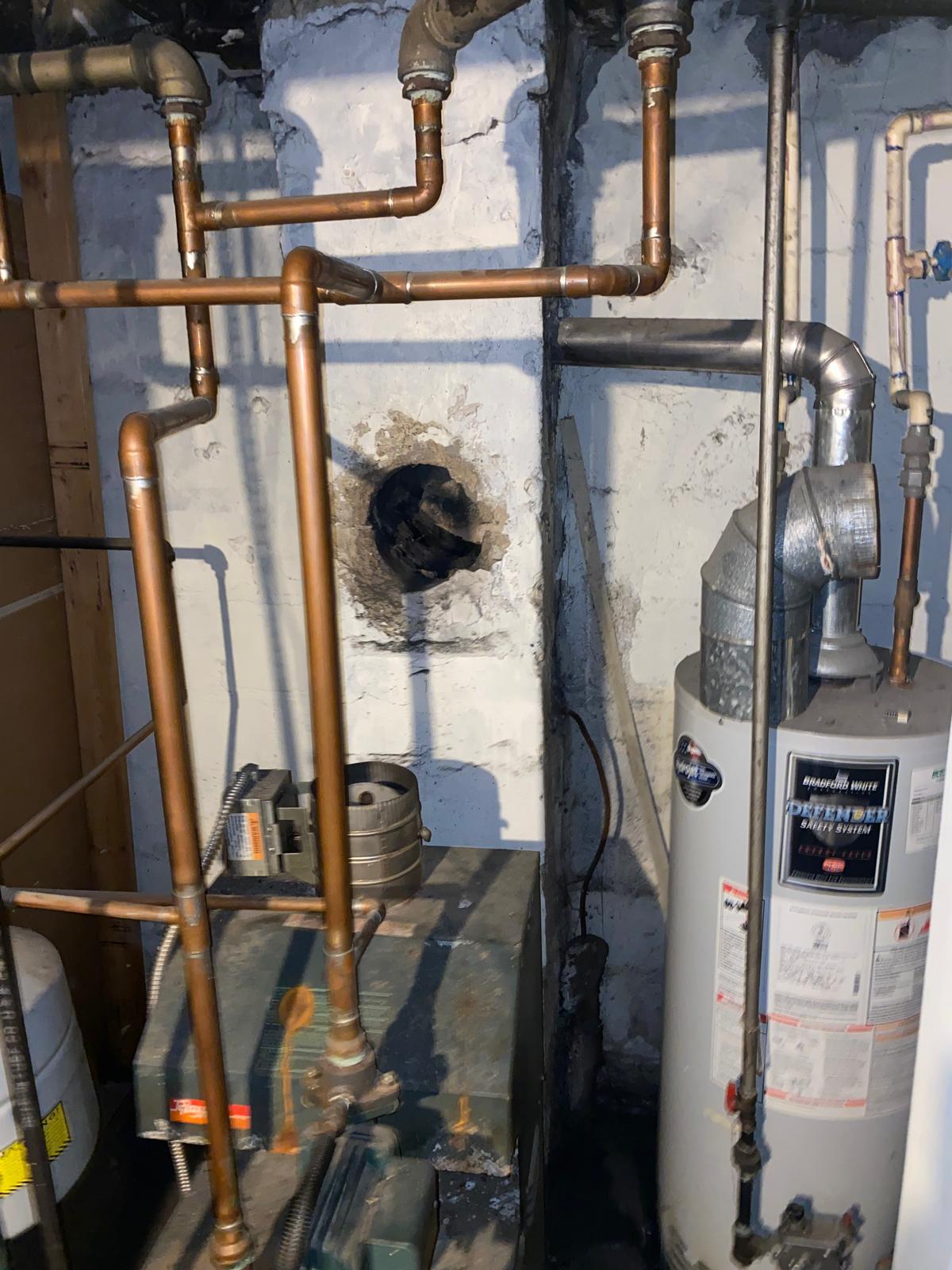
- Signs of Damage: If your historic chimney has an unlined or damaged flue, smoke and gases (including deadly carbon monoxide) can leak into your home, and heat can penetrate surrounding walls, igniting structural components. During an inspection, professionals will assess the condition of your liner and recommend appropriate solutions, such as installing a stainless steel liner which is often the best solution for safety and longevity in older homes.
-
Assess and Repair Masonry and Mortar
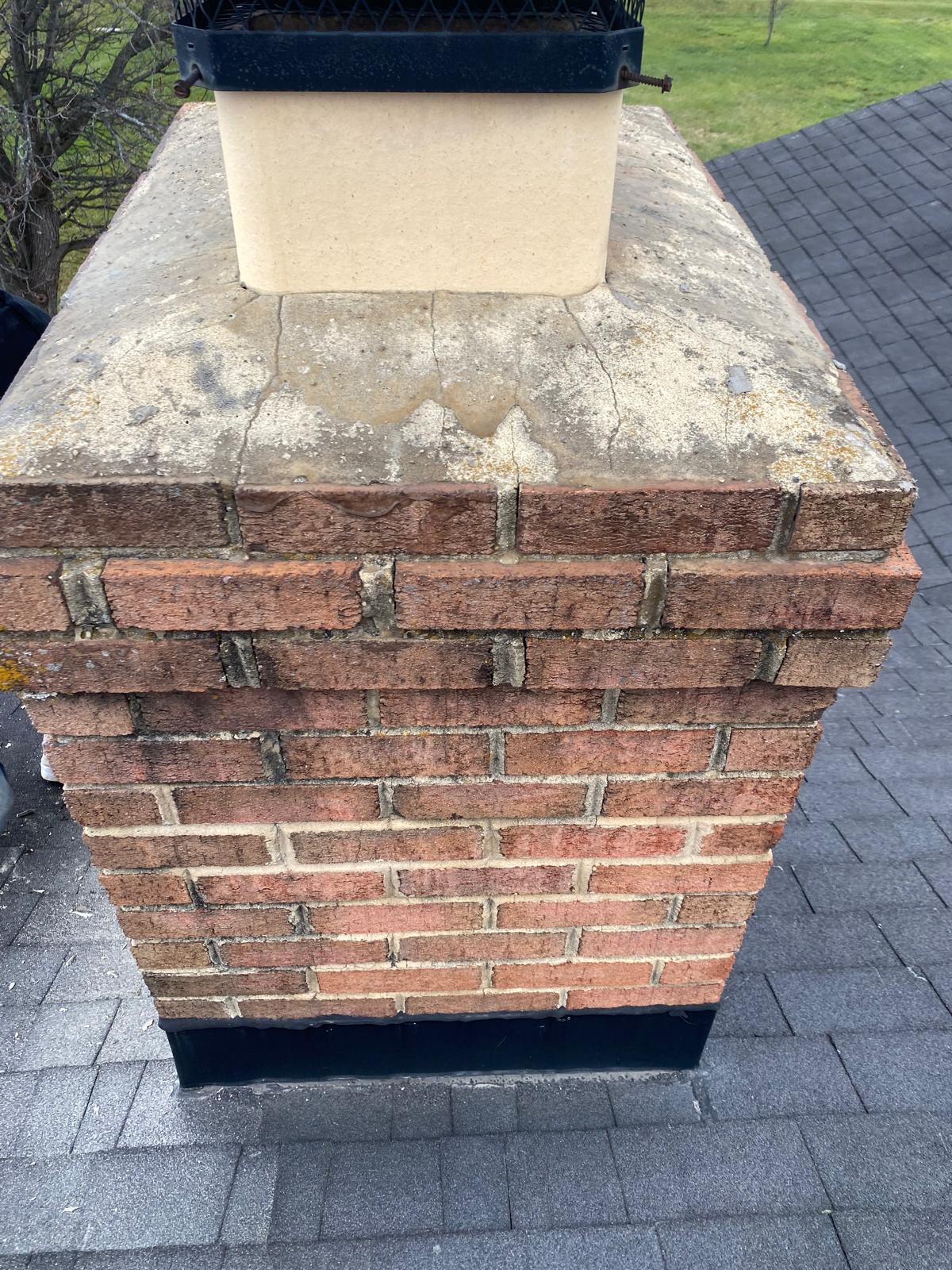
- Tuckpointing for Longevity: The mortar between bricks on historic chimneys is often the first element to degrade. Proper tuckpointing – carefully removing old, deteriorated mortar and replacing it with new, compatible mortar – is crucial. Using the correct type of mortar, often a softer lime-based mix, is vital to avoid damaging the historic bricks. Incorrect repairs can accelerate damage to the softer, original brickwork.
- Watch for Spalling: This is when the face of the brick flakes or peels off. It’s often caused by moisture repeatedly freezing and expanding within the brick. Identifying and repairing spalling early can prevent extensive, costly chimney rebuilding down the line.
-
Don’t Overlook the Chimney Cap and Crown
- Your First Line of Defense: A well-fitted chimney cap keeps rain, snow, animals (especially problematic in city environments with abundant wildlife), and debris out of your flue. Without it, moisture can seep into your chimney, leading to expensive internal damage.
- The Protective Crown: The chimney crown, the slab on top of the chimney that covers the opening of the flue, is also vital. Cracks in the crown allow water to penetrate the chimney’s structure, often causing severe deterioration to the masonry below. Ensuring your cap and crown are in top shape is an easy and cost-effective preventative measure against major chimney issues.
Signs Your Historic Chimney Needs Immediate Attention
- Smoke in the Living Space: If smoke enters your room instead of going up the flue, it indicates a drafting problem or blockage.
- Unusual Odors: A persistent smoky, musty, or animal smell coming from your fireplace or chimney is a warning sign.
- Visible Damage: Obvious cracks, crumbling mortar, missing bricks, or leaning sections of the chimney stack demand immediate assessment.
- Soot or Debris: If you notice an unusual amount of soot or debris falling into your fireplace