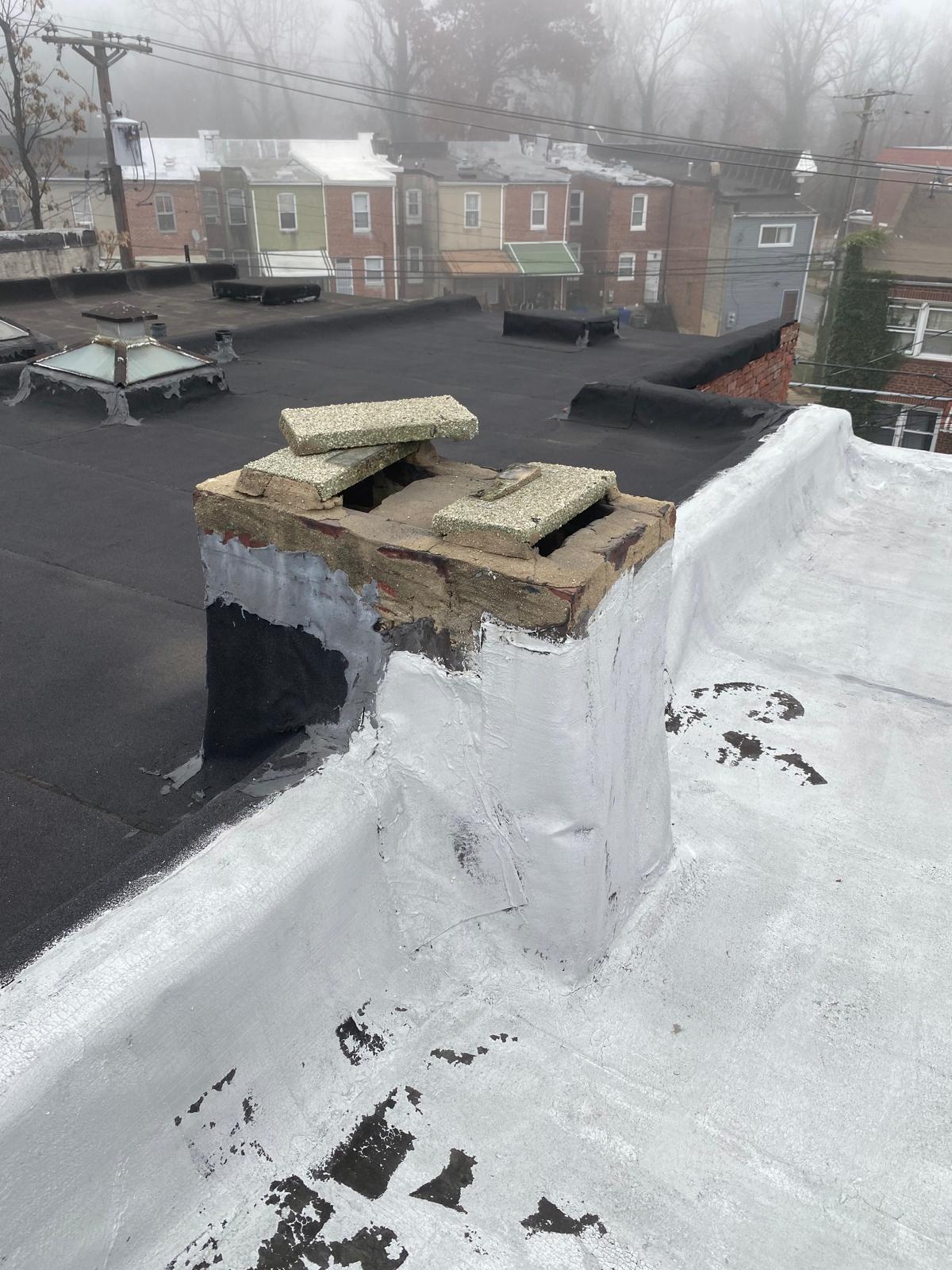
Ah, the humble chimney cap. Often an afterthought, sometimes forgotten entirely, but make no mistake, this unsung hero perched atop your Los Angeles home plays a far more critical role than its unassuming appearance suggests. Think of it like the bouncer at the exclusive club that is your fireplace – keeping out the riff-raff, ensuring only the good vibes (smoke and exhaust) get out, and nothing unwanted (rain, critters, fiery embers) gets in.
Historically, early chimney covers were pretty rudimentary – a simple stone slab or a clay tile, just enough to stop a direct rain deluge. Over centuries, as fireplaces became more refined and homes more complex, so too did their headwear. From basic utilitarian grates to elaborate, architecturally integrated masterpieces, the chimney cap evolved to address a myriad of challenges: weather protection, pest deterrence, and, critically, fire safety. And in a place like our beloved Los Angeles, where architectural styles span centuries and wildfire season is a very real thing, choosing the right material for your chimney cap isn’t just about aesthetics; it’s about smart, long-term home protection.
So, let’s take a deep dive into the world of chimney caps, exploring the grand debate of stainless steel vs. copper vs. clay. Consider this your ultimate guide to crowning your LA chimney with the perfect blend of style, durability, and peace of mind.
The Unsung Hero: Why Your Chimney Needs a Cap, Especially in LA
Before we jump into materials, let’s quickly reiterate *why* a chimney cap isn’t optional, even in sunny SoCal:
- Rain, Rain, Go Away: Even our famously dry climate gets its fair share of wet weather. A cap prevents rain from pouring directly down your flue, leading to damper damage, rust, and costly water repairs.
- Critter Control: Squirrels, raccoons, birds – they all see an open chimney as a five-star luxury suite. Caps keep unwelcome guests out, preventing blockages, noxious odors, and the unsettling sound of rustling from above.
- Spark Arrestor: This is HUGE for Los Angeles. Many caps come equipped with mesh screening that acts as a spark arrestor, catching stray embers before they can float onto your roof or into dry brush, potentially igniting a wildfire. This isn’t just a good idea; it’s often a local code requirement.
- Downdraft Dilemma: A well-designed cap can even help mitigate downdrafts, ensuring your smoke goes up, not back into your living room.
The Material Deep Dive: Which Crown for Your Chimney?
Stainless Steel: The Dependable Workhorse with a Classic Vibe
If chimney caps were movie stars, stainless steel would be the seasoned character actor – always reliable, gets the job done without fuss, and looks consistently sharp. It’s the go-to for many homeowners, and for good reason.
The Good Stuff (Pros):
- Durability for Days: This stuff is built to last. Stainless steel is incredibly robust, able to withstand years of sun, wind, and the occasional LA rainstorm without batting an eyelash.
- Rust-Resistant MVP: Crucial for coastal homes or those frequently shrouded in our marine layer, stainless steel resists corrosion like a champ, meaning no unsightly orange streaks running down your chimney.
- Cost-Effective Champion: Generally the most budget-friendly option among the metals, stainless steel offers fantastic bang for your buck without compromising on quality or performance.
- Clean & Classic Look: Its sleek, silvery finish provides a modern yet timeless appeal that complements almost any home style, from Mid-Century Modern to a more traditional stucco dwelling.
- Built-in Spark Arrestor: Most stainless steel caps come standard with a sturdy mesh, providing that essential wildfire protection.
The Not-So-Good Stuff (Cons):
- Aesthetic Simplicity: While elegant, it doesn’t offer the unique, evolving beauty of copper. If you’re going for ultimate curb appeal opulence, it might feel a little too “just right” rather than “wow.”
LA Angle: Stainless steel is an excellent all-rounder for Los Angeles. It stands up to our dry heat and occasional rains, resists the salty air near the coast, and most importantly, provides crucial spark arrestor protection, which is non-negotiable in our fire-prone region. It’s the practical, smart choice for most Angelenos.
Copper: The Timeless Showstopper with Serious Curb Appeal
Now, if we’re talking Hollywood premiere, copper is the undeniable lead – glamorous, unique, and destined to age with a magnificent grace that other materials can only dream of. Copper caps are not just functional; they’re an architectural statement. Speaking of home maintenance, check out this service provides top-quality electrical.
The Good Stuff (Pros):
- Unrivaled Beauty: Freshly installed, copper gleams with a warm, rosy hue. But the real magic happens over time as it develops a beautiful, natural patina, evolving from rich bronze to a stunning verdigris (that lovely blue-green shade) that adds immense character and charm to your home.
- Exceptional Durability: Don’t let its good looks fool you; copper is incredibly tough. It’s highly resistant to corrosion and stands up to the elements for decades – we’re talking a lifespan that often exceeds the home it adorns.
- Luxurious Investment: A copper cap instantly elevates your home’s curb appeal and perceived value. It’s often seen on high-end homes, adding that touch of bespoke elegance. Perfect for Spanish Colonial Revival or Mediterranean-style homes prevalent in areas like Pasadena, Santa Monica, or Beverly Hills.
- Rust-Proof Royalty: Copper simply doesn’t rust, making it an ideal choice for any part of LA, especially near the ocean.
The Not-So-Good Stuff (Cons):
- Premium Price Tag: No sugar-coating it, copper is the most expensive option upfront. It’s an investment, but one that pays dividends in longevity and aesthetics.
- Patina Preference: While most adore the developing patina, some prefer the initial shiny copper look. Be aware that the color will change; it’s part of its charm.
LA Angle: For homeowners in LA seeking to enhance their property’s architectural character and boost curb appeal, particularly those with a flair for classic or luxurious aesthetics, copper is an unparalleled choice. It blends beautifully with tile roofs and classic stucco finishes, and its enduring nature is perfect for a climate that treasures outdoor beauty.
Clay (Terracotta/Ceramic): The Integrated Classic with Old-World Charm
Clay caps are less common as standalone, aftermarket additions, but they’re deeply rooted in chimney tradition, especially in older, charming LA neighborhoods. Often, these are part of the original chimney structure or designed to blend seamlessly with clay flue liners and tile roofs.
The Good Stuff (Pros):
- Seamless Integration: If your chimney has a clay flue liner or your home boasts a beautiful tile roof (very common in LA!), a matching clay cap can provide an incredibly cohesive and natural look that appears almost invisible.
- Classic & Rustic Appeal: They exude an old-world charm that’s perfect for historical homes, Spanish-style residences, or Craftsman bungalows.
- Good Insulation: Clay is a natural insulator, which can slightly help with heat retention in the flue.
The Not-So-Good Stuff (Cons):
- Fragility Factor: Unlike metal, clay is susceptible to cracking from impact (like a falling branch) or extreme thermal shock. While less of an issue in LA’s mild climate, it’s still more delicate.
- Weight & Installation: Clay caps can be significantly heavier and more cumbersome to install, often requiring specialized mounting.
- Spark Arrestor Integration: Not all clay caps are designed with integrated spark arrestor mesh, which is a critical safety component. If you opt for clay, ensure it has a proper, durable mesh screen.
- Limited Availability: Finding a perfect-fit, durable clay cap with modern spark arrestor features can be more challenging than finding a metal equivalent.
LA Angle: Clay caps are primarily chosen for aesthetic consistency, particularly for restoring historic properties or matching existing architecture. If your home has a distinct architectural heritage and you’re committed to maintaining that look, clay can be a beautiful, albeit more delicate, option. Just ensure it meets all modern safety standards, especially spark arrestor requirements.
The Great Chimney Cap Showdown: Who Wins for Your LA Abode?
So, how do these contenders stack up for your Los Angeles home? Let’s break down the main considerations:
- Cost: Clay (variable, sometimes higher due to custom needs) < Stainless Steel < Copper.
- Durability: Copper > Stainless Steel > Clay. Both metals offer incredible longevity, with copper often outliving the home.
- Aesthetics: This is entirely subjective! Copper offers an evolving, luxurious beauty; stainless steel is sleek and modern; clay is understated and classic. Consider your home’s architectural style and your personal taste.
- Maintenance: All materials are relatively low maintenance. Copper’s patina process is natural and requires no intervention. You’ll primarily be focused on keeping the mesh clear of debris, which is part of your regular chimney cleaning.
- Spark Arrestor: Generally standard on stainless steel and copper. Crucial to verify with clay.
Beyond the Bling: Critical Factors When Choosing Your Cap
Before you make a final decision, pause and consider these practicalities:
Architectural Harmony: Does it Fit Your Home’s Persona?
Is your home a grand Spanish Revival asking for that rich copper gleam, or a crisp Mid-Century Modern where stainless steel’s clean lines would perfectly complete the look? Maybe you’re preserving the charm of an original Craftsman. Your chimney cap should