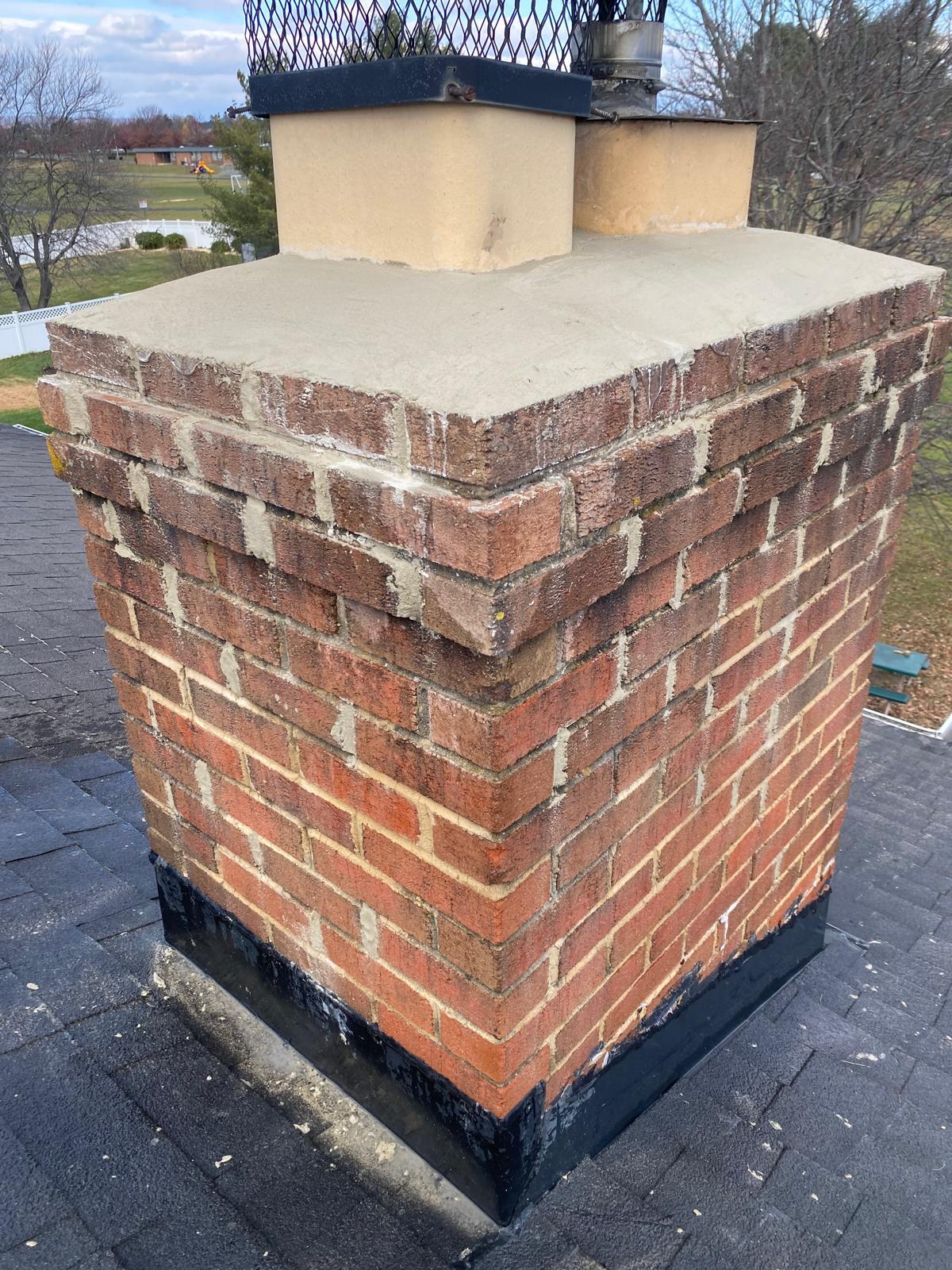
The crisp Los Angeles air in December often sparks a yearning for a cozy fire. For many homeowners, the dream of a flickering flame involves the convenience and efficiency of a gas fireplace, rather than the traditional wood-burning option. Take Sarah, a homeowner in Sherman Oaks, who adored her historic home’s fireplace but grew tired of the endless char, soot, and smoke associated with burning wood, not to mention the strict AQMD regulations on wood-burning days. She considered converting to gas but paused, unsure of the chimney implications. This common dilemma leads many to ponder: what exactly changes for my chimney when I switch from wood to gas, and what are the crucial safety considerations?
The Lure of Gas: Why Los Angeles Homeowners Are Converting
The appeal of converting a wood-burning fireplace to gas is undeniable, particularly in a metropolitan area like Los Angeles. Gas fireplaces offer instant ambiance with the flip of a switch, significantly less particulate matter compared to wood, and freedom from the hassle of sourcing and storing firewood. They often burn cleaner, aligning with local air quality initiatives, making them an attractive option for environmentally conscious residents in areas from Pasadena to Santa Monica. However, this transition is not merely an appliance swap; it’s a fundamental change to your home’s ventilation system that carries significant chimney-related implications for safety and performance.
DIY vs. Professional Conversion: Understanding the Chimney Implications
When considering a gas conversion, homeowners generally face two paths: attempting parts of the project themselves or entrusting the entire process to licensed professionals. For aspects directly impacting the chimney, such as liner installation and inspection, the distinction between DIY and professional execution can be the difference between a safe, efficient system and a hazardous one.
The DIY Approach: Overlooking Critical Chimney Safety
While installing a gas log set might seem straightforward, the complexities of ensuring proper chimney ventilation and safety are often underestimated by DIY enthusiasts. A primary concern is the existing flue. A wood-burning chimney is designed to vent corrosive, hot, and smoke-laden exhaust. Gas appliances, however, produce different byproducts, including a high volume of water vapor and carbon monoxide (CO), which are cooler and denser. If the existing flue isn’t adequately prepared or relined, several critical issues can arise:
- Condensation Damage: The cooler gas exhaust can condense rapidly within a large, unlined wood-burning flue, leading to severe moisture damage, acid corrosion of mortar joints, and eventual structural compromise of the chimney system.
- Improper Venting and Carbon Monoxide Risk: Without a correctly sized and sealed liner, harmful carbon monoxide can backdraft into your home. The U.S. Consumer Product Safety Commission (CPSC) reports thousands of CO poisoning incidents annually, highlighting this severe, often silent, threat. Even homes in vibrant communities like Silver Lake or the serene hills of Bel Air can face these risks without proper ventilation. This is why a proper inspection and the right chimney cleaning in Boston or any other location is paramount.
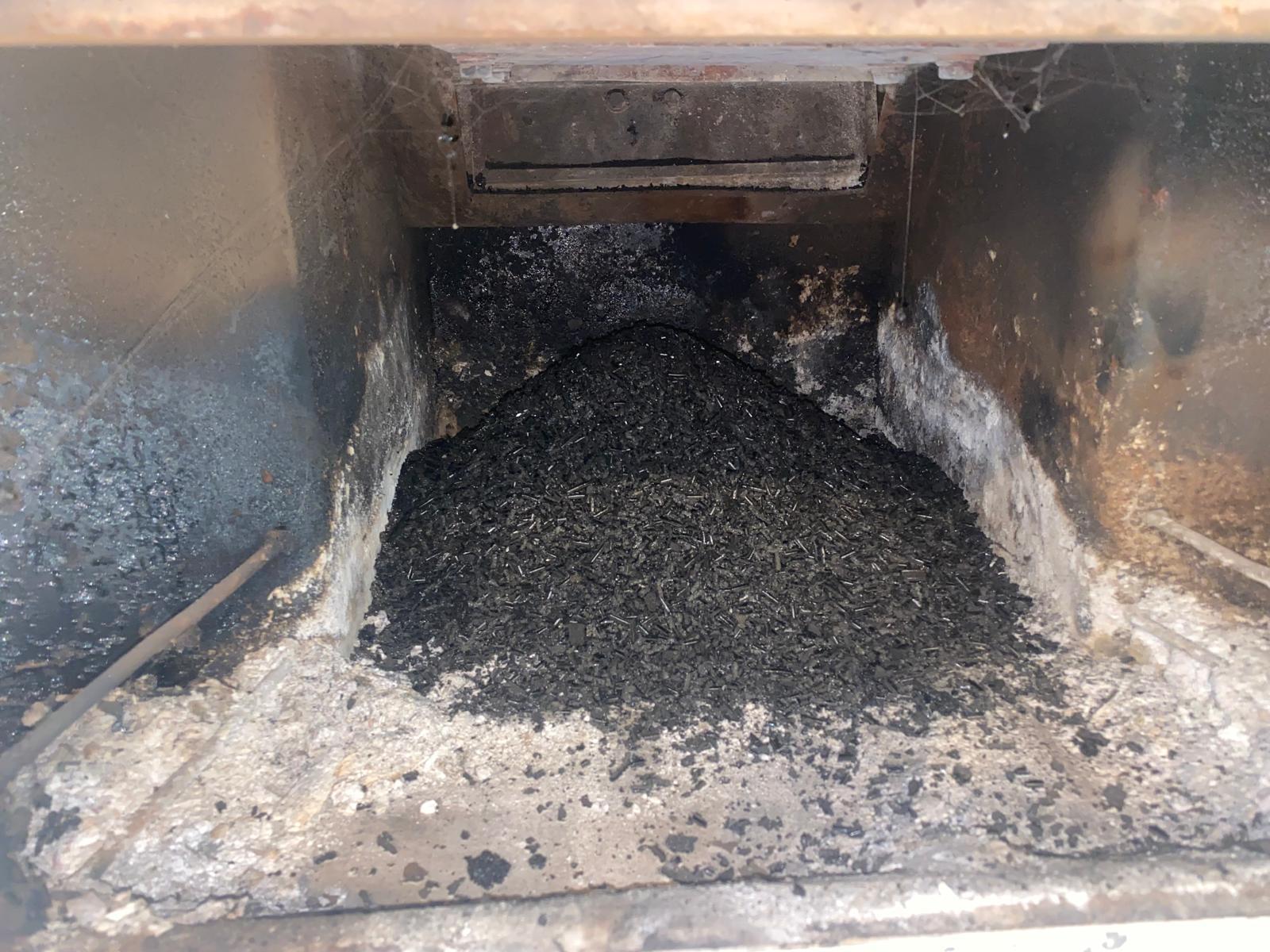
- Residual Creosote Ignition: If the chimney was previously used for wood, residual creosote build-up, a highly flammable substance, can still be present. While gas fires burn cleaner, the heat can ignite these deposits, leading to a dangerous chimney fire. This underscores the necessity for thorough chimney cleaning *before* conversion.
The Professional Approach: Ensuring a Safe and Compliant Chimney System
Engaging professionals for your gas conversion, particularly those specializing in chimney systems, mitigates these risks substantially. A licensed gas contractor will handle the gas line installation, but a certified chimney professional from a company like DD Chimney Cleaning provides essential expertise for the chimney itself:
- Pre-Conversion Chimney Inspection: A thorough inspection identifies existing damage, creosote accumulation, and determines the best course of action for your flue. DD Chimney Cleaning ensures your chimney is ready for its new role, removing any flammable residue.
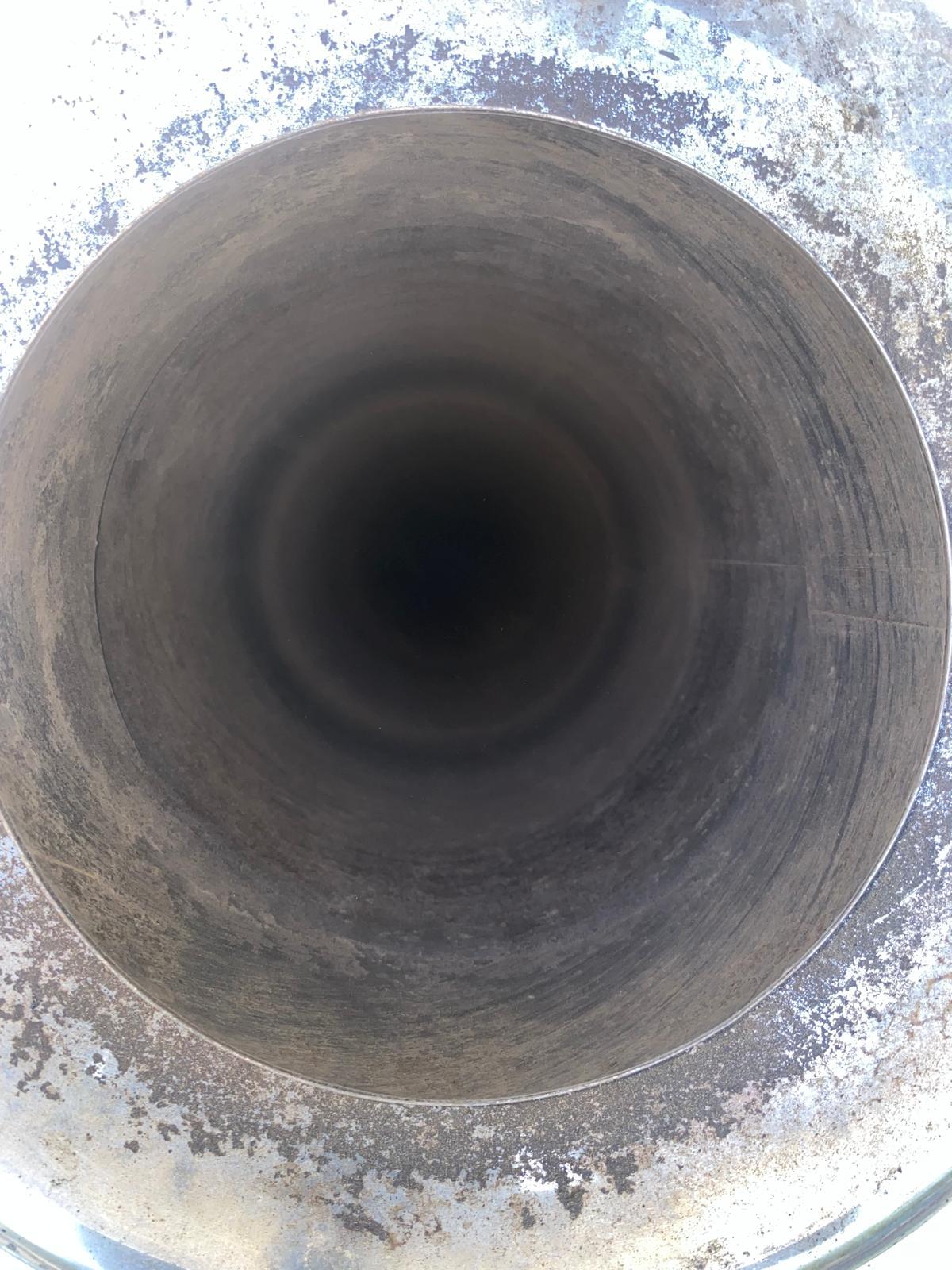
- Proper Liner Installation: Gas appliances typically require a dedicated, appropriately sized Type B or flexible stainless steel liner designed to withstand condensation and vent exhaust efficiently. A professional ensures correct installation, creating a sealed pathway for byproducts and significantly reducing CO risks.
- Sizing and Draft Optimization: Experts ensure the liner and termination cap are correctly sized for the specific gas appliance, promoting optimal draft and preventing backflow.
- Compliance with Codes: Los Angeles has specific building codes and safety regulations. Professionals ensure your conversion adheres to these standards, protecting your home and family.
While DD Chimney Cleaning focuses solely on comprehensive cleaning and inspection services, we collaborate seamlessly with gas contractors by ensuring the chimney system is pristine and ready for a new gas liner. Our expertise ensures that the foundation of your new gas fireplace – its exhaust system – is sound and safe. For dependable service, call DD Chimney Cleaning at (833) 339-6803.
Beyond Installation: Ongoing Chimney Cleaning and Safety with Gas Fireplaces
Many assume that once a fireplace is converted to gas, chimney maintenance becomes a thing of the past. This is a dangerous misconception. Despite the cleaner burn, DD Chimney Cleaning reminds homeowners that gas fireplaces still require regular attention. Dust, debris, spiderwebs, animal nests, or even structural issues can obstruct the flue, impeding the safe exhaust of combustion gases, including carbon monoxide. Annual inspections by a professional chimney sweep are critical to:
- Ensure Clear Ventilation: Even small blockages can significantly compromise your system’s efficiency and safety.
- Detect Deterioration: Liners and other components can still degrade over time. Regular inspections catch these issues before they become serious hazards.
- Maintain Appliance Efficiency: A clean and well-maintained flue helps your gas fireplace operate at peak efficiency.
By engaging professional chimney sweep services from DD Chimney Cleaning, you ensure that your entire chimney system, even after a gas conversion, remains safe and operational for years to come.
Common Questions About Gas Fireplace Conversions and Your Chimney
Here are answers to some frequently asked questions, many of which we address during our expert chimney maintenance services:
Q1: Do I need a chimney liner if I convert to a gas fireplace?
A: Yes, in almost all cases. The existing flue designed for wood is often too large and uninsulated for gas exhaust, leading to