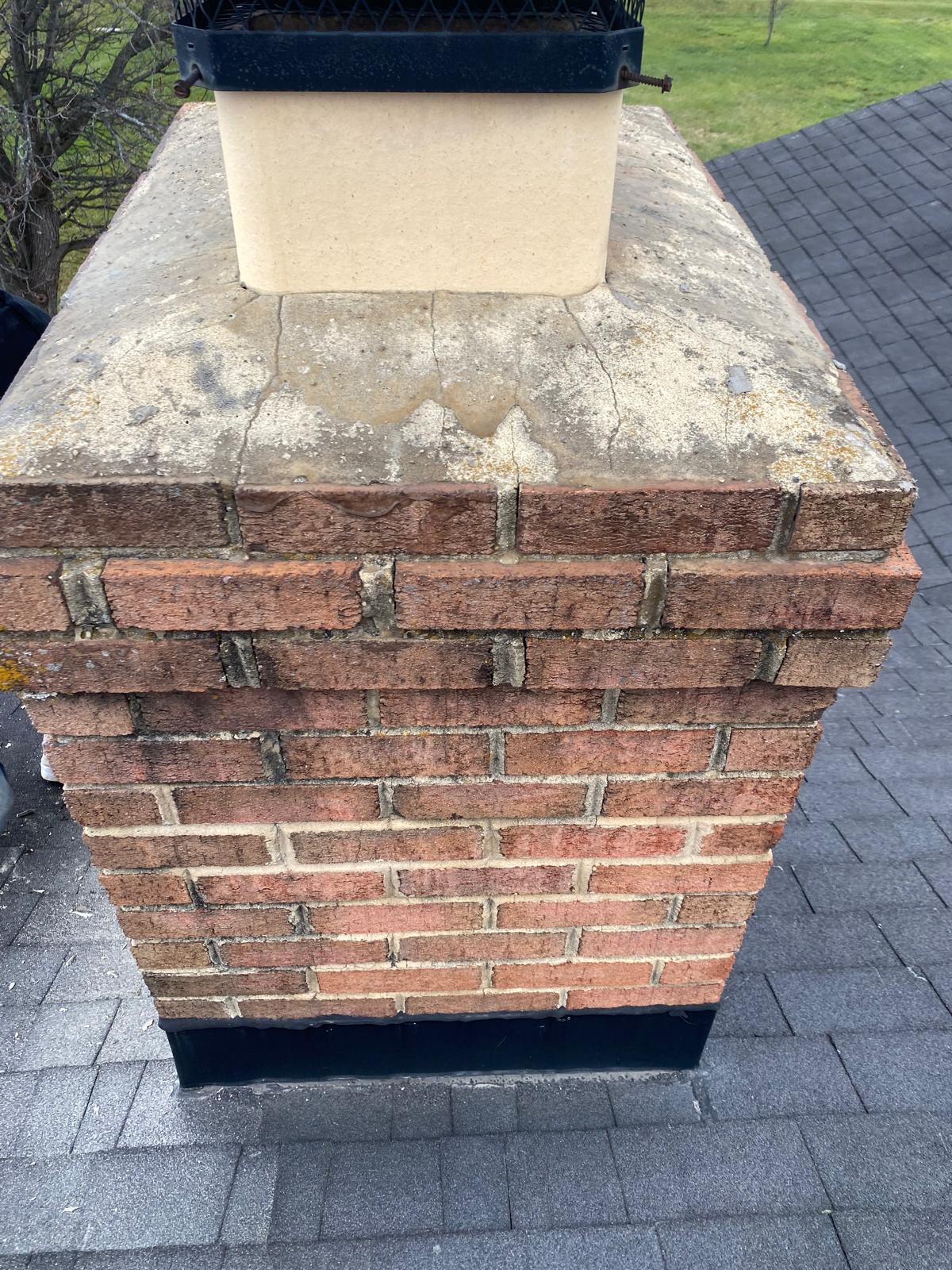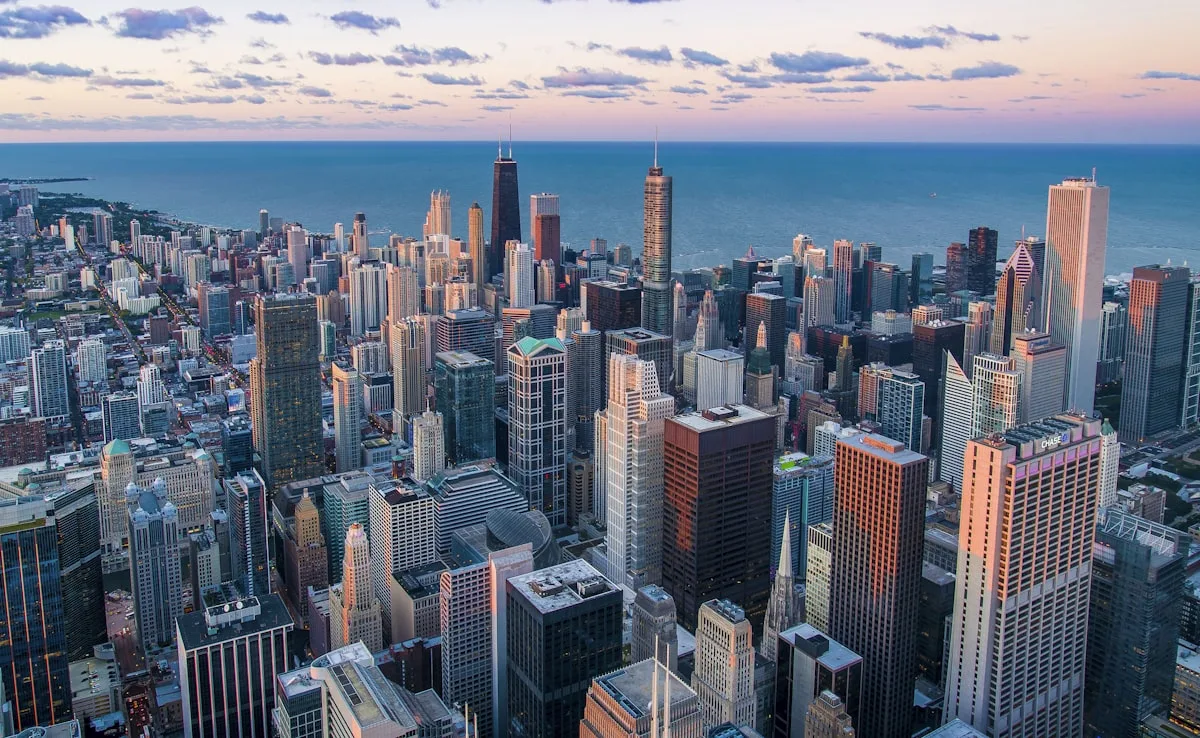
Did you know that proper chimney maintenance is not just a recommendation, but often a matter of strict compliance with local fire codes? For homeowners in Dallas, Texas, understanding these essential standards is crucial for safety and avoiding costly hazards. In a city known for its beautiful homes and often warm, dry climate, neglecting chimney safety can have severe consequences, especially when the occasional cold snap brings fireplaces to life.
At DD Chimney Cleaning, while we primarily serve homeowners in Los Angeles, CA, our expertise extends to the universal principles of chimney safety and code adherence. We believe that knowledge is power, no matter your location. This post cuts through common misconceptions, presenting the facts you need to know about Dallas fire codes and chimney standards, structured in a clear myths-vs-facts format. Our aim is to provide straightforward, actionable insights for your peace of mind.
The Core of Dallas Chimney Safety: Myths vs. Facts
Myth 1: “My chimney only needs cleaning if I use my fireplace frequently.”
Fact: This is a dangerous misconception. Even infrequent use can lead to significant creosote buildup, particularly if you burn unseasoned wood or use your fireplace for short periods. Dallas fire codes, much like the International Residential Code (IRC) and NFPA 211, recommend annual chimney inspections and cleanings, regardless of usage frequency. Creosote, a highly flammable byproduct of combustion, accumulates in your flue. A recent study indicated that creosote buildup is a contributing factor in nearly 70% of residential chimney fires. Over time, this glazed creosote can ignite, leading to intense chimney fires that can damage your home’s structure, especially in older Dallas homes in neighborhoods like Highland Park or Lakewood.
Myth 2: “DIY chimney cleaning is good enough to meet safety standards.”
Fact: While basic DIY chimney sweeping kits are available, they are rarely sufficient for a thorough, code-compliant cleaning. Professional chimney cleaning involves specialized tools, knowledge of flue dynamics, and the ability to identify hidden structural issues or blockages. For instance, creosote glazing can be incredibly difficult to remove without professional equipment. A professional sweep understands the nuances of creosote build-up removal and ensures proper ventilation, which is a critical aspect of fire safety. This goes beyond what most homeowners can achieve safely and effectively, potentially leaving hazardous residue that Dallas fire inspectors would deem non-compliant.
Navigating Dallas Fire Code Compliance
Myth 3: “Dallas fire codes for chimneys are vague and hard to understand.”
Fact: Dallas fire codes are primarily based on the International Residential Code (IRC) and the National Fire Protection Association (NFPA) Standard 211. These standards are quite specific, covering everything from chimney height, clearances to combustible materials, and proper liner installation to regular maintenance. For instance, the IRC mandates a minimum of 2 inches clearance between the chimney and combustible materials. Ignorance of these standards, especially during home renovations in areas like Preston Hollow, doesn’t exempt homeowners from compliance. A comprehensive chimney inspection ensures your system adheres to these vital structural and operational safety benchmarks.
Myth 4: “Chimney fires are rare occurrences, not something I need to worry about.”
Fact: Tragically, this is untrue. U.S. fire departments respond to approximately 20,000 chimney fires annually, resulting in significant property damage, injuries, and even fatalities. These statistics underscore the very real danger that neglected chimneys pose. In the dry climate of the Dallas-Fort Worth metroplex, where materials can become brittle, the risk of a chimney fire spreading quickly is heightened. Regular maintenance, including expert chimney cleaning by qualified professionals, is your primary defense against these preventable disasters.
Professional Intervention: Beyond the Basics
Myth 5: “All chimney cleaning services are the same; I’ll just pick the cheapest one.”
Fact: The quality and thoroughness of chimney services vary significantly. A reputable professional service, like DD Chimney Cleaning, employs certified technicians who conduct a detailed inspection in accordance with NFPA 211 standards, not just a superficial sweep. This includes checking for proper liner integrity, structural stability, and any blockages that could impede airflow or pose a fire risk. A thorough cleaning by professionals ensures not only removal of creosote but also identification of potential hazards that could compromise your home’s safety and violate Dallas fire codes.
DD Chimney Cleaning: Your Partner in Chimney Safety
While DD Chimney Cleaning is headquartered in Los Angeles, our commitment to spreading crucial chimney safety information extends nationwide. We understand that homeowners everywhere, from Dallas, TX to Cleveland, OH, face similar challenges in maintaining safe and compliant chimneys. Our focus is squarely on education and advocating for professional, meticulous care. Dallas homeowners should prioritize certified services to ensure adherence to local fire codes and mitigate risks. Don’t compromise when it comes to the safety of your home and family.
Frequently Asked Questions (FAQ)
Q1: How often should I have my Dallas chimney cleaned and inspected?
A: The National Fire Protection Association (NFPA) Standard 211 recommends annual inspection and cleaning of all chimneys, fireplaces, and vents, regardless of how often they are used. This ensures compliance with Dallas fire codes and optimal safety.
Q2: What is creosote, and why is it dangerous?
A: Creosote is a highly flammable, tar-like substance that builds up inside your chimney flue as a byproduct of burning wood. When it accumulates, it becomes a major fire hazard, as it can ignite and cause a devastating chimney fire.
Q3: Do Dallas fire codes mandate specific chimney liner types?
A: Dallas codes, following IRC standards, require chimney flues to be lined with appropriate materials (clay tile, metal, or cast-in-place) to safely contain combustion byproducts and protect the chimney structure. The type often depends on the appliance served.
Q4: Can a dirty chimney lead to carbon monoxide poisoning?
A: Yes. A chimney clogged with creosote or other debris can prevent toxic carbon monoxide gas from escaping your home, leading to a build-up of this odorless, colorless, and potentially fatal gas indoors. This is a severe health risk.
Q5: What are the potential penalties for non-compliance with Dallas chimney codes?
A: While specific direct penalties for homeowners may vary, non-compliance can lead to failed home inspections, invalidate homeowner’s insurance claims in the event of a fire, and most importantly, pose a serious fire and health risk to occupants. City inspectors can mandate repairs if violations are found.
Act Now for Chimney Safety
Don’t wait for a dangerous incident to underscore the importance of chimney safety. Understanding and adhering to Dallas fire codes is not just about compliance; it’s about protecting your property and loved ones. Ensure your chimney system is clean, safe, and code-compliant. For expert advice and professional chimney cleaning services, remember DD Chimney Cleaning. While our hands-on services are focused in the Los Angeles area, our mission to educate and promote safety is universal. When considering any chimney service, always prioritize certified professionals. Protect your home. Call DD Chimney Cleaning at (833) 339-6803 to discuss professional chimney care.