Damper Dilemmas: When Your Fireplace Damper Needs Repair or Replacement
Let’s be honest, many of us treat our fireplace damper like that remote control under the couch – we know it’s there, we use it occasionally, but we don’t really think about it. It’s a simple lever or chain, right? Open for fire, closed when done. What could possibly go wrong?
Ah, dear homeowner, that’s where one of the most common (and costly!) mistakes creeps in. You might be unknowingly turning your cozy hearth into an energy hog, a smoke machine, or even a five-star hotel for local critters, all thanks to a damper that’s decided to take an unscheduled vacation or just isn’t doing its job properly. The truth is, your damper is a crucial component of your fireplace system, and when it’s on the fritz, it can lead to a whole heap of headaches – from chilly drafts blowing through your living room in the depths of a winter, to a hefty utility bill that makes your eyes water. But don’t despair! This guide is here to walk you through the tell-tale signs, what to do, and when to call in the cavalry.
What’s a Damper, Anyway? (And Why Should You Care?)
Think of your fireplace damper as the unsung hero of your chimney system, the unsung bouncer at the top (or middle) of your flue. Its primary job is two-fold: when you’ve got a fire roaring, it opens up to let smoke and combustion byproducts escape safely up and out. When the fire’s out, it seals off your chimney, preventing precious conditioned air from escaping your home and stopping cold air, moisture, and even unwelcome guests (like bats or birds, or even those persistent squirrels we know so well in ) from making their way inside. Simple, yet profoundly important for both energy efficiency and home safety.
Is Your Damper on the Fritz? Signs of Trouble
Before you even think about repairs or replacements, let’s play detective. Your damper will often send out distress signals. You just need to know what to look for:
The Great Escape: Smoke Backdrafting
You’ve got a fire going, the ambiance is perfect, and then… *cough, cough*… your living room starts looking like a scene from a smoky jazz club. If smoke is routinely filling your home instead of gracefully exiting up the chimney, your damper might not be opening fully. It could be stuck, bent, or simply not designed for optimal flow.
Chilly Drafts & Energy Bills: Your Wallet’s Weeping
Ever notice a persistent cold draft near your fireplace, even when the damper is supposedly closed? Or maybe your heating bill seems surprisingly high, considering you keep the thermostat reasonable? An improperly sealing damper is like leaving a window open 24/7. It allows heated air to escape and cold air to sneak in, forcing your HVAC system to work overtime, especially during those brisk evenings.
Critter Condo: Uninvited Guests
Nobody wants a squirrel nesting in their flue, or a bird finding its way into their living room via the chimney. If your damper isn’t closing tightly, it becomes an open invitation for local wildlife to explore your home’s less-traveled passages. Beyond the “ick” factor, animal nests can also block your chimney, creating serious fire hazards.
Rust & Resistance: Mechanical Malfunctions
Does your damper refuse to budge? Or maybe it grinds, squeaks, and puts up a fight every time you try to open or close it? This resistance often points to rust, warped metal, or broken components. Over time, especially in humid climates, metal parts can corrode, seize up, or even snap, rendering your damper useless.
That Lingering Smell: Soot & Creosote Odors
A properly functioning damper should create a good seal, preventing outside air (and any lingering chimney odors) from wafting into your home. If you’re constantly catching a whiff of stale smoke, soot, or that distinct creosote smell, even when there’s no fire, it’s a strong sign your damper isn’t closing as tightly as it should.
DIY Damper Check-Up: A Quick Home Inspection
Before you pick up the phone, you can do a little investigating yourself. Safety first, of course! Make sure your fireplace is completely cold and clean before sticking your head (or hands) anywhere near the flue.
Visual Inspection: Look Up!
- Throat Dampers: These are usually located just above the firebox. Grab a flashlight and peer up into the chimney. Is the metal plate (the damper itself) flat? Is it bent, rusted, or missing chunks? Are the hinges or operating mechanism (chain, poker, lever) intact and moving freely?
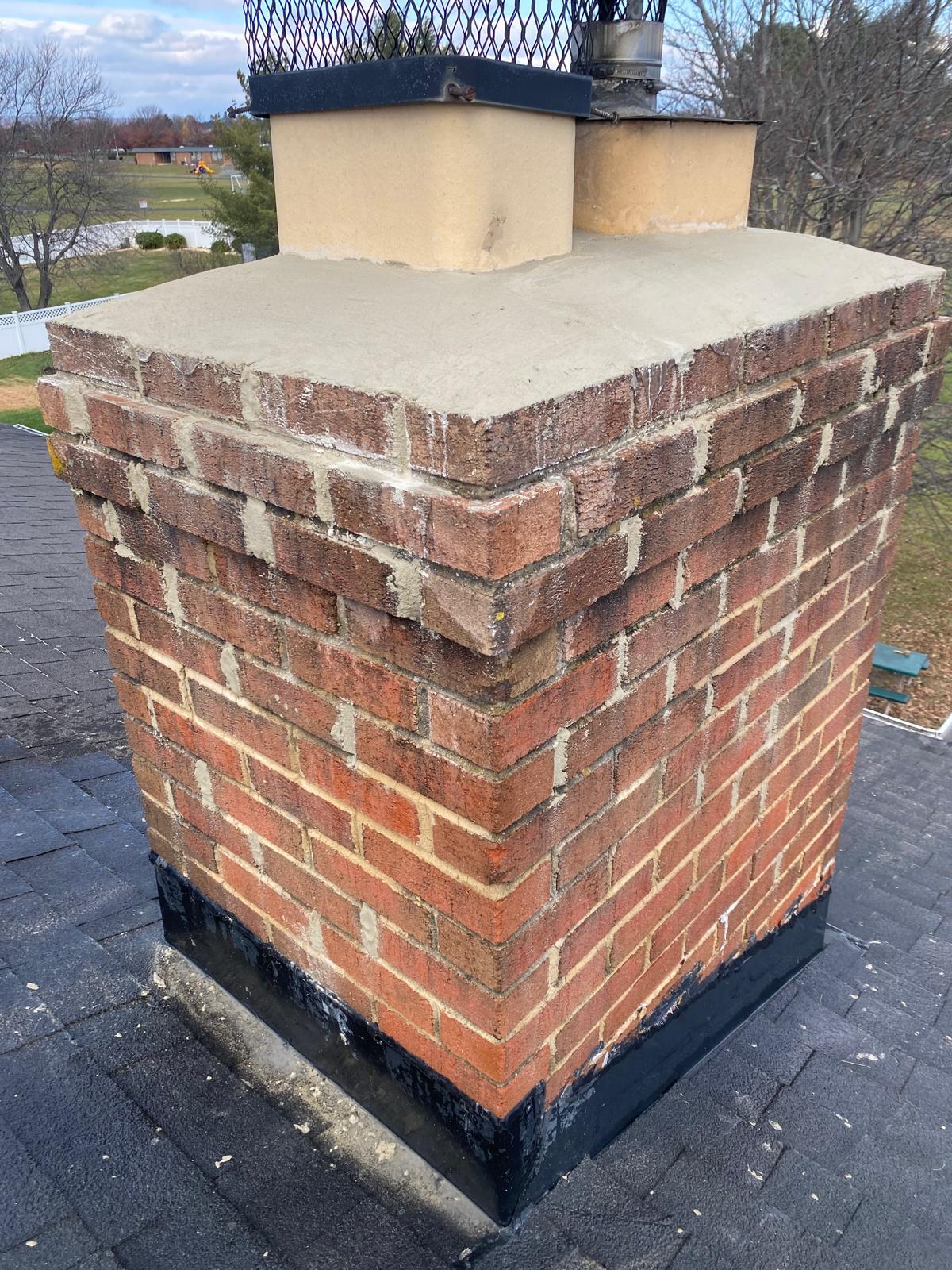
- Top-Sealing Dampers: If you have one of these, you’ll need to go to your roof (or have a professional do it). They sit at the very top of your chimney crown. From inside, you’d just see the chain hanging down. The main thing you’re checking for here is whether the flap closes completely against the top of the chimney.
The Touch Test: Feel for Resistance
Carefully (and gently!) try to operate the damper. Does it move smoothly? Does it catch or stick? If it’s a throat damper with a lever, does the lever feel wobbly or disconnected? If it’s a chain-operated top-sealing damper, does the chain pull smoothly, or does it feel jammed? A bit of resistance is normal, but anything that feels like it’s fighting you is a red flag.
Light Test: Is Anything Peeking Through?
With the damper supposedly in the closed position, turn off the lights in the room and shine a bright flashlight up into the flue (if it’s a throat damper). Do you see any light peeking through from above? If so, your damper isn’t forming a tight seal. For a top-sealing damper, if you can feel a draft from the chain entry point even with it closed, that’s an indicator of poor sealing.
The Sound Check: Listen for Air
Stand close to your fireplace with the damper closed and listen intently, especially on a windy day. Can you hear a distinct whistling or whooshing sound of air coming down the chimney? That’s a strong indicator of an incomplete seal.
Repair or Replace? Weighing Your Options
Once you’ve identified a problem, the next step is deciding whether to mend or to upgrade. This isn’t always a straightforward choice and often depends on the type of damage, the age of your system, and your specific needs.
Minor Fixes: When Repair Is Realistic
Sometimes, the fix is relatively simple. If your throat damper is merely stiff, a good cleaning and lubrication of the hinges might do the trick. If a connecting rod or lever is loose but intact, it might just need tightening. For minor warping that doesn’t completely compromise the seal, small adjustments might be possible. These types of repairs are generally less costly and can extend the life of your existing damper without a full overhaul.
Major Overhaul: When Replacement is Key
However, if your damper is significantly rusted, severely warped, has broken components that can’t be easily replaced, or is simply too old and inefficient, replacement is often the smartest long-term solution. Think of it this way: patching up a rusted-out car body might work for a bit, but a new car is ultimately more reliable and safer. A completely failing throat damper means you’re constantly losing heat, risking smoke back-up, and inviting critters. In many older homes across , particularly those with historic charm, an outdated throat damper is a prime culprit for energy loss.
Throat Damper vs. Top-Sealing Damper: A Quick Guide
If you’re looking at replacement, you’ll likely encounter two main types:
- Throat Damper: This is the traditional cast-iron plate located just above your firebox. While effective at stopping some airflow, they rarely provide an airtight seal due to metal-on-metal construction and potential for rust.
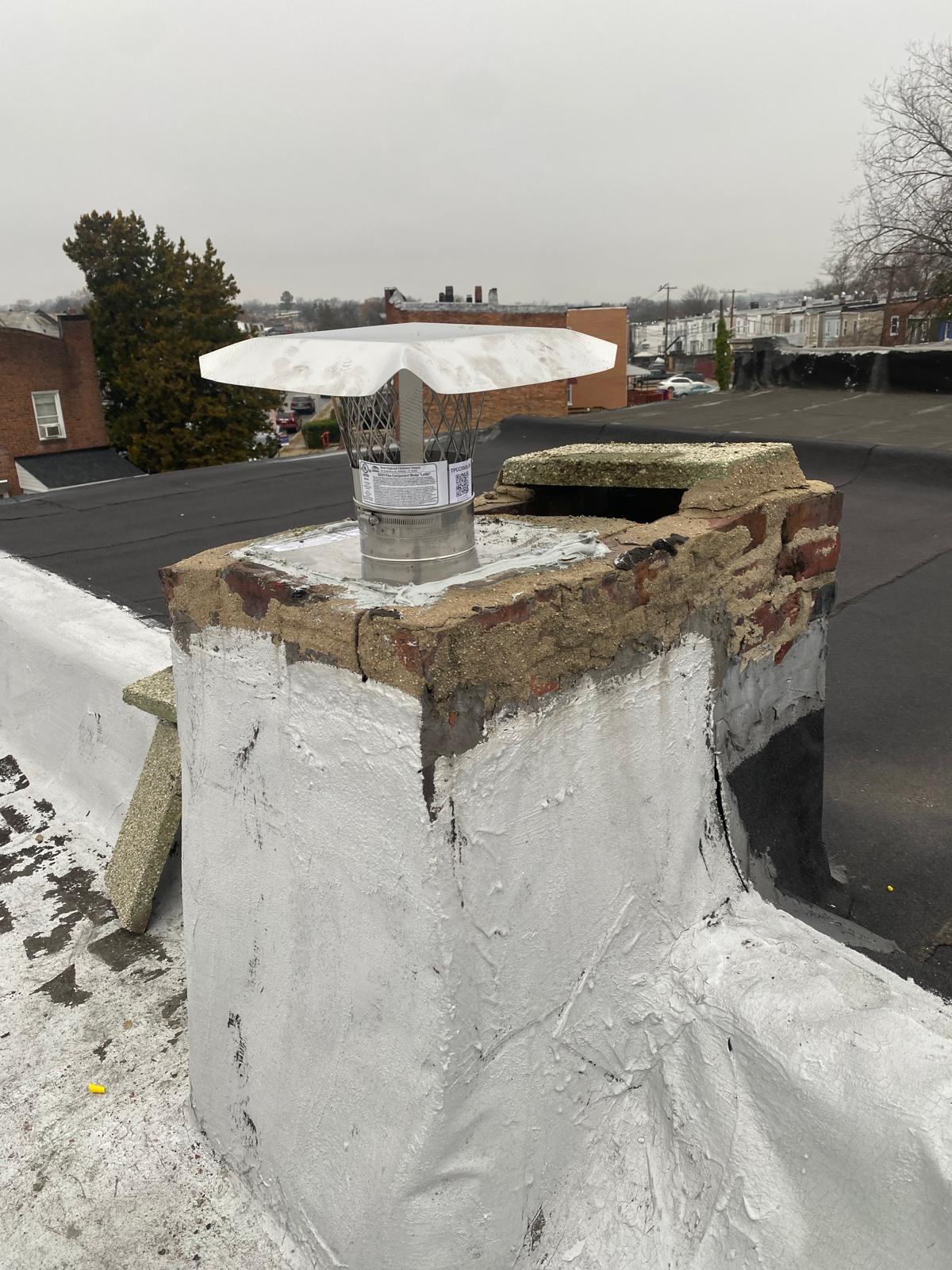
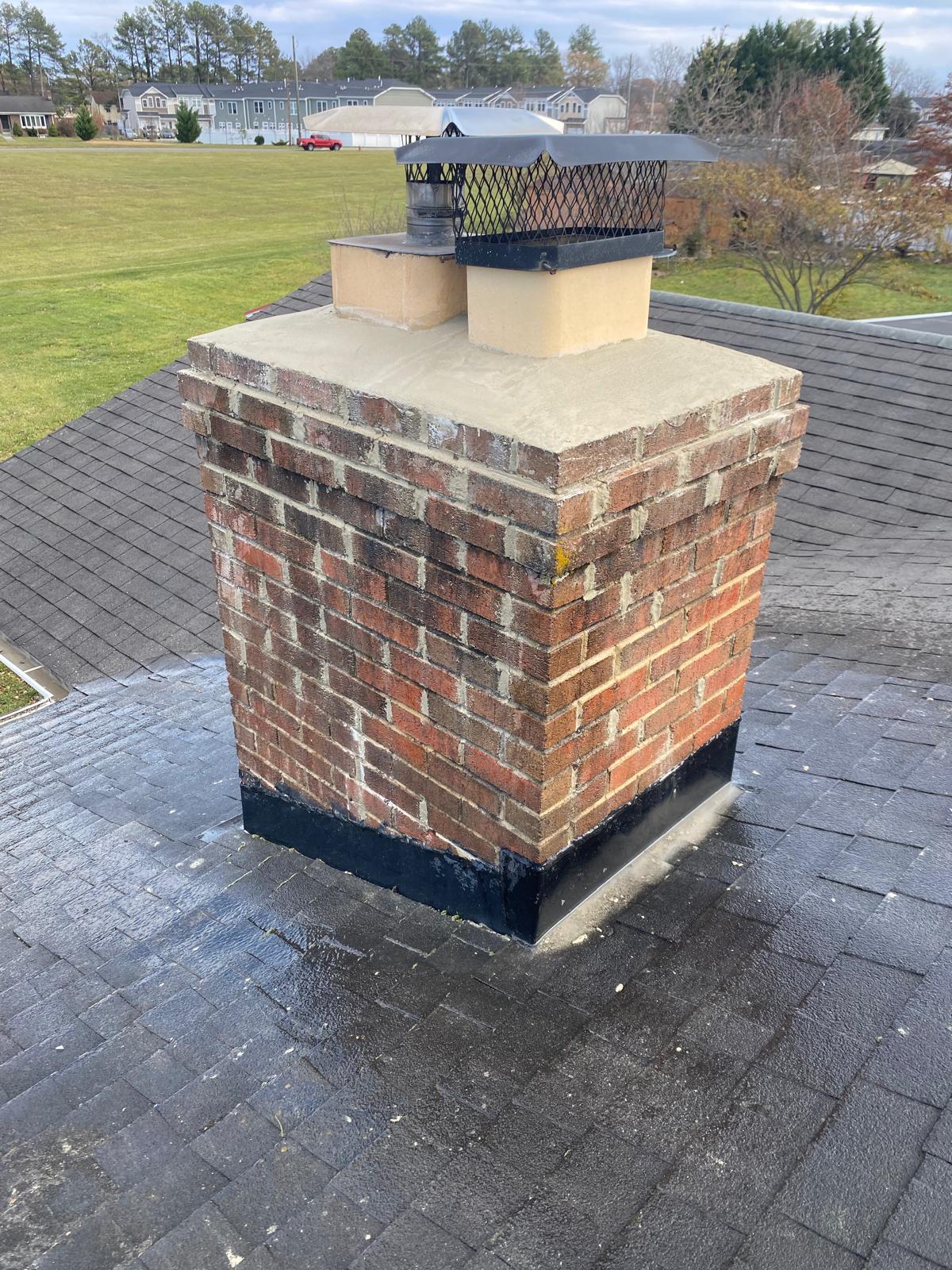
- Top-Sealing Damper: These are installed at the very top of your chimney flue. Made with a heavy-duty silicone gasket, they create an incredibly tight, airtight, and waterproof seal. For homes in , a top-sealing damper is a game-changer for energy efficiency, effectively sealing off the chimney opening and preventing heat loss and drafts year-round. They also act as a fantastic barrier against rain and snow, protecting your flue lining from moisture damage. If your old throat damper is failing, upgrading to a top-sealing model is almost always the superior choice for comfort, efficiency, and protection.
When to Call the Pros (Hint: It’s Often)
While a basic visual check is something any homeowner can do, assessing the full extent of damper damage, performing complex repairs, or installing a new damper – especially a top-sealing one that requires rooftop access – is definitely a job for certified professionals. Here’s why:
- Safety: Working on a roof, especially during inclement weather, is