The Inferno Next Door: A Stark Reality of Neglected Fireplaces
Imagine this: a quiet, blustery evening in your Boston brownstone. The scent of burning oak fills the air, a comforting embrace against the New England chill. Suddenly, a faint crackling sound, sharper than the fire’s usual murmur, pierces the tranquility. Smoke, thick and acrid, begins to snake from the fireplace. Within minutes, the flames surge, no longer confined to the hearth, but licking at the chimney flue, greedily consuming decades of built-up creosote. This isn’t a scene from a horror film; it’s a devastating reality for homeowners who overlook the critical importance of preventative fireplace maintenance. The National Fire Protection Association (NFPA) reports that in 2019, fireplaces, chimneys, and solid-fuel-burning appliances were associated with nearly 17,000 home fires nationwide, causing significant property damage and, tragically, injuries. In a city like Boston, with its historic architecture and densely populated neighborhoods, a chimney fire can quickly become a catastrophe, threatening not only your home but your neighbors’ as well.
The irony is that this terrifying scenario is almost entirely preventable. The fuel for such a disaster – creosote – is a direct byproduct of burning wood. When wood burns inefficiently, it releases unburned particles that, when combined with moisture and heat, form a highly flammable, tar-like substance. This creosote adheres to the inside of your chimney, acting as a perfect accelerant. A single spark from your cozy fire can ignite this deposit, leading to an uncontrolled inferno that travels up the flue. The intense heat can crack masonry, compromise the chimney liner, and even spread to the wooden structures of your home, often in areas hidden from view. The cost of such a fire extends far beyond immediate repairs; it includes displacement, emotional distress, and the loss of irreplaceable heirlooms. Fortunately, by understanding the risks and implementing a proactive maintenance strategy, you can transform your beautiful fireplace from a potential hazard into a source of safe, reliable warmth. This guide, brought to you by DD Chimney Cleaning, your trusted experts in Los Angeles, California, but providing insights relevant to all homeowners who cherish their hearths, will break down the essential steps to ensure your Boston home remains safe and sound.
The Unseen Enemy: Understanding Creosote and Its Dangers
What Exactly Is Creosote?
Creosote is not just soot; it’s a complex mixture of volatile organic compounds, tar, and carbon that accumulates in your chimney as a direct result of burning wood. The composition of creosote can vary depending on the type of wood burned, the moisture content of that wood, and the efficiency of your fireplace or wood stove. There are typically three stages of creosote buildup, each posing a different level of fire risk:
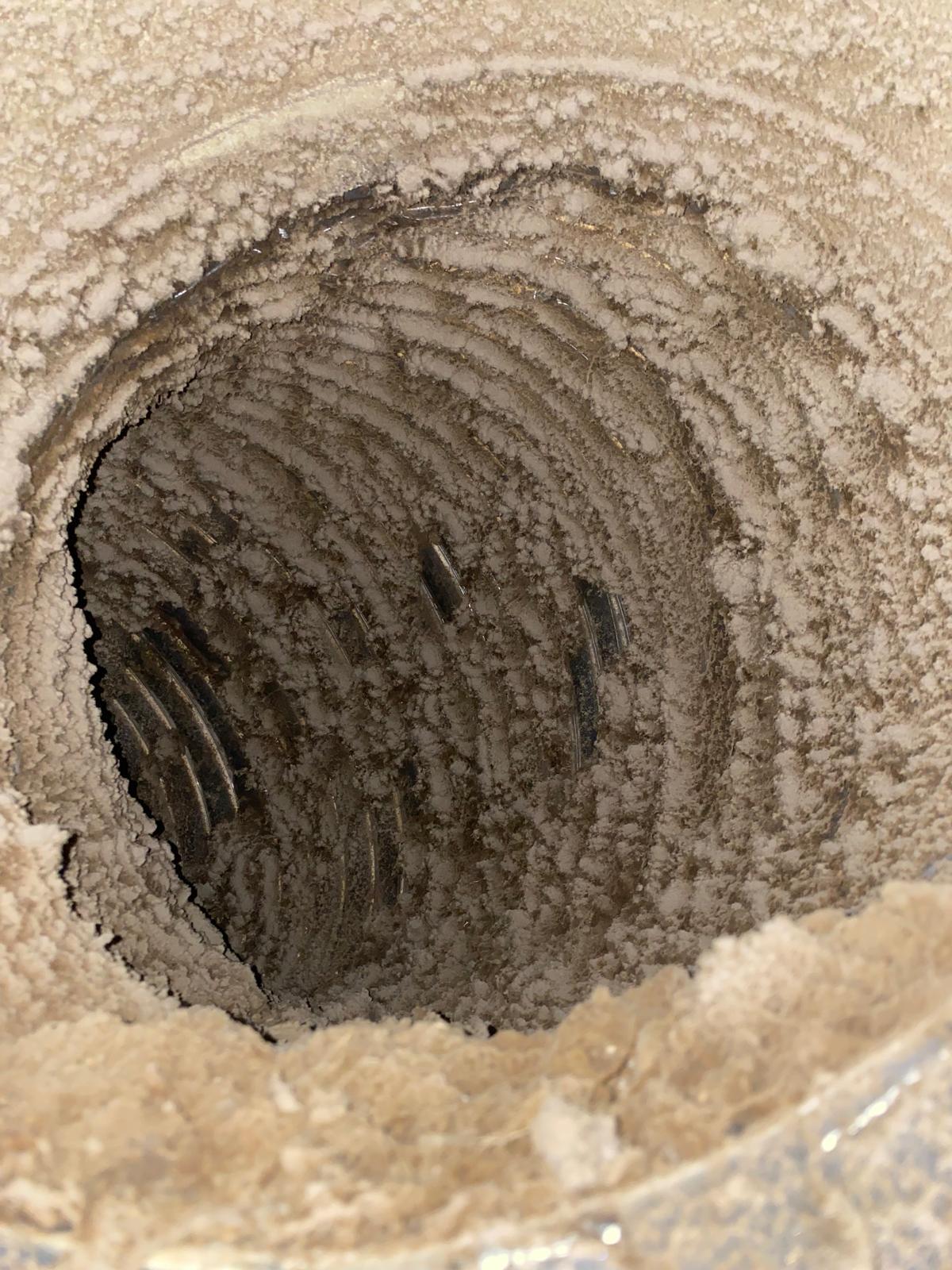
- Stage 1: Flaky and Powdery Creosote: This is the earliest stage, resembling black powder or flakes. It’s relatively easy to remove during a routine cleaning but is the first sign of potential issues.
- Stage 2: Sticky and Tar-like Creosote: As burning continues, creosote becomes thicker, stickier, and more tar-like. It starts to adhere more firmly to the chimney walls and is more difficult to dislodge.
- Stage 3: Hard, Glazed, and Hardened Creosote: This is the most dangerous stage, where creosote has been subjected to repeated high temperatures, causing it to harden and glaze. It resembles black tar that has fused to the chimney, forming a thick, almost impermeable layer that is extremely flammable and very difficult to remove without specialized tools and techniques.
The Fire Triangle in Your Flue
Fire requires three elements: fuel, oxygen, and heat. In the context of a chimney fire, the fuel is the creosote lining your flue. Oxygen is readily available from the draft. The heat source is a spark or ember from your fireplace. A significant buildup of creosote effectively turns your chimney into a vertical furnace. The NFPA estimates that a substantial percentage of chimney fires are caused by creosote buildup, highlighting the direct correlation between neglected maintenance and increased risk. Statistics from the U.S. Fire Administration show that chimneys and vents are responsible for a significant portion of residential fires originating from heating equipment. For example, in a given year, thousands of fires are attributed to these sources, leading to millions of dollars in property damage and numerous injuries. This underscores the critical need to treat your chimney not as a passive conduit for smoke, but as an active component of your home’s safety system.
Your Preventative Maintenance Arsenal: A Season-by-Season Approach
Consistent, proactive maintenance is your best defense against chimney fires and other chimney-related problems. Unlike reactive repairs, preventative maintenance is a long-term investment in safety and efficiency. It’s about identifying and addressing minor issues before they escalate into costly and dangerous problems. For a city like Boston, with its harsh winters and prolonged heating seasons, this seasonal approach is particularly vital. The constant use of your fireplace during the colder months accelerates creosote buildup, making timely inspections and cleanings non-negotiable.
Spring: The Aftermath and Initial Assessment
As the last embers of your fireplace fade with the spring thaw, it’s the perfect time for an initial assessment. The cooler, less humid air allows for better visibility into the chimney after the heating season has ended. Look for any obvious signs of damage that may have occurred during the winter months, such as cracked masonry, loose bricks, or signs of water penetration. This is also an excellent time to schedule your annual chimney inspection and cleaning. Even if you believe your usage was minimal, creosote can still form, especially if you burned unseasoned wood. Professional chimney sweeps have the tools and expertise to thoroughly inspect the entire system, from the firebox to the chimney cap, identifying potential issues you might miss. Remember, a clean chimney is a safe chimney. For those in regions with significant heating needs, similar to those in Chicago, Illinois, where winter temperatures demand consistent fireplace use, this spring assessment is crucial for ensuring readiness for the following season.
Summer: The Proactive Season for Repairs and Upgrades
Summer, often perceived as downtime for fireplaces, is actually the ideal period for addressing any necessary repairs or upgrades identified during your spring assessment. Many homeowners in areas like Philadelphia, Pennsylvania, take advantage of the milder weather to schedule chimney repairs. This could include repointing masonry, repairing or replacing the chimney liner, or installing a new chimney cap. Addressing these issues in the summer means your chimney will be in peak condition when the colder weather arrives, avoiding the last-minute rush and potential backlog of repair work. Furthermore, summer is a great time to consider any efficiency upgrades. This might involve installing a more efficient damper or ensuring your fireplace has adequate ventilation. These small improvements can lead to better performance and reduced creosote buildup in the long run, saving you money on energy costs and reducing your risk of chimney fires. Think of it as preparing for battle during peacetime; you’re equipping yourself for the rigors of winter without the immediate pressure of needing warmth.
Fall: The Final Tune-Up Before the Chill
As the leaves begin to turn and the temperatures drop, your fireplace is about to become a central feature of your home once again. The fall is your last chance for a comprehensive tune-up before the extended period of use. This is the time to have your chimney professionally inspected and cleaned if you didn’t schedule it in the spring. A thorough cleaning removes any accumulated creosote and debris from the off-season, ensuring a clear and safe passage for smoke. Professionals will also check for any new damage that may have occurred over the summer due to weather or pests. Ensuring your chimney is clean and structurally sound before the heavy usage of fall and winter is paramount. It’s a final check to guarantee that when you light that first fire of the season, you can do so with confidence, knowing your chimney is ready to perform safely and efficiently.
Winter: Vigilance and Responsible Usage
During the winter months, your focus shifts from maintenance to vigilance and responsible usage. While major repairs are generally not feasible, it’s important to remain aware of your fireplace’s performance. Pay attention to any unusual smells or excessive smoke production. These could be early indicators of a problem that requires professional attention. Always ensure you are burning seasoned, dry hardwood. Wet or unseasoned wood produces more creosote and smoke, increasing your risk. Avoid burning trash, plastics, or treated wood, as these can produce toxic fumes and dangerous byproducts. When the heating season concludes, you can then transition back to the spring assessment phase, completing the cycle. Even with diligent usage, a professional cleaning is typically recommended at least once a year. Many homeowners in areas with prolonged heating seasons, such as those serviced by DD Chimney Cleaning in Boston, find that two cleanings per year, one in the spring and one in the fall, are beneficial to maintain optimal safety and performance.
The Essential Elements of a Professional Chimney Cleaning
Beyond a Simple Sweep: What a Professional Service Entails
A professional chimney cleaning is far more than just running a brush up and down your flue. It’s a comprehensive service designed to ensure the safety, efficiency, and longevity of your entire fireplace system. Reputable companies, like DD Chimney Cleaning, employ certified technicians who adhere to strict industry standards and best practices. When you schedule a cleaning, expect the following:
- Thorough Inspection: Before any cleaning begins, a visual inspection of the accessible parts of the chimney, fireplace, and the appliance. This includes checking the firebox, damper, smoke chamber, and the exterior of the chimney.
- Creosote Removal: Utilizing specialized brushes and tools, technicians will meticulously remove creosote and soot from the interior of the chimney flue. The method and tools used will depend on the type and amount of buildup.
- Internal Flue Examination: After cleaning, the flue is often inspected again, sometimes using specialized cameras, to ensure all buildup has been removed and to identify any cracks, defects, or obstructions within the liner.
- Damper and Smoke Chamber Cleaning: The damper, which controls airflow, is crucial for efficient operation and safety. It’s cleaned and checked for proper function. The smoke chamber, the area just above the damper, is also cleaned of any accumulated debris.
- Appliance Check: For wood stoves or inserts, the appliance itself will be inspected and cleaned to ensure optimal performance and safety.
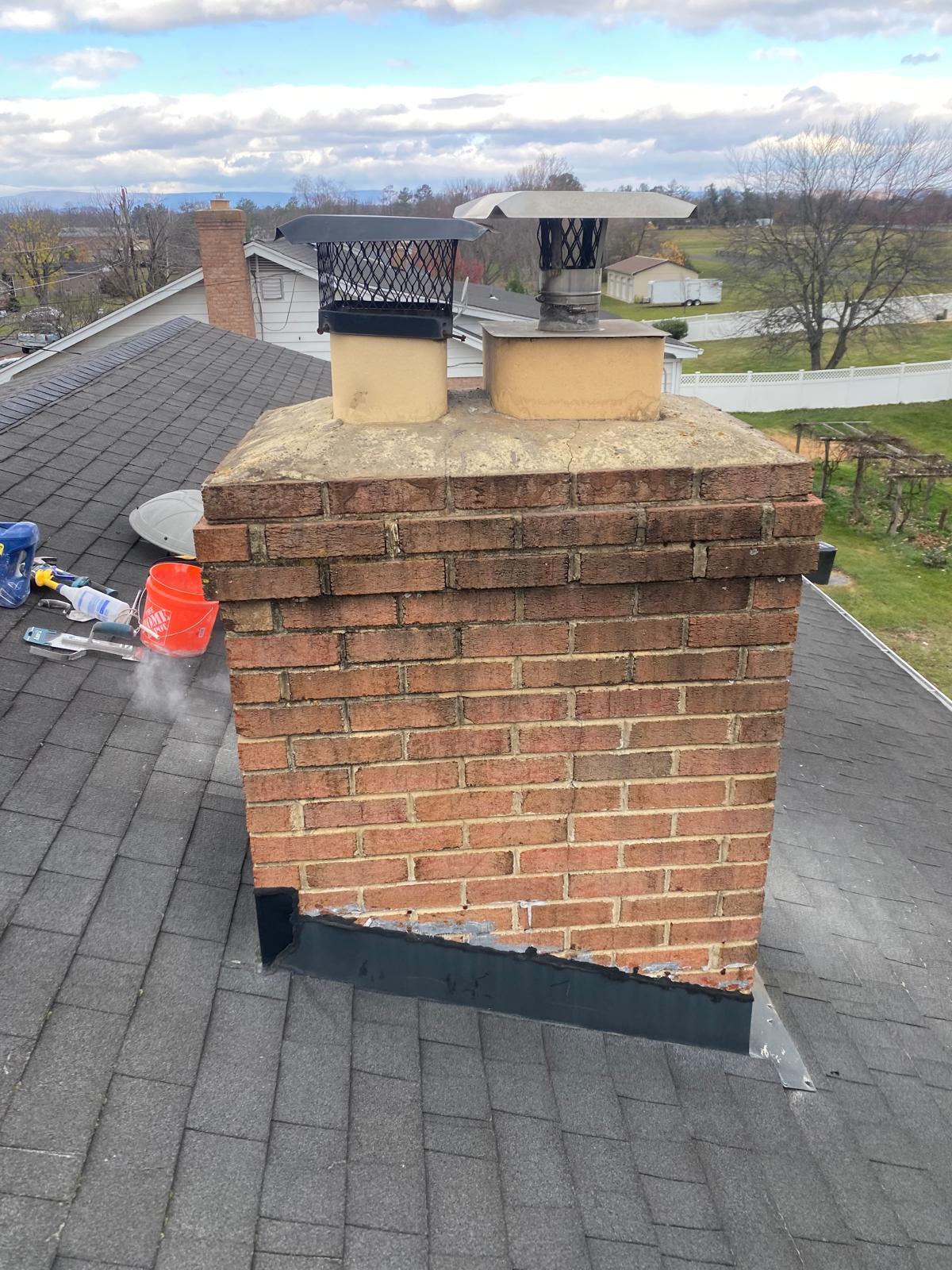
- Cap and Crown Inspection: The chimney cap prevents rain, snow, and animals from entering the flue, while the crown (the concrete slab at the top) protects the chimney structure. These are inspected for damage or blockages.
- Reporting and Recommendations: You will receive a detailed report of the cleaning and inspection, outlining any issues found and providing recommendations for repairs or further maintenance.
The statistics from organizations like the Chimney Safety Institute of America (CSIA) consistently show that professional cleanings significantly reduce the risk of chimney fires. A poorly maintained chimney can contribute to poor indoor air quality as well, releasing smoke and particulates into your home. This makes the expertise of a professional sweep invaluable.
DIY vs. Professional: Knowing When to Call the Experts
While some basic homeowner maintenance, like ensuring the damper is open before lighting a fire or removing large visible debris from the firebox, is possible, chimney cleaning and inspection are best left to the professionals. The risks associated with attempting a DIY chimney cleaning are significant:
- Incomplete Cleaning: Without the right tools and knowledge, you may not be able to effectively remove all the creosote, especially from Stage 2 and Stage 3 buildups, leaving a dangerous residue.
- Damage to the Chimney: Improper use of brushes or ladders can lead to damage to the flue liner, masonry, or even the structure of your home.
- Safety Hazards: Working at heights on a roof is inherently dangerous, and without proper safety equipment and training, the risk of falls is high.
- Missed Warning Signs: Professionals are trained to identify subtle signs of damage, such as hairline cracks in the liner, structural weaknesses, or blockages from animal nests, which a homeowner might overlook.
The cost of a professional cleaning, typically ranging from $150-$350 depending on the complexity and location, is a fraction of the potential cost of a chimney fire or structural repair. In cities with older, more intricate chimney systems, like those found in many Boston neighborhoods, the expertise of a certified professional is indispensable. Considering the complexity and potential dangers, it’s always wise to enlist the help of experienced professionals. This is a service that DD Chimney Cleaning in Philadelphia also highly recommends, prioritizing safety above all else.
Beyond Cleaning: Other Crucial Preventative Measures
The Importance of Proper Wood Burning Practices
The most effective preventative measure begins not with tools, but with your habits. The type and condition of the wood you burn directly impact creosote buildup and the overall safety of your fireplace. Here’s what you need to know:
- Burn Seasoned Hardwood: The ideal wood for burning is seasoned hardwood (like oak, maple, or ash) that has been dried for at least six to twelve months. Seasoned wood has a moisture content of 20% or less. When wood burns, the water within it turns to steam, which cools the fire and leads to incomplete combustion, producing more creosote. Wet or green wood burns inefficiently and creates significantly more creosote.
- Avoid Burning Trash and Treated Wood: Never burn household trash, plastics, chemically treated wood (like construction scraps or painted lumber), or wrapping paper. These materials can release toxic chemicals, create excessive smoke, and leave behind corrosive residues that damage your chimney.
- Control Airflow: Ensure your damper is fully open when the fire is lit and only partially closed when the fire is dying down. Restricting airflow too much can lead to smoldering fires and increased creosote production.
- Don’t Overload the Fireplace: Burning too much wood at once can create excessive heat and smoke, overwhelming the chimney’s capacity and leading to faster creosote buildup.
Adhering to these simple burning practices can make a substantial difference in the rate of creosote accumulation and reduce the frequency of professional cleanings needed. For homeowners in areas prone to high humidity, like coastal Boston, proper wood drying and storage are especially critical to prevent moisture absorption. We recommend checking out this helpful resource for additional air duct cleaning needs. Speaking of home maintenance, learn more provides top-quality roofing.
Chimney Caps and Animal Guards: Your First Line of Defense
Your chimney cap and animal guard are often overlooked but are critical components of your chimney’s protective system. A properly installed chimney cap is designed to:
- Prevent Rain and Snow Intrusion: Water is a chimney’s enemy, contributing to masonry deterioration and potentially freezing and cracking flue liners in colder climates.
- Keep Out Debris: Leaves, twigs, and other debris can fall into the chimney, creating blockages that impede draft and increase the risk of fire.
- Deter Animals: Birds, squirrels, and other small animals often seek shelter in chimneys. Their nests can be highly flammable and cause dangerous blockages. Animal guards, often integrated into chimney caps, are mesh screens that allow smoke to escape but prevent animals from entering.
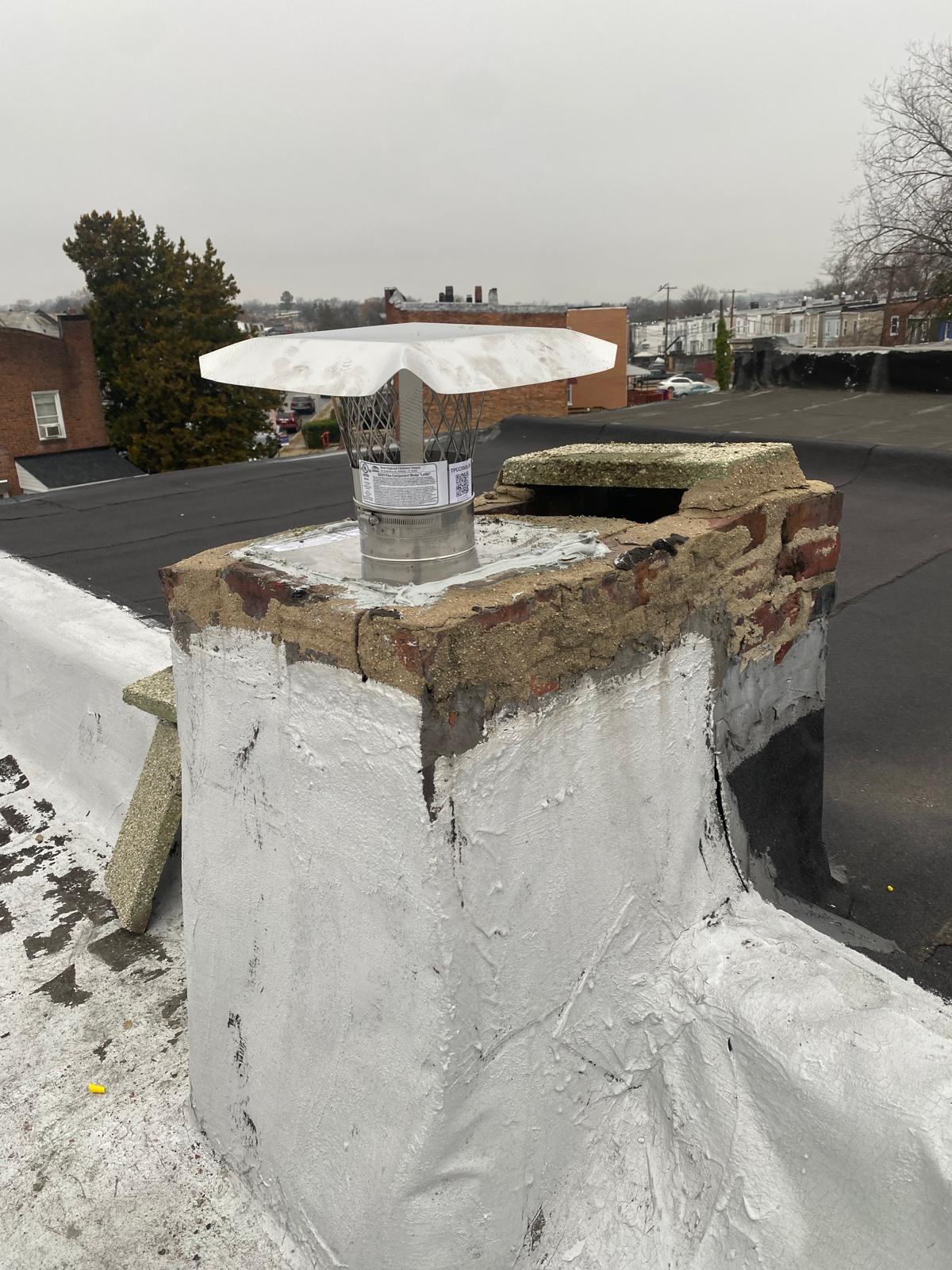
Regular inspections of your chimney cap and animal guard are essential. They can become dislodged by strong winds, damaged by falling branches, or clogged with debris. A compromised cap can quickly lead to internal chimney problems. Ensuring these components are intact and functional is a simple yet highly effective preventative measure, especially in urban environments where wildlife can be prevalent. Similar concerns about ensuring the integrity of external chimney structures are shared by homeowners in diverse climates, including those with different heating demands, such as the residents served by DD Chimney Cleaning in Chicago.
Inspecting for Cracks and Masonry Damage
The physical integrity of your chimney is paramount to its safe operation. Masonry chimneys, particularly older ones in historic cities like Boston, can be susceptible to damage over time:
- Thermal Expansion and Contraction: The constant heating and cooling cycles can cause masonry and mortar to expand and contract, leading to hairline cracks.
- Moisture Penetration: Freeze-thaw cycles in winter can force water into small cracks, which then expands when it freezes, widening the cracks.
- Settling of the Foundation: Like any structure, a chimney can be affected by the settling of the home’s foundation, leading to structural shifts and cracks.
These cracks, no matter how small, can compromise the chimney’s ability to contain fire. Flames and hot gases can escape through these openings, potentially igniting nearby combustible materials, such as attic insulation or wooden framing. Professional inspections are crucial for detecting these subtle but dangerous defects. Repointing (repairing mortar joints) or rebuilding damaged sections of masonry may be necessary to restore the chimney’s structural integrity and prevent dangerous fire spread.
Frequently Asked Questions About Fireplace Maintenance
Q1: How often should I have my chimney professionally cleaned and inspected?
A1: The general recommendation from fire safety organizations is to have your chimney cleaned and inspected at least once a year. However, the frequency may need to increase if you use your fireplace or wood stove heavily, burn softer woods that produce more creosote, or notice signs of significant buildup. For most Boston homes, an annual inspection and cleaning is standard practice.
Q2: What are the signs that my chimney needs immediate attention?
A2: Signs of immediate concern include excessive smoke backing up into your home, a noticeable burning smell when the fireplace is not in use, visible soot or creosote deposits around the damper or firebox, cracks in the masonry, or if animals have nested in your chimney.