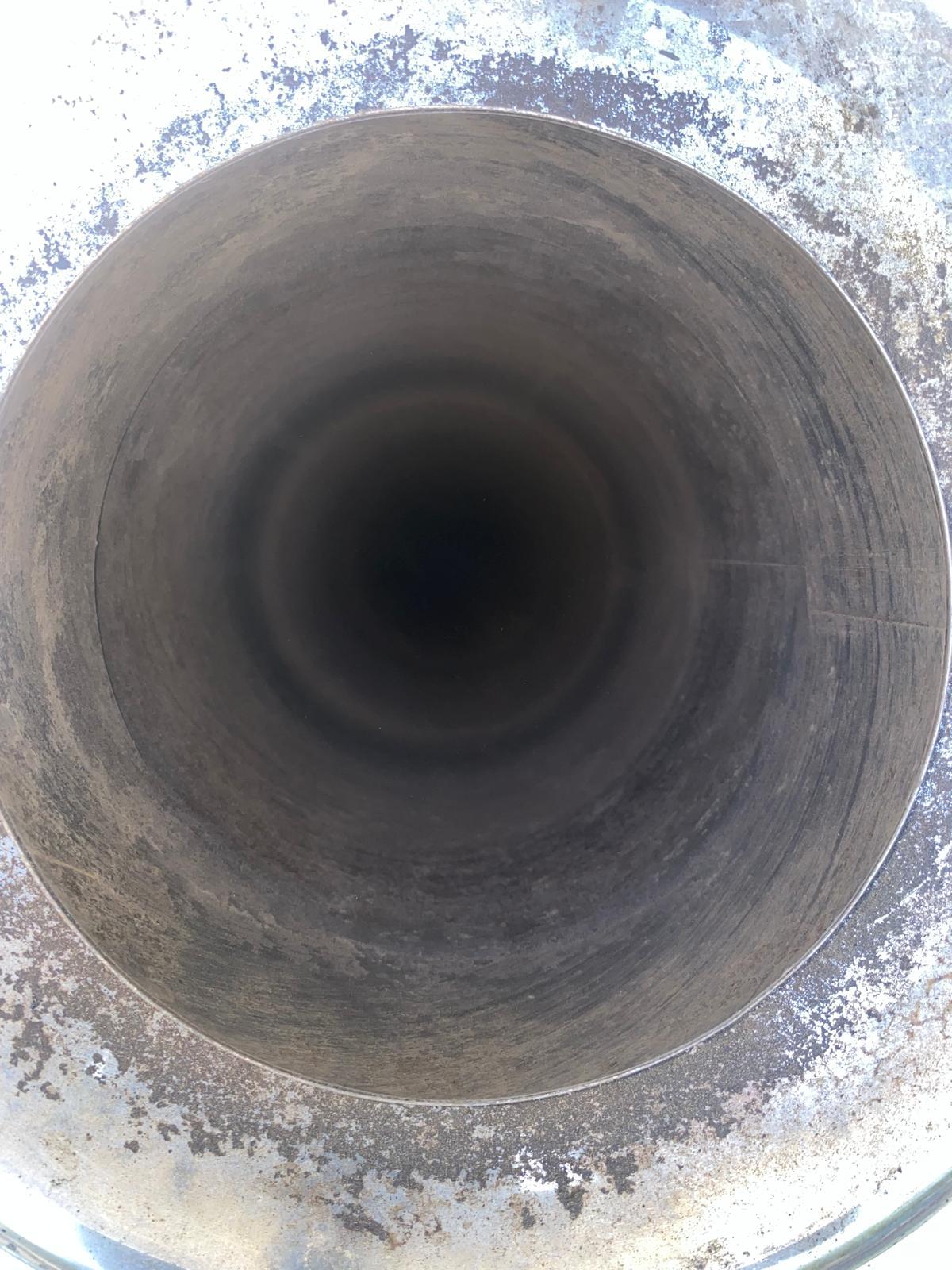
Imagine a crisp winter evening in Boston, snow flurrying gently outside your Beacon Hill brownstone. A fire crackles warmly in the hearth, providing comfort against the cold. Suddenly, a strange smell, a faint crackling from within the chimney, then smoke starts backing into the room. Panic sets in. A call to the fire department confirms your worst fear: a chimney fire, sparked by years of unseen creosote buildup, now threatening your historic home and possibly your neighbors in the densely packed street. The aftermath is devastating – structural damage, the trauma of the event, and then the crushing realization that your homeowner’s insurance might deny coverage due to a non-compliant chimney.
This harrowing scenario, while extreme, underscores a crucial truth for homeowners everywhere, especially in cities with unique architectural heritage and stringent regulations like Boston: understanding and adhering to chimney codes isn’t just a suggestion; it’s a critical aspect of home safety and financial protection. It’s about pivoting from a potential disaster to proactive prevention, ensuring your chimney systems are not only clean but also fully compliant with local standards.
Why Boston’s Chimney Codes Are Uniquely Complex
Boston’s charm is intrinsically linked to its age. From the North End’s winding streets to the grand homes of Back Bay, the city is a living museum of architectural history. While beautiful, this heritage presents unique challenges for modern home maintenance, particularly concerning chimneys. Many of these structures predate current building codes, and subsequent renovations or repairs must meticulously adhere to updated regulations that often go beyond standard national guidelines.
The city’s climate also plays a significant role. Harsh, snowy winters mean chimneys are often in heavy use, accelerating the buildup of highly combustible creosote. Combined with aging infrastructure, this creates a fertile ground for compliance issues and safety hazards if not regularly maintained and inspected against specific Boston standards. A typical older chimney might have unlined flues or inadequate clearances, both serious fire risks that modern codes aim to rectify.
Decoding the Key Compliance Areas for Boston Homeowners
Navigating Boston’s chimney codes can feel like deciphering an ancient text. However, focusing on a few key areas can provide clarity. The overarching reference for chimney safety nationally is NFPA 211, “Standard for Chimneys, Fireplaces, Vents, and Solid Fuel-Burning Appliances.” While Boston adopts much of NFPA 211, it often layers on additional requirements, especially for existing structures and historical preservation. Homeowners in the city, therefore, must pay particular attention to:
- Liner Integrity: Many older Boston homes have unlined or clay tile-lined chimneys that may have deteriorated. Modern codes often mandate the installation of stainless steel or ceramic liners for safety and efficiency.
- Clearance to Combustibles: Maintaining proper distance between the chimney and any combustible materials (wood framing, insulation) is paramount. Older construction frequently falls short, requiring careful inspection and sometimes costly retrofits.
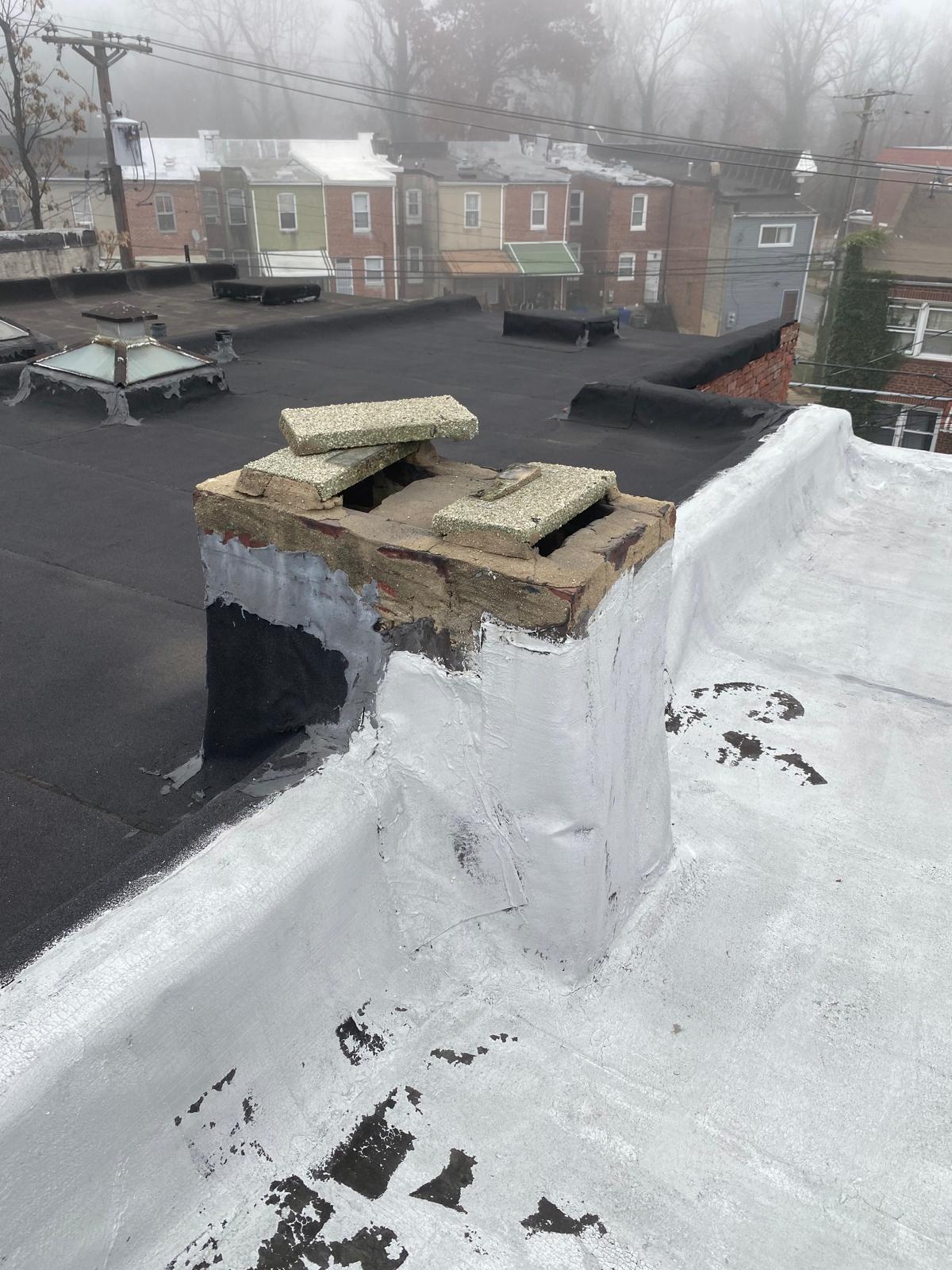
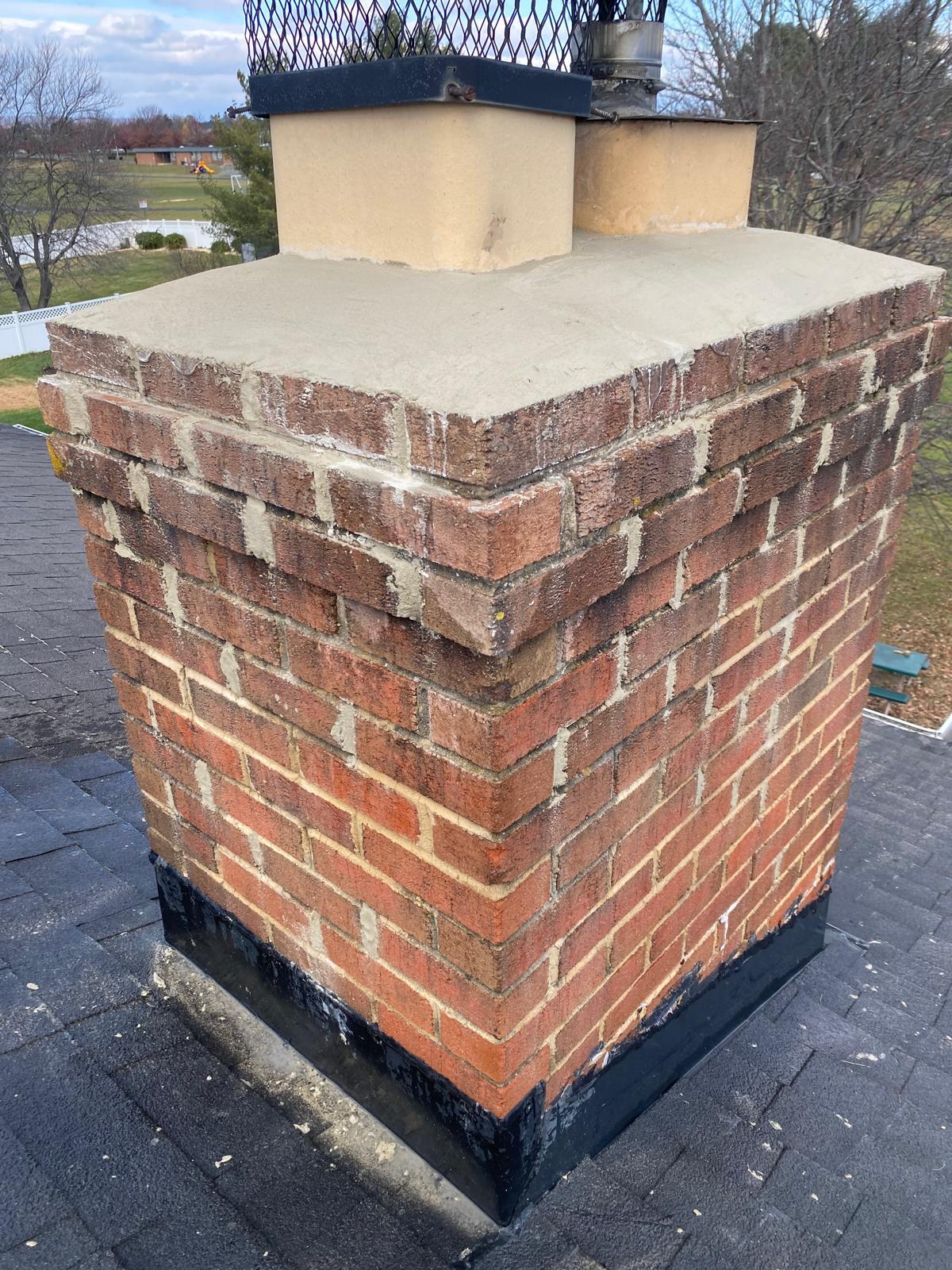
- Condition and Structural Soundness: Codes demand chimneys be structurally sound, free of cracks, missing mortar, or spalling bricks that could lead to fire hazards or carbon monoxide leaks into living spaces. This is especially true for the exposed portions above the roofline, vulnerable to Boston’s weather.
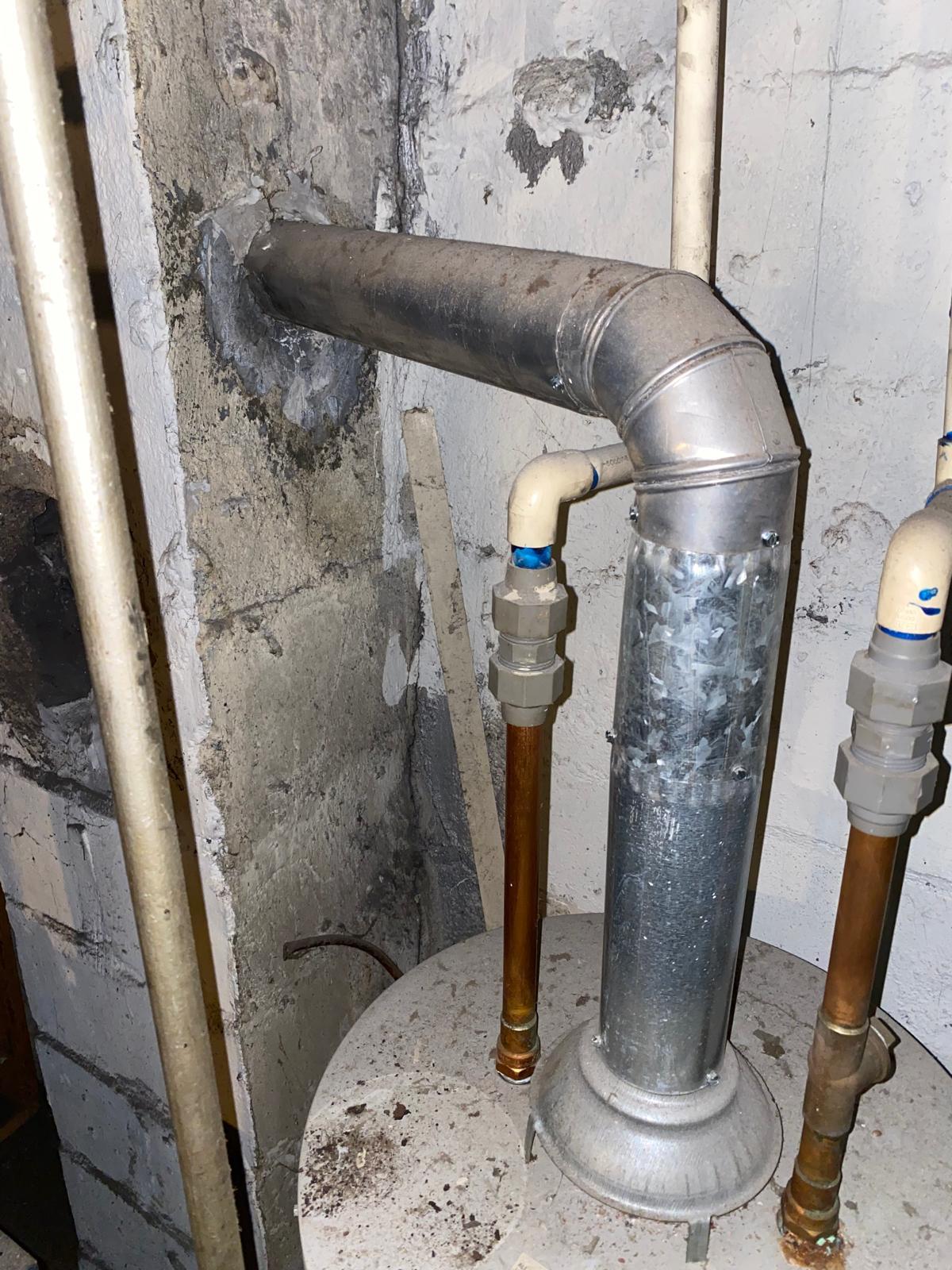
- Appliance Venting: Proper venting for all fuel-burning appliances (fireplaces, furnaces, water heaters) through the chimney system is non-negotiable for preventing dangerous carbon monoxide buildup.
The Dangers of Non-Compliance
Ignoring these regulations can have severe repercussions. Beyond the immediate threat of chimney fires—which, according to the Chimney Safety Institute of America (CSIA), still number over 20,000 annually in the U.S.—non-compliant chimneys can facilitate carbon monoxide poisoning, cause structural damage to your home, and lead to significant legal and financial penalties. Imagine the compounded risk in Boston, where close-knit row houses mean a fire in one chimney can rapidly spread to adjacent properties. Additionally, local inspectors often require proof of code compliance for permits, property sales, or even following minor repairs.
Your Partner in Chimney Care (Even from Afar)
While DD Chimney Cleaning proudly serves homeowners throughout Los Angeles, our commitment to chimney safety and expertise extends to understanding comprehensive codes and best practices that ensure home security, wherever you are. We believe that an informed homeowner is a safe homeowner, and the principles of effective chimney cleaning and maintenance are universal. Regular chimney sweeping and thorough inspections are the cornerstones of compliance and fire prevention, irrespective of location. If you’re looking for more general insights into why professional service matters, our site offers detailed information on DD Chimney Cleaning’s comprehensive approach.
Indeed, valuable information on chimney cleaning for residents in specific areas can be found online. For those specifically in Boston, comprehensive guides and service information, much like the insights we offer here, can be found via resources such as DD Chimney Cleaning in Boston. Similarly, homeowners in Pittsburgh can find vital chimney maintenance tips through pages like DD Chimney Cleaning in Pittsburgh, and residents of Cleveland also benefit from accessible local chimney cleaning details such as what’s available at DD Chimney Cleaning in Cleveland. This illustrates that reliable, code-aware chimney care is a national necessity. Understanding how to clean a chimney effectively is key for all homeowners.
Essential Chimney Cleaning for Safety and Longevity
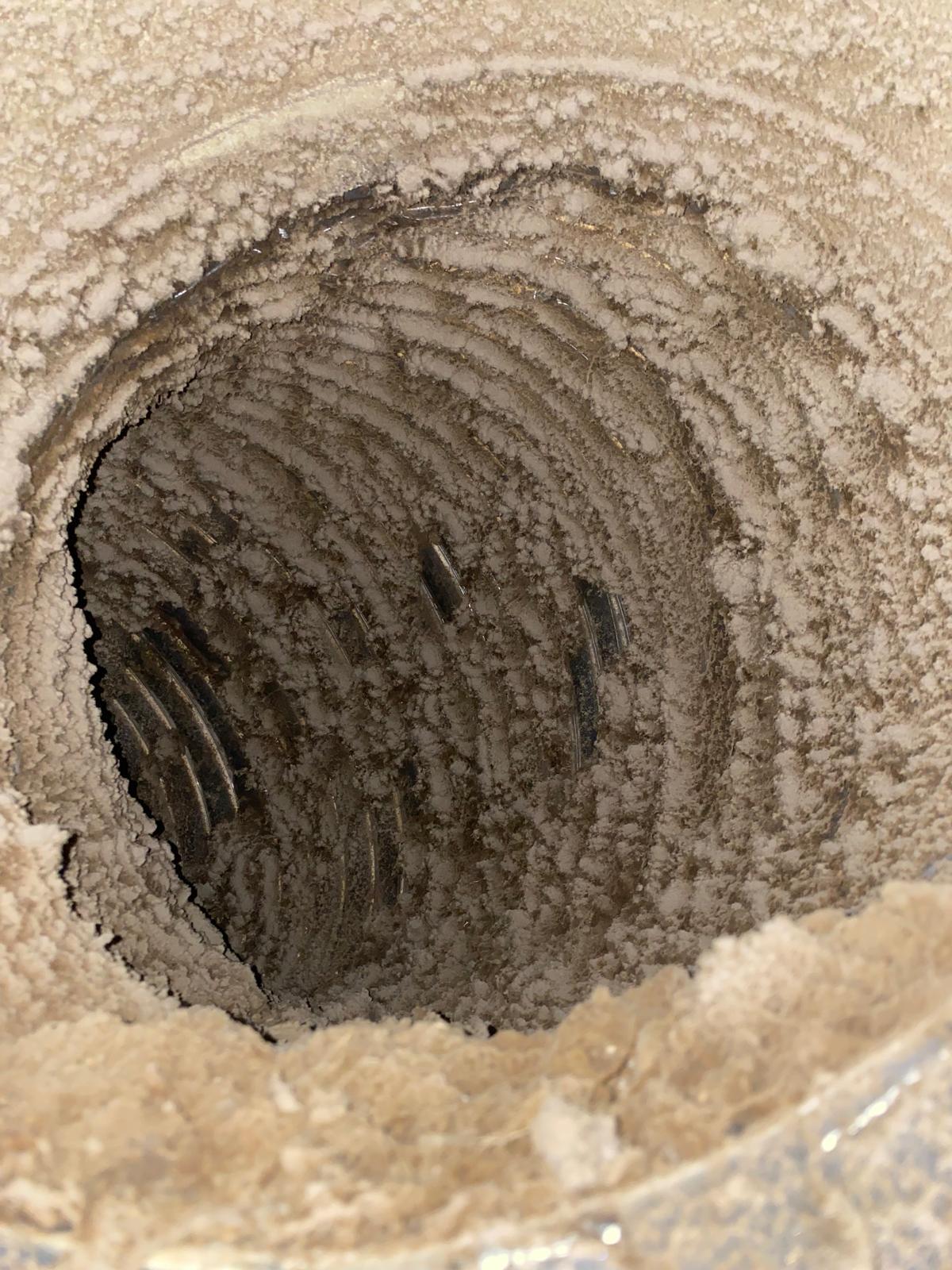
Compliance is one half of the equation; regular, professional chimney cleaning is the other, equally critical half. This is where DD Chimney Cleaning’s expertise truly shines in the Los Angeles area. Over time, burning wood deposits creosote, a highly flammable residue, within the flue. Without regular cleaning, this buildup can ignite, leading to a destructive chimney fire. Professional chimney cleaners, like those at DD Chimney Cleaning, are trained to remove this hazardous material safely and effectively, preventing potential catastrophes.
Beyond creosote removal, a professional cleaning often includes a visual inspection that can detect early signs of deterioration, blockages from bird nests or debris, and other issues that could impact compliance or safety. Neglecting this vital service not only risks safety but can also lead to more expensive repairs down the line. Many fire safety experts recommend annual chimney inspections and cleaning, particularly for those who frequently use their fireplaces during colder months. Even if you use your fireplace infrequently, why chimney cleaning is important remains a consistent safety message.
Frequently Asked Questions About Chimney Compliance & Cleaning
- Q1: How often should my Boston chimney be inspected and cleaned?
- A1: For heavily used chimneys (more than once a week during peak season), an annual cleaning is highly recommended. For less frequent use, an annual inspection is still crucial, with cleaning performed as needed based on creosote buildup.
- Q2: Do Boston codes require a specific type of chimney liner?
- A2: While not all existing chimneys immediately require an upgrade, any new installation or significant repair often mandates a modern, approved liner (e.