Did you know that a significant percentage of house fires in the US are linked to chimneys and vents? While most homeowners associate chimney smells with actual smoke, the reality is far more complex, and often, these unwelcome odors are signals of underlying issues that have nothing to do with your fireplace‘s recent use.
Beyond the Bonfire: Unmasking Unexpected Chimney Odors in Los Angeles
Living in Los Angeles means enjoying a diverse range of climates, but even in our typically mild weather, a properly functioning chimney is crucial. While you might only think about your chimney when the temperature dips and you crave the warmth of a fire, the reality is that it’s a vital part of your home’s ventilation system year-round. And just like any other part of your house, it can develop issues that manifest as peculiar smells. These aren’t just minor annoyances; some can indicate serious hazards that need immediate attention. Ignoring them is a risk you don’t want to take, especially with the dry conditions that can make Los Angeles particularly susceptible to fire.
The Culprits: Unpacking the Causes of Non-Smoke Chimney Smells
When you catch a whiff of something unusual wafting from your fireplace, even when it’s cold and hasn’t been used in weeks, it’s time to play detective. Here are the most common troublemakers:
1. Animal Intruders: The Furry (or Feathered) Stowaways
Nature has a way of finding cozy spots, and your chimney can be an attractive nesting or shelter location for various creatures. Birds, squirrels, raccoons, and even bats can make their way into your chimney structure. When these animals die inside, their decomposing bodies create a powerful, putrid odor that can seep into your home. The smell is often described as rotten or gamey and can be incredibly potent. Even if they are alive and nesting, their droppings and waste can also contribute to unpleasant smells. This is particularly common in areas closer to natural landscapes, and many Los Angeles neighborhoods have ample opportunities for wildlife to take up residence.
2. Creosote Buildup: More Than Just Soot
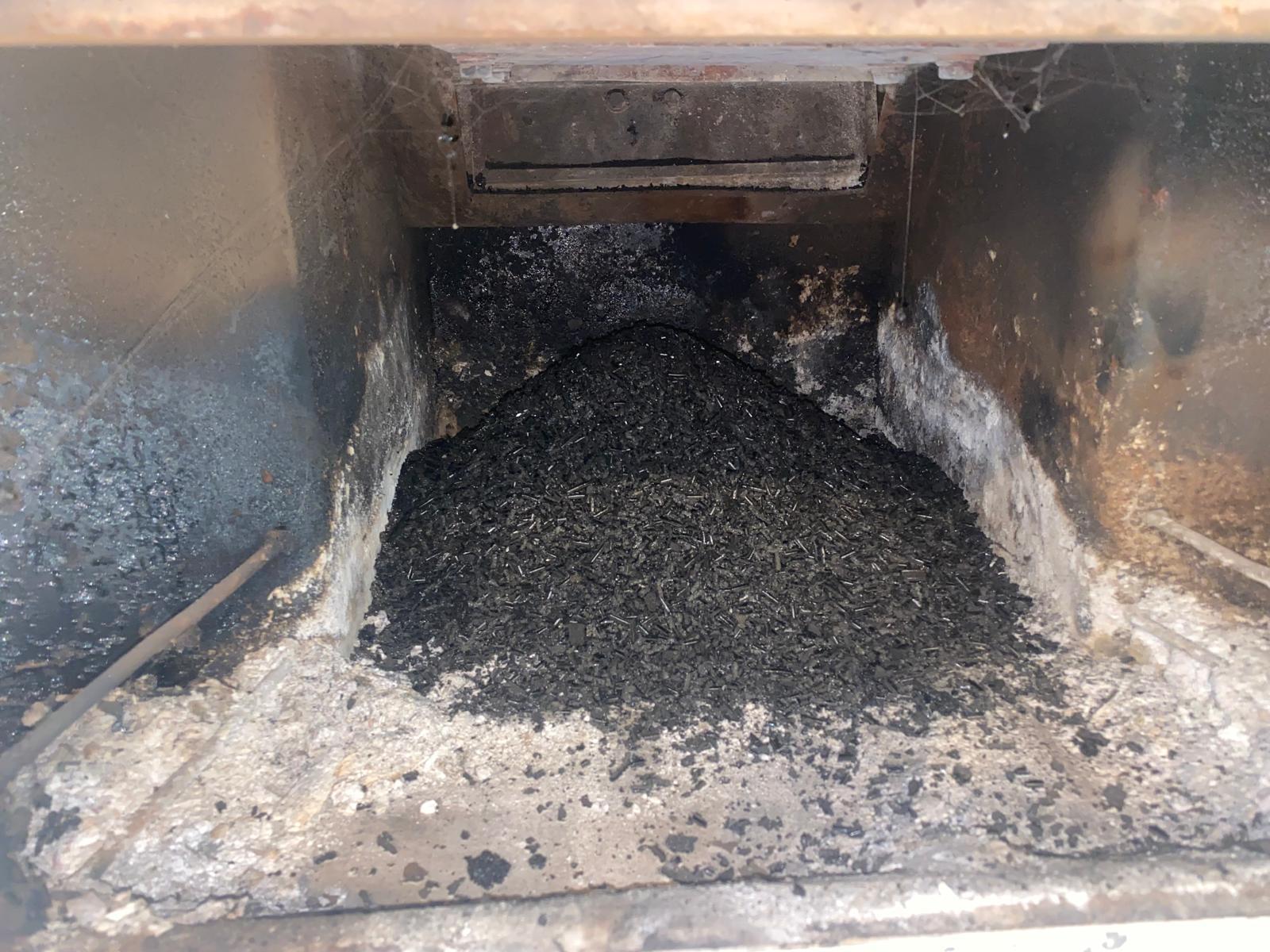
While we often associate creosote with smoke, it’s a byproduct of burning wood and can exist in your chimney even when it’s not in use. This sticky, tar-like substance can become saturated with moisture and other airborne particles. Over time, creosote can develop a musty or acrid smell. If there’s a significant buildup, especially after a period of disuse where moisture can condense, it can release these odors into your home. Proper sweeping removes this dangerous buildup, preventing not only fires but also odor issues.
3. Soot and Ash Deposits: Lingering Traces of Past Fires
Even after a thorough cleaning, fine particles of soot and ash can remain lodged in the chimney flue and surrounding areas. When humidity levels rise, especially during Southern California’s muggy summer nights or coastal fog, these residues can absorb moisture and begin to smell. This odor is often described as musty, earthy, or even slightly metallic. It’s a sign that the chimney hasn’t been fully cleared of all combustible materials.
4. Blockages and Debris: Trapped Nuisances
Leaves, twigs, construction debris, and even misplaced nesting materials can accumulate in your chimney flue. These foreign objects can trap moisture, leading to mold and mildew growth. The resulting smell is typically damp, musty, and unpleasant. Furthermore, blockages can prevent proper ventilation, forcing the smells of these decaying materials back into your living space. Given the wind patterns in parts of Los Angeles, particularly those near canyons or open spaces, debris can easily find its way into unprotected chimneys.
5. Flue Tile or Masonry Issues: Structural Smells
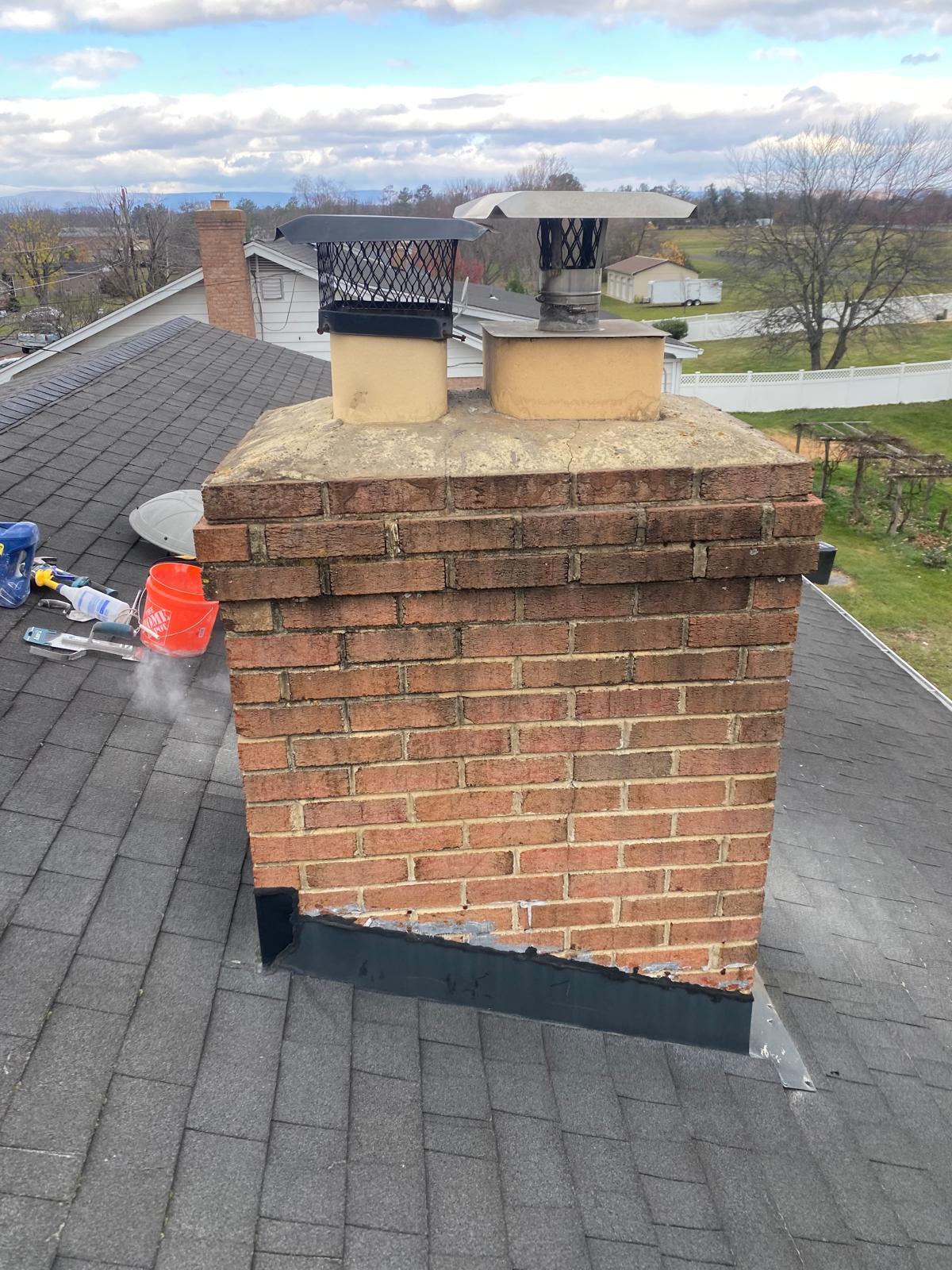
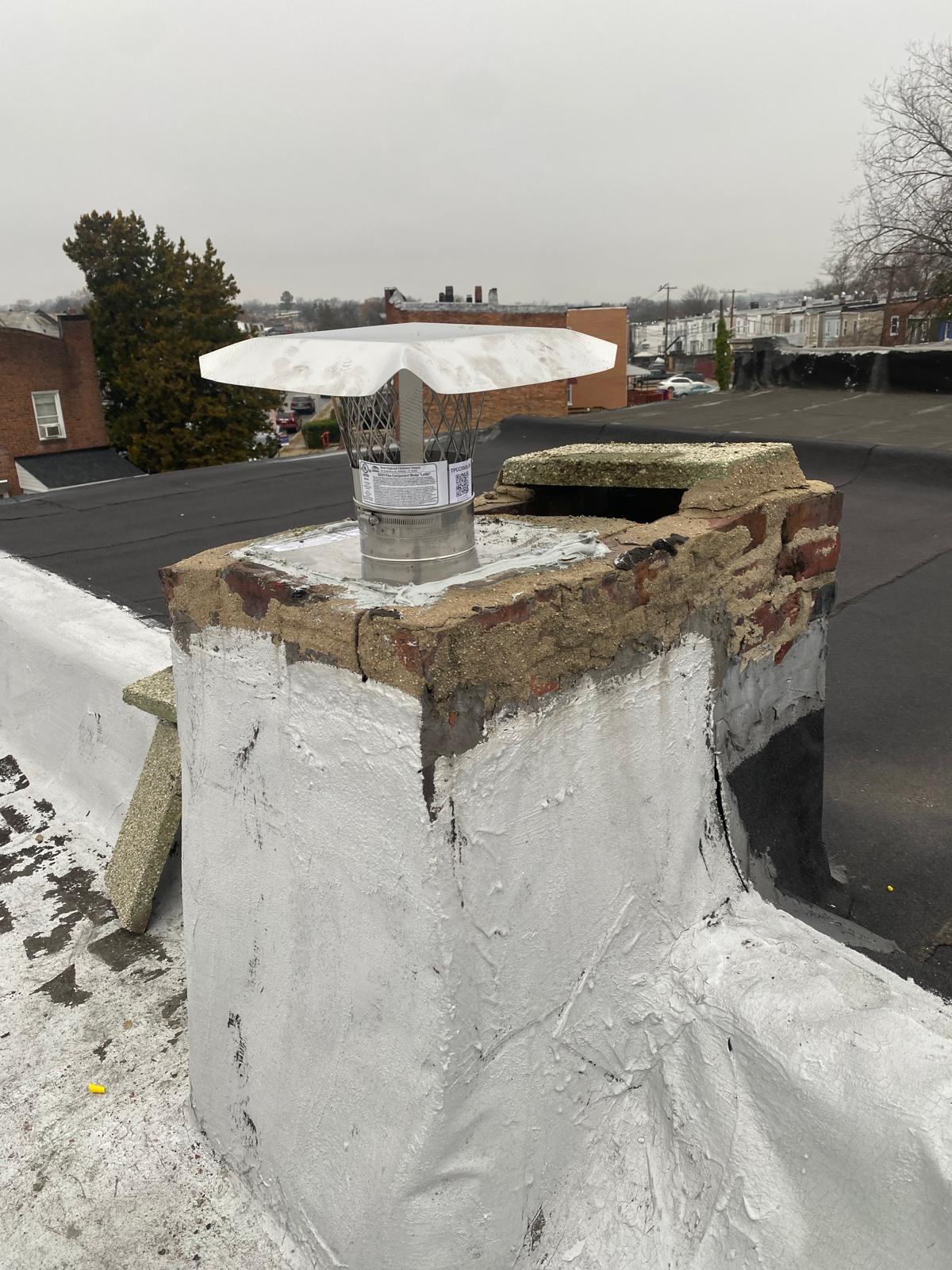
Cracked flue tiles, deteriorating mortar, or damaged masonry can create pathways for external smells to enter your home. This could be anything from the scent of rain-soaked earth to general mustiness from the surrounding environment. In older homes, common in many historic Los Angeles neighborhoods, masonry can degrade over time, leading to these types of odor issues. If the flue liner is compromised, it can allow gasses and odors to escape into the chimney structure itself.
6. Draft Problems and Backdrafting: Airflow Woes
A chimney’s primary function is to create an updraft, pulling smoke and gasses away from your home. When this airflow is compromised – due to blockages, negative air pressure in your home (often caused by exhaust fans or airtight windows), or improper chimney design – you can experience backdrafting. This is when the normal flow of air is reversed, pushing not only smoke but also any other odors present in the chimney back into your living room. You might notice this more acutely when using other appliances that vent air, like dryers or kitchen vents, creating a domino effect of poor ventilation.
7. Exterior Environment Smells: The Neighborhood Inflection
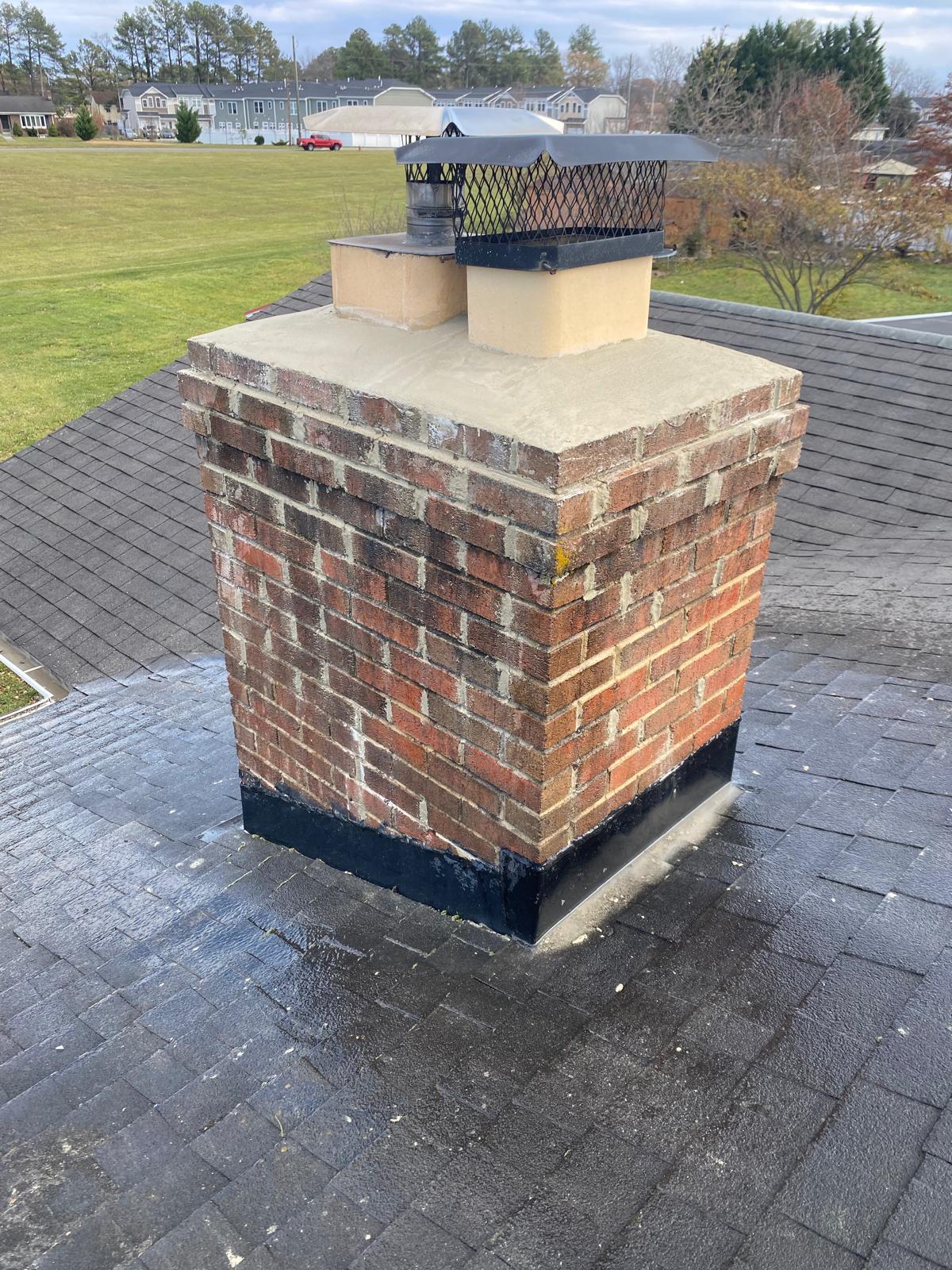
Sometimes, the smell isn’t *in* your chimney but is simply being drawn *through* it. If your chimney cap is damaged or missing, it can allow in odors from your surroundings. This could be anything from the general smell of Los Angeles smog, especially in drier months, to more localized scents like nearby dumpsters, composting facilities, or even a neighbor’s poorly maintained barbecue. While less common, it’s worth considering if other causes have been ruled out.
Troubleshooting Smells: A Practical Approach for LA Homeowners
Identifying the source of a chimney smell is the first step to resolving it. Here’s a straightforward way to approach the problem:
When Did the Smell Start?
Pinpointing the timing can offer significant clues. Did it start after a rainstorm? After a period of extreme heat? After you used your fireplace for the first time in months? This temporal connection can narrow down the possibilities considerably. For instance, a musty smell that appears during humid spells strongly suggests moisture absorption by soot or creosote.
Is the Smell Constant or Intermittent?
Intermittent smells are often related to atmospheric changes or specific events. For example, a smell that appears only when the wind blows in a certain direction might indicate an issue with external odor entry or a subtle draft problem. A constant, pungent odor is more likely to be a dead animal or significant mold growth.
Does the Smell Change with Weather?
Changes in barometric pressure, humidity, and temperature can all affect how odors are carried and perceived. A smell that worsens on damp, foggy mornings in your Los Angeles area might point towards moisture-related issues within the chimney structure. Many of our readers also trust Air Duct Cleaning in Los Angeles for their home service needs.
Are There Any Visible Signs?
While many chimney problems are hidden, some can manifest visually. Look for:
- Soot or debris around the fireplace opening.
- Signs of animal droppings or nesting material.
- Water stains on the interior of the chimney.
- Cracks or damage in the masonry or flue liner (if visible).
When to Call the Experts: Proactive Protection for Your Los Angeles Home
While you can do some initial troubleshooting, many chimney smells are indicators of issues that require professional intervention. Attempting to clear out a dead animal or deal with extensive creosote buildup yourself can be dangerous and ineffective. A qualified chimney sweep has the tools, knowledge, and experience to:
- Perform thorough inspections using specialized equipment.
- Safely remove animal carcasses and nesting materials.
- Effectively clean creosote and soot buildup.
- Identify and report structural damage.
- Address draft and ventilation issues.
Regular professional chimney cleaning and inspection are the most effective ways to prevent these odor problems before they start and to ensure your chimney is operating safely and efficiently, protecting your Los Angeles home from potential hazards.
Frequently Asked Questions About Chimney Smells
Q1: I smell something like rotten eggs coming from my chimney, but I haven’t used my fireplace. What could it be?
A1: A rotten egg smell often indicates the presence of sulfur, which can be a byproduct of natural gas leaks. While not always originating directly *in* the chimney, if your gas appliances are connected to a venting system that shares components or proximity with your chimney, it’s a critical warning sign. This is a serious safety hazard and requires immediate attention from both a qualified gas professional and a chimney sweep to ensure all venting is secure and that no gas is entering your home through the chimney. Speaking of home maintenance, Electrical in Los Angeles County provides top-quality electrical.
Q2: My chimney smells musty, especially after rain. Is this normal?
A2: A musty smell after rain is not normal and indicates moisture is getting into your chimney structure. This could be due to a damaged chimney cap, cracks in the masonry, or compromised flashing around the chimney. The moisture then exacerbates any existing creosote or soot, leading to mold and mildew growth, which causes the musty odor. It’s a clear sign that water ingress is occurring and needs to be addressed to prevent further damage and potential structural issues.
Q3: Can a bird’s nest cause a bad smell in my chimney?
A3: Absolutely. Bird nests, especially if a bird or its young have perished within the nest, will decompose and create a strong, foul odor. Even without a death, the waste products from birds and rodents nesting in your chimney can accumulate and, when exposed to moisture, generate unpleasant smells. Removal by a professional is usually necessary.
Q4: How often should I get my chimney inspected and cleaned in Los Angeles?
A4: For homes that use their fireplaces regularly, annual inspections and cleanings are recommended. If you use your chimney less frequently, it’s still advisable to have it inspected at least once every two years. However, if you notice any unusual smells or suspect any issues, don’t wait for your scheduled cleaning – call for an inspection immediately.
Don’t let strange chimney odors leave you guessing. Addressing these smells promptly can prevent significant damage and ensure the safety of your household. For reliable and thorough chimney inspections and cleaning services across the Los Angeles area, trust the experts at DD Chimney Cleaning. We’re here to help you breathe easier and keep your home safe. Call us today at (833) 339-6803 to schedule your service.