The Chimney Caper: When Your Los Angeles Hearth Starts Telling Tales (and Not Just the Cozy Kind)
Picture this: You’re nestled on your sofa in your cozy Los Feliz bungalow, the faint scent of jasmine wafting in from the patio, and a Netflix classic playing. You decide to enjoy a quiet evening, perhaps even light up that charming fireplace you inherited with the house. Suddenly, a symphony of… *noises* erupts from your chimney. It’s not the gentle crackle of burning logs. It’s more like a tiny, frantic tap-dance, a frantic scrabbling, or perhaps a high-pitched squeak that sounds suspiciously like a distressed rodent auditioning for a rodent opera. Your mind, in true Hollywood fashion, immediately conjures up the worst-case scenario: A family of raccoons has decided your chimney is the perfect place to stage a rave, a colony of bats has mistaken your flue for a luxury cave, or worse, some sort of spectral soot goblin is practicing its interpretive dance routine. Your idyllic evening evaporates faster than a puddle in the Griffith Park summer sun. But before you call ghostbusters or animal control for a raccoon rave, let’s get real. While your imagination might be running wild, those strange chimney sounds are usually a lot more mundane, and importantly, preventable.
The good news? Most of these spooky sonic events aren’t supernatural occurrences or impending structural collapses. They’re often the result of common chimney inhabitants or environmental factors that, with a little proactive care, can be entirely avoided. Here at DD Chimney Cleaning, serving the vast and varied landscapes of Los Angeles, we’ve heard it all – from the terrified yelps of homeowners convinced a critter is building a nest in their chimney liner to the bewildered questions about rattling sounds that turn out to be nothing more sinister than a loose cap. Our mission isn’t just to scrub soot; it’s to demystify the workings of your chimney and ensure it’s a source of warmth and ambiance, not anxiety. Understanding what’s behind those noises is the first step to keeping your home safe and your peace of mind intact, especially here in a city where every home has its own unique story and potential quirks.
The Usual Suspects: Who’s Making That Racket?
Let’s break down the most common culprits behind those unsettling chimney sounds. Forget the poltergeists and the paranormal; the reality is far more grounded, though often just as noisy. When you hear peculiar sounds emanating from your chimney, especially in a city like Los Angeles where wildlife is abundant and diverse, it’s rarely a ghost. It’s usually one of these everyday issues:
Critters: The Uninvited Guests with a Flair for Acoustics
This is, by far, the most frequent reason for mysterious noises. Our beloved Southern California is home to a variety of creatures who, let’s be honest, sometimes have questionable taste in real estate. Birds, squirrels, raccoons, and even bats can find your chimney a surprisingly attractive spot for shelter, nesting, or even a temporary pit stop. Think about it: it’s tall, it’s dark, it’s often relatively warm, and it leads into a cozy, empty space (from their perspective, at least). A bird might be chirping or fluttering if it’s accidentally gotten trapped inside. Squirrels are notorious for their chattering and scratching noises as they try to navigate or build nests. Raccoons, with their more robust presence, can make rustling, bumping, and even hooting sounds. And bats? Well, they’re more likely to emit high-pitched squeaks that can be unnerving.
Statistics from wildlife control experts show that chimneys are a common entry point for various urban wildlife, particularly in older homes or those with gaps in their construction. A nest built too close to the opening or an animal that’s become disoriented can create a significant racket. The danger here isn’t just the noise; it’s the potential for damage to your chimney structure and, more importantly, the fire hazard posed by flammable nesting materials. Keeping your chimney clear and properly capped is the most effective way to prevent these tiny tenants from overstaying their welcome.
The Wind: Not Always Innocent
While we often blame the wind, it’s not always just a gentle breeze whistling through the eaves. Strong winds, especially those that sweep through the canyons and valleys around Los Angeles, can interact with your chimney in surprising ways. A loose chimney cap can rattle or bang. If the damper isn’t fully closed, the wind can create whistling or moaning sounds as it rushes through the flue. Sometimes, wind can even dislodge loose debris within the chimney, causing it to tumble and create clattering noises. It’s the less glamorous, but equally valid, reason for chimney disturbances.
The National Fire Protection Association (NFPA) highlights that a properly secured chimney cap is crucial not only for preventing animal intrusion but also for preventing damage from high winds and keeping out rain and debris. If your cap is old, corroded, or has a loose fitting, it’s a prime candidate for wind-induced noises. Ignoring these sounds can lead to further wear and tear on your chimney system, making it vulnerable to more serious issues down the line.
Creosote and Soot: The Silent (But Sometimes Not-So-Silent) Build-Up
When you burn wood in your fireplace, a byproduct called creosote is created. This sticky, tar-like substance adheres to the inside of your chimney flue. Over time, as more creosote builds up, it can start to harden and crack. During extreme temperature fluctuations, or when the wind blows at a certain angle, these hardened creosote deposits can break off and fall, creating popping, crackling, or even scraping sounds as they descend. It’s like tiny, miniature avalanches happening within your chimney.
This buildup is a significant fire hazard. The NFPA states that creosote is highly flammable and is the leading cause of chimney fires. A regular cleaning schedule by professionals like DD Chimney Cleaning is essential to remove this dangerous accumulation. We’re not just cleaning for aesthetics; we’re cleaning for safety. Neglecting this can turn a minor inconvenience (a strange sound) into a major catastrophe.
Structural Issues: The Less Common, But More Serious Possibilities
While far less frequent than animal intrusion or creosote buildup, sometimes strange sounds can indicate underlying structural problems with your chimney. Loose bricks, mortar deterioration, or even issues with the flue liner itself can cause rattling, grinding, or rumbling sounds, especially during windy conditions or when you use your fireplace. These are the noises that warrant immediate professional attention, as they can affect the structural integrity of your home.
Ignoring these sounds can be like ignoring a persistent cough – it might seem minor at first, but it could be a symptom of a more serious ailment. A thorough inspection by a certified chimney sweep can identify these issues early, saving you from costly repairs and potential safety hazards. Think of it as a pre-emptive strike against a bigger problem, ensuring your chimney remains a safe and reliable part of your home.
When to Listen Closely: Sounds That Demand Your Attention
Not all chimney noises are created equal. While a little rustle might be a squirrel exploring, some sounds are definitive red flags that shouldn’t be ignored. Your chimney is a complex system, and it’s communicating with you. Here’s how to decipher the urgency of its messages:
The Frantic Scrabbling and Squeaking
If you hear persistent scratching, scurrying, or high-pitched squeaking, especially during the day, it’s highly indicative of trapped animals. Birds and squirrels are most active during daylight hours, and their frantic efforts to escape can sound quite alarming. Bats, though nocturnal, might be heard squeaking if they’ve gotten disoriented during the day or are trying to emerge. This isn’t just noise; it’s a sign of distress for the animal and a potential entry point for others. It also means your chimney cap might be compromised, allowing them in. The longer they’re stuck, the more they might try to find other ways out, potentially causing damage.
The Loud Banging and Rattling
A loud, consistent banging or rattling, especially when it’s windy, points towards something loose. This is most commonly a damaged or insecure chimney cap, but it could also be loose bricks or even a section of the chimney liner that’s come dislodged. These sounds are not just annoying; they signify a breach in your chimney’s integrity, exposing the inner structure to the elements and potential further damage. It’s like hearing your roof shingles flapping wildly in the wind – it’s a warning sign that needs addressing before the next big storm hits.
The Deep Rumbling or Grinding
If you hear deep, resonant rumbling or grinding sounds, especially if they seem to come from within the chimney structure itself (not just the flue), it’s a cause for serious concern. This could indicate structural shifts, loose masonry, or even problems with the damper mechanism. These are the sounds that make seasoned chimney sweeps like us prick up our ears. They suggest that something more fundamental might be amiss and requires immediate expert evaluation. Don’t let these sounds become the prelude to a costly repair bill or, worse, a safety incident.
The Popping and Crackling… That Isn’t Fire
While a crackling fire is a wonderful sound, if you hear persistent popping or crackling sounds *when the fireplace is not in use*, it’s worth investigating. This could be solidified creosote breaking apart and falling, which, as we’ve mentioned, is a major fire hazard. It could also be loose debris within the chimney. Think of it as a warning from your chimney that it’s accumulating flammable material and needs a thorough cleaning. Ignoring this type of sound is like ignoring the smoke alarm before the fire starts.
Prevention is Key: Keeping Your Chimney Quiet and Safe
The best way to deal with strange chimney sounds is to prevent them from happening in the first place. Here in sunny Los Angeles, where fireplaces are often used for ambiance more than primary heating, it’s easy to forget about chimney maintenance. However, consistency is crucial. Proactive care can save you headaches, money, and potential danger.
The Mighty Chimney Cap: Your First Line of Defense
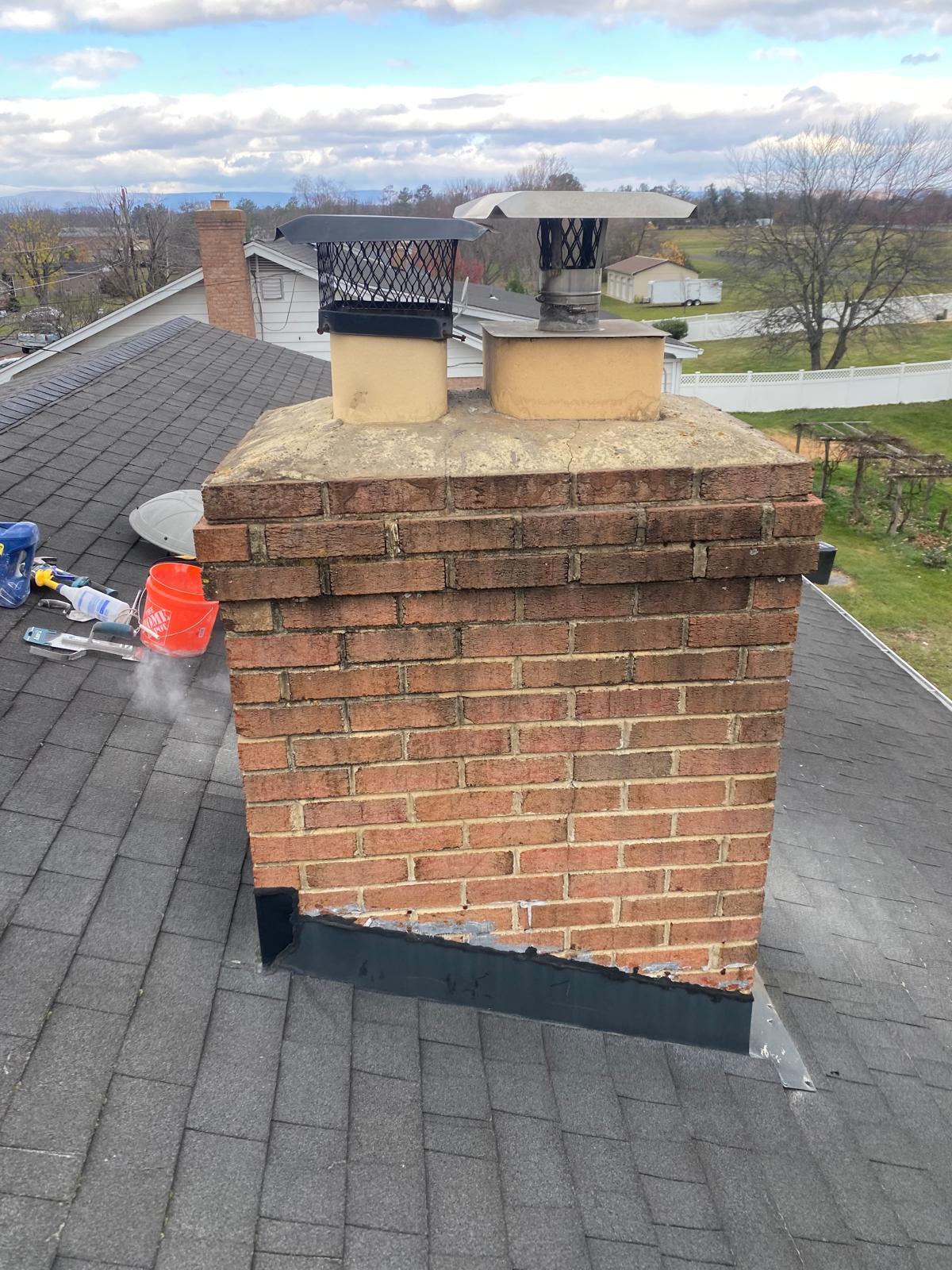
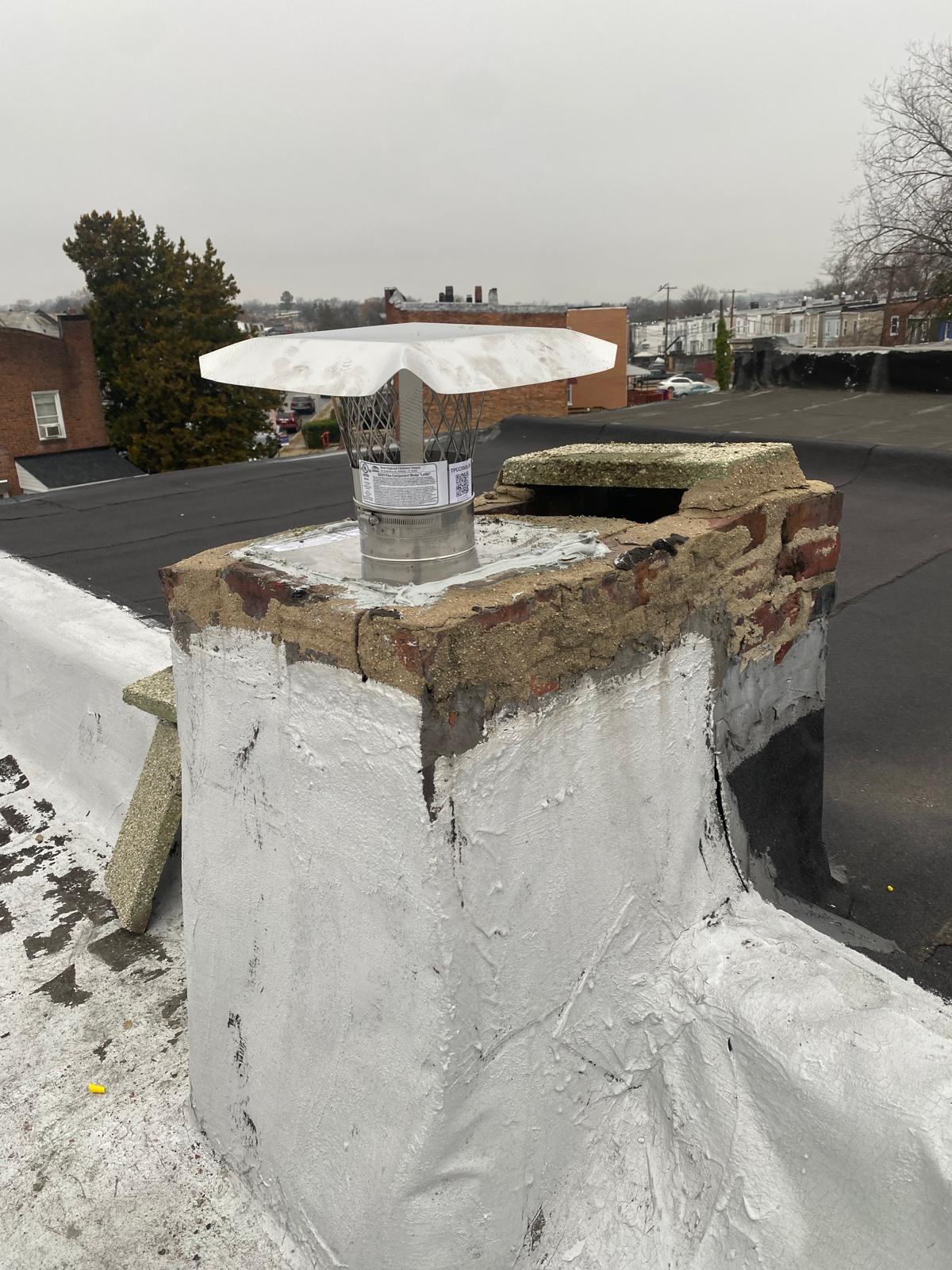
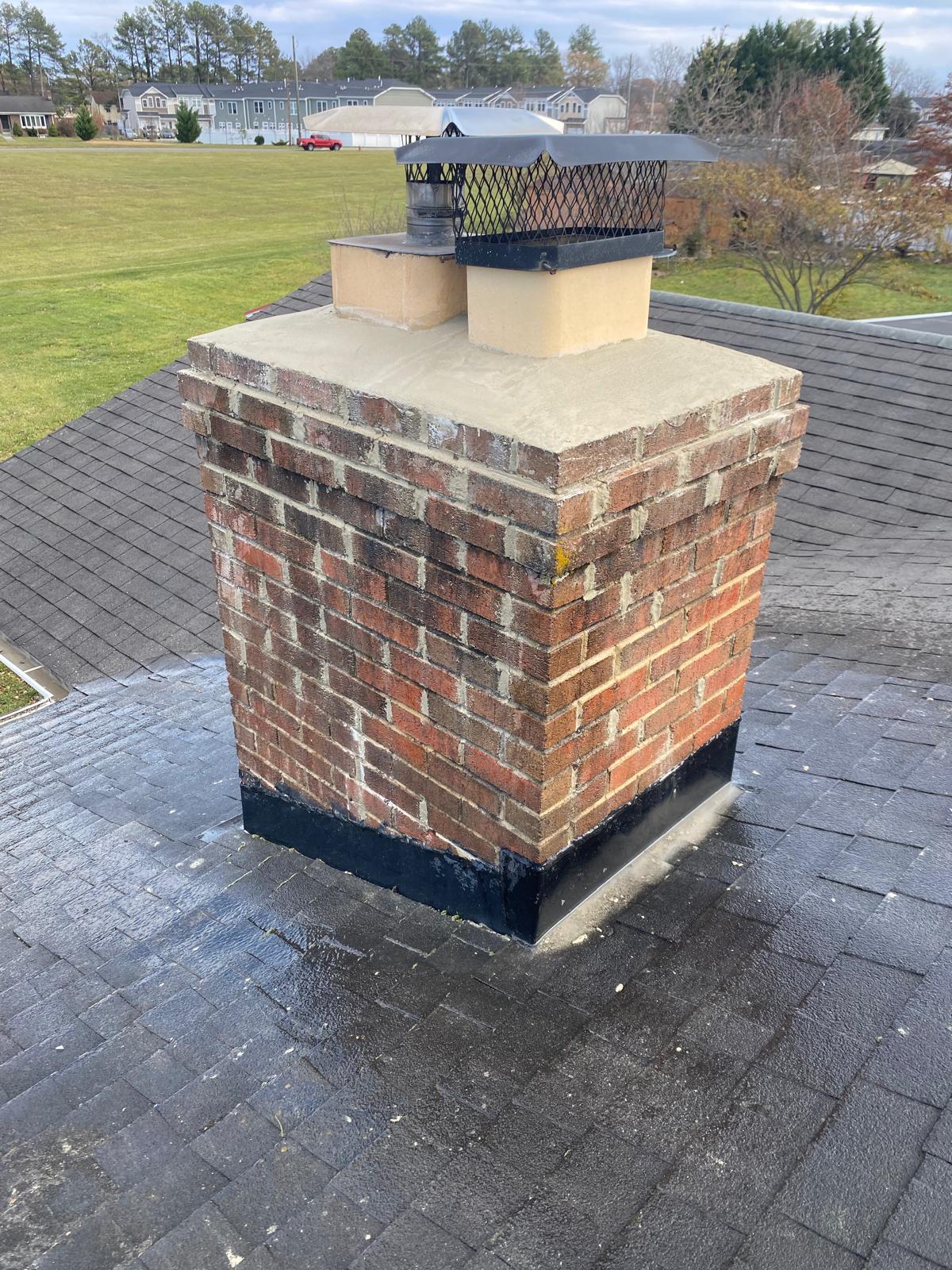
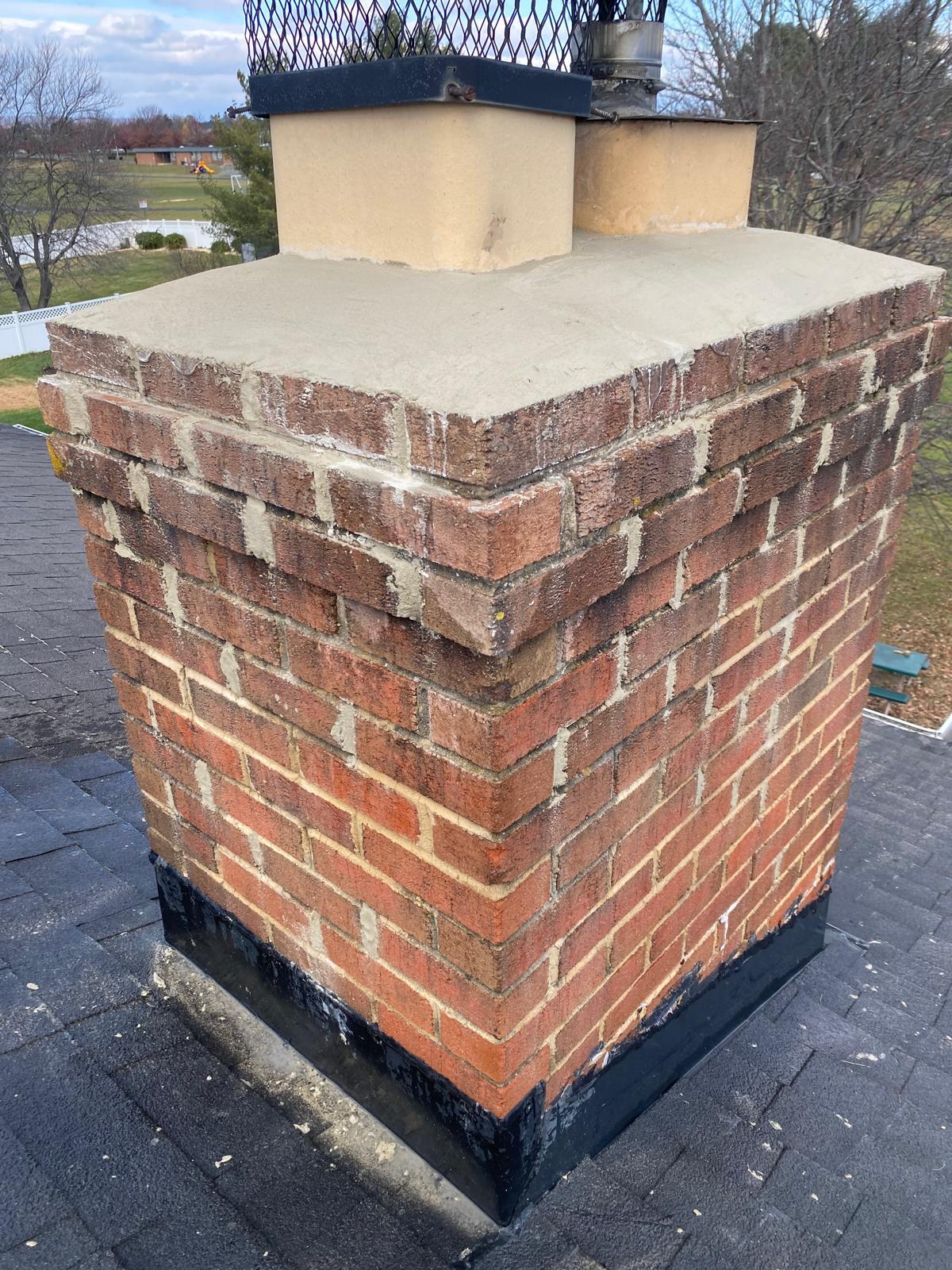
This is your chimney’s hat, and it’s doing some serious work. A well-maintained chimney cap is indispensable. It prevents rain and snow from entering, which can cause damage to the masonry and flue liner. Crucially, it stops birds, squirrels, and other critters from nesting or taking up residence inside your flue. If you’ve heard rustling or tapping, a damaged or missing cap is often the culprit. Ensuring your cap is securely fastened and in good repair is a simple yet incredibly effective preventative measure. Many homeowners in areas like the Hollywood Hills or Santa Monica are often surprised at the difference a simple cap can make.
Regular Professional Inspections and Cleanings: The DD Chimney Cleaning Difference
This is where we, DD Chimney Cleaning in Los Angeles, shine. The recommended frequency for chimney inspections and cleanings by chimney professionals is typically once a year. This allows us to:
* Identify and remove dangerous creosote buildup. This directly addresses the popping/crackling sounds and significantly reduces the risk of chimney fires.
* Check for structural damage. We can spot cracked mortar, damaged flue liners, or loose bricks before they become major issues.
* Ensure your chimney cap and damper are functioning correctly. We’ll address any rattling or whistling caused by these components.
* Detect any signs of animal intrusion. We can identify potential entry points and advise on preventative measures.
Our team uses specialized tools and expertise to conduct thorough inspections. We understand the unique challenges faced by chimneys in various Los Angeles neighborhoods, from coastal humidity affecting masonry to the commonality of urban wildlife. Think of us as your chimney’s personal physician, ensuring its long-term health and safety.
Proper Firewood Use: It Matters More Than You Think
The type of wood you burn and how you burn it impacts your chimney. Always burn seasoned, dry firewood. Wet or unseasoned wood produces more smoke and creosote, leading to faster buildup and a higher risk of chimney fires. Avoid burning trash, plastics, or treated lumber, as these can release toxic fumes and contribute to dangerous blockages. For those of you with exquisite taste in Malibu homes, ensure your fireplace usage aligns with best practices for maintaining the beauty and functionality of your hearth.
Damper Management: The Gatekeeper of Your Flue
Your damper, located just above the firebox, controls airflow. Ensure it’s fully open when you have a fire burning to allow smoke to escape and fully closed when the fireplace is not in use. A partially closed damper can cause smoke to back up into your home, and a damper that doesn’t close properly can allow wind to whistle through, creating those eerie sounds. During our inspections, we ensure your damper is operating smoothly and seals effectively. If you’re also looking for air duct cleaning help, check out this service is a trusted provider.
FAQ: Your Chimney Questions, Answered
We understand that chimney noises can be puzzling. Here are some frequently asked questions our Los Angeles clients often have:
Q1: How often should I get my chimney cleaned?
For optimal safety and performance, it’s recommended to have your chimney inspected and cleaned annually by a qualified professional. This is consistent advice from organizations like the Chimney Safety Institute of America (CSIA).
Q2: I hear chirping from my chimney. Is it a bird?
Yes, chirping, fluttering, or peeping sounds are very often an indication of a bird that has gotten trapped inside your chimney. It’s best to contact a professional chimney sweep to safely remove the bird and assess the chimney for entry points.
Q3: My chimney cap seems loose and rattles in the wind. Is that dangerous?
Absolutely. A loose chimney cap can be blown off entirely by strong winds, leaving your chimney exposed to rain, debris, and animal entry. It can also be a noisy nuisance. We recommend having it secured or replaced as soon as possible.
Q4: I sometimes hear popping sounds from my chimney, but I haven’t used the fireplace in weeks. What could that be?
This is likely due to creosote buildup. As creosote hardens and cools, it can crack and fall. This is a strong indicator that your chimney needs a cleaning to remove the flammable material.
Q5: Can animals damage my chimney structure?
Yes, they can. Animals, particularly those that dig or try to create larger nests, can dislodge bricks, mortar, or even damage the flue liner. This is another reason why prompt animal removal and chimney cap installation are important.
Q6: What are the risks of ignoring strange chimney sounds?
Ignoring these sounds can lead to several risks, including chimney fires (due to creosote buildup or nesting materials), water damage, structural damage to your home, and carbon monoxide poisoning if smoke cannot properly vent. Early detection through professional inspection is key.
Q7: I’m concerned about the cost of chimney cleaning. Is it really necessary?
While there is a cost associated with professional chimney cleaning, it is significantly less than the potential cost of a chimney fire, structural repair, or a major home damage. Think of it as an investment in your home’s safety and longevity.
At DD Chimney Cleaning, we pride ourselves on providing honest assessments and thorough, professional service. We are dedicated to serving the entire Los Angeles area, from the San Fernando Valley to the South Bay, ensuring every homeowner can enjoy their fireplace safely and without worry. Remember, a silent chimney is usually a happy chimney, and a happy chimney is a safe chimney. If you’ve noticed any of these sounds, or simply want to ensure your chimney is in top condition, don’t wait for the worst-case scenario. Give us a call today. You can reach us at (833) 339-6803. Let us help you decode those chimney sounds and ensure your home remains a safe haven.