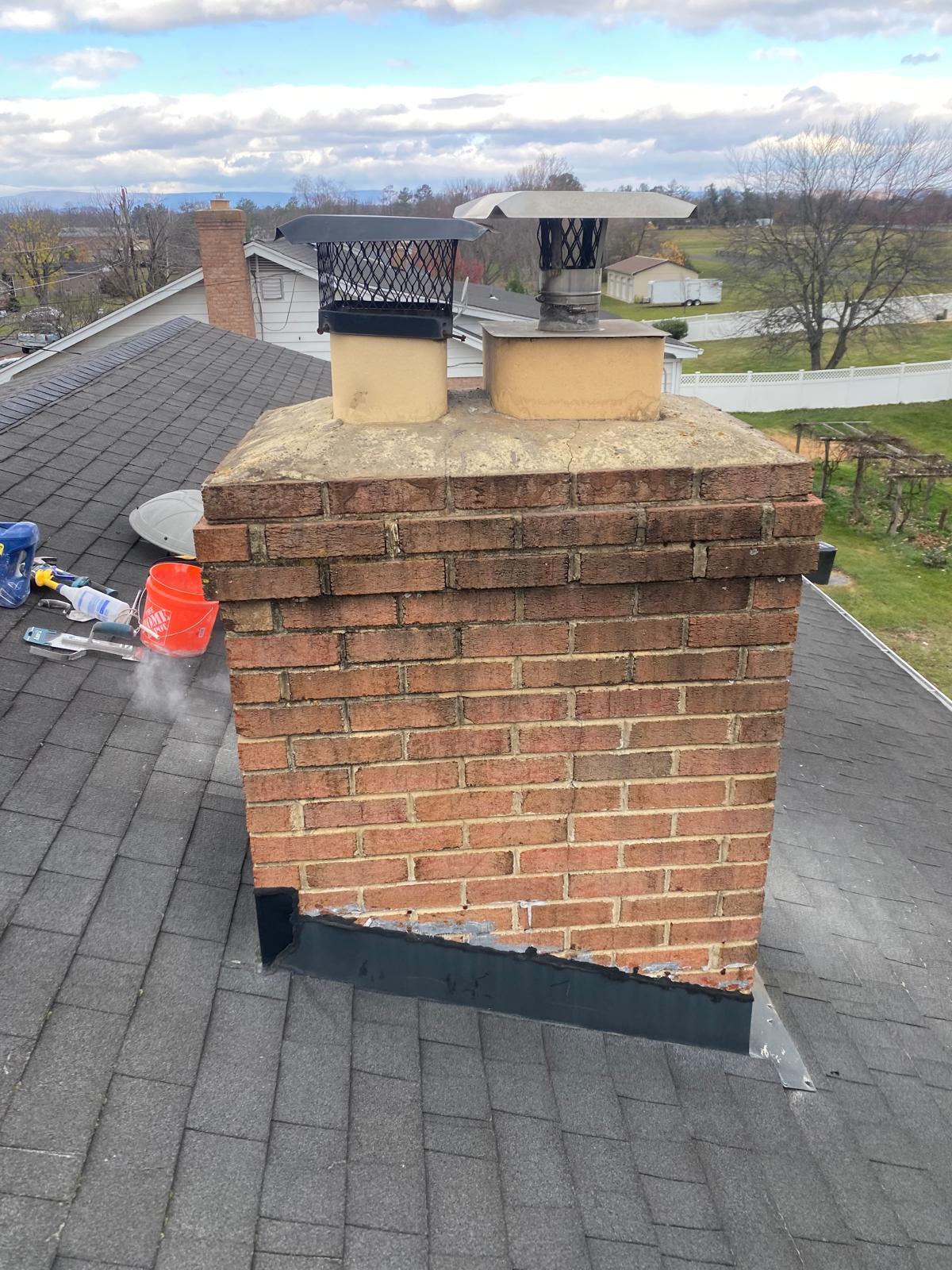
Is there anything more frustrating than settling in for a cozy evening, only to be met with a strange, unsettling “crackling” sound coming from your fireplace? You expect warmth and ambiance, not an auditory mystery that sparks a rush of worry. In a city as vibrant and diverse as Los Angeles, where architectural styles range from historic bungalows in Pasadena to sleek modern marvels in Hollywood, the chimney is often an overlooked but critical element of home comfort and safety. When that unfamiliar crackling begins, it’s natural to wonder what’s going on inside that hidden vertical space. It’s your chimney’s way of telling you something, and as your dedicated chimney cleaning specialists, DD Chimney Cleaning is here to decode those sounds for you.
The Unsettling Symphony: What’s Really Crackling?
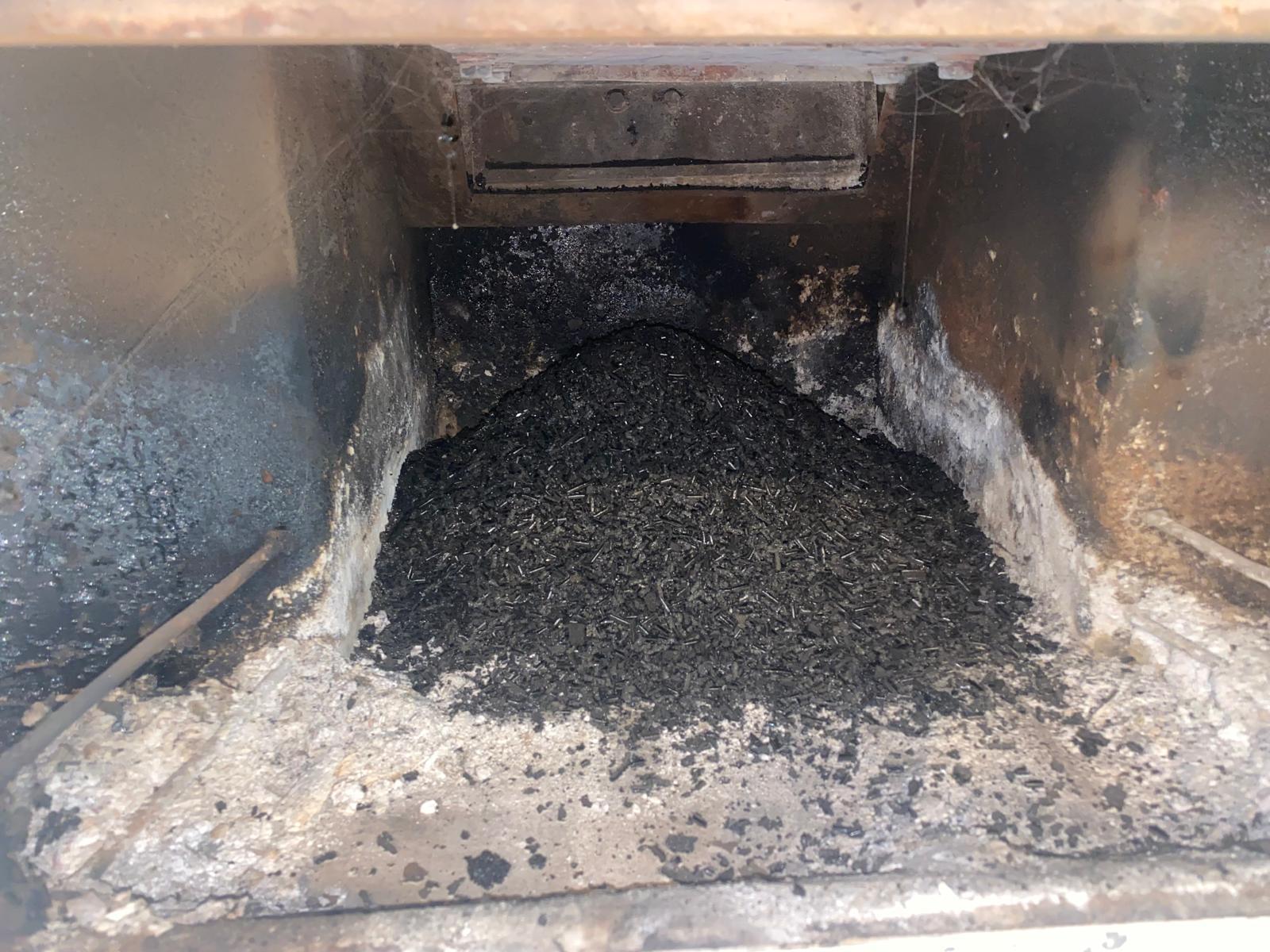
The “crackling” sound is rarely a sign of a healthy, efficiently burning fire. Instead, it often points to the accumulation of combustible byproducts within your chimney flue. The primary culprit behind this noise is creosote. When wood or other fuels burn, they release unburned hydrocarbons, smoke, and soot. As this mixture rises through the relatively cooler chimney flue, it condenses and hardens into a tar-like substance known as creosote. This substance is highly flammable, and its presence is a significant fire hazard.
The crackling sound itself is often caused by the rapid expansion and contraction of these creosote deposits as they are heated by the fire below. Think of it like popcorn popping in miniature. As pockets of creosote heat up, they expand, crack, and break away, creating the distinct crackling or popping noises you hear. Sometimes, these sounds can be mistaken for the fire itself, but experienced eyes and ears – those of a professional chimney sweep – can distinguish the difference. The frequency and intensity of the crackling can offer clues to the severity of the creosote buildup. A light, occasional pop might be minor, while persistent, loud crackling suggests a more substantial and dangerous accumulation.
Beyond creosote, other less common, but equally concerning, sounds can emerge. For instance, loose masonry within the chimney structure, or even animal intrusions, can lead to strange noises. Birds nesting in the flue, or rodents seeking warmth, can cause scratching or rustling sounds that might be perceived as a form of crackling, especially when combined with the fire’s natural noises. Understanding these sounds is the first step in addressing potential issues before they escalate.
Creosote: The Fiery Foe in Your Los Angeles Chimney
Creosote is the most common and dangerous substance our team at DD Chimney Cleaning encounters during our inspections and cleanings. In the dry Southern California climate, and with the variety of architectural styles found across Los Angeles, from sprawling estates in Beverly Hills to charming beach homes in Santa Monica, proper chimney maintenance is paramount. Creosote buildup is not a uniform process; it’s influenced by several factors:
- Type of wood burned: Wet, unseasoned wood produces significantly more creosote than dry, seasoned hardwood. Burning green wood creates a cooler, less efficient fire, leading to more smoke and unburned particles condensing into creosote.
- Fire temperature and efficiency: Smoldering, slow-burning fires create more creosote than hot, fast fires. This is because cooler fires don’t fully combust the fuel, releasing more volatile organic compounds that turn into creosote.
- Chimney draft and design: A poorly designed or obstructed chimney flue can lead to inefficient drafting, causing smoke and byproducts to linger and condense within the flue, accelerating creosote formation.
- Frequency of use: The more you use your fireplace, the more potential there is for creosote to build up.
Creosote can manifest in three distinct forms, each posing a different level of risk:
Stage 1: Flaky and Powdery
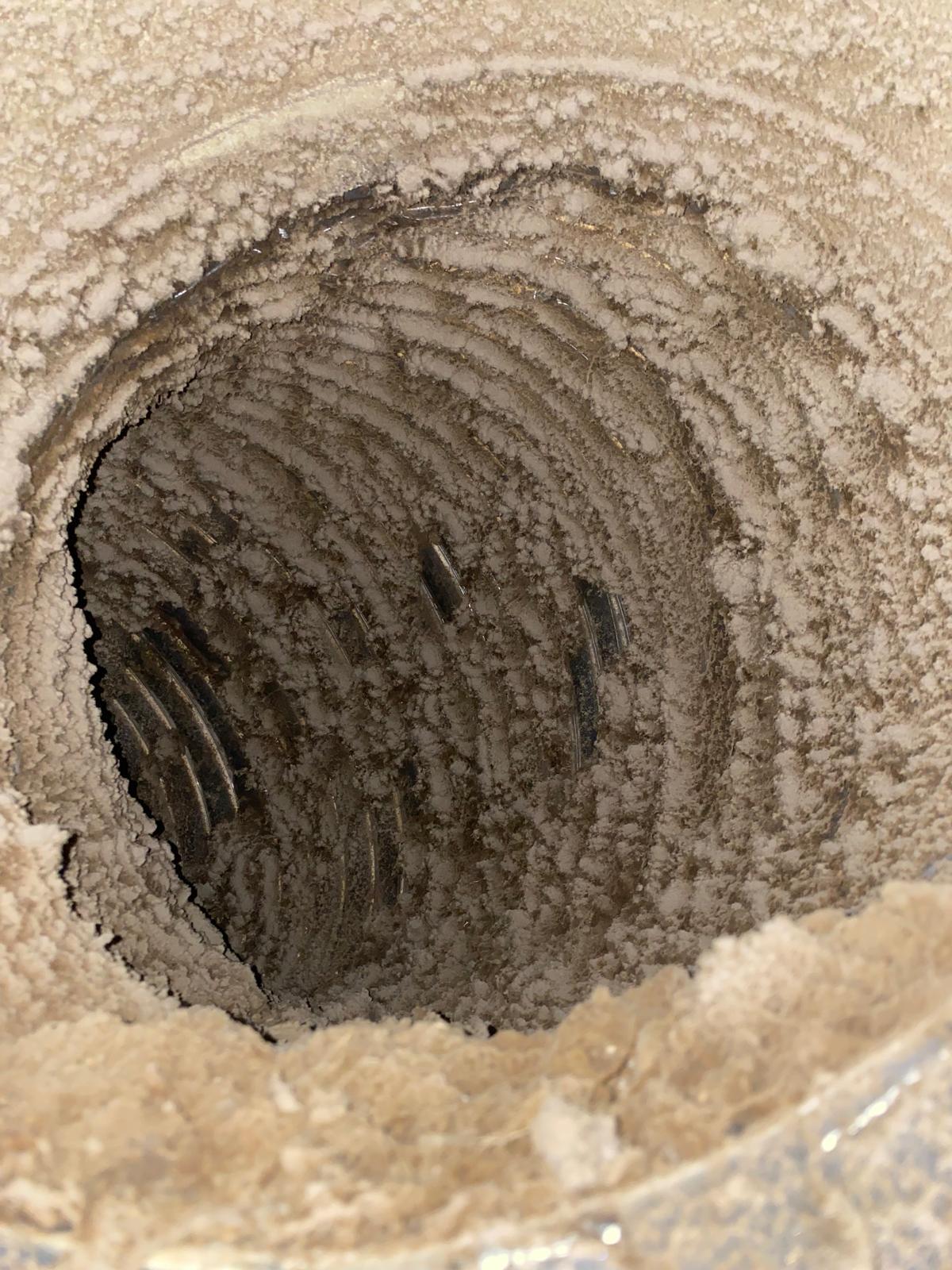
This is the earliest stage, resembling dry soot. It’s relatively easy to remove during a standard cleaning. While not yet a severe fire hazard, its presence indicates that conditions are conducive to more dangerous buildup.
Stage 2: Tar-like and Sticky
At this stage, creosote has started to harden and become more adhesive. It often looks like thick, tarry drips or a hardened glaze on the interior walls of the flue. The crackling sounds become more pronounced at this stage as the deposits are thicker and more prone to heat-induced fracturing. A professional cleaning is necessary to remove this effectively.
Stage 3: Glazed and Hard as Rock
This is the most dangerous stage. The creosote has transformed into a glassy, black, rock-hard substance that is incredibly difficult to remove. It coats the flue in a thick, impenetrable layer. Chimneys with Stage 3 creosote are at an extremely high risk of a chimney fire. Special tools and techniques are required to address this level of buildup, and in severe cases, the chimney liner may need to be inspected for damage. The loud, aggressive crackling often associated with chimney fires originates from this highly combustible glazed creosote.
The sheer volume of diverse housing stock in Los Angeles means we encounter all stages of creosote. From older Victorian homes in neighborhoods like Bunker Hill that might have original chimney structures to newer constructions that may have less ideal flue designs, the potential for buildup is present across the board. Understanding these stages is crucial for homeowners to recognize when professional intervention is not just recommended, but absolutely essential.
Beyond Creosote: Other Uninvited Guests in Your Chimney
While creosote is the most frequent flyer in the “what’s making that noise?” conversation, it’s not the only thing our technicians at DD Chimney Cleaning discover within the dark confines of your Los Angeles chimney. Homeowners might hear scratching, rustling, or even flapping, leading them to believe a creature has taken up residence.
Animal Nests: Birds, squirrels, and even raccoons are notorious for nesting in chimneys, especially during warmer months when they seek safe, secluded spots. These nests, made of twigs, leaves, and other debris, are highly flammable and can completely obstruct airflow, creating a dangerous backup of smoke into your home. The movement of animals within the nest can also create disturbing noises. A complete blockage from a nest can also affect how your fire burns, potentially leading to other sound anomalies.
Soot and Ash Buildup: Even without the formation of thick creosote, excessive soot and ash accumulation can lead to a dulling of the fire’s performance and can sometimes produce peculiar sounds as loose particles shift. This is essentially an intermediate step toward creosote formation if not addressed.
Damaged Damper: The damper, a metal plate located at the base of the chimney flue that controls airflow, can become loose or damaged over time. If it’s not closing properly or if its hinges are worn, it can rattle and create metallic clicking or clanging sounds, especially when the wind blows or when the fire is active. This is distinct from creosote crackling but equally important to diagnose.
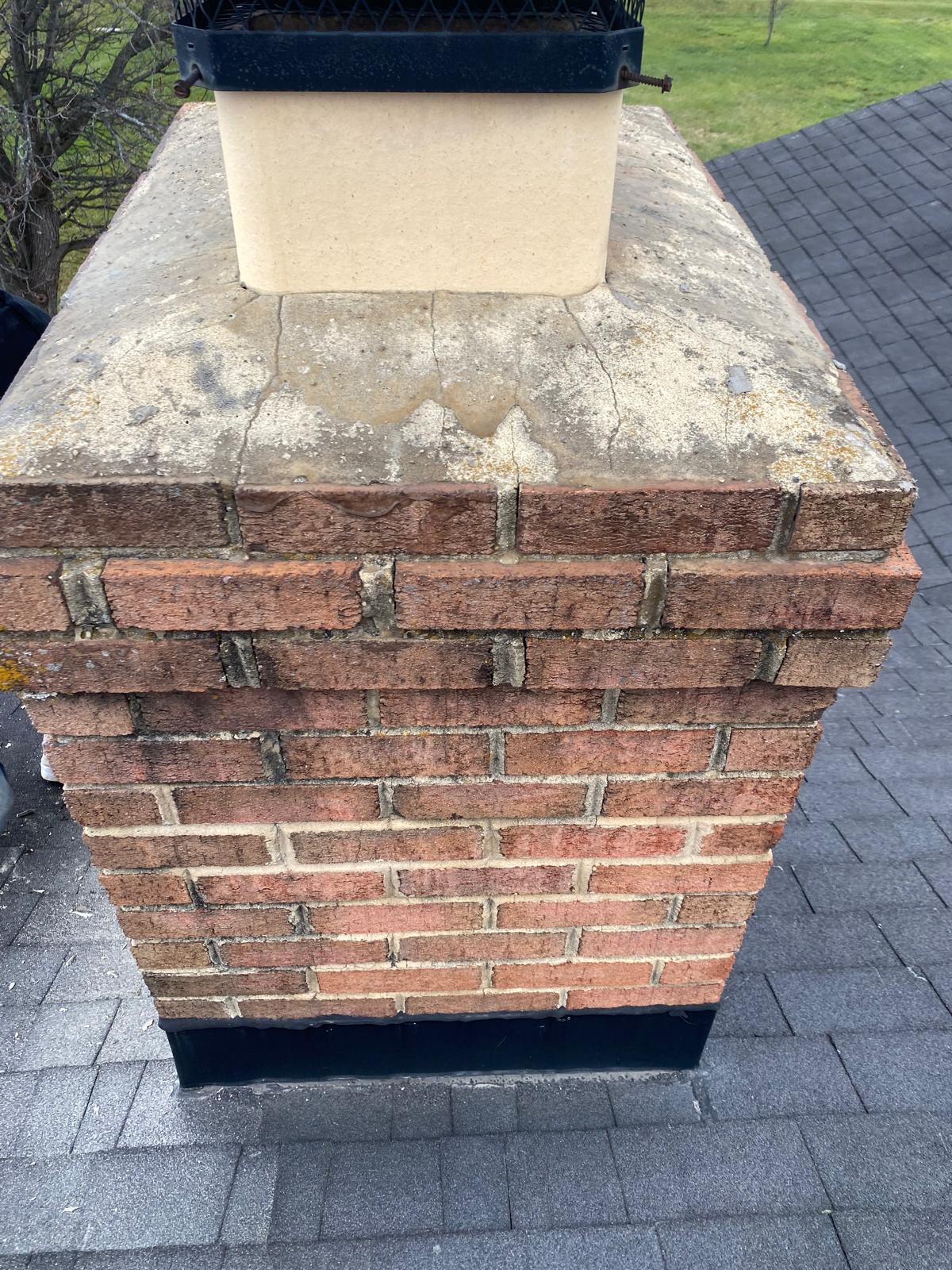
Masonry Issues: Loose bricks, cracked mortar, or even deteriorating flue liners can shift or settle, causing creaks, groans, or other subtle sounds. While not always a direct result of fire, these structural issues can be exacerbated by the expansion and contraction of the chimney due to heat and can create potential entry points for water or pests.
Foreign Objects: Occasionally, we find items that have accidentally fallen into the chimney, from children’s toys to construction debris. These can cause an array of noises, from rattling to muffled thuds, depending on their size and composition.
Our comprehensive inspections are designed to identify these hidden issues. We go beyond just the visual to ensure we understand the full story of what’s happening within your flue. This thorough approach is vital for maintaining safety, especially in a dense urban environment like Los Angeles, where proximity to neighbors means a chimney fire can have severe consequences.
The DD Chimney Cleaning Inspection: Decoding the Sounds
When you hear that telltale crackling, or any other unusual noise emanating from your fireplace, it’s time to call in the professionals. At DD Chimney Cleaning, we don’t just scrape away soot; we perform a thorough diagnostic. Our process is straightforward and designed to give you peace of mind, knowing exactly what’s going on inside your chimney.
Our certified technicians use specialized tools and extensive knowledge to effectively assess the condition of your chimney. This includes:
- Visual Inspection: We start with a detailed visual examination of the firebox, smoke chamber, smoke shelf, and accessible areas of the flue. We’re looking for the presence and type of creosote, signs of damage to the masonry, and any obstructions.
- Tools of the Trade: For a more comprehensive look, especially at the higher reaches of the flue, we utilize high-powered lights and mirrors. In some cases, we may employ video inspection cameras. These cameras can travel up the entire length of the flue, providing high-definition footage of the interior lining, allowing us to spot hairline cracks, gaps in mortar joints, or liner damage that might be invisible to the naked eye. This level of detail is critical for identifying the root cause of many unusual sounds.
- Draft Testing: We can assess how well your chimney drafts, identifying potential airflow issues that contribute to creosote buildup and smoke spillage. A properly drafting chimney is a safer chimney.
- Damper Check: We ensure your damper is functioning correctly, seals properly, and is free from obstructions.
This detailed approach allows us to go beyond simply hearing a noise and pinpoint its origin. Whether it’s the unmistakable sign of Stage 2 creosote, a squirrel’s nest precariously perched on a baffle, or loose masonry settling, we’ll diagnose it. For instance, the distinct metallic *ting* or *clink* might be a loose damper, while a persistent *sizzle* could be small amounts of moisture interacting with hot creosote. The louder, more aggressive *bang* or *pop* is often indicative of significant creosote buildup that is becoming a serious fire risk. Our expertise in identifying these subtle distinctions is what sets DD Chimney Cleaning apart. We understand that your home in Los Angeles is a significant investment, and protecting it is our top priority. We’ve seen it all, from the sprawling residences of Pacific Palisades to the historic homes nestled in the hills of Silver Lake, and we are prepared to address the unique challenges each presents. For related services, Air Duct Cleaning service in Los Angeles, California offers excellent solutions.
Preventing the Crackle: Proactive Maintenance for Your Los Angeles Chimney
The best way to deal with a crackling chimney is to prevent it from happening in the first place. Regular professional chimney cleaning is not a luxury; it’s a necessity for safety and efficiency. The frequency of cleaning depends on your usage patterns, but a good general guideline, recommended by chimney safety organizations, is to have your chimney inspected and cleaned at least once a year, and more often if you use your fireplace frequently, especially in the cooler months. Even in milder Los Angeles winters, a few cold snaps can lead to significant fireplace use.
Here’s how proactive maintenance, like the services offered by DD Chimney Cleaning, directly combats the issues that cause crackling:
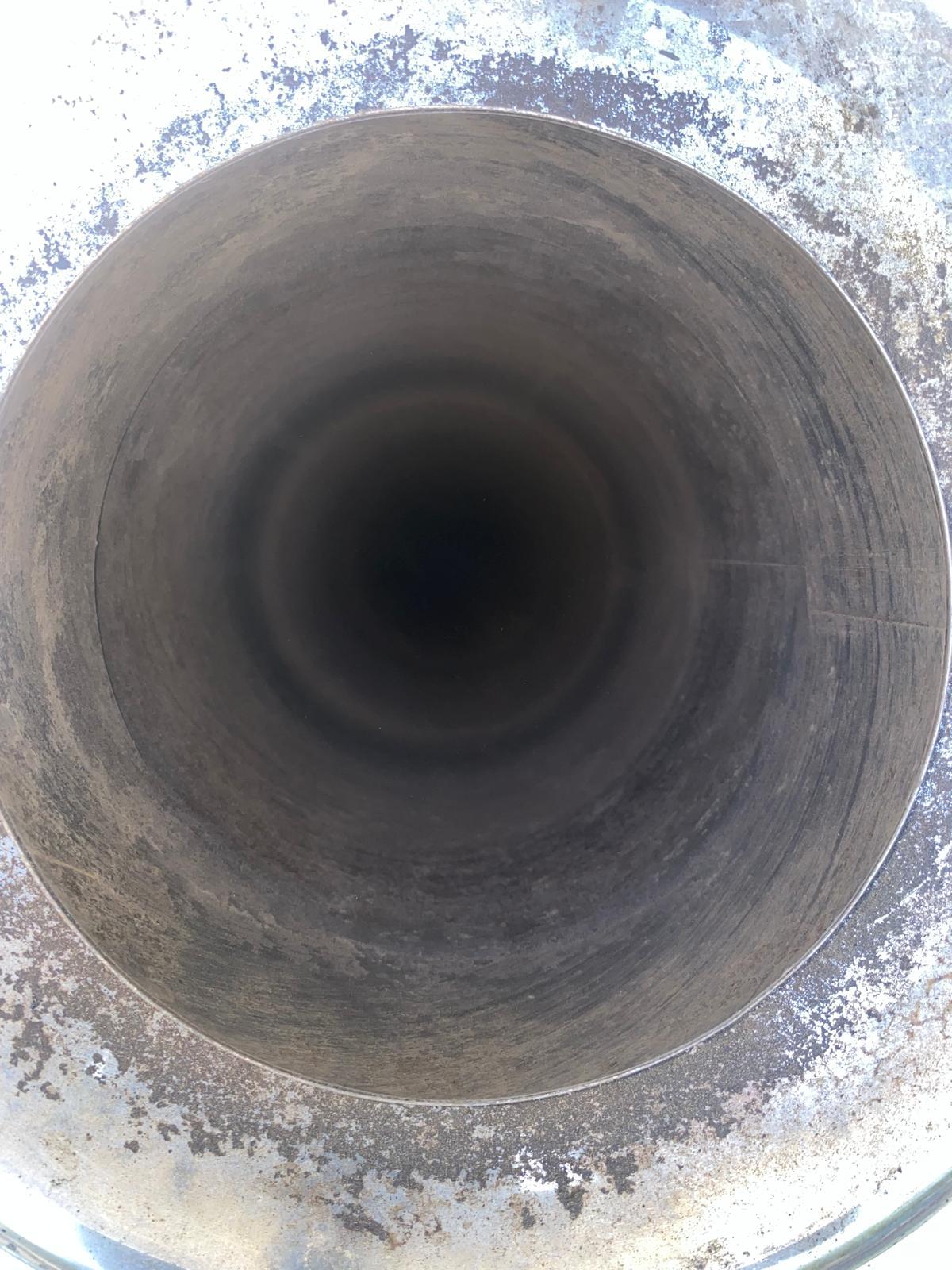
- Creosote Removal: Our primary function is to safely and effectively remove all levels of creosote buildup. By scraping away the hardened tar-like substance, we eliminate the fuel source for dangerous chimney fires and remove the cause of most crackling sounds.
- Obstruction Clearing: We remove nests, debris, and other obstructions, ensuring proper airflow. This prevents smoke and toxic gases from backing up into your home and also removes potential sources of strange noises.
- Early Detection of Damage: During our cleaning, we are also meticulously inspecting your chimney’s structure. Identifying minor cracks in the flue liner, loose mortar, or damaged dampers early on allows for timely repairs before they become major, costly problems, and before they start to cause audible warnings.
- Improved Fireplace Performance: A clean chimney drafts better, leading to more efficient and enjoyable fires. You’ll get more heat from less wood, and the experience will be cleaner and safer. This means fewer smoldering fires and therefore less creosote production over time.
- Peace of Mind: Knowing that your chimney has been professionally cleaned and inspected by experts provides invaluable peace of mind, especially for families living in densely populated areas like Los Angeles, where fire safety is a constant concern. Our commitment to thoroughness means you can relax and enjoy your fireplace, confident that it’s operating safely.
Consider the sheer variety of homes in the Greater Los Angeles area. We serve a broad range of neighborhoods, from the historic homes of Pasadena with their sometimes-temperamental flue systems, to the modern residences of Santa Monica that may have unique architectural designs affecting airflow. Every chimney has its own story, and regular attention from a professional like DD Chimney Cleaning in Los Angeles is key to keeping it a happy, quiet story. The same principles of safety apply regardless of whether you’re in Los Angeles, DD Chimney Cleaning in Philadelphia, or even DD Chimney Cleaning in Detroit – proper maintenance is universal.
Frequently Asked Questions About Chimney Sounds
Q1: How often should I have my chimney cleaned in Los Angeles?
The general recommendation is at least once a year. However, if you use your fireplace heavily (more than a few times a week during colder months), or if you burn unseasoned wood, you may need more frequent cleanings, perhaps twice a year. We can assess your usage and advise on the best schedule for your specific needs. We recommend checking out visit their website for additional roofing needs.
Q2: Can the “crackling” sound mean my chimney is about to catch fire?
Persistent and loud crackling, especially when accompanied by a strong, burning smell or excessive smoke coming back into the room, can be a warning sign of significant creosote buildup, which greatly increases the risk of a chimney fire. It’s a signal to have your chimney inspected and cleaned immediately. Ignoring these sounds is a serious gamble with your home’s safety.
Q3: I only use my fireplace occasionally. Do I still need cleaning?
Yes. Even occasional use can lead to creosote buildup over time, especially if you burn wood that isn’t fully seasoned. Additionally, even when not in use, chimneys can become home to animal nests or collect debris that can become a fire hazard when you do start a fire. Annual inspections are recommended regardless of usage frequency.
Q4: What is the biggest risk associated with creosote buildup?
The biggest risk is a chimney fire. Creosote is highly flammable, and when a spark or ember ignites it, the resulting fire can spread rapidly up the flue, potentially igniting the surrounding structure of your home. Chimney fires can cause extensive damage, compromise the integrity of your chimney, and pose a severe threat to life.
Q5: What should I do if I hear a loud popping or banging sound from my chimney?
If you hear loud popping or banging sounds, especially when a fire is burning, it’s an immediate cause for concern. Reduce or extinguish the fire if possible, ensure everyone is out of the immediate vicinity of the fireplace, and call a professional chimney sweep like DD Chimney Cleaning immediately. Do not attempt to use the fireplace again until it has been inspected.
Q6: Can I clean my chimney myself?
While some homeowners attempt DIY cleaning, it is generally not recommended. Chimney cleaning requires specialized tools, knowledge of chimney structures, and the expertise to identify potential hazards like cracks in the flue liner or structural damage. Professionals have the training and equipment to perform a thorough and safe cleaning, ensuring all creosote and debris are removed effectively and that your chimney is structurally sound. Incorrect cleaning can leave dangerous deposits behind or even damage your chimney.
Don’t let strange chimney sounds leave you guessing about your home’s safety. If you’re hearing crackling, popping, or any other unusual noises from your fireplace, it’s a clear indication that your chimney needs professional attention. At DD Chimney Cleaning, we specialize exclusively in comprehensive chimney cleaning services for homes across Los Angeles. Our experienced technicians are equipped to diagnose and resolve any issue, from heavy creosote buildup to hidden obstructions. Protect your home and family by scheduling a professional chimney cleaning today. Call us at (833) 339-6803 to book your appointment and ensure your fireplace operates safely and efficiently all year round.