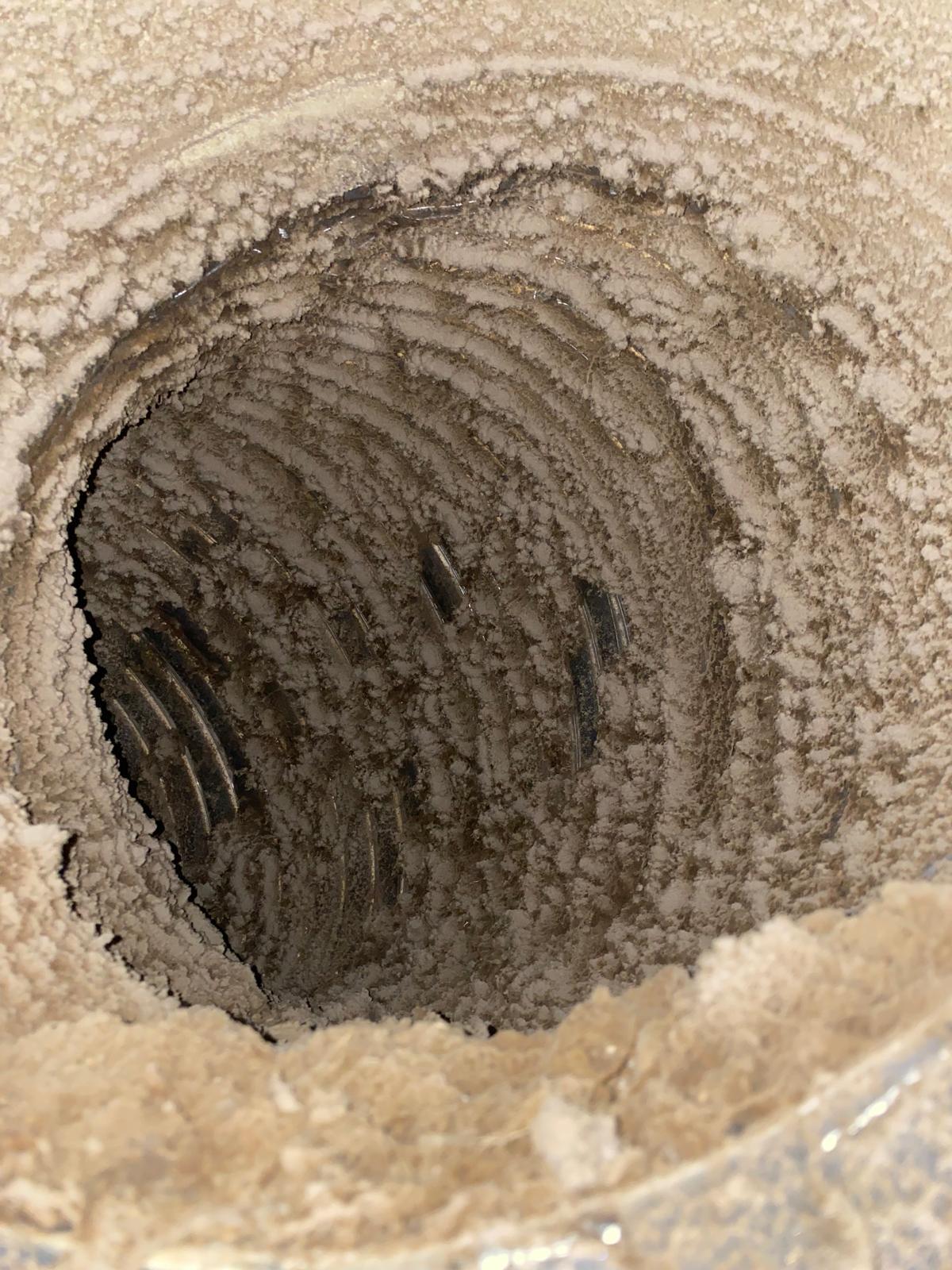
Did you know that the faint, sometimes unsettling, smell emanating from your chimney might be more than just a minor annoyance? In the vibrant, diverse, and sometimes smoggy landscape of Los Angeles, unusual chimney odors can be a significant indicator of underlying issues that demand immediate attention. Ignoring these olfactory warnings can lead to serious safety hazards, costly repairs, and compromised air quality in your home.
The Chimney’s Silent Signals: What Those Odors Truly Mean
Your chimney isn’t just a structural element; it’s a vital part of your home’s ventilation system, designed to safely expel smoke, gases, and combustion byproducts. When something goes awry, it often sends out signals, and in the case of your fireplace or wood stove, these signals are frequently olfactory. In a city as sprawling and varied as Los Angeles, from the coastal breezes of Santa Monica to the inland heat of the San Fernando Valley, understanding these odors is crucial for homeowners. These aren’t just random smells; they are often a direct consequence of incomplete combustion, creosote buildup, animal intrusions, or even structural problems.
The “hiss” you might be trying to decode isn’t always an audible sound; it’s a metaphorical representation of the warning signals your chimney is trying to send. Consider the average Los Angeles home, often equipped with modern HVAC systems that are finely tuned for efficiency. Yet, many still possess the charm of a fireplace, a nostalgic nod to a time before central heating. When this fireplace is used, or even when it’s simply exposed to the elements, it can become a source of unpleasant aromas. These can range from mildly musty to acrid and chemical, each pointing to a different culprit lurking within the chimney structure. The urgency to address these smells stems from the fact that what causes the odor is often the same thing that poses a fire risk or health hazard.
According to the National Fire Protection Association (NFPA), chimney fires are a significant concern, and a substantial percentage of them are caused by creosote buildup. Creosote, a highly flammable byproduct of burning wood, can accumulate inside the chimney flue like a tar-like substance. When it ignites, it can spread rapidly and cause extensive damage. The smell of burning creosote is distinctive and alarming, often described as a strong, acrid, smoky odor. However, before a full-blown fire, even less intense smells can indicate that creosote is forming and building up, silently increasing the risk with every use of your fireplace.
Beyond the immediate fire hazard, lingering chimney odors can also impact the air quality within your Los Angeles home. In a region already battling environmental concerns, introducing noxious fumes indoors is counterproductive. These odors can be exacerbated by specific weather patterns common to Southern California, such as Santa Ana winds, which can alter air pressure and potentially force smoke back down the chimney. This means that an odor that might seem manageable during a normal day could become significantly more potent and problematic when the winds pick up, turning a minor inconvenience into a pressing issue.
Creosote: The Silent and Flammable Culprit
The most common and dangerous source of chimney odors is undoubtedly creosote. When wood burns, it releases unburned hydrocarbons that cool and condense on the inner walls of the chimney flue. This sticky, tar-like substance, creosote, can be present in three distinct forms, each with its own level of danger and associated smell:
- Stage 1: Flaky Creosote: This is the least dangerous form, appearing as a powdery or flaky black residue. It typically has a mild, sooty smell and indicates that some creosote is forming, but the flue is likely still functioning reasonably well. However, even this stage signals the need for proactive cleaning.
- Stage 2: Tar-like Creosote: As more combustion occurs, the creosote becomes thicker and more tar-like, resembling hardened asphalt. This stage is significantly more flammable and emits a stronger, more pungent smoky odor. It begins to obstruct airflow, making fires less efficient and increasing smoke backup.
- Stage 3: Glazed Creosote: This is the most dangerous form. It’s a hard, brittle, almost glass-like substance that adheres tightly to the flue walls. Glazed creosote is extremely flammable and difficult to remove, often requiring specialized tools and techniques. The smell associated with this stage can be intense, acrid, and metallic, signaling a critical need for professional intervention.
The rate at which creosote forms depends on several factors, including the type of wood burned (hardwoods like oak generally produce less creosote than softwoods like pine), how efficiently the fire is burning (a smoldering fire produces more creosote), and how frequently the fireplace is used. In Los Angeles, where many homeowners enjoy cozying up by the fire during cooler evenings or special occasions, consistent and proper maintenance is paramount. A chimney inspection by a professional, such as those offered by DD Chimney Cleaning in Los Angeles, can assess the stage of creosote buildup and recommend the necessary cleaning or repair.
The urgency surrounding creosote is underscored by statistics. According to industry experts, a creosote buildup as thin as 1/8th of an inch can significantly increase the risk of a chimney fire. Imagine that – a layer of residue thinner than a fingernail can turn your beautiful fireplace into a fire hazard. This is why regular professional chimney sweeps are not just about aesthetics; they are about safety, especially in older homes common in neighborhoods like Pasadena or Hancock Park, which might have original masonry chimneys that require specific care.
The Musty Menace: Dampness and Decomposition
Beyond the direct results of combustion, a musty or earthy smell can also be a harbinger of problems. This odor is often indicative of moisture issues within the chimney structure or the fireplace itself. In a climate like Los Angeles, while known for its sunshine, occasional rainstorms and high humidity can still lead to problems, especially if the chimney isn’t properly sealed or if there are leaks in the chimney cap or crown.
Moisture creates an ideal environment for mold and mildew growth. These microscopic organisms thrive in damp, dark spaces, and the interior of a chimney is no exception. As mold and mildew proliferate, they release spores into the air, resulting in that characteristic musty smell. This can be particularly concerning in homes with compromised ventilation systems, as these spores can be circulated throughout the house, potentially affecting the health of residents, especially those with allergies or respiratory sensitivities. For instance, in areas prone to fog, like those closer to the coast in the South Bay, constant dampness can accelerate these issues.
Furthermore, moisture can contribute to the deterioration of the chimney’s masonry. Bricks and mortar can absorb water, leading to freeze-thaw cycles (though less common in much of LA, can still occur in higher elevations during colder spells) or structural weakening. This can manifest as crumbling mortar, spalling bricks, and an increased susceptibility to water penetration, perpetuating the musty smell and exacerbating the structural problems. Addressing dampness and preventing mold growth is as crucial as removing creosote for the long-term health and safety of your chimney and home.
Uninvited Guests: Wildlife and Blockages
The vast outdoor spaces and occasionally neglected areas around homes in Los Angeles, even within densely populated areas, can attract wildlife. Birds, squirrels, raccoons, and even bats can find their way into chimneys, especially if the chimney cap is damaged or absent. Their nesting materials, droppings, and even the decomposing bodies of deceased animals can create foul odors that can permeate your home.
Bird nests, in particular, are common culprits. They are often made of dry, flammable materials and can restrict airflow. The accumulated droppings can also be acidic and corrosive, damaging the chimney liner over time. The smell from animal intrusion can vary widely, from a musky, animalistic odor to the unpleasant smell of decomposition. This is not only a nuisance but also a potential health hazard, as animal droppings can carry diseases and parasites. For those with chimneys in areas bordering open spaces, like parts of the Santa Monica Mountains foothills, this is a heightened concern.
Blockages from debris, such as leaves and branches that have fallen into the chimney, can also contribute to odors. When fires are lit, smoke struggles to escape, leading to smoke backup into the home, carrying with it the smell of the accumulated debris. This is why regular inspections that include checking for obstructions are vital. Think of it like a clogged drain in your kitchen sink; eventually, unpleasant odors start to surface. A chimney functions similarly, and a blockage means the system isn’t doing its job effectively, leading to more than just a bad smell.
The urgency to remove animal intrusions and clear blockages stems from both the odor and the immediate safety risks. A blocked chimney can cause carbon monoxide, a colorless and odorless gas, to back up into your home, posing a deadly threat. While you can’t smell carbon monoxide, the other odors associated with the blockage serve as a crucial warning that the chimney’s ventilation is compromised. Prompt removal and repair are therefore non-negotiable.
When to Call the Professionals: Recognizing the Urgency
In Los Angeles, where property values are high and the investment in homes is significant, neglecting chimney maintenance can lead to costly damages that far outweigh the cost of regular service. The warning signs of chimney problems are often subtle, but the consequences of ignoring them can be catastrophic. If you detect any of the following, it’s time to act immediately:
- Persistent, strong smoky odors: This is the most obvious sign of creosote buildup or poor ventilation and is a direct indicator of a potential fire hazard.
- Musty or moldy smells: This suggests moisture intrusion and potential mold growth, impacting air quality and the structural integrity of your chimney.
- Unpleasant animalistic or decomposition odors: This points to wildlife intrusion and the need for removal and potential deterrent measures.
- Visible soot or tar-like deposits on the fireplace or in the flue: This is a visual confirmation of creosote buildup.
- Difficulty getting fires to draw properly, or excessive smoke in the room: This indicates a blockage or airflow problem that needs immediate attention.
- Any odor that seems unusual or concerning, especially after periods of disuse: Your chimney can harbor hidden issues, and any new or persistent smell warrants an inspection.
The timeframe for addressing these issues is critical. Waiting for the odor to worsen or for a small problem to become a large one is a gamble with your safety and your home. For instance, a chimney fire can spread incredibly quickly, often within minutes. The initial smell of burning creosote is a stark warning that requires immediate action. Even less dramatic odors, like a persistent musty smell, can indicate damage that, if left unchecked, could lead to water damage or structural compromise, necessitating expensive repairs to the masonry or liner. This is where professional expertise becomes indispensable. Companies like DD Chimney Cleaning in Boston, while serving a different region, understand the universal principles of chimney safety and the critical nature of addressing odors promptly.
In a bustling metropolis like Los Angeles, with its unique climate and architectural styles, homeowners need reliable professionals who understand the specific challenges. Whether you’re in the heart of Downtown LA, the leafy suburbs of the Westside, or the sun-drenched communities of the Valley, your chimney deserves expert care. The urgency is amplified by the fact that these issues can develop silently. What starts as a faint smell might be the precursor to a serious problem. A proactive approach, including annual inspections, is always the wisest investment. Remember, when it comes to your chimney, ignoring the “hiss” of bad smells can lead to a roar of disaster.
Frequently Asked Questions About Chimney Odors
Q1: What is the most common cause of chimney odors?
A1: The most common and dangerous cause of chimney odors is the buildup of creosote, a highly flammable substance produced during the burning of wood. This creosote can emit a strong, smoky, and acrid smell, and its presence indicates an increased risk of chimney fires. For related services, Locksmith service in Beverly Hills, California offers excellent solutions.
Q2: Can a wet chimney cause odors?
A2: Yes, absolutely. Moisture within a chimney can lead to the growth of mold and mildew, which produces a distinct musty or earthy odor. Additionally, damp conditions can accelerate the deterioration of chimney materials and contribute to other odor-causing issues.
Q3: I smell a strong, unpleasant odor after a recent fire. What should I do?
A3: If you smell a strong, unpleasant odor, especially one that seems unusually smoky or acrid, after a fire, it’s crucial to have your chimney inspected immediately. This could indicate a significant creosote buildup that poses a serious fire hazard. Do not use the fireplace again until it has been professionally assessed.
Q4: Can animals in the chimney cause bad smells?
A4: Yes, animal intrusions are a common cause of foul odors in chimneys. Nests, droppings, and deceased animals within the flue can create unpleasant and sometimes very strong smells that can enter your home. This also poses health risks and can damage the chimney structure.
Q5: How often should I have my chimney inspected and cleaned to prevent odors?
A5: The Chimney Safety Institute of America (CSIA) recommends annual inspections and cleaning as needed. For most homeowners in Los Angeles who use their fireplaces regularly, an annual service is essential to prevent creosote buildup, blockages, and other issues that lead to odors and safety hazards. Even infrequent use warrants an inspection. Homeowners in Los Angeles County have also found great results with learn more.
Q6: I’m smelling gas from my chimney. Is this dangerous?
A6: If you suspect a gas smell, this is a serious emergency. While natural gas itself is typically odorless (odorants are added for detection), a strong gas smell could indicate a leak in your gas fireplace or the gas line. Do not try to diagnose this yourself. Immediately leave the area and call your gas company and emergency services. For wood-burning fireplaces, a strong sulfurous smell could indicate incomplete combustion, which can produce carbon monoxide.
Don’t Let Unpleasant Odors Linger – Protect Your Los Angeles Home Now!
The “hiss” of unpleasant chimney odors is your home’s way of telling you something is wrong. Whether it’s the dangerous threat of creosote, the insidious spread of mold from moisture, or the nuisance of animal intruders, these smells are not to be ignored. In a vibrant city like Los Angeles, maintaining the safety and integrity of your home is paramount. Don’t wait for a minor smell to become a major disaster. Prompt action is key to preventing costly repairs, ensuring your family’s safety, and maintaining healthy indoor air quality. For expert diagnosis and remediation of all chimney odors and issues, trust the professionals. We are dedicated to providing reliable, thorough service to keep your chimney clean, safe, and odor-free.
Call DD Chimney Cleaning today at (833) 339-6803 for an immediate inspection and peace of mind. Let us decode the hiss and ensure your Los Angeles home is safe and comfortable.
Our Chimney Services:
Professional chimney cleaning and chimney inspection services available nationwide. Our CSIA-certified technicians serve Chicago, New York, Boston, Houston, and hundreds of cities nationwide. Call (833) 339-6803 for a free inspection.