Decoding the “Popping” Sound: What’s Happening Inside Your Los Angeles Chimney?
Many Los Angeles homeowners hear it – that strange, unsettling popping or crackling sound emanating from their fireplace. Often, the immediate reaction is to assume it’s just the logs settling. This is a common, though potentially risky, misinterpretation. While some settling is normal, a persistent or unusually loud popping can signal a buildup of creosote, a highly flammable substance that poses a significant fire hazard to your home.
Here at DD Chimney Cleaning, we’ve seen firsthand the consequences of overlooking these auditory cues. Our commitment is to provide expert chimney cleaning services across the diverse neighborhoods of Los Angeles, from the coastal breezes of Santa Monica to the historic charm of Pasadena. Understanding what’s happening within your chimney is crucial for maintaining its safety and efficiency. Let’s delve into the science behind the popping sound and what it truly means for your hearth.
The Science of the Pop: Combustion Byproducts and Creosote
When wood burns in your fireplace, it releases a complex mixture of gases and particles. These byproducts are a natural result of incomplete combustion. Ideally, a well-functioning chimney will vent these gases safely out of your home. However, under certain conditions, these byproducts can condense and accumulate within the chimney flue, forming creosote.
Creosote is a tar-like substance that can exist in various forms, from a flaky, powdery residue to a sticky, tarry liquid, and eventually, a hard, glassy coating. It’s this very substance, when heated and disturbed by rising smoke and air, that causes the popping sound.
How Creosote Forms: The Role of Fuel and Airflow
The formation of creosote is influenced by several factors:
- Type of Fuel: Burning unseasoned or wet wood is a primary culprit. Wood with high moisture content burns less efficiently, producing more smoke and consequently, more creosote. Think about the dense, humid Santa Ana winds that can affect local air quality and humidity levels – this can impact wood drying.
- Insufficient Airflow: A fireplace that doesn’t receive enough oxygen for complete combustion will smolder rather than burn cleanly, leading to increased creosote buildup. This can be due to a damper that’s not fully open, a blocked flue, or even an improperly designed fireplace.
- Burning Habits: Smoldering fires, often used to conserve wood or on milder Los Angeles evenings, contribute significantly to creosote formation.
- Chimney Design and Temperature: Cooler flue temperatures encourage condensation of smoke byproducts, which is a key ingredient in creosote.
When these byproducts ignite or are disturbed within the chimney, particularly when the creosote deposits are present, they can cause small, rapid explosions. This is what you hear as popping or crackling. It’s akin to tiny pockets of unburned fuel or volatile compounds rapidly combusting or vaporizing.
Understanding Different Types of Popping Sounds
Not all popping sounds are created equal, and some may indicate more immediate concerns than others. As experienced chimney sweep professionals, we can differentiate:
Mild, Intermittent Popping
A few isolated pops, especially when a fire is first started and the chimney is still warming up, can be relatively benign. This might simply be residual moisture within the wood or flue being superheated and expanding. However, even this should be monitored. Consistent mild popping is a stronger indicator of creosote formation.
Loud, Persistent Crackling and Popping
This is the sound that should raise immediate red flags. It suggests a significant accumulation of creosote. The louder and more frequent the pops, the thicker and more combustible the creosote layer likely is. This condition significantly increases the risk of a chimney fire, a dangerous event that can spread to your home’s structure.
Explosive “Pops” or Bangs
Rare, but incredibly serious, explosive sounds can indicate a more severe situation. This might occur if a substantial amount of flammable gases has built up and then ignites suddenly. This is an extreme fire hazard.
The Hidden Dangers: Creosote and Chimney Fires
The primary danger associated with creosote buildup is the risk of a chimney fire. Creosote is highly flammable, and when it accumulates to a certain thickness within the flue, it can easily ignite from the heat of a normal fire. A chimney fire burns at extremely high temperatures – often exceeding 2,000°F (1,100°C). This intense heat can:
- Crack or damage flue tiles, exposing your home to fire.
- Cause masonry to deteriorate and crumble.
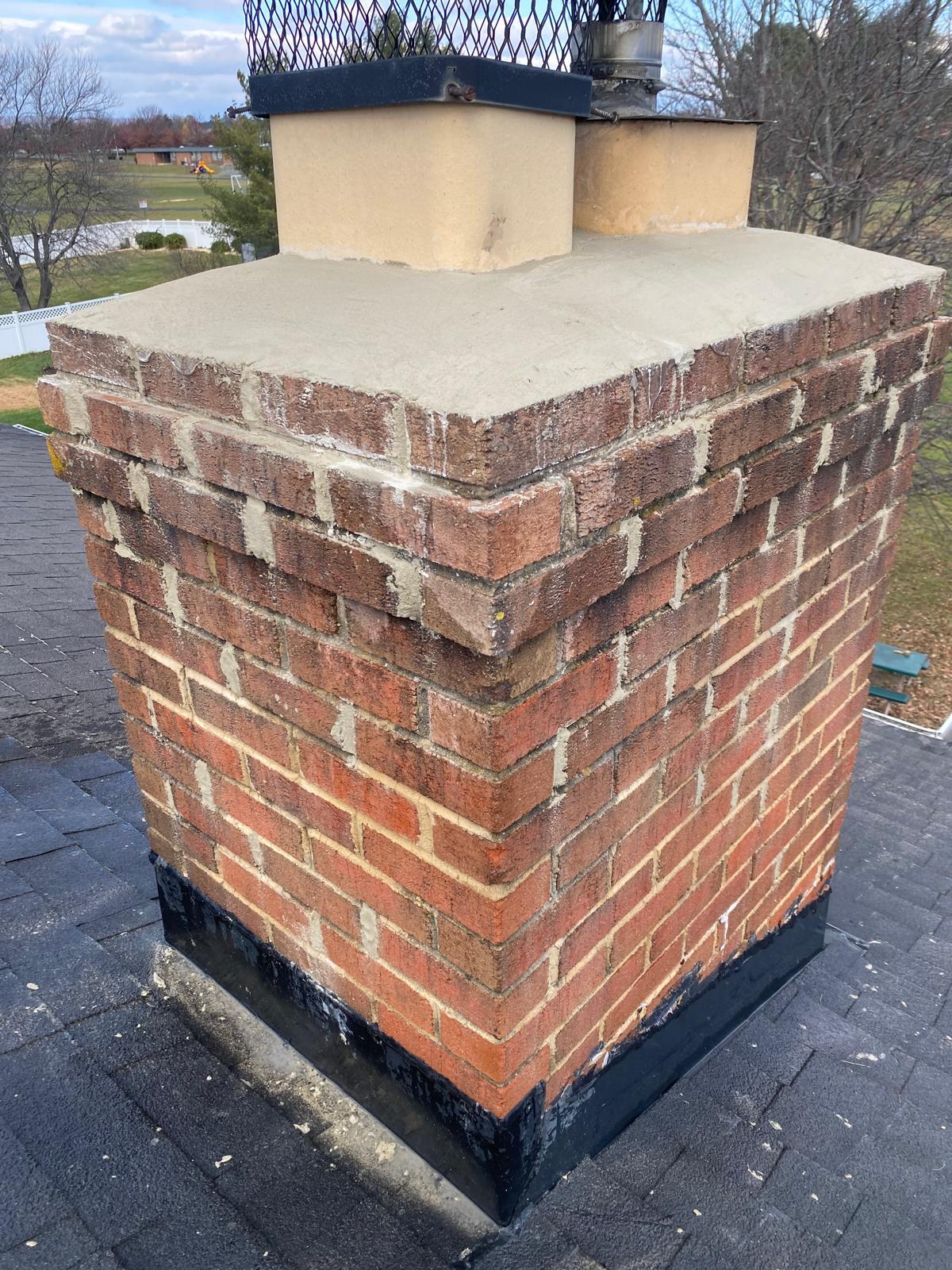
- Damage the chimney structure itself, including the cap, crown, and flashing.
- In severe cases, spread fire to surrounding combustible materials in your attic or walls.
According to the National Fire Protection Association (NFPA), fireplaces, chimneys, and solid fuel-burning appliances are involved in an estimated 22,000 fires each year. Regular chimney cleaning is a proactive measure to prevent these devastating incidents. Our team at DD Chimney Cleaning in Los Angeles takes these statistics seriously, providing thorough inspections and cleaning to safeguard your home.
Preventing the Pop: The Role of Professional Chimney Cleaning
The most effective way to prevent dangerous creosote buildup and the associated popping sounds is through regular professional chimney cleaning. A qualified chimney sweep not only removes creosote but also:
- Inspects the entire chimney system: This includes the firebox, damper, flue liner, smoke chamber, and chimney cap. They look for cracks, blockages, and structural damage that could compromise safety.
- Removes creosote and soot: Using specialized brushes and tools, they meticulously clean the interior of the flue, removing the flammable deposits that cause popping and fire hazards.
- Identifies potential issues early: Catching minor problems before they become major, expensive repairs is a cornerstone of preventive maintenance.
- Ensures optimal draft: A clean chimney allows for proper airflow, leading to more efficient and enjoyable fires.
The frequency of chimney cleaning can vary depending on usage, but for most Los Angeles residents who use their fireplaces regularly, an annual inspection and cleaning are recommended. Even if you only use your fireplace a few times a year, it’s wise to have it inspected periodically. A professional like those at DD Chimney Cleaning in Los Angeles can assess your specific usage patterns and recommend the ideal cleaning schedule.
Consider the unique climate of Southern California. While we may not experience the harsh winters of places like DD Chimney Cleaning in Chicago or DD Chimney Cleaning in New York, our fireplaces still serve as a cozy addition to cooler evenings. Even occasional use generates byproducts that can accumulate. The mild climate doesn’t negate the need for maintenance; it simply shifts the focus to ensuring efficient operation when you *do* choose to light a fire.
When to Call the Experts at DD Chimney Cleaning
Don’t let a popping chimney sound go unchecked. It’s a clear signal that your fireplace system may need attention. If you notice any of the following, it’s time to contact the professionals: If you’re also looking for air duct cleaning help, visit their website is a trusted provider.
- Persistent popping or crackling sounds from the chimney.
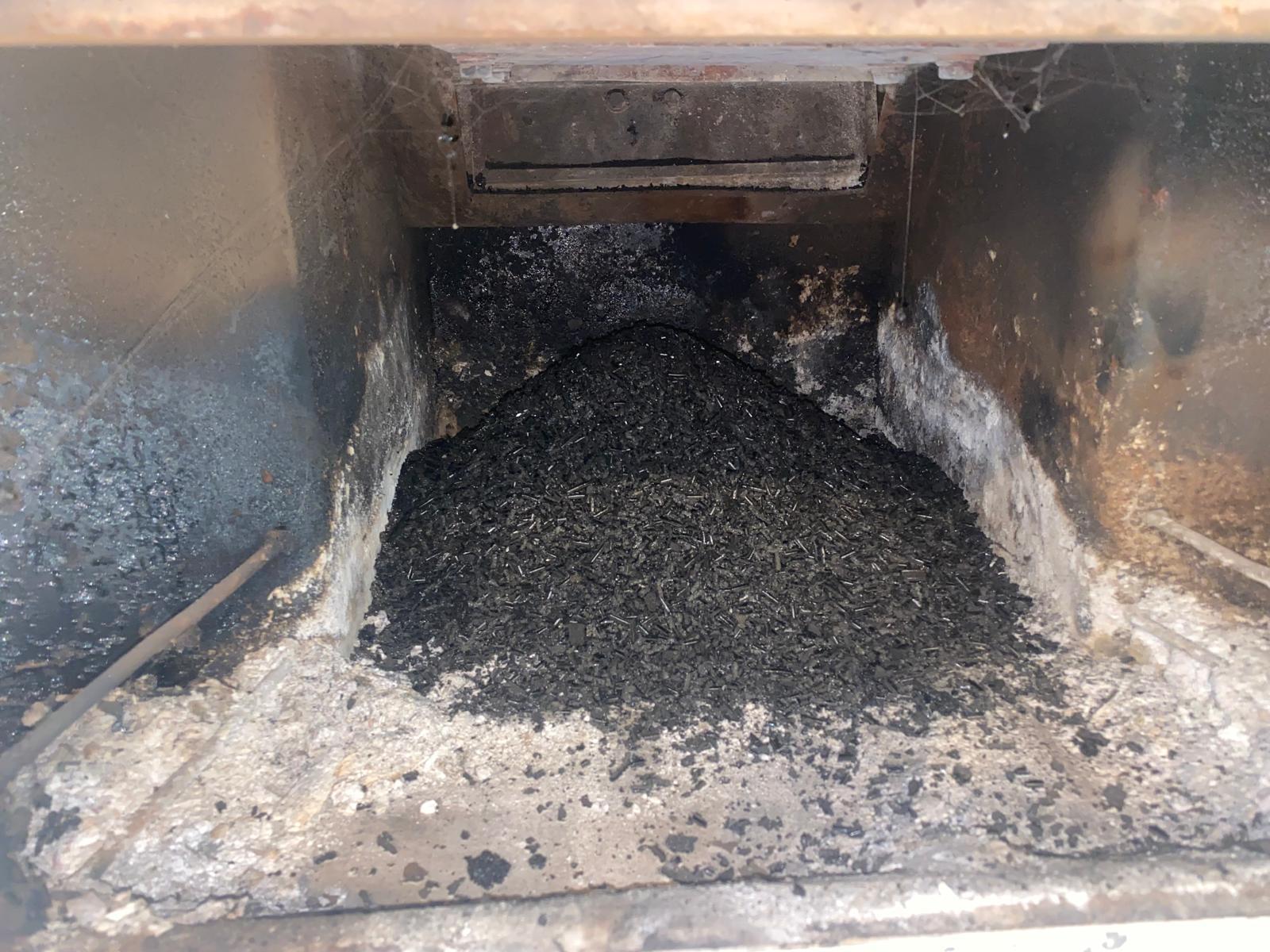
- Visible soot or creosote buildup on the inside of the firebox or damper.
- Difficulty starting a fire or a poor draft that causes smoke to enter the room.
- Unusual odors coming from the fireplace when not in use.
- Any visible damage to the chimney structure, such as cracked bricks or mortar.
At DD Chimney Cleaning, we pride ourselves on our meticulous attention to detail and our commitment to customer safety. Our trained technicians are equipped with the latest tools and knowledge to effectively clean and inspect your chimney. We understand the importance of a safe and efficient fireplace for your home and family.
Ignoring these warning signs can lead to costly repairs and, more importantly, significant safety risks. A routine cleaning by our experienced team can identify potential problems before they escalate, ensuring your fireplace remains a source of warmth and comfort, not a hazard. Don’t wait for a potential emergency; proactive maintenance is key. You can reach us at (833) 339-6803 to schedule your chimney cleaning appointment. If you’re also looking for electrical help, professional electrical Los Angeles County is a trusted provider.
Frequently Asked Questions About Chimney Popping Sounds
Q1: Is a little popping sound normal when I start a fire?
A: Some very minor, intermittent popping, especially as a fire is first being established and the chimney is heating up, can be considered normal and is often due to moisture in the wood or flue. However, if the popping is consistent, loud, or increases as the fire burns, it’s a sign of potential creosote buildup that needs inspection.
Q2: How thick does creosote need to be to be dangerous?
A: Even a 1/8-inch layer of glazed creosote can be highly flammable and pose a significant fire risk. Thicker deposits increase this risk exponentially. Professional chimney sweeps are trained to identify dangerous levels of creosote, regardless of its form.
Q3: Can I clean creosote myself?
A: While some light soot can be brushed away, effectively and safely removing creosote, especially the hardened or glazed forms, requires specialized tools and expertise. Furthermore, a proper inspection of the entire chimney system can only be performed by a trained professional. Attempting extensive DIY cleaning without proper knowledge can be dangerous and may not address underlying issues.
Q4: How often should my chimney be cleaned?
A: The general recommendation is at least once a year, especially for chimneys that are used regularly. However, this can vary based on usage frequency, the type of wood burned, and your specific chimney system. A professional chimney sweep can advise you on the best schedule for your needs.
Q5: What happens during a professional chimney cleaning?
A: A professional cleaning typically involves inspecting the chimney from top to bottom, removing creosote and soot buildup from the flue and firebox using specialized brushes and equipment, and checking for any damage or blockages. It’s a comprehensive safety and maintenance service.
Q6: Can a chimney cap prevent creosote buildup?
A: A chimney cap primarily prevents rain, snow, animals, and debris from entering the flue, which can contribute to moisture issues and blockages that indirectly affect creosote formation. However, it does not prevent the formation of creosote itself; that is a byproduct of combustion.
Don’t Let Popping Sounds Turn into a Fire Hazard!
The unique sound of your fireplace should be a comforting crackle, not a warning pop. If you’re hearing concerning noises from your chimney, it’s essential to have it inspected and cleaned by professionals. Protect your Los Angeles home from the serious risks associated with creosote buildup. Our dedicated team at DD Chimney Cleaning is ready to ensure your chimney is safe, efficient, and hazard-free.
Call us today at (833) 339-6803 to schedule your expert chimney cleaning service!