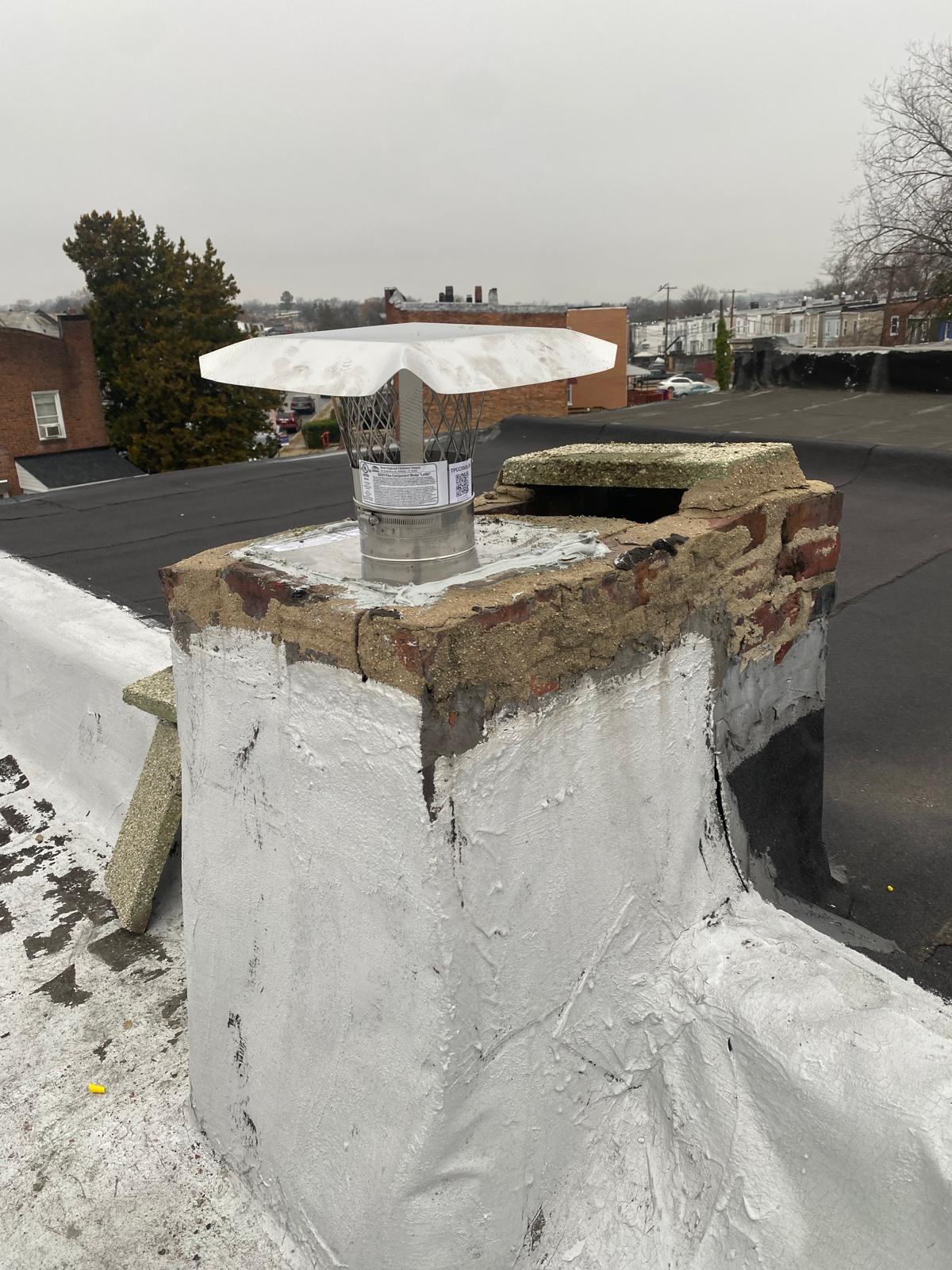
Picture this: a cool evening in Los Angeles, the kind where you finally get to light a cozy fire in your fireplace. You envision warmth, comfort, and perhaps a crackling soundtrack to your evening. But then, a subtle worry creeps in. Maybe you’ve heard a strange noise, or caught a whiff of something unusual, or perhaps it’s just that persistent thought in the back of your mind about the integrity of your chimney. For many homeowners, the chimney, though often overlooked, is a critical component of home safety. And when concerns about its structure arise, particularly regarding something as fundamental as cracked flue tiles, it’s entirely natural to feel a knot of anxiety.
You’re not alone in these concerns. The truth is, identifying and understanding problems like cracked flue tiles can be daunting. There’s a lot of information out there, and frankly, a good deal of misinformation. It’s easy to get confused about what’s a minor issue and what poses a serious risk to your family and your property. That’s why we’re here to help separate fact from fiction, offering clear, empathetic guidance on diagnosing and repairing these crucial components of your Los Angeles home’s chimney system.
Myth vs. Fact: Understanding Cracked Flue Tiles in Your Chimney
Myth #1: “It’s just a tiny crack. It’s probably nothing to worry about.”
Fact: This is perhaps the most dangerous misconception. Even a seemingly small crack in a flue tile is a significant issue. Your chimney flue is designed to contain and safely vent combustion byproducts—like carbon monoxide—and superheated gases from your fireplace or heating appliance out of your home. A crack compromises this crucial barrier. It creates a direct pathway for these dangerous gases to leak into your living spaces, posing an invisible, odorless, and potentially fatal threat to your family. Furthermore, these cracks can allow intense heat and even sparks to escape into the combustible materials (like wooden framing) within your home’s walls, dramatically increasing the risk of a house fire. In a city like Los Angeles, where historic homes often have older chimney structures, the risk from deteriorating flue tiles is particularly acute.
Myth #2: “I can easily spot cracked flue tiles myself with a flashlight from below.”
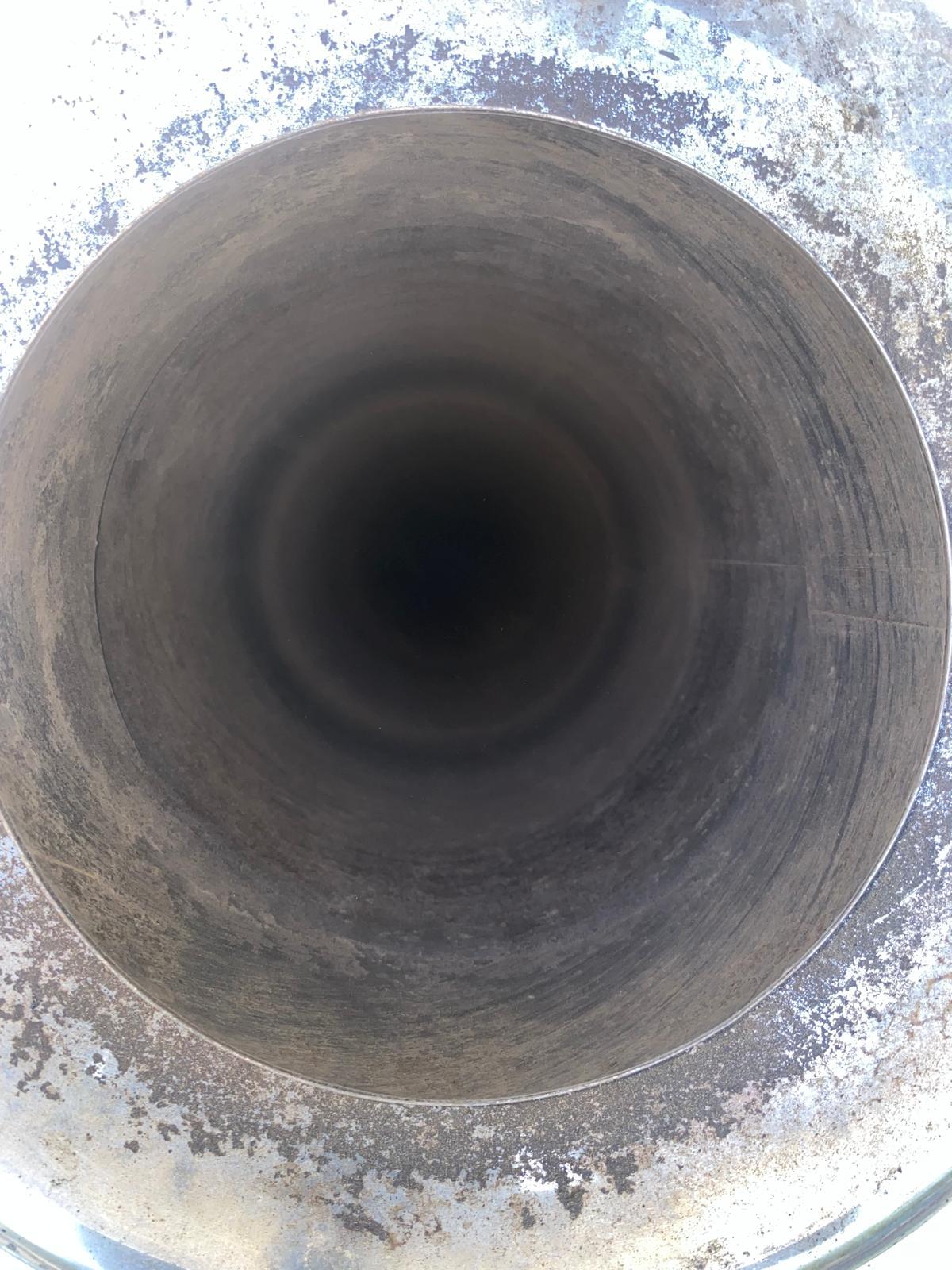
Fact: While you might catch a glimpse of some deterioration from below, a thorough and accurate diagnosis of cracked flue tiles absolutely requires professional expertise and specialized equipment. Flue tiles often crack in areas that are completely out of sight from the fireplace opening or even from the chimney top—deep within the chimney structure, behind smoke chambers or at various heights along the flue liner. Professional chimney technicians use advanced chimney cameras (often called “CCTV chimney inspections” or “Level 2 inspections”) that can traverse the entire length of your flue, providing a detailed, high-definition internal view. This allows us to precisely locate, assess the severity of, and photograph every crack, spall, or void, ensuring no potential hazard goes undetected. It’s a precise diagnostic process, not a simple glance.
Myth #3: “Cracked flue tiles only happen in very old chimneys that haven’t been maintained.”
Fact: While age certainly contributes to wear and tear, and a lack of maintenance accelerates it, cracked flue tiles can develop in chimneys of any age, even those that seem relatively new or well-maintained. The primary culprits are often thermal shock—the rapid heating and cooling cycles that stress the clay—and shifting foundations. Here in Los Angeles, we also have to contend with seismic activity. Even minor tremors, while not always noticeable, can place significant stress on masonry structures, including your chimney, leading to hairline cracks that can expand over time. Water intrusion from an unprotected chimney crown or inadequate flashing during one of our occasional heavy rainfalls can also saturate flue tiles, leading to freeze-thaw damage in colder climates (though less common in LA, moisture still weakens materials) or simply accelerated deterioration. So, even if your home isn’t a historic bungalow in Silver Lake, your chimney isn’t immune.
Myth #4: “DIY repair kits from the hardware store are a good enough solution for flue cracks.”
Fact: The temptation to save money with a quick DIY fix is understandable, but when it comes to flue tiles, it’s a critically misguided approach. The materials used in a chimney flue must withstand extreme temperatures, corrosive combustion byproducts, and significant thermal expansion and contraction. Standard patching compounds, mortars, or sealants found at a typical hardware store are not designed for these conditions. They will likely fail quickly, potentially leaving your chimney even more vulnerable than before. Proper flue repair requires specialized, UL-listed, heat-resistant materials and expert application techniques to ensure the repair is safe, durable, and up to code. This isn’t just about aesthetics; it’s about structural integrity and fire safety.
Myth #5: “All chimney repairs for cracked flues are extremely expensive and require a full rebuild of the chimney.”
Fact: While significant damage might necessitate a more extensive repair or relining, it’s incorrect to assume every cracked flue tile issue demands a complete chimney overhaul. The solution depends entirely on the severity, location, and extent of the cracking. For isolated, minor cracks, specialized heat-resistant refractory sealants or coatings might be a viable and cost-effective solution. More widespread cracking often requires a chimney relining, which typically involves inserting a new, continuous liner—most commonly stainless steel or a cast-in-place refractory material—into the existing flue. This creates a brand-new, safe, and efficient conduit without tearing down the entire chimney structure. A professional inspection will provide a detailed assessment and outline the most appropriate, safe, and efficient repair options tailored to your chimney’s specific condition and your budget.
Myth #6: “I only need to worry about my chimney if I use my fireplace regularly.”
Fact: Even if your fireplace in your Santa Monica craftsman home is more decorative than functional, or your Malibu modern abode uses an alternative heating source, your chimney structure is still exposed to the elements 24/7. Wind, sun, occasional heavy rains, and temperature fluctuations take their toll on the exterior masonry and the internal flue. Pests can build nests, and moisture can infiltrate, leading to deterioration even without the stresses of fire. An unused chimney can still pose a structural risk or become a pathway for water intrusion into your home if its integrity is compromised. Regular inspections, even for rarely used chimneys, are vital for identifying these issues before they escalate into costly and dangerous problems.
Frequently Asked Questions About Cracked Flue Tiles
Q1: How often should I have my Los Angeles chimney inspected, especially for flue tile integrity?
A: The Chimney Safety Institute of America (CSIA) recommends that chimneys, fireplaces, and vents be inspected at least once a year. This annual check-up, whether you use your fireplace regularly or not, is crucial for catching problems like cracked flue tiles early, long before they become serious safety hazards or expensive repairs. Given our local seismic activity and the unique LA climate, an annual professional inspection offers invaluable peace of mind.
Q2: What are some visible signs of a cracked flue tile I might notice in my home?
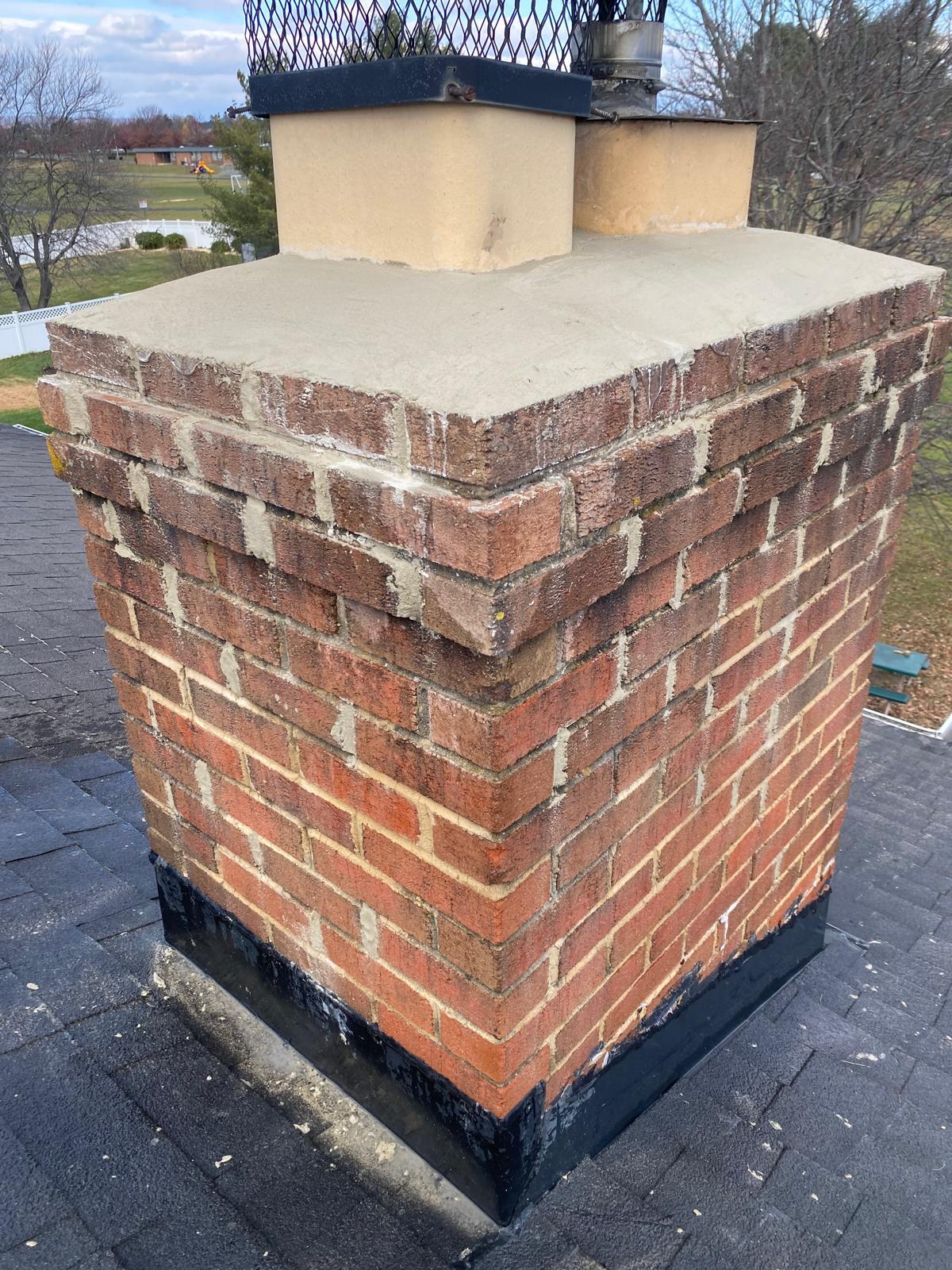
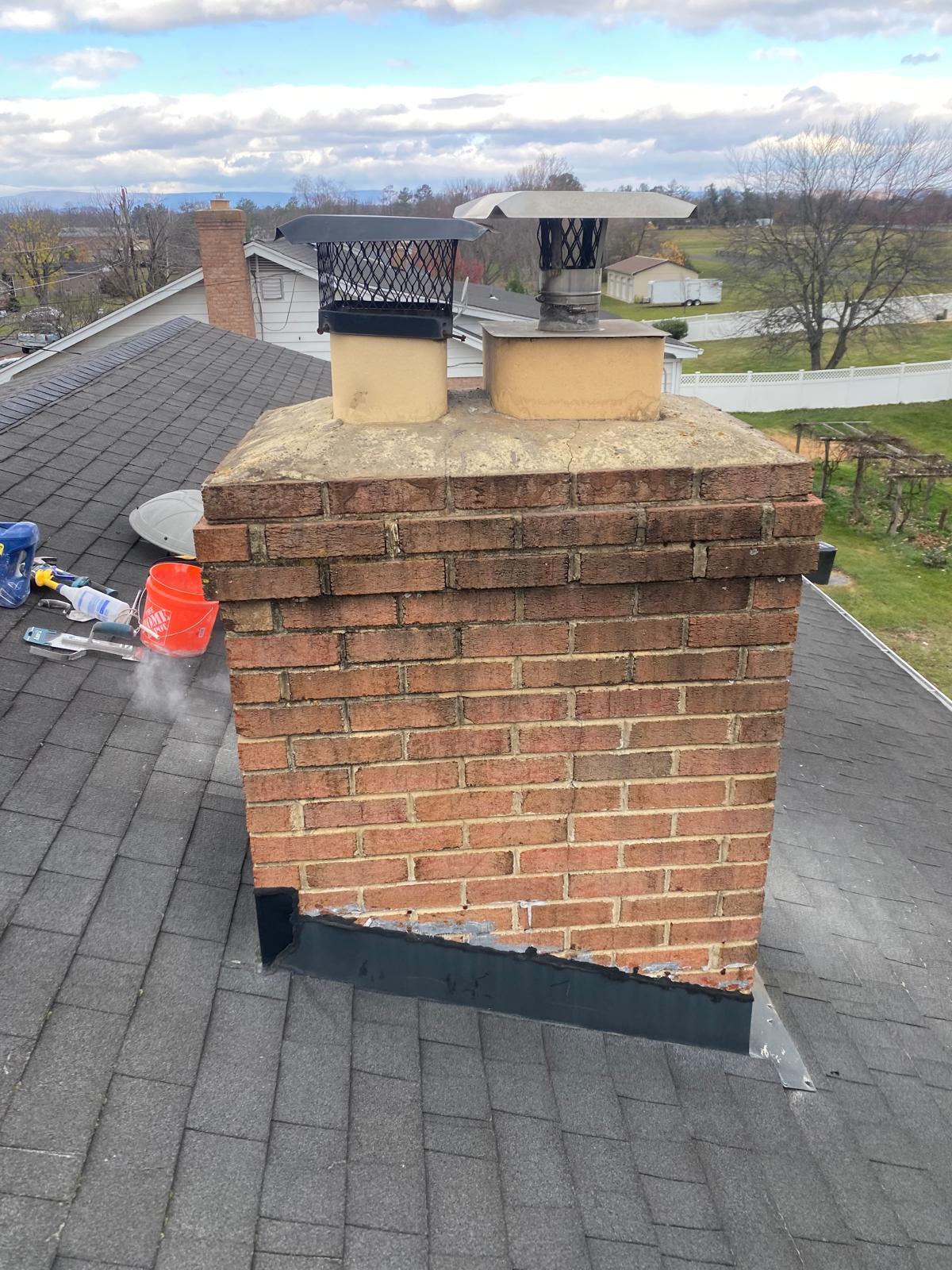
A: While a definitive diagnosis requires professional equipment, you might observe a few indicators. These include a smoky smell or unusual drafts when your fireplace isn’t in use, a noticeable decrease in fireplace efficiency (smoke struggling to rise), or smoke spilling back into your room. On the exterior, cracks in the mortar joints of your chimney, crumbling masonry, or water staining on the chimney stack could also hint at underlying flue issues. However, never rely solely on these external signs; internal inspection is key. Many of our readers also trust learn more for their home service needs.
Q3: Is it safe to use my fireplace if I suspect or know I have a cracked flue tile?
A: Absolutely not. Using a fireplace with a known or suspected cracked flue tile is extremely dangerous. It compromises your home’s safety in two critical ways: it allows deadly carbon monoxide gas to potentially enter your living space, and it creates a direct path for superheated gases and embers to ignite combustible materials within your home’s walls. If you have any suspicion of a cracked flue tile, refrain from using your fireplace immediately and contact a certified chimney professional for an urgent inspection.
Q4: What’s involved in a professional repair for cracked flue tiles?
A: The repair process typically begins with a thorough Level 2 inspection to assess the extent and nature of the damage. For minor, isolated cracks, a refractory coating or sealant application might suffice. For more widespread damage or for safety upgrades, a chimney relining system is often installed. This can involve inserting a new, insulated stainless steel liner into the existing flue or creating a new, seamless flue lining using a specialized cast-in-place refractory mortar. The choice of repair method is always based on a comprehensive assessment of your chimney’s specific condition to ensure the safest and most durable solution.
Don’t let the subtle dangers of cracked flue tiles in your Los Angeles chimney cause unnecessary worry or, worse, become a safety threat. Understanding the realities behind these common issues is the first step toward ensuring your home’s safety and comfort. With the right information and professional assistance, you can address these concerns effectively and enjoy your fireplace with complete peace of mind.
If you’re experiencing any of the concerns mentioned above or simply haven’t had your chimney inspected recently, don’t wait. Protect your family and your Los Angeles home. Reach out to the trusted experts at DD Chimney Cleaning today for a thorough, professional chimney inspection and repair assessment. Our experienced technicians are ready to provide the clear answers and reliable solutions you need. Call us now at (833) 339-6803 to schedule your appointment!