The Shifting Ground Beneath Us: A History of Chimney Resilience in Seismic Zones
For centuries, the comforting hearth and its towering chimney have been central to home life. Yet, for us in Los Angeles, this age-old structure carries a unique vulnerability. Our city sits atop a complex web of fault lines, from the mighty San Andreas to the Puente Hills thrust fault, which have shaped not just our landscape, but also the very way we build our homes. Early chimneys, particularly those built before modern seismic codes, were often constructed with minimal reinforcement, designed primarily for vertical stability against gravity and wind, not the lateral forces of a Richter-scale jolt.
The devastating Long Beach earthquake of 1933, followed by the Sylmar quake in 1971 and the Northridge quake in 1994, served as stark reminders of this fragility. Thousands of chimneys crumbled, posing significant hazards, damaging roofs, and blocking flues. These seismic events weren’t just about structural damage; they highlighted critical safety risks, from carbon monoxide poisoning due to blocked flues to devastating house fires ignited by displaced embers. These experiences fundamentally reshaped California’s building codes, leading to enhanced requirements for chimney reinforcement, proper anchorage, and fire safety measures. The evolution of these standards reflects a crucial, urgent lesson: an unprepared chimney is a hazard waiting for the next tremor.
Before the Tremor: Unstable Chimneys and Urgent Risks
Imagine the serene Hollywood Hills or the bustling streets of Santa Monica. Now, picture an earthquake striking. For many Los Angeles homeowners, the chimney represents one of the most significant and often overlooked hazards. An uninspected, unmaintained chimney is a disaster waiting to happen. Before an earthquake, structural weaknesses can lie hidden, invisible to the untrained eye.
- Cracked Mortar Joints: Decades of expansion, contraction, and subtle settling can lead to weak mortar, allowing bricks to shift during seismic activity.
- Deteriorated Flue Liners: Acidic creosote and heat exposure can degrade flue liners, compromising their structural integrity and potentially causing obstructions or allowing heat transfer to combustibles during a quake.
- Improper or Absent Anchoring: Older homes, especially those built before modern seismic codes, may lack adequate bracing or connections to the main structure, making the chimney a freestanding monument susceptible to collapse.
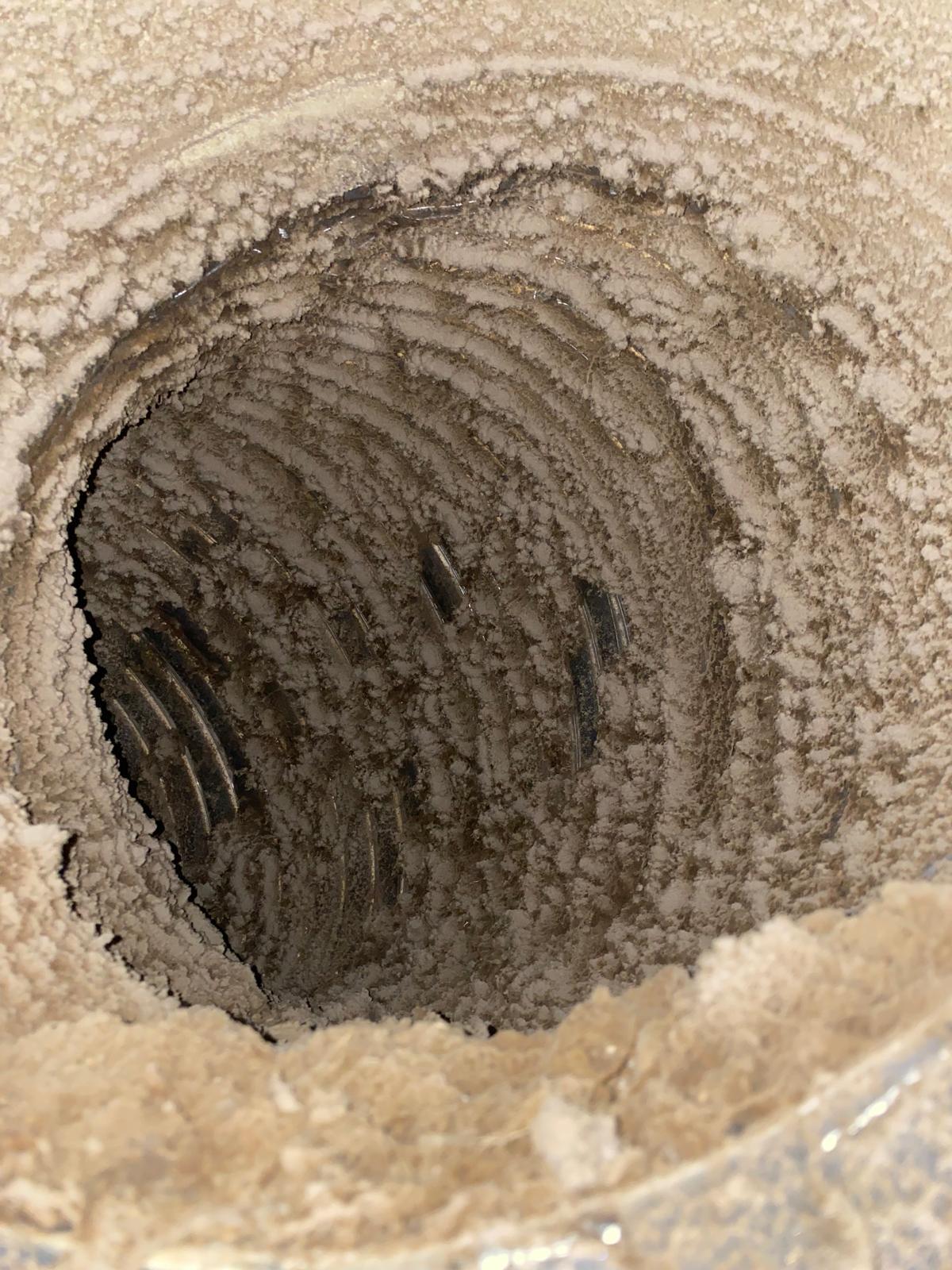
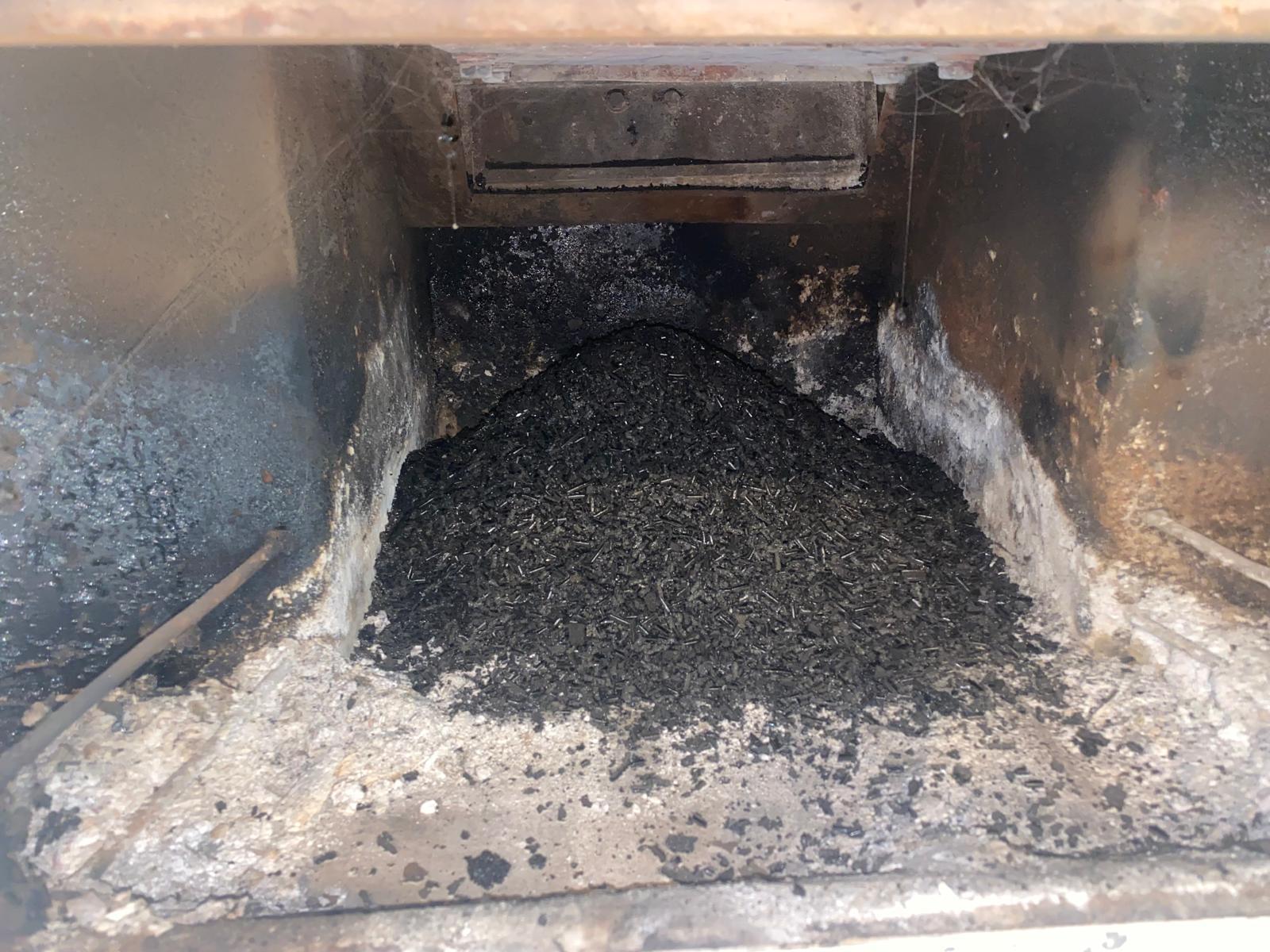
- Accumulated Creosote and Debris: A dirty chimney is not only a fire hazard but can also obscure vital structural cracks during inspections, leading to dangerous internal blockages if dislodged by shaking.
The time to address these vulnerabilities is *now*, before the next seismic event inevitably occurs. USGS data indicates a significant probability of a major earthquake (Magnitude 6.7 or greater) in Southern California in the coming decades, reinforcing the time-sensitivity of preparing your home’s most vulnerable structures.
After the Inspection: Proactive Measures & DD Chimney Cleaning’s Vital Role
The “after” scenario, where you’ve taken proactive steps, is one of enhanced safety and peace of mind. While DD Chimney Cleaning specializes exclusively in comprehensive chimney cleaning, our service is your critical first line of defense in assessing your chimney’s structural stability. During a thorough cleaning, our certified technicians are trained to identify visual indicators of potential seismic vulnerability.
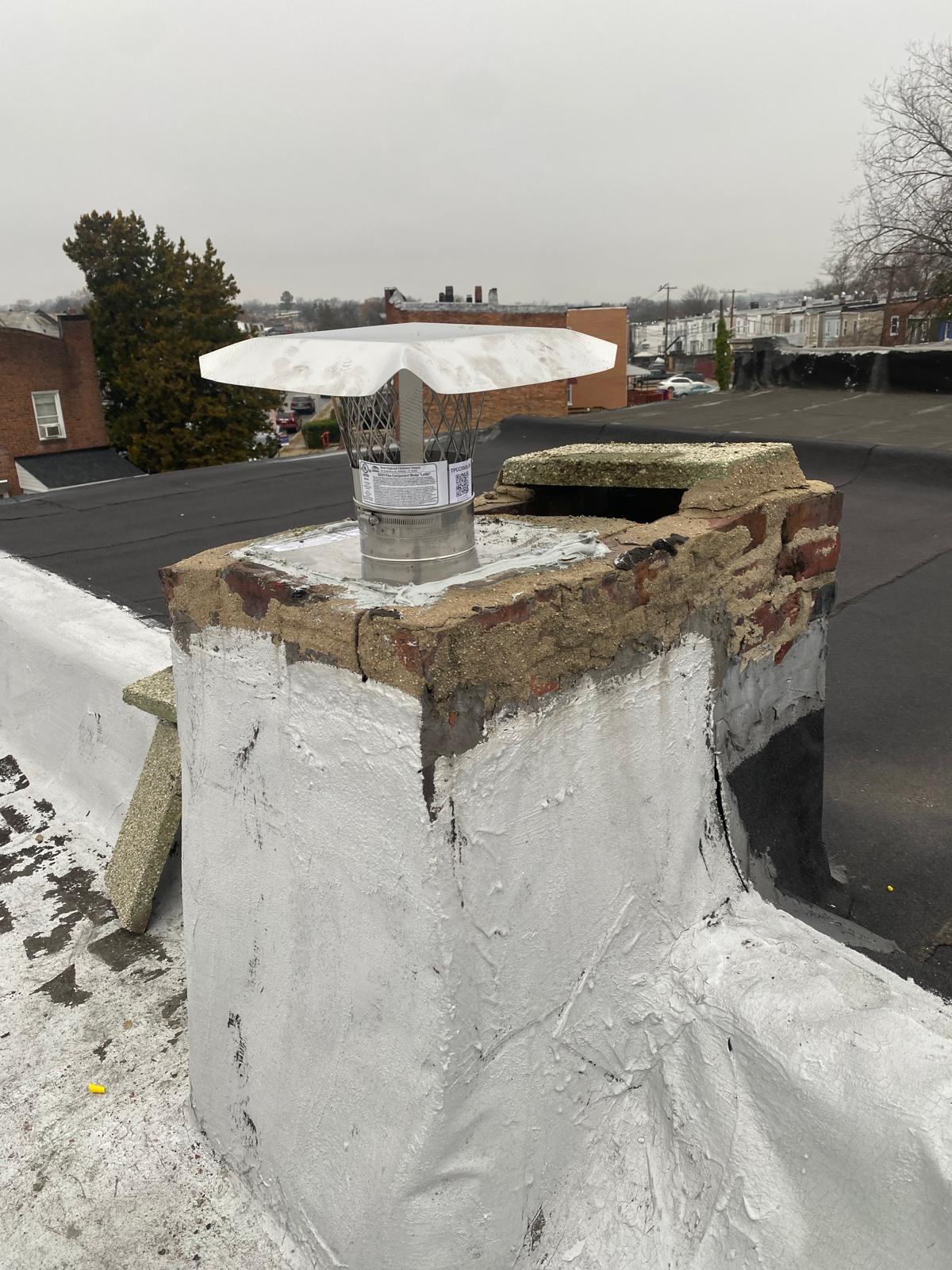
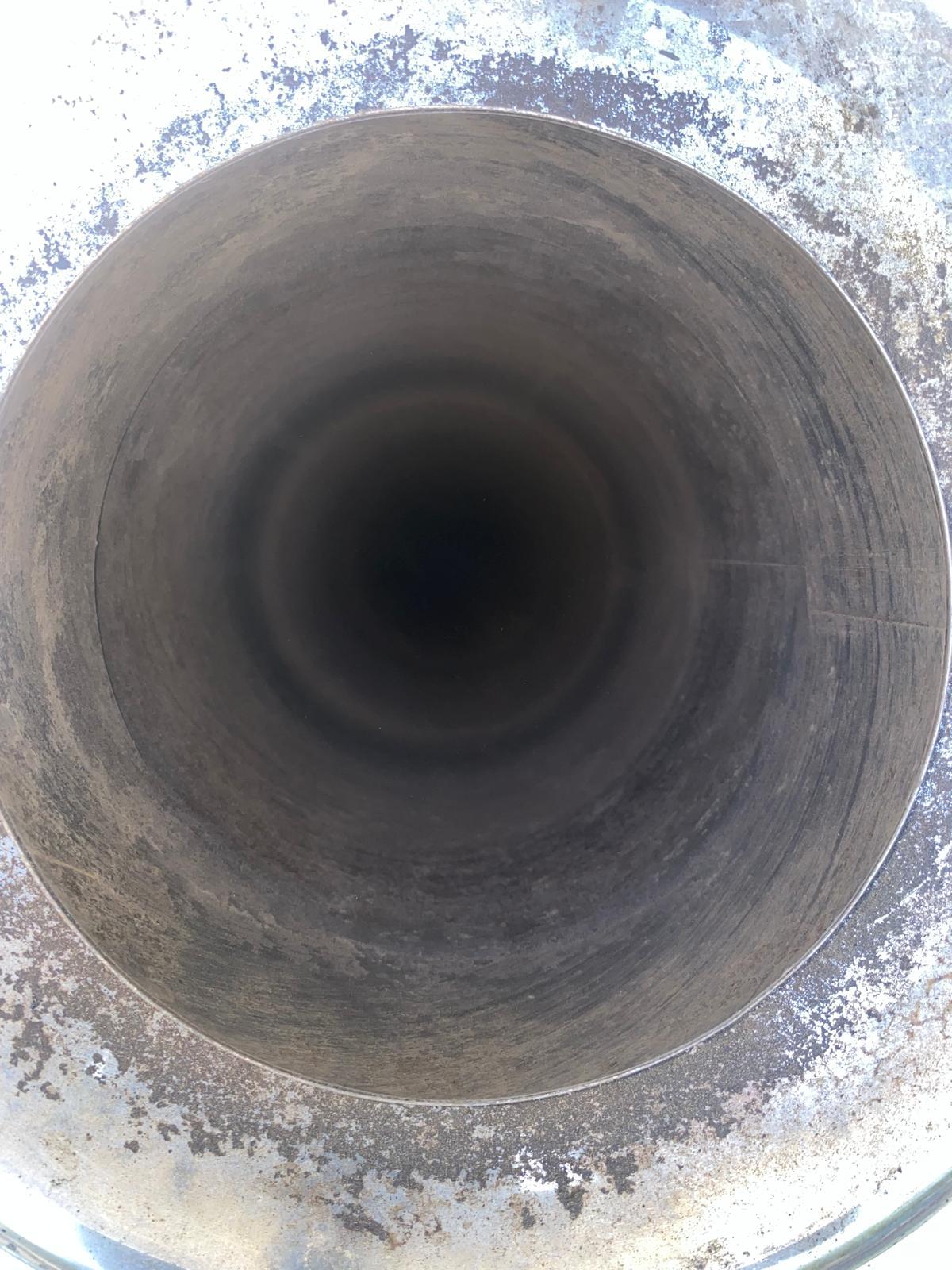
When you choose DD Chimney Cleaning, you’re not just getting a clean flue; you’re getting a professional eye on the internal and external health of your chimney system. We meticulously remove creosote and debris, which not only prevents devastating chimney fires but also allows for a clearer view of the flue liner’s condition. This visual assessment is paramount. Our team can point out signs of deterioration, loose bricks, cracks in the flue tile, or issues with the chimney crown that could compromise its integrity during a quake.
Think of it as preventive maintenance that lays the groundwork for structural resilience. A clean chimney is a clearer chimney, enabling you to better understand its current state. If we observe signs of significant structural compromise or suspect a need for seismic retrofitting, we will strongly recommend that you consult with a qualified structural engineer or masonry expert. Our role is to ensure your chimney is clean, safe from fire hazards, and to help you identify when further specialized attention is required to make it earthquake-resistant. For exceptional DD Chimney Cleaning in Los Angeles, we are your trusted local experts.
The Crucial Role of Regular Chimney Cleaning in Earthquake Preparedness
Many homeowners understandably focus on visible cracks or tilting after a tremor. However, a regular, professional chimney cleaning is an unsung hero in earthquake preparedness. Beyond preventing destructive chimney fires, it offers several critical advantages related to structural integrity:
- Enhanced Visual Inspection: A clean flue allows our technicians at DD Chimney Cleaning to perform a more accurate visual assessment of the internal flue liner. We can spot hairline cracks, spalling, or mortar joint deterioration that might otherwise be hidden under layers of creosote and soot. Identifying these weak points early is key to understanding potential seismic risks.
- Preventing Internal Obstructions: An earthquake can cause internal chimney components, such as loose bricks or deteriorated flue tiles, to shift or fall. If your chimney is already laden with heavy creosote or debris, these dislodged materials can create severe blockages, potentially trapping dangerous carbon monoxide inside your home. A clean chimney significantly reduces the amount of loose material that could obstruct the flue post-quake.
- Maintaining System Integrity: Regular cleaning helps maintain the overall health of your chimney system. By removing corrosive creosote, you prevent accelerated deterioration of the flue liner and masonry, contributing to the chimney’s long-term structural resilience against both everyday wear and tear and unexpected seismic stress.
Don’t wait for the ground to shake to consider your chimney’s stability. Being proactive with your chimney’s health is a non-negotiable step for any Los Angeles homeowner. DD Chimney Cleaning has been serving our community with reliable and thorough chimney cleaning services, ensuring the safety of homes from Santa Monica to Pasadena. We understand the specific challenges faced by homeowners here, as well as in other major seismic areas like New York and Chicago, where we also extend our expert services for chimney cleaning in New York and chimney cleaning in Chicago. Our expertise crosses diverse architectural styles and regional considerations.
To schedule your vital inspection and cleaning, call DD Chimney Cleaning at (833) 339-6803 today. Don’t leave your family’s safety to chance; invest in professional chimney care.
FAQ: Your Chimney & Earthquake Safety
What part of my chimney is most vulnerable during an earthquake?
The chimney crown, the portion above the roofline, and the flue liner are often the most vulnerable. The crown can crack and shed debris, while the flue liner can crack, shift, or collapse internally, creating dangerous blockages.
Can DD Chimney Cleaning repair structural damage or earthquake-proof my chimney?
No, DD Chimney Cleaning specializes exclusively in comprehensive chimney cleaning. While our cleaning service includes a thorough visual inspection that can identify potential structural issues, we do not perform structural repairs or seismic retrofitting. We will recommend you consult with a qualified structural engineer or masonry expert if significant issues are identified.
How often should I have my chimney cleaned for earthquake preparedness?
The Chimney Safety Institute of America (CSIA) recommends an annual cleaning and inspection. For earthquake preparedness, this annual check is crucial as it allows for consistent monitoring of your chimney’s structural integrity and the removal of combustible creosote.
What are the immediate dangers of a damaged chimney after an earthquake?
The immediate dangers include falling debris (posing a direct threat to life and property), chimney fires due to dislodged creosote or damaged flues, and carbon monoxide poisoning if the flue is blocked, preventing proper ventilation of combustion gases.
Does homeowner’s insurance cover earthquake damage to chimneys?
Standard homeowner’s insurance policies typically do NOT cover earthquake damage. You would need a separate earthquake insurance policy. It’s crucial to check your policy details and discuss coverage with your insurance provider, especially in a high-risk area like Los Angeles.