Fireplace Odors in Los Angeles: Causes and Solutions
There’s nothing quite like the cozy ambiance of a crackling fireplace on a cool Los Angeles evening. Yet, for many homeowners across the city, that pleasant experience can be marred by a persistent, often foul, odor emanating from their chimney. Whether you’re in the historic homes of Hollywood Hills, the sprawling residences of the San Fernando Valley, or the coastal bungalows of Santa Monica, a lingering fireplace smell can be more than just an annoyance – it can signal underlying issues that require professional attention. Understanding the source of these unwanted aromas is the first step toward restoring your home’s fresh air, and DD Chimney Cleaning is here to guide Los Angeles residents through the process of identifying and eliminating these common fireplace odors.
The Culprits Behind Unpleasant Chimney Smells
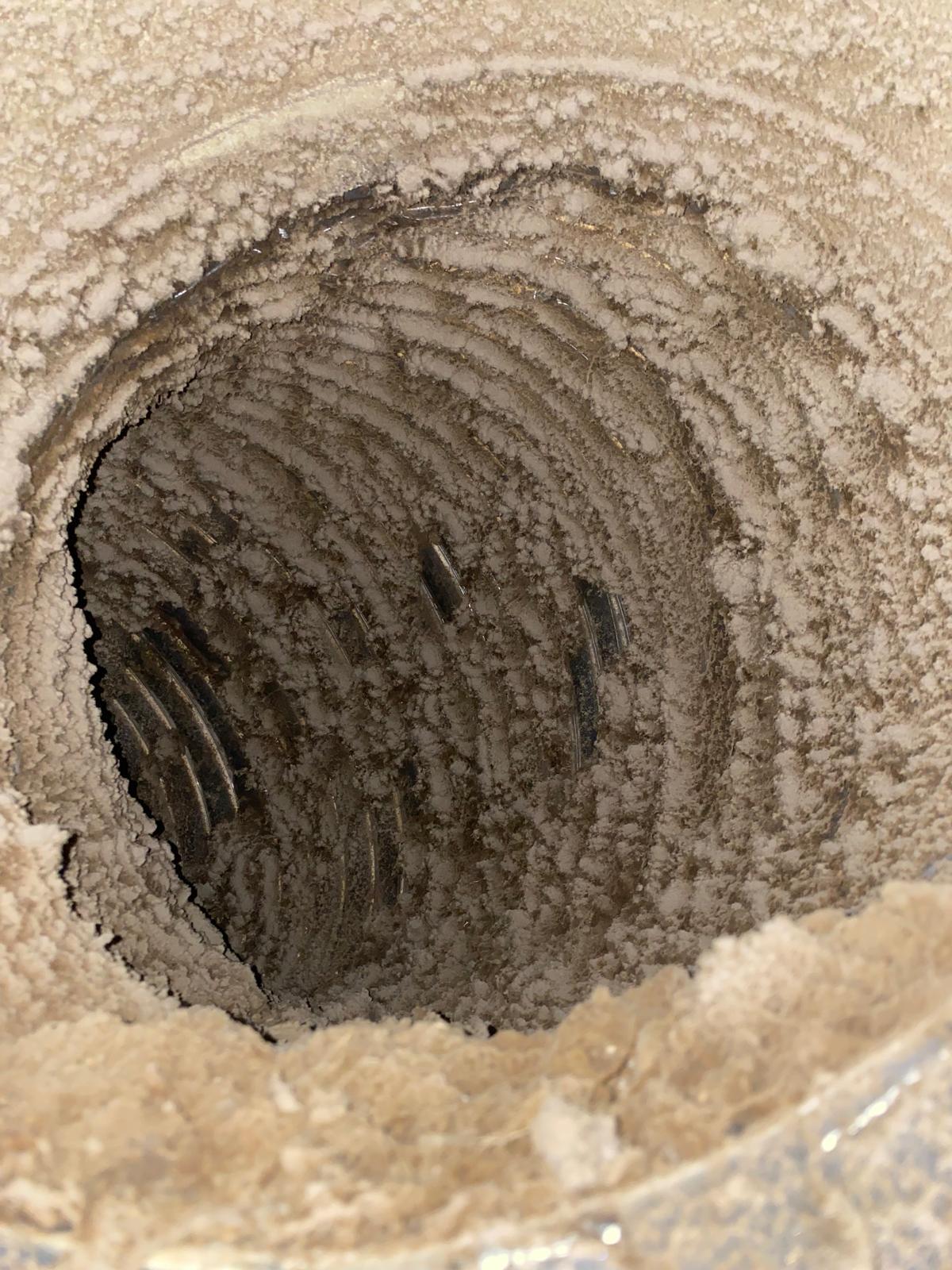
Unpleasant fireplace odors in Los Angeles homes often stem from a few primary sources within the chimney system. The most common culprit is creosote buildup. Creosote is a highly flammable, tar-like byproduct of burning wood. When wood burns incompletely, smoke carries unburnt particles up the chimney, where they condense and stick to the flue lining. Over time, this accumulation creates a strong, often acrid or smoky smell, especially when humidity is high or during warmer months when the chimney isn’t in use. This odor can permeate your living space, making your home feel less inviting. Regular chimney cleaning is essential to remove creosote and mitigate both odors and the significant fire hazard it poses.
Another frequent cause of chimney odors, particularly in a diverse urban environment like Los Angeles, involves wildlife. Birds, squirrels, raccoons, and even bats find chimneys to be warm, secluded, and safe nesting places. Unfortunately, their presence can lead to a host of problems, including foul smells from droppings, decaying nesting materials, or even deceased animals. These organic materials create pungent, musky, or rotten odors that can quickly spread throughout your home. Beyond the smell, animal blockages can impede proper ventilation, leading to smoke backing up into your living room and creating a carbon monoxide risk. A thorough chimney inspection by DD Chimney Cleaning can identify such intrusions and safely remove any animal nests or debris, restoring your chimney’s functionality and your home’s air quality.
Moisture infiltration is also a significant contributor to chimney odors. Los Angeles, despite its sunny reputation, experiences periods of heavy rain, and older chimneys can be particularly susceptible to water damage. Water entering the chimney can mix with existing creosote, creating a particularly potent and unpleasant musty, smoky, or even mildew-like smell. Beyond the odor, moisture can lead to serious structural damage, including deteriorating mortar, rusted metal components, and damaged flue liners. Addressing moisture issues promptly is crucial for the longevity and safety of your chimney. DD Chimney Cleaning understands the specific challenges that moisture can pose to chimneys in the varied climates of Los Angeles and offers comprehensive solutions to protect your home. If you’re also looking for roofing help, professional roofing San Fernando Valley is a trusted provider. Homeowners in Los Angeles have also found great results with Air Duct Cleaning service in Los Angeles, California.
Beyond Cleaning: Structural and Environmental Factors
While creosote, animals, and moisture are common causes, persistent fireplace odors can also point to deeper structural or environmental issues within your chimney system. Damaged flue liners or masonry, for instance, can create pathways for odors to escape into your home even when the chimney isn’t in use. Cracks in the flue liner, deteriorated mortar joints, or spalling bricks can allow not just odors but also smoke and dangerous gases like carbon monoxide to leak into your living space. These structural problems compromise the integrity of your chimney and can lead to a smoky, acrid smell that seems to linger no matter how much you air out your home. Such issues require professional diagnosis and fireplace repair to ensure the safety and efficiency of your system.
Another factor contributing to fireplace odors is poor airflow or draft problems. Modern homes, especially those in newer developments across Los Angeles, are often built to be highly energy-efficient and tightly sealed. While great for insulation, this can sometimes lead to negative air pressure within the home, causing the chimney to “backdraft” and pull air (and odors) down into the living space. Issues like an undersized flue, blockages, or even competing exhaust fans (like kitchen hoods or bathroom fans) can disrupt the natural upward flow of smoke and air. DD Chimney Cleaning can assess your chimney’s draft and identify any obstructions or ventilation problems that might be contributing to unwelcome smells, ensuring proper air circulation for a healthier home environment.
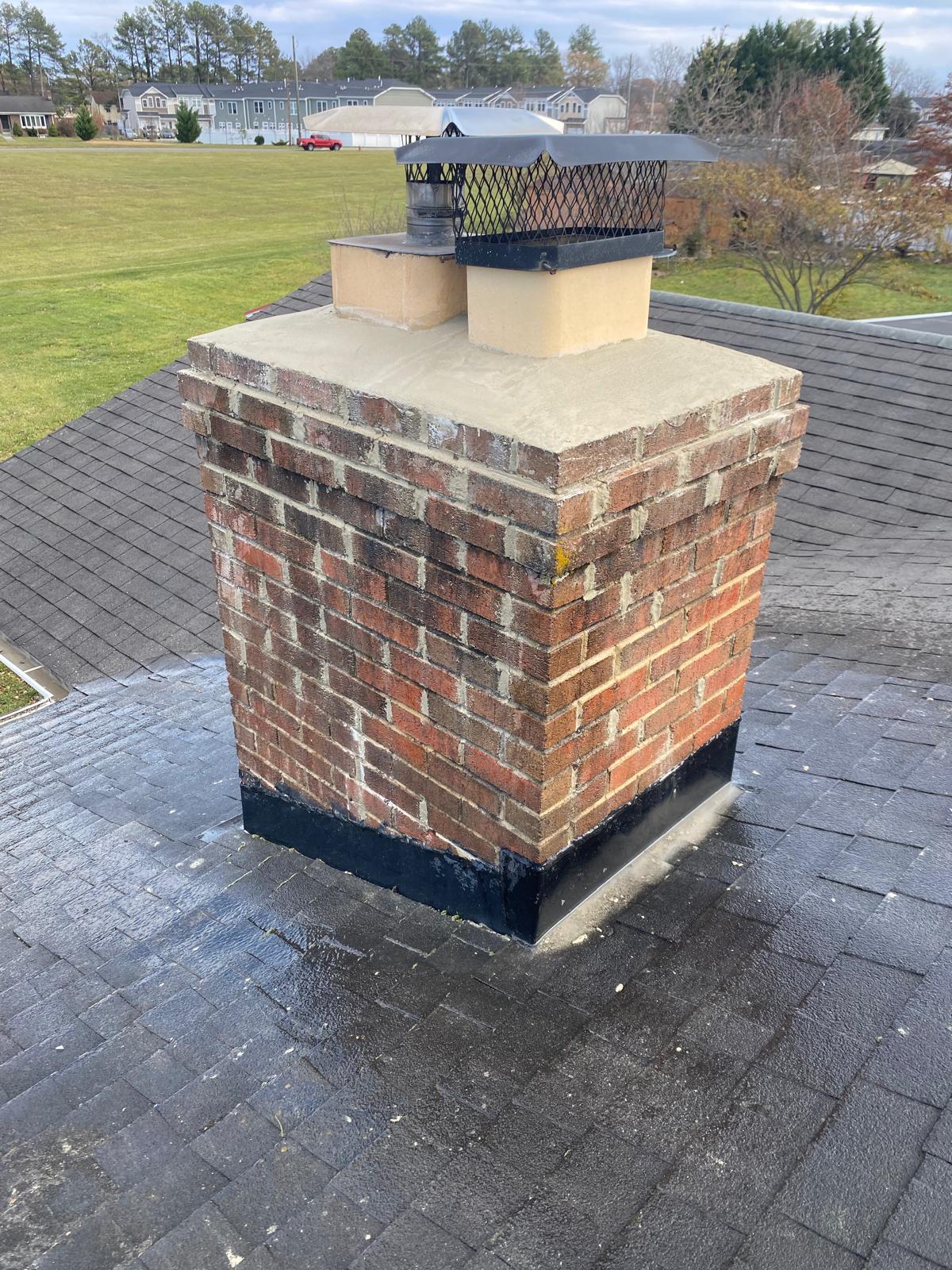
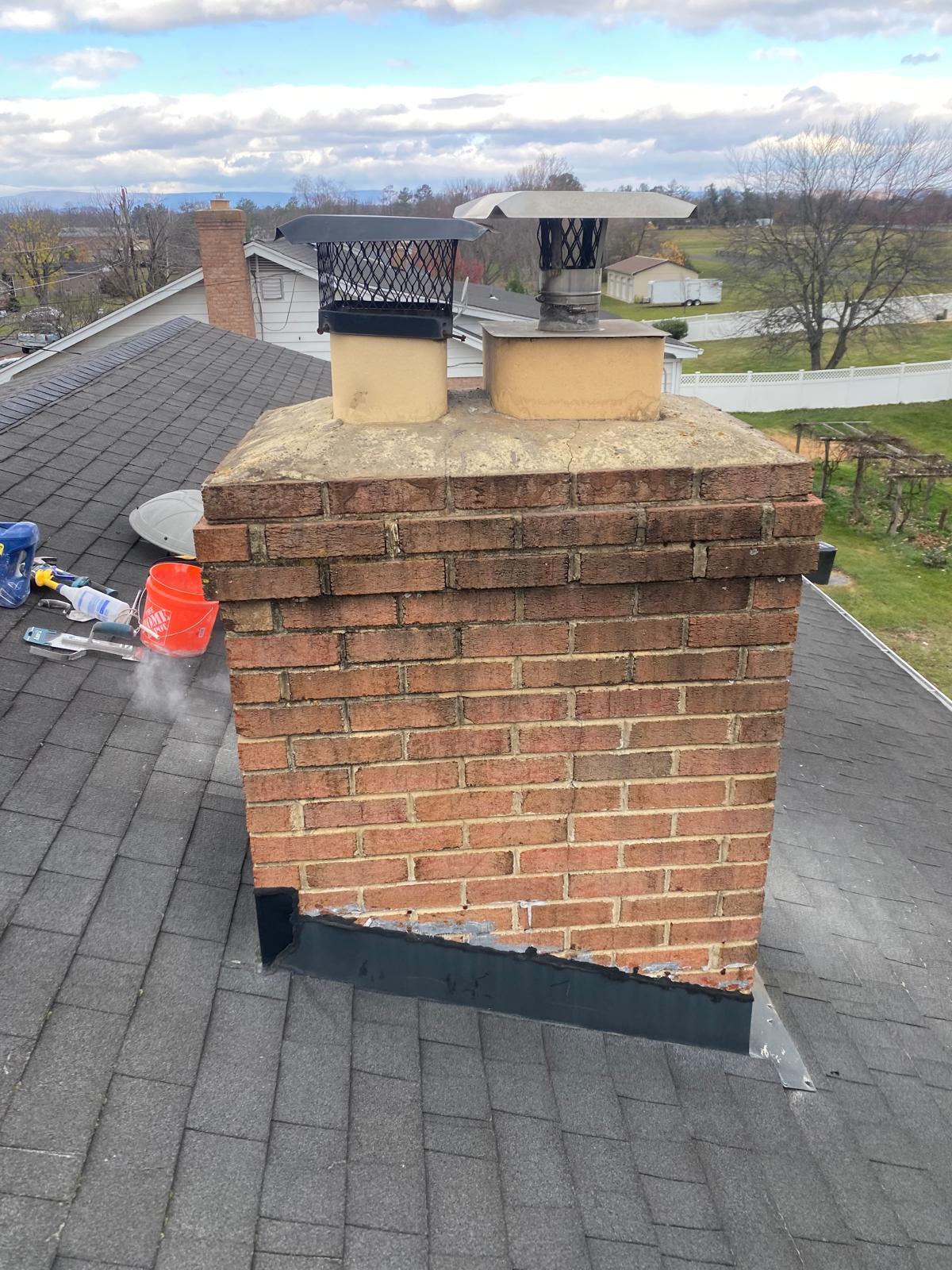
A missing or damaged chimney cap is a surprisingly common, yet often overlooked, source of odors and other chimney problems. The chimney cap, located at the very top of your chimney, acts as the first line of defense against rain, snow, and unwelcome